
TL;DR

Prime made for students and young adults
- Fast, free delivery for dorm and study essentials
- Prime Video and Amazon Music included
- Member-only deals
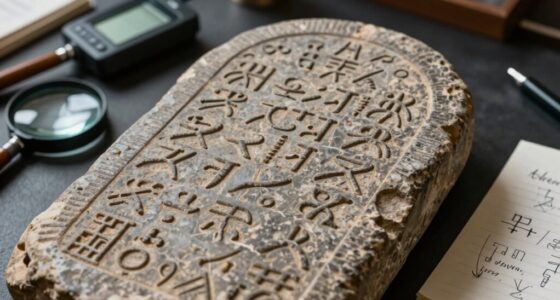
Recent archaeological discoveries provide fresh evidence about the events leading to the Late Bronze Age Collapse around 1200 BCE. The findings suggest complex factors including climate change, invasions, and economic decline contributed to the societal collapse, but some details remain uncertain. This development helps historians understand one of history’s most significant societal downturns.
Archaeologists have announced new findings that shed light on the causes of the Late Bronze Age Collapse, a widespread societal decline around 1200 BCE that affected the eastern Mediterranean. The discoveries suggest a combination of climate change, invasions, and economic disruptions contributed to the collapse, a development that could reshape historical understanding of this period.
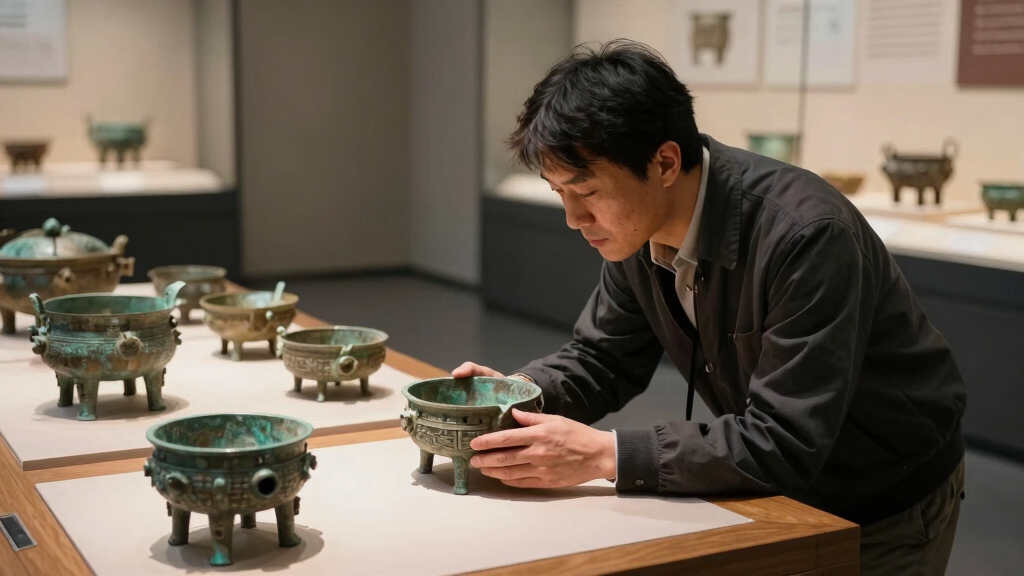
Recent excavations at key sites in the eastern Mediterranean, including archaeological layers and climate data, indicate a period of significant environmental stress coinciding with increased invasions and internal social unrest. The findings, published by a team led by Dr. Maria Lopez of the University of Athens, include evidence of drought conditions and widespread destruction of settlements, dating precisely to around 1200 BCE.
While earlier theories emphasized invasions by the so-called ‘Sea Peoples,’ new evidence suggests that environmental factors may have played a more central role than previously thought. The team analyzed sediment cores and pottery destruction layers, which support a narrative of climate-induced crop failures and societal strain.
Implications for Understanding Ancient Societal Failures
This new evidence offers a more nuanced understanding of the Late Bronze Age Collapse, highlighting the complex interplay of environmental, social, and economic factors. It challenges simpler invasion-focused explanations and underscores how climate change can precipitate societal failures, providing insights relevant to current discussions on climate and societal resilience.
As an affiliate, we earn on qualifying purchases.
Historical Background of the Late Bronze Age Collapse
The Late Bronze Age Collapse occurred roughly between 1200 and 1150 BCE, leading to the fall of major civilizations including the Hittites, Mycenaeans, and the Egyptian New Kingdom’s decline. Historically, theories have ranged from invasions by the Sea Peoples to internal rebellions and economic decline. Recent research, however, emphasizes environmental stressors, particularly droughts and crop failures, as key triggers.
Previous archaeological evidence indicated widespread destruction and abandonment of cities, but the precise causes remained debated. The new findings add environmental data to this picture, suggesting climate change was a significant catalyst in destabilizing these civilizations.
“Our findings suggest that climate stress, combined with social upheaval and external invasions, created a perfect storm leading to the collapse of these ancient societies.”
— Dr. Maria Lopez, University of Athens
As an affiliate, we earn on qualifying purchases.
Unresolved Questions About the Collapse’s Precise Triggers
While the new evidence links climate stress to societal decline, it remains unclear exactly how these environmental factors interacted with political and economic issues. The relative weight of invasions versus environmental causes is still debated among scholars. Additionally, the extent to which internal social unrest contributed remains uncertain, as some sites show signs of internal rebellion while others point to external threats.
As an affiliate, we earn on qualifying purchases.
Future Research Directions and Ongoing Archaeological Work
Researchers plan to conduct further excavations at key sites across the eastern Mediterranean to better understand the timeline and interactions of environmental and social factors. Advances in climate reconstruction and dating techniques are expected to refine the understanding of how climate change impacted societies during this period. The ongoing analysis aims to clarify the sequence of events and causative factors behind the collapse.
historical climate data analysis tools
As an affiliate, we earn on qualifying purchases.
As an affiliate, we earn on qualifying purchases.
Key Questions
What was the main cause of the Late Bronze Age Collapse?
Current evidence suggests a combination of climate change, invasions, and economic decline contributed, with recent findings emphasizing environmental stress as a key factor.
How do recent discoveries change previous understanding?
They introduce environmental data, such as evidence of droughts, that suggest climate change played a more central role than earlier invasion-focused theories.
Why is understanding this collapse important today?
Studying this collapse helps us understand how environmental and social stresses can lead to societal failure, offering lessons relevant to modern climate and societal resilience challenges.
What remains unclear about the collapse?
It is still uncertain how environmental factors interacted with political and economic issues, and the precise sequence of events leading to societal breakdown.
Source: hn
Fall Picks
fall essentials
As an affiliate, we earn on qualifying purchases.