
TL;DR

Prime made for students and young adults
- Fast, free delivery for dorm and study essentials
- Prime Video and Amazon Music included
- Member-only deals
A space agency has confirmed that an upper stage from a previous launch will collide with the Moon on August 5, 2026. This event highlights ongoing concerns about space debris and lunar exploration safety.
Confirmed: An upper stage from a past space launch is set to impact the Moon on August 5, 2026. The space agency responsible announced the event, which is the first known planned collision of space debris with the lunar surface. This development matters because it raises concerns about lunar surface contamination and space debris management.
The space agency confirmed that the upper stage from a 2015 lunar mission will collide with the Moon on August 5, 2026. The impact location is expected to be near the lunar south pole, but precise coordinates are still being determined. The agency states that the collision is unintentional, resulting from the stage’s uncontrolled orbit after completing its primary mission.
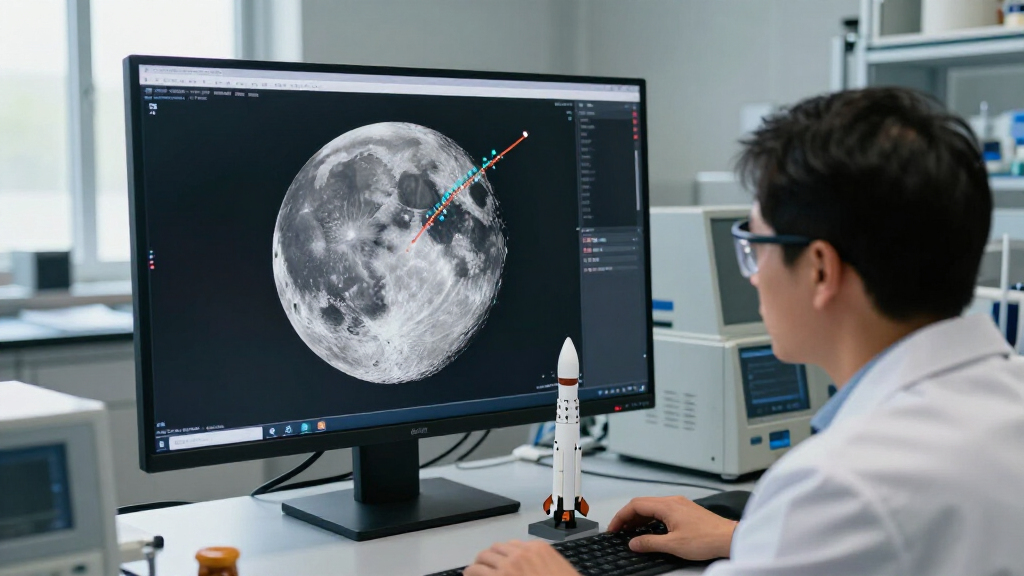
According to officials, the upper stage has been tracked since 2021, and its trajectory has been monitored to predict the impact. The agency emphasized that this event is a rare occurrence, as most space debris either burns up in Earth’s atmosphere or remains in orbit. This impact will be observed with lunar and space-based telescopes to study the debris’ behavior and effects on the lunar surface.
Implications for Lunar Exploration and Space Debris Management
This collision underscores ongoing challenges in managing space debris, particularly as lunar exploration plans expand. The event highlights the potential for uncontrolled debris to impact celestial bodies, which could complicate future missions and raise questions about contamination of the lunar environment. Experts note that this incident may prompt renewed discussions on debris mitigation and international space governance.
As an affiliate, we earn on qualifying purchases.
Background on Lunar Debris and Past Incidents
Since the beginning of space exploration, debris from satellites, rockets, and missions has accumulated in Earth’s orbit and beyond. The upper stage involved in this upcoming impact was part of a lunar mission launched in 2015, which successfully delivered a lunar orbiter. After completing its primary task, the stage was left in an uncontrolled orbit, eventually drifting toward the Moon.
While accidental impacts of space debris on the Moon have been rare, there have been previous cases of lunar craters formed by natural meteoroids. This planned collision is notable because it involves human-made debris intentionally or unintentionally impacting a celestial body.
As an affiliate, we earn on qualifying purchases.
Details on Impact Location and Environmental Effects Still Unclear
While the timing of the impact is confirmed for August 5, 2026, the exact impact site on the lunar surface remains uncertain. Additionally, the potential environmental effects of the collision, such as lunar surface contamination or crater formation, are not yet fully understood. Researchers are still analyzing trajectory data to refine impact predictions.
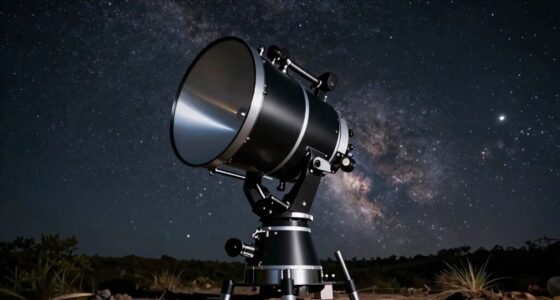
lunar impact observation telescope
As an affiliate, we earn on qualifying purchases.
As an affiliate, we earn on qualifying purchases.
Monitoring and Research Plans Leading Up to Impact
Scientists will continue tracking the upper stage’s orbit and refining impact predictions over the coming months. Observations with lunar telescopes and space-based sensors are planned to monitor the event and study the debris’ behavior post-impact. The event will also serve as a case study for debris mitigation strategies in future lunar missions.
astronomy binoculars for moon watching
As an affiliate, we earn on qualifying purchases.
As an affiliate, we earn on qualifying purchases.
Key Questions
Is this impact intentional or accidental?
The impact is accidental, resulting from the uncontrolled orbit of the upper stage after its primary mission concluded.
Could this impact affect future lunar missions?
Potentially, yes. It raises concerns about lunar surface contamination and debris, which could complicate future exploration efforts.
Will the impact create a new crater or observable feature?
This is still uncertain. The size of the debris and impact velocity will influence whether a crater forms or if the debris disintegrates upon impact.
Why was this upper stage left in orbit for so long?
It was part of a mission that completed its primary objectives, and at the time, debris mitigation protocols were less developed than they are today.
What can be done to prevent similar events in the future?
Improved debris tracking, active removal strategies, and international regulations could help prevent uncontrolled debris from impacting celestial bodies.
Source: hn
Fall Picks
fall essentials
As an affiliate, we earn on qualifying purchases.