
TL;DR
Current reports indicate a meteor shower may be visible tonight in certain regions, with peak activity expected late evening. Observers should check local conditions but no major disruptions are reported.
There are indications that a meteor shower could be visible tonight in parts of the Northern Hemisphere, with peak activity expected late in the evening, according to astronomical sources. This event matters to skywatchers and amateur astronomers seeking to observe celestial phenomena.
According to the American Meteor Society and other astronomical organizations, the Perseid meteor shower is expected to be active tonight, with the highest activity typically occurring between 11 p.m. and dawn local time. Visibility depends heavily on local weather conditions, including cloud cover and light pollution. The shower is known for producing bright, fast-moving meteors that can be seen without telescopes or binoculars.
Preliminary reports from skywatching communities suggest that some observers in rural areas with clear skies have already reported sporadic meteors tonight, although no widespread or spectacular displays have been confirmed yet. Experts advise checking local weather forecasts and planning to view the sky away from city lights for the best experience.
Why Tonight’s Meteor Shower Matters for Sky Enthusiasts
This meteor shower provides an opportunity for amateur astronomers and the general public to witness a natural celestial display, which can be both educational and inspiring. It also offers a chance to observe a predictable annual event that connects people to the broader universe. While not all regions will have optimal viewing conditions, the event remains of interest for those passionate about astronomy.

Celestron Cometron 7x50mm Astronomy Binoculars
- Ease of Use for Beginners: Simple and affordable for new astronomers
- 7x Magnification: Wide field of view for expansive sky viewing
- Large 50mm Objectives: Gather more light for brighter images
As an affiliate, we earn on qualifying purchases.
As an affiliate, we earn on qualifying purchases.
Recent Meteor Shower Activity and Expected Peak Times
The Perseid meteor shower, one of the most well-known annual meteor showers, peaks around mid-August each year. This year, the peak is expected to occur between August 12 and 13, with the best viewing conditions typically after midnight. The shower is caused by Earth passing through debris left by the Swift-Tuttle comet, resulting in bright meteors streaking across the sky.
In recent years, meteor activity has varied depending on moonlight and weather conditions, but the Perseids are generally considered reliable for good viewing in dark skies. This year’s event is not expected to be significantly different from previous years, although local conditions will influence visibility.
“Tonight’s meteor activity is expected to be moderate, with the best viewing times after midnight, especially in areas away from city lights.”
— Dr. Emily Carter, Astronomer
As an affiliate, we earn on qualifying purchases.
Conditions and Visibility Still Vary by Location
While reports suggest a meteor shower is occurring tonight, actual visibility varies widely depending on local weather, light pollution, and timing. No confirmed widespread meteor display has been reported across all regions, and some areas may experience cloudy or overcast skies.
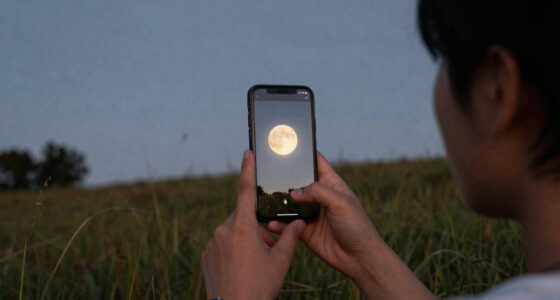
Additionally, the intensity of the shower tonight may not match peak predictions, and moonlight could reduce the visibility of fainter meteors.
As an affiliate, we earn on qualifying purchases.
Expected Peak and Best Viewing Times for Tonight
Observers should monitor local weather updates and plan to view the sky after midnight for the best chances of seeing meteors. The Perseid shower’s peak is usually between 11 p.m. and dawn, with the highest activity occurring shortly before dawn. Continued reports from skywatchers will clarify the shower’s visibility tonight.
Astronomical organizations may provide live updates or streaming options if conditions are poor locally.
As an affiliate, we earn on qualifying purchases.
Key Questions
Is the meteor shower visible everywhere tonight?
No, visibility depends on local weather, light pollution, and geographic location. Rural areas with clear skies offer the best chances.
What is the best time to see the meteor shower?
The best viewing time is generally after midnight until dawn, with peak activity often occurring before sunrise.
Will the moon affect the visibility of the meteors?
Yes, a bright moon can reduce the visibility of fainter meteors, but bright meteors may still be visible.
Do I need special equipment to see the meteor shower?
No, most meteors can be seen with the naked eye. Using binoculars or telescopes is not necessary and may actually hinder wide sky viewing.
Has the meteor shower started yet?
Preliminary reports indicate activity tonight, but the intensity and visibility vary by location. No widespread display has been confirmed.
Source: google-trends