
Cultural beliefs shape why certain numbers feel lucky or unlucky for you. In some cultures, numbers like 8 are seen as lucky because they symbolize prosperity, while 13 is avoided due to its association with bad luck. These perceptions come from traditions, religious stories, and natural explanations that have been passed down through generations. If you look deeper, you’ll discover how these beliefs influence daily choices and societal norms around the world.

Prime made for students and young adults
- Fast, free delivery for dorm and study essentials
- Prime Video and Amazon Music included
- Member-only deals
Key Takeaways
- Cultural associations and historical roots give certain numbers positive meanings, shaping perceptions of luck.
- In East Asian cultures, numbers like 8 are lucky due to phonetic similarities to prosperity-related words.
- Religious and societal traditions embed these meanings, influencing behaviors and choices related to specific numbers.
- Numerology in fashion and design uses culturally lucky numbers to evoke positive feelings and attract success.
- Societal norms and everyday decisions are affected by these beliefs, reinforcing the idea that some numbers are inherently lucky.
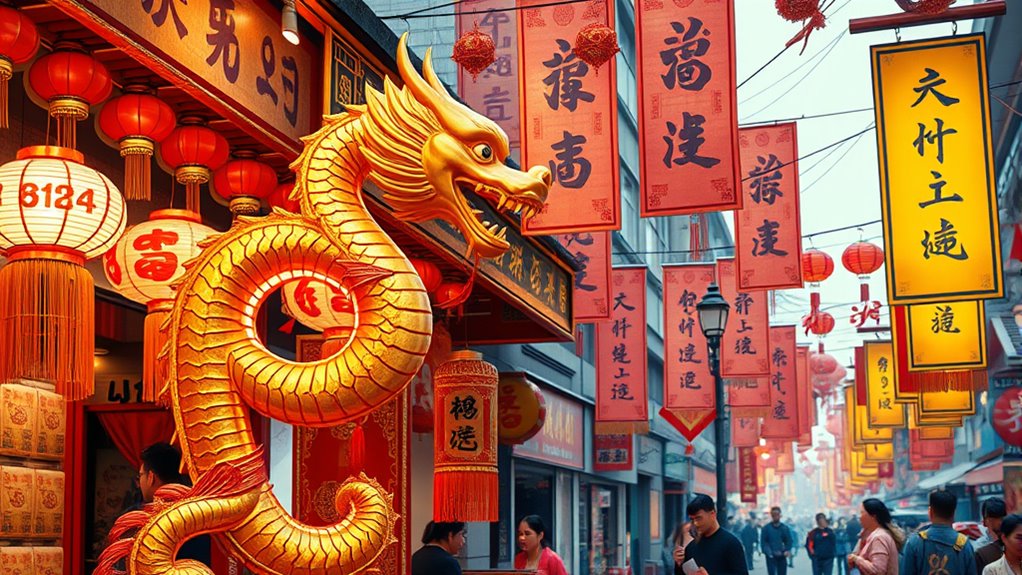
Throughout history, cultures around the world have attached special significance to certain numbers, believing them to bring luck or misfortune. These beliefs often stem from superstitions’ origins, which can be traced back to ancient traditions, religious texts, and even natural phenomena. For example, in Western cultures, the number 13 is widely considered unlucky, possibly because of its association with the Last Supper and the betrayal of Jesus, which has permeated superstitions’ origins over centuries. Conversely, in Chinese culture, the number 8 is seen as exceptionally lucky because its pronunciation resembles words meaning prosperity and wealth. These deep-seated beliefs influence everything from daily routines to major life events, shaping how people perceive and interact with numbers in their environment.
Cultural beliefs assign luck or misfortune to numbers, shaped by history, religion, and natural phenomena.
In fashion and design, numerology plays a surprisingly significant role, subtly influencing trends and choices. Many designers and brands incorporate numerology in fashion by selecting certain numbers to evoke specific feelings or cultural associations. For instance, a designer might release a limited edition collection numbered to align with a culturally lucky number, hoping to attract positive energy and consumer luck. Numerology in fashion isn’t just about aesthetics; it’s also about tapping into collective subconscious beliefs that certain numbers can influence outcomes or perceptions. This practice shows how numerology has evolved beyond ancient superstition into a modern marketing tool, blending cultural symbolism with contemporary style.
Superstitions’ origins often reveal how ancient societies sought explanations for natural events and human experiences, attaching symbolic meanings to numbers as a way of making sense of the world. For example, the fear of the number 13 in Western culture may have originated from the idea that 12 represented completeness—12 months in a year, 12 zodiac signs—while 13 was considered an irregular, disruptive number. Meanwhile, in East Asian cultures, the number 9 is sometimes avoided because it sounds like the word for suffering, leading to its avoidance in certain contexts. Over time, these superstitions become embedded in cultural practices, influencing not just individual behaviors but also societal norms and commercial decisions. Understanding these roots helps explain why these beliefs persist and continue to shape societal behaviors today.
In essence, the significance assigned to certain numbers is a complex mix of superstitions’ origins and the cultural meanings assigned to them, which continue to shape behaviors today. Whether in fashion, architecture, or everyday life, these numbers carry a weight rooted in history and collective belief. You may not realize it, but the choices you make—like avoiding the 17th floor in some buildings or choosing a lucky number for your wedding—are often influenced by these age-old superstitions and the ongoing influence of numerology. In this way, numbers become more than mere digits; they embody cultural stories, hopes, and fears, making the concept of “luck” deeply personal yet universally shared. Recognizing the cultural significance of these numbers can offer new insight into human behavior and collective psychology.
As an affiliate, we earn on qualifying purchases.
Frequently Asked Questions
How Do Personal Experiences Influence Perceptions of Lucky Numbers?
Your personal experiences shape how you perceive lucky numbers by creating personal associations and emotional significance. When you encounter a specific number during a positive event or meaningful moment, it becomes linked to good feelings. These experiences reinforce your perception of that number as lucky. Over time, your emotional connections grow stronger, making certain numbers feel more fortunate based on your unique history and feelings, rather than cultural beliefs alone.
Are There Universal Lucky Numbers Across All Cultures?
Imagine you’re choosing a number for a big event, wondering if any are universally lucky. While numerology traditions and cross-cultural superstitions influence perceptions, no number feels lucky across all cultures. For example, 7 is popular in Western traditions, but in China, 8 is considered especially fortunate. So, luck varies globally, and no single number holds universal appeal, reflecting the rich diversity of cultural beliefs worldwide.
How Do Historical Events Shape Cultural Numerology Beliefs?
You’ll find that historical events influence cultural numerology traditions through mathematical coincidences and symbolic meanings. When a significant event, like a war or an invention, occurs on a specific date, people often associate that number with luck or significance. These events reinforce beliefs, shaping numerology traditions over generations. By recognizing these connections, you understand how collective experiences and coincidences turn into cultural symbols, giving certain numbers special, often “lucky,” status.
Can Lucky Numbers Change Over a Person’s Lifetime?
Can lucky numbers change over your lifetime? Absolutely. Your number perception shifts as you experience new events, environments, and emotions. What once felt fortunate may fade or transform into something different. Life’s journey fuels this lifetime change, shaping your sense of luck. So, your lucky numbers aren’t fixed — they evolve with your experiences, reflecting your personal growth and changing perceptions over time.
What Role Does Superstition Play in Choosing Lucky Numbers?
Superstitious beliefs heavily influence how you choose lucky numbers, as many rely on personal or cultural superstitions rather than logic. Number symbolism plays a key role, with certain numbers seen as auspicious based on tradition or personal experience. When you pick a lucky number, you’re often subconsciously influenced by these superstitions, believing they bring good fortune or ward off bad luck, shaping your choices deeply rooted in cultural or personal superstitions.
As an affiliate, we earn on qualifying purchases.
Conclusion
So, next time you pick a lucky number, remember—your favorite digit might just be a cultural coincidence. The irony? What feels like divine luck could be nothing more than centuries of tradition shaping your choices. Whether it’s 8 or 7, your “luck” is really a story handed down through generations. So go ahead, believe in your lucky number—just don’t forget, it might be more about history than fate.
As an affiliate, we earn on qualifying purchases.
As an affiliate, we earn on qualifying purchases.
Halloween Picks
halloween
As an affiliate, we earn on qualifying purchases.