TL;DR

Get school and study supplies delivered free — and shop member deals
- Fast, free delivery on millions of items
- Access to Prime Big Deal Days deals on October 6–7
- Prime Video, Amazon Music and more included
A guest essay in Astral Codex Ten recounts how a couple used ChatGPT as a supplement during six years of infertility treatment. The writer says the chatbot suggested an MRI that revealed a previously undetected uterine fibroid, but the account is a personal report, not evidence that AI can reliably diagnose infertility or replace clinicians.
A couple who had spent six years seeking answers for infertility say ChatGPT prompted them to ask for an MRI, which revealed a previously undetected uterine fibroid, according to a guest essay by Drew Housman published on Astral Codex Ten. The account describes one family’s experience using an AI chatbot alongside fertility care; it does not establish that the system can diagnose infertility or that its advice is reliable for other patients.
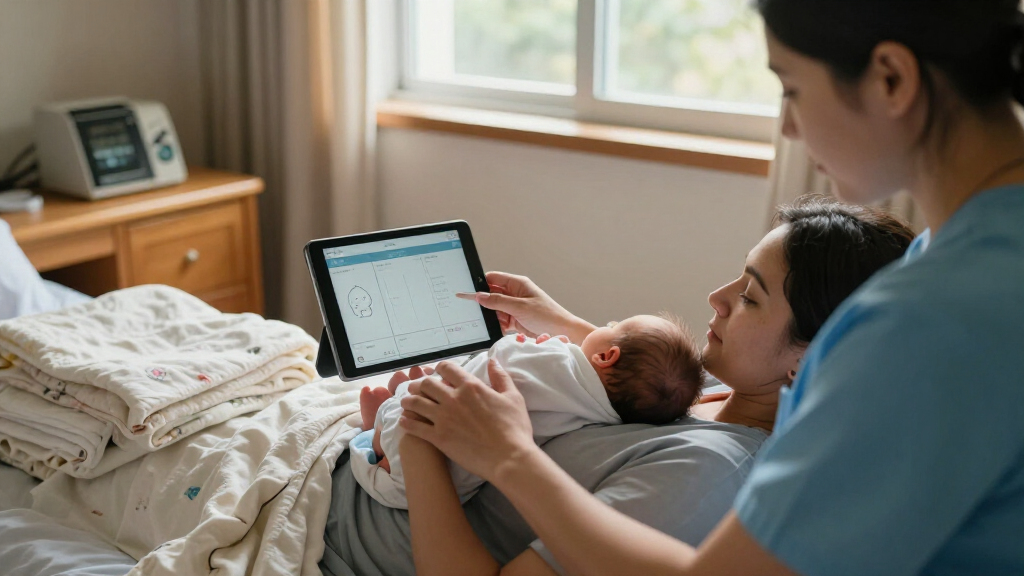
Housman writes that he and his wife were able to create embryos, but repeated embryo transfers did not result in a pregnancy. After medical evaluations failed to identify a cause, their clinicians described the condition as unexplained infertility. The couple began using ChatGPT, initially GPT-4, for questions they could not fully address during limited appointments, including questions about scans, hormone levels, follicle counts, procedures and supplements.
In the essay, Housman says the couple sometimes compared the chatbot’s answers with those of their doctors and found them consistent. He also describes errors: on rare occasions, he says, the system misread an ultrasound and incorrectly told them his wife was pregnant. Those examples underscore that the chatbot’s answers were not consistently accurate, even in the writer’s account.
The turning point came when the chatbot suggested an MRI, Housman says. The couple raised the option with their fertility doctor, who initially tried to dissuade them, according to the essay. They insisted on the scan. Housman reports that it showed a 6-centimeter submucosal fibroid in the uterine wall, which their doctor then determined should be removed. The supplied account ends before reporting the outcome of treatment or whether removing the fibroid led to a pregnancy.
AI Advice in Fertility Care
The essay illustrates a potential role patients may find for chatbots: helping them formulate questions, understand medical terms and explore options between appointments. Fertility treatment can involve repeated tests and emotionally difficult decisions, while clinician time is limited, as Housman describes. In this case, he says the AI suggestion led the couple to pursue imaging that had not been carried out during years of care.
But one patient’s account cannot show that ChatGPT identified the fibroid correctly, that an MRI would be appropriate for other people with infertility, or that the chatbot’s involvement improved the couple’s medical outcome. The writer’s report of occasional image-reading errors is a reminder that chatbot responses can be mistaken. Medical decisions—including whether imaging is warranted—need to be evaluated by qualified clinicians with access to a patient’s full history and examination.
The story matters because patients may turn to general-purpose AI systems when they feel rushed or have unanswered questions. It offers a specific example of how a chatbot can prompt further discussion with a care team, while also showing why its output should not be treated as a diagnosis or substitute for medical advice.
As an affiliate, we earn on qualifying purchases.
Six Years Without an Explanation
Housman’s essay describes a long fertility journey in which the couple underwent numerous scans, tests and procedures without an identified reason their embryos were not implanting. He says records from their care included one earlier mention of MRI as a possible option, but it was not strongly recommended, and the couple did not pursue it at that time. The essay does not provide the medical records or an independent account from the clinicians.
The couple started asking GPT-4 medical questions after its release, according to Housman. He says the model sometimes refused to answer, and that they used a fictional medical-drama framing to get responses. That detail reflects the couple’s experience with the product at the time; it does not describe a recommended way to obtain medical guidance. The essay also recounts changes in how the chatbot responded, suggesting that model behavior and safeguards varied during their use.
Housman presents the experience as a personal narrative rather than a clinical study. No patient cohort, controlled comparison, diagnostic accuracy measures or independent review of the chatbot’s responses are included in the supplied source. The specific finding is the reported MRI result in this couple’s case, not a general assessment of AI in reproductive medicine.
“That’s when our LLM doctor stepped in.”
— Drew Housman, writing in a guest post on Astral Codex Ten
fertility tracking ovulation monitor
As an affiliate, we earn on qualifying purchases.
As an affiliate, we earn on qualifying purchases.
The Outcome and Medical Evidence
The supplied excerpt does not say whether the fibroid was removed, whether the couple later became pregnant, or what their clinicians concluded about the growth’s role in the failed transfers. It also does not include the MRI report, the couple’s full medical history or comments from their fertility doctor.
It remains unclear why the MRI was not ordered earlier, beyond Housman’s account that the doctor initially tried to talk the couple out of it. The essay does not establish whether the scan would be indicated for other patients, whether the chatbot’s suggestion was based on relevant clinical reasoning, or how often similar chatbot recommendations are correct. No broader claim about AI diagnostic ability can be drawn from this single account.
As an affiliate, we earn on qualifying purchases.
Further Care and Clinical Review
According to Housman’s account, the fertility doctor determined after reviewing the MRI that the fibroid should be removed. The supplied material does not give a date for surgery or report a subsequent fertility outcome. Any update on treatment or pregnancy would need to come from the couple or their clinicians.
For readers facing similar questions, the account supports a limited takeaway: a chatbot may help generate questions to raise with a clinician, but it cannot determine whether a test or procedure is suitable for an individual. The next confirmed development in this story would be an update from the couple about treatment and its outcome; none is included in the source material provided.
As an affiliate, we earn on qualifying purchases.
Key Questions
What did the AI chatbot reportedly suggest?
Housman says ChatGPT suggested that his wife get an MRI after years of infertility evaluations and failed embryo transfers.
What did the MRI find?
According to the essay, the scan showed a 6-centimeter submucosal fibroid in the uterine wall. The couple’s fertility doctor recommended removing it, Housman writes.
Does this prove ChatGPT can diagnose infertility?
No. This is a single personal account, not a clinical study. It does not measure diagnostic accuracy or show that the chatbot can reliably identify causes of infertility.
Did the couple have the fibroid removed or become pregnant?
The supplied source material does not say whether the fibroid was removed or whether the couple later became pregnant. Those outcomes remain unreported in the excerpt.
Source: rss
Halloween Picks
halloween
As an affiliate, we earn on qualifying purchases.