
The best health history books pair compelling storytelling with useful context about how medicine shaped—and was shaped by—society. My best overall pick is The Emperor of All Maladies, a sweeping, readable account of cancer and the people who have studied it. Medical Apartheid stands out for readers focused on medical racism, while Medicine: The Definitive Illustrated History offers a broad visual survey. The main tradeoff is between a focused narrative that goes deep and a wider overview that covers more ground with less detail. Read on for the full breakdown and help matching a book to your interests and reading style.

Prime made for students and young adults
- Fast, free delivery for dorm and study essentials
- Prime Video and Amazon Music included
- Member-only deals
Key Takeaways
- The Emperor of All Maladies leads for readers who want a sustained, story-driven history of one disease, while Medicine: The Definitive Illustrated History favors breadth and visual reference.
- Medical Apartheid and Women in White Coats center histories often sidelined in general accounts of medicine, but they focus on distinct subjects: medical abuse and women’s professional barriers.
- Books organized around one disease, including Everything Is Tuberculosis and Patient Zero, offer a clearer entry point than broad histories, though their scope is narrower.
- The Gene and The Story of the Human Body connect health history to biology and evolution; readers seeking institutional or global public-health history may prefer other picks.
- The strongest choice depends on the question you bring: how a disease changed society, how medicine developed, whose experiences were excluded, or how health interventions crossed borders.
| The Gene: An Intimate History |  | Best for the History of Genetics | Title: The Gene: An Intimate History | ASIN: 147673352X | Subject indicated by title: Genes and heredity | VIEW LATEST PRICE | See Our Full Breakdown |
| All in Her Head: The Truth and Lies Early Medicine Taught Us About Women’s Bodies and Why It Matters Today |  | Best for the History of Women’s Health | Title: All in Her Head: The Truth and Lies Early Medicine Taught Us About Women’s Bodies and Why It Matters Today | ASIN: 0063293013 | Author credential: Memorial Sloan Kettering MD | VIEW LATEST PRICE | See Our Full Breakdown |
| Medicine: The Definitive Illustrated History |  | Best Visual Introduction | Title: Medicine: The Definitive Illustrated History | ASIN: 1465453415 | Series: DK Definitive Visual Histories | VIEW LATEST PRICE | See Our Full Breakdown |
| A History of Global Health: Interventions into the Lives of Other Peoples |  | Best for Global Health and Power | Title: A History of Global Health: Interventions into the Lives of Other Peoples | ASIN: 1421420333 | Subject: Global health history | VIEW LATEST PRICE | See Our Full Breakdown |
| Everything Is Tuberculosis: The History and Persistence of Our Deadliest Infection |  | Best Disease-Focused History | Title: Everything Is Tuberculosis: The History and Persistence of Our Deadliest Infection | ASIN: B0DK2G4D48 | Subject: Tuberculosis | VIEW LATEST PRICE | See Our Full Breakdown |
| The Emperor of All Maladies: A Biography of Cancer |  | Best for Cancer History | Format: Book | Subject: Cancer | Coverage: History, science, and human stories | VIEW LATEST PRICE | See Our Full Breakdown |
| The Story of the Human Body: Evolution, Health, and Disease | 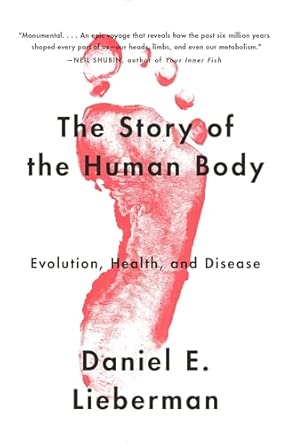 | Best for Evolutionary Health Context | Format: Book | Subject: Human body | Themes: Evolution, health, and disease | VIEW LATEST PRICE | See Our Full Breakdown |
| Survival of the Sickest: The Surprising Connections Between Disease and Longevity |  | Best for Unexpected Disease Connections | Format: Book | Subject: Disease and longevity | Approach: Exploration of connections | VIEW LATEST PRICE | See Our Full Breakdown |
| Patient Zero: A Curious History of the World’s Worst Diseases |  | Best for Disease History and Epidemiology | Format: Book | Subject: History of disease | Coverage: Humanity’s most devastating diseases | VIEW LATEST PRICE | See Our Full Breakdown |
| Women in White Coats: How the First Women Doctors Changed the World of Medicine |  | Best for Women’s Medical History | Format: Book | Genre: Historical biography | Subject: Pioneering women doctors | VIEW LATEST PRICE | See Our Full Breakdown |
| Medical Apartheid: The Dark History of Medical Experimentation on Black Americans from Colonial Times to the Present |  | Best for the History of Medical Racism | Format: Book | Subject: Medical experimentation on Black Americans | Historical scope: Colonial times to the present | VIEW LATEST PRICE | See Our Full Breakdown |
| health history book | Subject | Format |
|---|---|---|
| The Gene: An Intimate History | — | Not specified in supplied product data |
| All in Her Head: The Truth and | History of medicine and women’s bodies | — |
| Medicine: The Definitive Illus | History of medicine | — |
| A History of Global Health: In | Global health history | — |
| Everything Is Tuberculosis: Th | Tuberculosis | Not specified in supplied product data |
| The Emperor of All Maladies: A | Cancer | Book |
| The Story of the Human Body: E | Human body | Book |
| Survival of the Sickest: The S | Disease and longevity | Book |
| Patient Zero: A Curious Histor | History of disease | Book |
| Women in White Coats: How the | Pioneering women doctors | Book |
| Medical Apartheid: The Dark Hi | Medical experimentation on Black Americans | Book |
More Details on Our Top Picks
The Gene: An Intimate History
I’d choose The Gene: An Intimate History for a reader who wants health history centered on heredity, scientific discovery, and the people shaped by genetic ideas. Its subject gives it a different scope from The Emperor of All Maladies, which follows cancer, and Everything Is Tuberculosis, which focuses on one infectious disease. That breadth makes it a strong pick for understanding how genetics became part of medicine and public life. The tradeoff is focus: it is not a general survey of medical history, and readers seeking a visual, quick-reference overview may prefer Medicine: The Definitive Illustrated History. The supplied product information provides no details on edition, format, or contents beyond the title, so I’d choose it for its clear subject rather than assume a particular level of technical depth.
Pros:- A clear focus on the history of genes and heredity
- Offers a distinct subject alongside disease-centered books in the roundup
- May appeal to readers interested in the relationship between science, medicine, and society
Cons:- Does not provide a general overview of health history
- The supplied product data gives no detail on readability, structure, or technical depth
Best for: Readers interested in genetics, heredity, and the history of how biological science has influenced medicine and society.
Not ideal for: Readers seeking a broad, illustrated survey of medical history or a book focused on a specific disease such as tuberculosis or cancer.
- Title:The Gene: An Intimate History
- ASIN:147673352X
- Subject indicated by title:Genes and heredity
- Format:Not specified in supplied product data
- Edition:Not specified in supplied product data
- Author:Not specified in supplied product data
Our verdict“Choose this for a genetics-centered account of health history, but pick a broader survey if you want coverage across medicine as a whole.”
All in Her Head: The Truth and Lies Early Medicine Taught Us About Women’s Bodies and Why It Matters Today
All in Her Head makes the list for readers who want medical history examined through the treatment and misrepresentation of women’s bodies. Its focus on the persistence of old assumptions gives the history a direct connection to present-day healthcare, setting it apart from The Gene, which centers on genetics, and A History of Global Health, which takes a broader international view of health interventions. The author’s stated Memorial Sloan Kettering MD credential may suit readers who value a medical perspective alongside the historical argument. The tradeoff is its concentrated subject: it is not a wide-ranging guide to medicine, and the supplied description warns that its historical context may feel dense for casual readers. I’d pick it for a focused account of gender bias, not as an introductory survey of every major development in health history.
Pros:- Centers women’s bodies and agency in the history of medicine
- Connects historical misconceptions with present-day healthcare issues
- Written by an author described in the supplied data as a Memorial Sloan Kettering MD
Cons:- Its focused subject does not provide a general history of health
- The supplied description notes that the historical context may feel dense to casual readers
Best for: Readers seeking a historically grounded account of medical bias against women and its relevance to current healthcare.
Not ideal for: Casual readers who want a light, broad introduction to medical history or those who prefer topics unrelated to gender and healthcare.
- Title:All in Her Head: The Truth and Lies Early Medicine Taught Us About Women’s Bodies and Why It Matters Today
- ASIN:0063293013
- Author credential:Memorial Sloan Kettering MD
- Subject:History of medicine and women’s bodies
- Focus:Historical medical misconceptions about women
- Contemporary connection:Lasting effects of historical misconceptions on modern healthcare
Our verdict“Choose this for a focused history of medical bias against women, rather than a broad survey like Medicine: The Definitive Illustrated History.”
Medicine: The Definitive Illustrated History
Medicine: The Definitive Illustrated History is the clearest choice here for readers who want a visual route into health history rather than a close study of one topic. Its place in DK’s Definitive Visual Histories series signals an illustrated format, making it distinct from the more focused subjects of All in Her Head and Everything Is Tuberculosis. That format may help readers browse across medical history without committing to a single disease or debate. The supplied data, however, does not describe its coverage, organization, or level of detail, so I can’t recommend it as a source for a particular era or specialty. Compared with the more tightly framed books in this group, its likely strength is visual breadth; its tradeoff is that readers seeking a sustained argument or a deep account of one subject may be better served elsewhere.
Pros:- Illustrated history format offers a visual way into the subject
- Part of DK’s Definitive Visual Histories series
- A broader-format alternative to the disease- and topic-focused books in this roundup
Cons:- Supplied product data does not specify its coverage or depth
- May not suit readers who want a sustained, focused historical argument
Best for: Visual learners, gift buyers, and curious readers who want an illustrated entry point to the history of medicine.
Not ideal for: Readers seeking a detailed argument about women’s health, genetics, global health policy, or a single disease.
- Title:Medicine: The Definitive Illustrated History
- ASIN:1465453415
- Series:DK Definitive Visual Histories
- Format description:Illustrated history
- Subject:History of medicine
- Specific coverage:Not provided in supplied product data
Our verdict“Choose this for a visual introduction to medical history; choose a focused title such as The Gene for a deeper account of one subject.”
A History of Global Health: Interventions into the Lives of Other Peoples
A History of Global Health: Interventions into the Lives of Other Peoples stands apart by examining health efforts across borders and their effects on the people they target. The title’s emphasis on interventions suggests a lens on power and outside influence, making this a more policy-oriented choice than All in Her Head, which centers gendered medical assumptions, or The Gene, which follows genetics. I’d place it on this list for readers who want to think about health history at an international scale, rather than trace one disease as in Everything Is Tuberculosis. The main limitation is the thin supplied description: it gives no examples, periods, or account of the book’s approach. Readers wanting an accessible, richly specified overview may find Medicine: The Definitive Illustrated History a more approachable starting point.
Pros:- Takes an international rather than single-country approach to health history
- Foregrounds interventions into the lives of other peoples
- Offers a policy and power perspective distinct from disease-specific books
Cons:- The supplied description gives no examples, time periods, or details about the book’s approach
- Its intervention-focused subject may be less suitable for readers seeking a general medical-history survey
Best for: Readers interested in global health history, international interventions, and how health programs affect communities.
Not ideal for: Readers looking for a light visual survey, a personal disease narrative, or a book with clearly specified coverage before choosing.
- Title:A History of Global Health: Interventions into the Lives of Other Peoples
- ASIN:1421420333
- Subject:Global health history
- Stated focus:Interventions into the lives of other peoples
- Geographic scope:Global, as indicated by the title and description
- Specific periods covered:Not provided in supplied product data
Our verdict“Choose this for a global, intervention-focused perspective on health history, but look elsewhere for a clearly described introductory overview.”
Everything Is Tuberculosis: The History and Persistence of Our Deadliest Infection
Everything Is Tuberculosis is the most focused pick in this group: it follows one infection and its continued presence, rather than surveying medicine broadly. That makes it a natural contrast with Medicine: The Definitive Illustrated History, which is positioned as an illustrated history of the wider field, and with The Emperor of All Maladies, which takes cancer as its subject. The title’s pairing of history and persistence signals an interest in both the disease’s past and its ongoing significance. I’d choose it if tuberculosis is the specific subject you want to understand. The tradeoff is narrow scope: readers seeking genetics, women’s healthcare, or international health interventions will find those questions better matched by The Gene, All in Her Head, or A History of Global Health. The supplied data gives no further details on coverage or format.
Pros:- A clearly defined focus on tuberculosis
- Connects historical coverage with the infection’s persistence
- Provides a disease-specific alternative to broader history books
Cons:- Its single-disease scope will not cover the wider history of medicine
- Supplied product data gives no further detail about structure, coverage, or format
Best for: Readers who want a focused history of tuberculosis and an account of its continued presence.
Not ideal for: Readers seeking a broad medical-history survey or a book centered on genetics, women’s health, or global health policy.
- Title:Everything Is Tuberculosis: The History and Persistence of Our Deadliest Infection
- ASIN:B0DK2G4D48
- Subject:Tuberculosis
- Stated focus:History and persistence of the infection
- Format:Not specified in supplied product data
- Specific coverage:Not provided in supplied product data
Our verdict“Choose this if tuberculosis is your priority; choose Medicine: The Definitive Illustrated History for broader medical coverage.”
The Emperor of All Maladies: A Biography of Cancer
For readers who want one disease’s history in depth, this book connects cancer’s biology, medical research, treatment efforts, and human experiences across time. Its narrative approach makes scientific developments part of a larger account of how people have understood and confronted the disease, rather than a detached chronology. Compared with Patient Zero, which surveys multiple devastating diseases, this is a more focused and sustained history; readers seeking a broad account of medicine may prefer Medicine: The Definitive Illustrated History. The tradeoff is that scientific passages can be dense, and the subject’s scope calls for more attention than a brisk popular overview. It suits curious readers willing to follow detailed explanations, but may frustrate someone seeking a light introduction.
Pros:- Combines cancer history, science, and personal accounts
- Uses narrative storytelling to give complex developments human context
- Offers a focused account of changing ideas and treatments
Cons:- Scientific detail may be demanding for readers without interest in medical topics
- Its focus on cancer leaves less room for the wider history of health and medicine
Best for: Readers who want a substantial, narrative history of cancer that connects scientific research with the experiences of patients and clinicians.
Not ideal for: Casual readers seeking a short, lightly technical overview or a broad survey of many areas of medicine.
- Format:Book
- Subject:Cancer
- Coverage:History, science, and human stories
- Approach:Narrative medical history
- Focus:Evolution of understanding and treatment
- Award:Pulitzer Prize-winning
Our verdict“Choose this for a deep, human-centered history of cancer; choose <em>Patient Zero</em> for a wider tour of disease history.”
The Story of the Human Body: Evolution, Health, and Disease
This pick links human evolution to present-day health, making it a useful counterpoint to disease-centered histories such as The Emperor of All Maladies. Rather than tracing one illness or a sequence of outbreaks, its title signals a broad view of how the human body’s evolutionary past relates to health and disease. That perspective makes it a natural choice for readers interested in why modern bodies can be affected by contemporary conditions. Compared with Patient Zero, it is less about the historical path of particular infections and more about the relationship between evolution and health. The tradeoff is its broad explanatory lens: readers looking for a detailed chronology of medical discoveries or biographies of doctors may find other books in this roundup a closer match.
Pros:- Connects evolutionary history with health and disease
- Offers a broader bodily perspective than single-disease histories
- Pairs well with more focused books such as The Emperor of All Maladies
Cons:- Its broad focus may not provide the disease-specific history some readers want
- Readers seeking a history of medical institutions or practitioners may prefer another title
Best for: Readers interested in how human evolution relates to health and disease, especially those who want context beyond individual illnesses.
Not ideal for: Readers seeking a chronological history of medical practice, a disease-by-disease account, or a biography-driven narrative.
- Format:Book
- Subject:Human body
- Themes:Evolution, health, and disease
- Approach:Evolutionary perspective
- Coverage:Relationship between human evolution and health
- ISBN-10:030774180X
Our verdict“Pick this for an evolution-centered account of health, not a detailed history of one disease or the medical profession.”
Survival of the Sickest: The Surprising Connections Between Disease and Longevity
Choose this for a curiosity-led take on disease and longevity, rather than a conventional timeline of medical discoveries. Its stated focus on surprising connections offers a different angle from The Emperor of All Maladies, which follows one disease through history, and from Patient Zero, which examines diseases and their wider impact. That makes it a good fit for readers who enjoy exploring how illness and longevity may be connected, rather than staying with one condition or a broad historical survey. The tradeoff is that this framing is less suited to readers who want a straightforward chronology, a detailed history of clinical practice, or a focused account of a particular disease. The available product information gives little detail about its scope, so buyers seeking a clearly specified period or subject should look to a more focused title.
Pros:- Centers disease and longevity as connected subjects
- Offers a distinct angle alongside disease histories such as Patient Zero
- Suited to readers drawn to surprising links in health history
Cons:- The supplied product information does not specify its historical scope or level of scientific detail
- Its thematic focus may be less useful to readers seeking a chronological medical history
Best for: Curious general readers who want to explore connections between disease and longevity rather than follow a single disease history.
Not ideal for: Readers seeking a clearly defined medical timeline, a focused history of one illness, or detailed coverage of medical institutions.
- Format:Book
- Subject:Disease and longevity
- Approach:Exploration of connections
- Focus:Surprising relationships between disease and longevity
- Genre:Health history
- ISBN-10:0060889667
Our verdict“Choose this if unexpected links between illness and longevity interest you more than a chronological or disease-specific history.”
Patient Zero: A Curious History of the World’s Worst Diseases
A broad, story-driven survey of disease makes this a strong pick for readers who want to see how illnesses affected people and societies across history. The epidemiological perspective distinguishes it from The Emperor of All Maladies, which concentrates on cancer, while its vivid narrative gives readers an accessible route into disease history. It also offers a useful contrast with The Story of the Human Body: this title centers particular diseases and their historical impact rather than taking an evolutionary view of health. The tradeoff is that graphic details may unsettle some readers, and a wide survey cannot give every disease the extended treatment a single-subject book can. Choose it for breadth and readable historical analysis; skip it if you prefer a gentler or more narrowly focused account.
Pros:- Covers multiple devastating diseases and their historical impact
- Combines scientific insight with vivid storytelling
- Offers broader disease coverage than The Emperor of All Maladies
Cons:- Graphic details may be unsettling for some readers
- The broad survey format gives less space to any one disease
Best for: Readers interested in epidemiology who want an engaging survey of major diseases and their effects on societies.
Not ideal for: Readers sensitive to graphic illness details or those who want a sustained, technical history of one disease.
- Format:Book
- Subject:History of disease
- Coverage:Humanity’s most devastating diseases
- Approach:Historical and epidemiological
- Style:Vivid narrative
- Focus:Disease origins and societal impact
Our verdict“Choose this for a readable, wide-ranging history of diseases, provided graphic material is not a concern.”
Women in White Coats: How the First Women Doctors Changed the World of Medicine
This is the roundup’s clearest choice for the history of women in medicine, shifting attention from diseases to the doctors who challenged barriers in medical science and power. Its biographical focus complements Medical Apartheid, which examines medical experimentation and Black Americans, but the books address distinct histories and should not be treated as substitutes. Compared with The Emperor of All Maladies, this title is less about scientific progress around a particular disease and more about the people and influence behind change in the medical profession. That narrower lens gives the book a clear purpose, though readers seeking a broad global history of medicine or extensive disease science may want a different option. The supplied description also offers limited detail about the individuals and period covered.
Pros:- Centers pioneering women doctors in medical history
- Connects their work with questions of science and power
- Adds a practitioner-focused perspective absent from disease-centered titles
Cons:- Narrower in scope than broad surveys of medical history
- The supplied description does not identify the specific doctors or historical period covered
Best for: Readers seeking a biography-led account of pioneering women doctors and their influence on medicine and scientific power.
Not ideal for: Readers who want a broad medical timeline, detailed disease science, or extensive coverage beyond pioneering women doctors.
- Format:Book
- Genre:Historical biography
- Subject:Pioneering women doctors
- Themes:Medicine, science, and power
- Focus:Women’s influence on medicine
- ISBN-10:0778311988
Our verdict“Choose this for a focused history of women doctors’ influence, not as a general survey of medicine.”
Medical Apartheid: The Dark History of Medical Experimentation on Black Americans from Colonial Times to the Present
Medical Apartheid focuses on a part of health history that broader accounts often leave at the margins: the exploitation of Black Americans in medical research and practice. By tracing these abuses from colonial times to the present, it connects past actions to their effects on Black communities and to the development of medicine itself. Compared with All in Her Head, which centers on women’s bodies and medical beliefs, this book makes race and experimentation its defining lens. That focus gives it a clear place in this roundup, but also makes it a more demanding, disturbing read than a broad survey such as Medicine: The Definitive Illustrated History. Choose it for a historically focused account of medical racism; skip it if you want a neutral overview of medical milestones or a lighter introduction.
Pros:- Traces medical experimentation on Black Americans across a wide historical span.
- Keeps the impact on Black communities central to the history.
- Links abuses in medical practice to the broader development of medicine.
- Offers a distinct focus alongside books about women’s health, disease, and medical breakthroughs.
Cons:- Its narrow focus does not provide a balanced overview of all major strands of health history.
- The subject matter is disturbing and may be difficult for some readers.
- Readers seeking a visual reference or a lighter narrative may prefer a survey such as Medicine: The Definitive Illustrated History.
Best for: Readers seeking a focused history of medical experimentation and its consequences for Black Americans, especially those studying medicine, race, or public health.
Not ideal for: Readers looking for an illustrated survey of medical discoveries, a broad global-health history, or an introductory account centered on disease rather than injustice.
- Format:Book
- Subject:Medical experimentation on Black Americans
- Historical scope:Colonial times to the present
- Geographic focus:United States
- Primary lens:Race, medicine, and medical experimentation
- Community focus:Impact on Black communities
Our verdict“Choose this book for a focused, challenging account of medical racism in American history, rather than a broad or illustrated history of medicine.”

How We Picked
I compared the 11 books by how clearly they connect health and medicine to their historical setting, how readable and coherent their central argument is, and how much context they offer beyond a sequence of facts. I also weighed scope, subject representation, and the book’s likely usefulness to readers with different levels of background knowledge. A focused disease history can be more approachable than a survey, while a broad illustrated book can serve readers who want a reference point rather than a single sustained argument.
The order prioritizes books that combine an accessible narrative with substantial historical context and a clearly defined contribution to the field. The Emperor of All Maladies ranks first for its balance of storytelling, scientific history, and social stakes. Specialized works remain strong recommendations for their intended readers, but their narrower subject matter or more demanding focus makes them less universal picks. I treated each book’s perspective and limits as part of its value, not as reasons to dismiss it.
| health history book | Format |
|---|---|
| The Gene: An Intimate History | Not specified in supplied product data |
| All in Her Head: The Truth and | — |
| Medicine: The Definitive Illus | — |
| A History of Global Health: In | — |
| Everything Is Tuberculosis: Th | Not specified in supplied product data |
| The Emperor of All Maladies: A | Book |
| The Story of the Human Body: E | Book |
| Survival of the Sickest: The S | Book |
| Patient Zero: A Curious Histor | Book |
| Women in White Coats: How the | Book |
| Medical Apartheid: The Dark Hi | Book |
Factors to Consider When Choosing Best Health History Books
Before choosing, decide what kind of history you want: a disease biography, an account of medical institutions, or a study of whose bodies and experiences medicine has valued. The books in this lineup differ as much in angle and reading experience as in subject, so a clear question can narrow the field faster than a general interest in health.
Choose a subject before choosing a format
Start with the question you want the book to answer, rather than picking the broadest title by default. A disease-centered narrative follows one condition through changing knowledge and public response; a general history covers more eras and branches of medicine. Books about women’s health, medical racism, or global health make power and access central rather than treating them as side topics. A common mistake is to assume every health history covers the same ground. Check the subtitle and framing to see whether the book follows science, patients, practitioners, or institutions. If your interest is still broad, an illustrated survey can help you discover a narrower subject for your next read.
Match the scope to your reading appetite
Wide-ranging books can give you a map of the field, but they may move quickly across people, dates, and ideas. A focused history usually gives its subject more room and a stronger narrative arc, though it cannot stand in for a complete history of medicine. Think about whether you want a book to read straight through or revisit as a reference. Illustrated histories often support browsing, while narrative works tend to reward sustained attention. Don’t choose by page count alone: a concise topic can still involve complex ethical or scientific history. For a first book, a coherent central question often matters more than maximum coverage.
Notice whose perspective organizes the story
Health histories can tell very different stories depending on whose experiences guide the account. Some foreground researchers and scientific discoveries; others examine patients, medical workers, or communities harmed by medical systems. If representation and power are your main interests, look for a book that treats those issues as its organizing subject, not just a passing theme. This does not make one approach universally better: a history of genetics answers different questions from a history of medical experimentation. A frequent buying mistake is expecting a general survey to provide the depth of a dedicated study of injustice or gender. Read the framing carefully and choose the perspective that fits the questions you want explored.
Decide how much science you want alongside history
Some books spend substantial time explaining biology, disease mechanisms, or scientific debates; others focus more heavily on institutions and social consequences. If you enjoy scientific context, genetics, evolution, and the history of cancer may be appealing entry points. If technical explanations slow you down, look for a narrative organized around people, communities, or historical events. Neither style guarantees accuracy or readability by itself, so consider whether the book connects scientific ideas to their historical consequences. Readers sometimes buy a medical history expecting a textbook, then find the narrative too social—or expect a social history and find more science than they wanted. A quick preview of a chapter can clarify that balance.
Treat difficult subject matter as a real selection factor
Histories of medical experimentation, racism, and disease can include painful accounts of harm, coercion, and loss. That material may be the reason to choose a book, but it also affects the reading experience and suitability for a particular reader or setting. Consider whether you want a direct account of injustice now or would rather begin with a broader history and return to the harder material later. For classroom use or a book group, check whether the subject and tone fit the group’s purpose. Avoid assuming that a serious subject automatically makes a book more useful for every reader. The right choice is the one whose depth and focus match your capacity and learning goals.
Pay for depth, not just breadth
When deciding between a broad overview and a specialized book, ask what you will do with the extra detail. A reference-style survey can be useful if you want to browse topics, compare eras, or consult visual material. A focused narrative is a better fit if you want to understand how one disease or historical injustice unfolded over time. A longer or more specialized work is not automatically a better starting point, and a visual format may trade analytical depth for accessibility. Think about whether you plan to read once, revisit chapters, or use the book to support study. Choose the format that serves that purpose instead of chasing the largest scope.
Frequently Asked Questions
Which book is the easiest starting point if I have little background in medical history?
Choose a book with a clear subject and a strong narrative thread rather than starting with the broadest title. The Emperor of All Maladies is a good first choice if cancer history interests you, while Patient Zero offers a disease-focused route through the history of epidemics. If you prefer to browse and orient yourself across many topics, the illustrated history may suit you better. The best starting point is the one whose subject already makes you curious enough to keep reading. You can move to a more specialized or challenging account once you know which themes you want to follow.
Should I choose a broad medical history or a book about one disease?
Choose a broad history if your goal is to see how medical ideas and practices changed across a range of subjects. Choose a disease-centered book if you want a sustained account with more room for individual people, scientific disputes, and social effects. A single-disease history will leave gaps elsewhere, so it is not a substitute for a survey. A survey, meanwhile, may not give any one topic the depth you want. If you are unsure, start with the subject that most interests you; a focused book often makes the larger field easier to approach afterward.
Which book should I pick to learn about race and medical harm?
Medical Apartheid is the clearest match in this lineup for readers seeking a history of medical experimentation and abuse involving Black Americans. It gives that history sustained attention, rather than treating it as one theme among many. Its focus also means it is not a general introduction to every part of medical history. If your interest is broader representation within the medical profession, Women in White Coats addresses women doctors and barriers to their work, a related but distinct subject. Choose based on whether you want to study medical harm or women’s professional history in medicine.
Are these books suitable for a reader who wants more science than social history?
Several picks connect historical narrative to scientific ideas, but they vary in how much attention they give to biology and discovery. The Gene centers genetics, while The Story of the Human Body links evolution to health and disease. The Emperor of All Maladies also brings scientific developments into a broader history of cancer. Books about global health or medical injustice may place more emphasis on institutions, power, and social consequences. Check the subject and framing before choosing, since “health history” does not guarantee a science-first approach.
Can one of these books work for a book club or classroom?
Yes, but the best fit depends on whether the group wants a shared narrative, a broad survey, or material for discussion about ethics and access. A focused history such as The Emperor of All Maladies gives readers a common subject to follow, while Medical Apartheid can support discussion of medical practice and injustice. The illustrated survey may work well when participants want to explore separate topics rather than read one continuous argument. For a class, check that the scope fits the course and that the reading level suits the group. For a book club, preview the tone and difficult subject matter before selecting a title.
Conclusion
For one book that balances storytelling, scientific change, and social context, I recommend The Emperor of All Maladies as the best overall pick. Readers seeking a broad, browseable introduction should choose Medicine: The Definitive Illustrated History as the best value in scope and format; it is more of a visual survey than a deep account of one subject. For a premium-feeling, substantial narrative, The Gene is my pick for readers ready to follow genetics across a long history. Beginners can start with Patient Zero if disease stories appeal, or the illustrated history if they want a wider orientation. For specific needs, choose Medical Apartheid for the history of medical racism, All in Her Head for women’s health narratives, or A History of Global Health for interventions across borders. Let your central question decide: these books are strongest when their subject matches the history you actually want to understand.
Halloween Picks
halloween
As an affiliate, we earn on qualifying purchases.