
You believe in conspiracy theories because your mind relies on cognitive biases like confirmation bias, which filters information to support existing beliefs, and social identity, which strengthens your loyalty to group narratives. These tendencies create echo chambers that reinforce your views, making it harder to see alternative explanations. Your sense of belonging fuels acceptance of claims that align with your group, even without solid evidence. To understand how these psychological factors interact, keep exploring the fascinating reasons behind why people believe the unbelievable.
Key Takeaways
- Cognitive biases like confirmation bias distort evidence, making individuals more receptive to conspiracy theories.
- Social identity reinforces belief by aligning group membership with acceptance of specific theories.
- Confirmation bias creates echo chambers, amplifying and solidifying conspiratorial beliefs.
- Group loyalty and the desire for uniqueness encourage adoption and defense of conspiracy narratives.
- Perceptions are influenced by environmental cues and human tendencies, complicating objective evaluation of evidence.

Have you ever wondered why some people are drawn to conspiracy theories? It’s not just about the content of these theories, but about how your mind processes information and seeks meaning. You see, cognitive biases play a significant role here. These mental shortcuts help your brain make quick decisions, but they can also lead you astray. For example, confirmation bias makes you focus on information that supports your existing beliefs while ignoring evidence that contradicts them. If you already suspect a shadowy government is behind something, you’ll be more likely to accept a conspiracy theory that confirms that suspicion and dismiss anything that challenges it. This biased way of thinking creates an echo chamber, reinforcing your beliefs and making it harder to see alternative explanations.
Social identity also influences why you might believe in conspiracy theories. Humans naturally seek a sense of belonging and often define themselves through groups—whether based on politics, religion, or other affiliations. When a conspiracy theory aligns with your group’s worldview, it strengthens your sense of identity. You feel part of a special in-group that’s “aware of the truth,” which can be incredibly compelling. The desire to belong and be seen as unique or enlightened can lead you to embrace these theories, even if they lack credible evidence. Additionally, when you identify strongly with a particular social or political group, you tend to adopt its narratives and dismiss opposing viewpoints. This creates an “us versus them” mentality, where the conspiracy becomes a badge of loyalty or a marker of insider knowledge.
The interplay of cognitive biases and social identity creates a powerful cycle. Your biases distort your perception of reality, and your group affiliations reinforce your beliefs. This cycle makes it difficult to question or abandon conspiracy theories once you’re invested. It’s not simply about being misled; it’s about how your mind and social environment shape your understanding of the world. Recognizing these influences is vital because it reveals that belief in conspiracy theories isn’t just about the content itself but about fundamental human tendencies. When you understand the roles of cognitive biases and social identity, you can start to see why these theories are so compelling and why they often persist despite a lack of evidence. Moreover, understanding how natural materials like wood and linen evoke authenticity can help recognize how environmental cues influence perceptions and beliefs. Breaking free from these patterns requires awareness of your biases and a willingness to challenge your social influences.

The Biased Brain: A Comprehensive Exploration of Cognitive Distortions
As an affiliate, we earn on qualifying purchases.
As an affiliate, we earn on qualifying purchases.
Frequently Asked Questions
How Do Conspiracy Theories Spread on Social Media?
You spread conspiracy theories on social media through viral sharing, where engaging posts are quickly copied and shared across platforms. Echo chambers reinforce your beliefs, making you more likely to accept and share sensational or unverified information without question. Algorithms prioritize such content, increasing its reach and visibility. This cycle fuels the rapid spread of conspiracy theories, making it difficult to distinguish fact from fiction in your online community.
Can Belief in Conspiracies Impact Mental Health?
Believing in conspiracies can impact your mental health, causing increased anxiety, paranoia, and distrust. It can lead to conspiracy-related anxiety, making you feel overwhelmed or isolated. You might struggle with sleep or experience mood swings. Recognizing these impacts helps you seek support and maintain mental well-being. Staying informed with credible sources and practicing critical thinking can protect your mental health from the negative effects of conspiracy beliefs.
What Role Does Cognitive Bias Play in Conspiracy Thinking?
Cognitive bias considerably influences your conspiracy thinking by shaping how you interpret information. Confirmation bias leads you to favor evidence that supports your beliefs, ignoring contradictions. Motivated reasoning makes you prioritize emotionally satisfying explanations over facts. These biases reinforce your existing beliefs, making it harder to contemplate alternative viewpoints, and ultimately deepen your engagement with conspiracy theories. Recognizing these biases helps you critically evaluate information and reduce unwarranted belief.
Are Certain Personality Types More Prone to Believing Conspiracy Theories?
You’re more likely to believe conspiracy theories if you have certain personality traits, like high openness to experience and low agreeableness. Studies show that about 40% of people with these susceptibility factors are prone to conspiracy thinking. Your personality traits influence how you interpret information, making you more or less vulnerable to believing unbelievable claims. Recognizing these traits can help you understand why you might be more susceptible to conspiracy theories.
How Do Conspiracy Theories Influence Political Opinions and Behavior?
Conspiracy theories shape your political opinions and behavior through media manipulation, making you question official narratives. As you encounter false claims, trust erosion occurs, leading you to rely more on alternative sources that confirm your biases. This cycle reinforces skepticism and can polarize your views, encouraging you to support or oppose policies based on conspiracy-driven beliefs rather than facts, ultimately influencing your political engagement and decision-making.

The Psychology of Conspiracy Theories (The Psychology of Everything)
As an affiliate, we earn on qualifying purchases.
As an affiliate, we earn on qualifying purchases.
Conclusion
Understanding why you might believe in conspiracy theories helps you see the underlying psychological factors at play. For example, if you find yourself convinced that a secret group controls world events, it’s often driven by a desire for certainty or control. Recognizing these tendencies empowers you to question assumptions and seek evidence-based explanations. By staying aware, you can avoid falling into the trap of believing the unbelievable and instead, approach information with a critical mind.

Maustic Social Worker Gifts, Therapist PsychologyGifts, Keep Talking I'm Diagnosing You Mug, Presents for School Counselor Psychologists Psychiatrists Nurse Doctor, 11 Oz Black
FUNNY PSYCHOLOGY GIFTS: This well crafted psychology mug with hilarious saying ' Keep Talking I'm Diagnosing You '…
As an affiliate, we earn on qualifying purchases.
As an affiliate, we earn on qualifying purchases.
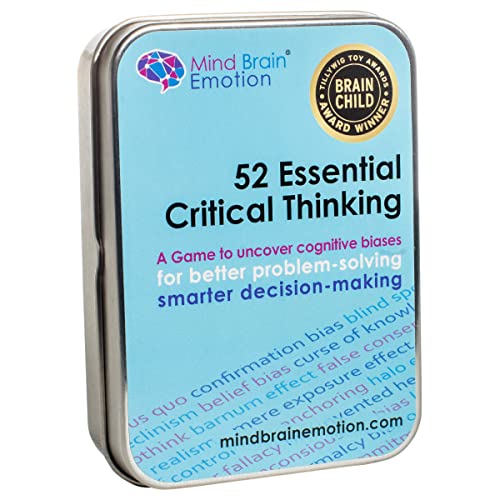
52 Essential Critical Thinking: Smart Flash Cards to Uncover Implicit Biases, Detect Cognitive Biases in Social Media, AI, Writing, Speech, Debate, for Teens & Adults – by Harvard Educator
Developed by Harvard Educator: Help uncover cognitive biases with 52 flash cards that align with Bloom's Taxonomy.
As an affiliate, we earn on qualifying purchases.
As an affiliate, we earn on qualifying purchases.