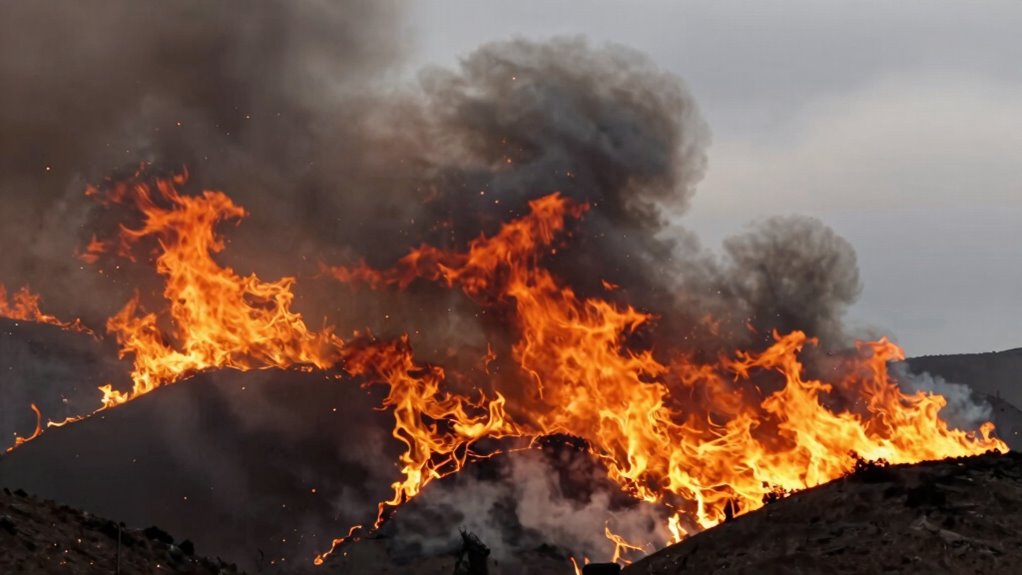

Wildfires aren’t just bigger—they now behave differently due to climate change. Hotter, drier conditions make landscapes more combustible, causing fires to spread faster, burn more intensely, and ignite unpredictably. Wind changes and dry vegetation can trigger flare-ups and new hotspots, sometimes outrunning containment efforts. Understanding these shifting patterns is essential for safety and response strategies. If you want to learn how these changes impact communities and fire management, there’s more to explore ahead.
Key Takeaways
- Hotter, drier conditions fuel rapid, intense fire spread and unpredictable behavior, unlike traditional wildfire patterns.
- Strong winds and weather shifts create spot fires and firestorms, complicating containment efforts.
- Vegetation types and land management influence fire severity, with invasive or unmanaged fuels increasing unpredictability.
- Urban-wildland interfaces face higher risks due to dense vegetation and climate-driven fire behavior changes.
- New technologies like drones and real-time sensors improve early detection and adaptive response to evolving wildfires.
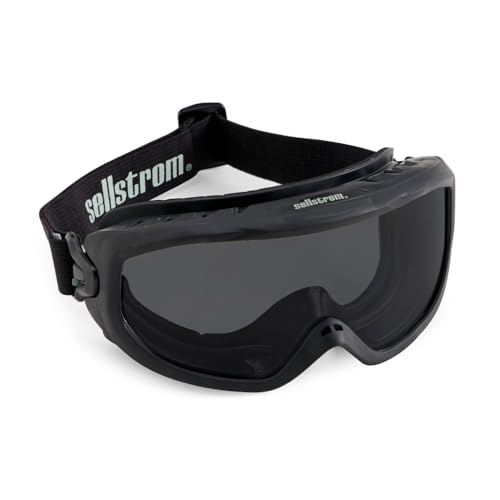
Sellstrom Odyssey II Wildland Anti-Fog Fire Safety Goggles, ANSI & NFPA 70E
- Heat Resistant Up to 350°F: Suitable for wildland fire applications
- Comfortable Fit: Made from heat-resistant TPV and soft foam
- Glare-Reducing Tinted Lens: Reduces glare on bright days
As an affiliate, we earn on qualifying purchases.
As an affiliate, we earn on qualifying purchases.
How Climate Change Is Changing Wildfire Behavior

Climate change is markedly altering wildfire behavior by creating hotter, drier conditions that make landscapes more combustible. These harsher environments challenge traditional fire suppression efforts, making it harder to control fires before they spread extensively. As a result, ecosystems face disruptions in their natural cycles, hindering ecological recovery. When fires burn more intensely and more frequently, they can damage soil quality and destroy native plant life, complicating efforts to restore healthy habitats. You might notice that fires now start more easily and spread faster, overwhelming containment strategies. This shift in wildfire behavior emphasizes the need to adapt firefighting techniques and prioritize ecological recovery, ensuring ecosystems can bounce back despite increasingly extreme fire seasons. Additionally, the changing fire patterns are also influenced by high temperature, which accelerates fuel drying and increases fire intensity. Recognizing these climate-driven changes is crucial for developing more effective firefighting strategies in the future. Furthermore, the increased frequency and severity of fires can also lead to loss of biodiversity, disrupting local ecosystems and making recovery more difficult.

Propper Men's FR Synergy Wildland Fire Shirt, Yellow, M/Reg
- Fabric Composition: 93% Nomex, 5% Kevlar, 2% Anti-static fibers
- Flame Resistance: Inherent, certified flame-resistant fabric
- Durability Features: Reinforced stress points and FR Velcro
As an affiliate, we earn on qualifying purchases.
As an affiliate, we earn on qualifying purchases.
Why Wildfires Are Spreading Faster and Burning Differently
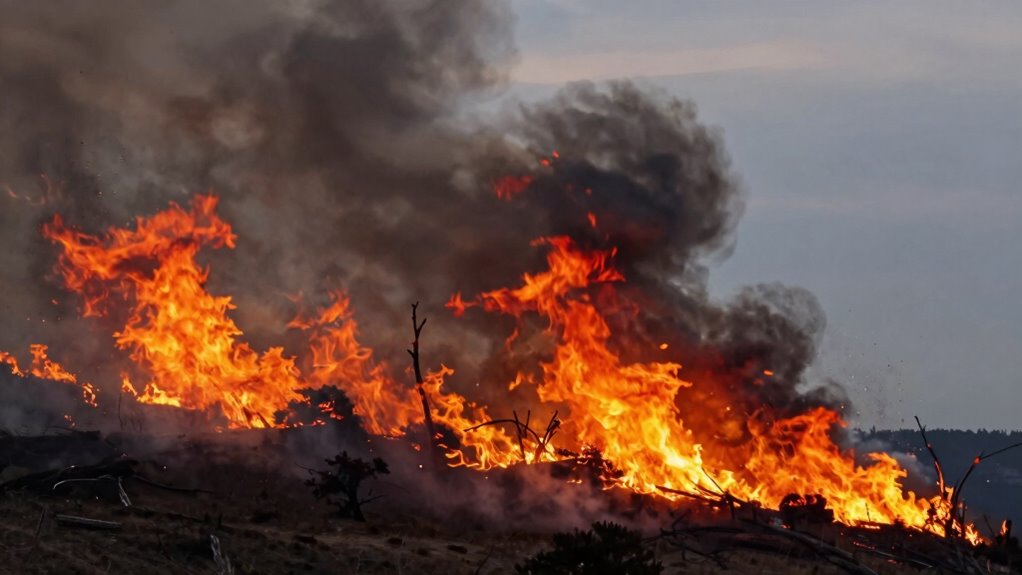
Because of changing environmental conditions, wildfires are now spreading faster and burning differently than in the past. Higher temperatures and drier conditions create ideal conditions for rapid fire spread, challenging traditional fire suppression methods. As fires grow more intense, they can outrun suppression efforts, making firefighter safety a top priority. Rapid fire behavior puts crews at greater risk, forcing them to adapt quickly and use new strategies to contain blazes. The altered fire dynamics mean that what once worked for containment no longer applies in many cases. You need to stay alert, follow safety protocols, and understand that these fires behave unpredictably, requiring flexible, innovative responses to protect both communities and firefighting personnel. Understanding fire behavior is crucial for developing effective response strategies in these changing conditions.
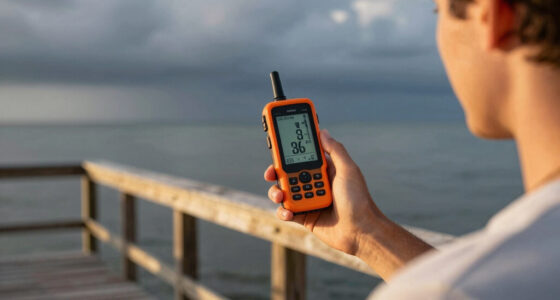
wildfire early detection sensors
As an affiliate, we earn on qualifying purchases.
As an affiliate, we earn on qualifying purchases.
Emerging Hotspot Patterns and Unexpected Flare-Ups
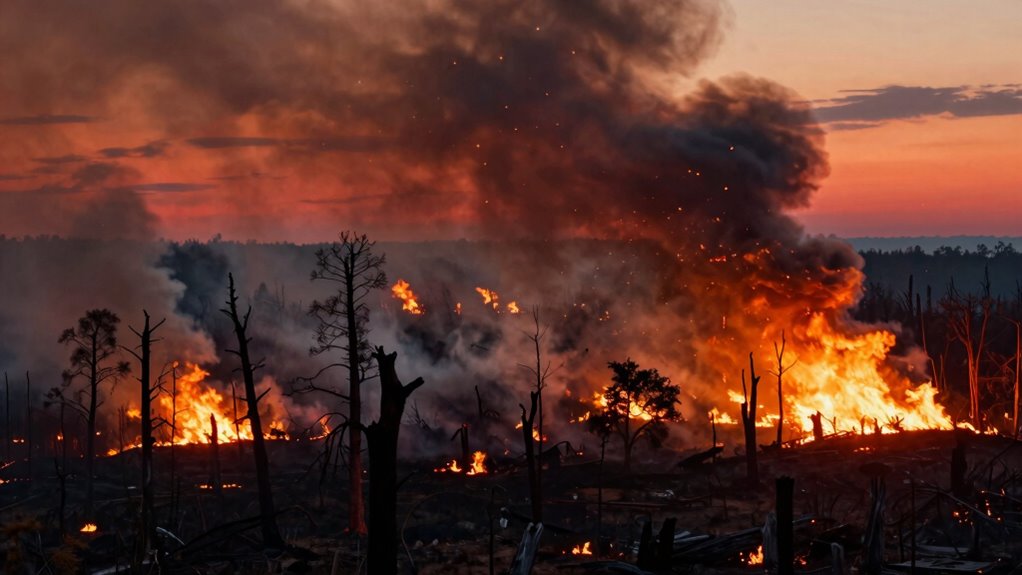
Recent wildfire patterns reveal new hotspots that emerge unexpectedly, catching firefighters off guard and complicating containment efforts. These unpredictable flare-ups force you to rethink fire suppression strategies, as traditional methods may no longer be effective against rapidly shifting fire behavior. You must stay alert to emerging hotspots to prevent them from spreading further. Unexpected flare-ups also challenge evacuation planning, requiring you to adapt quickly to sudden changes in fire direction or intensity. Recognizing these patterns helps you allocate resources more effectively and prioritize high-risk areas. As wildfires behave differently, staying informed on emerging hotspots becomes vital to safeguarding communities and minimizing damage. Preparedness and flexibility are essential in responding to these evolving wildfire dynamics.
As an affiliate, we earn on qualifying purchases.
How Winds and Weather Conditions Affect Wildfire Spread
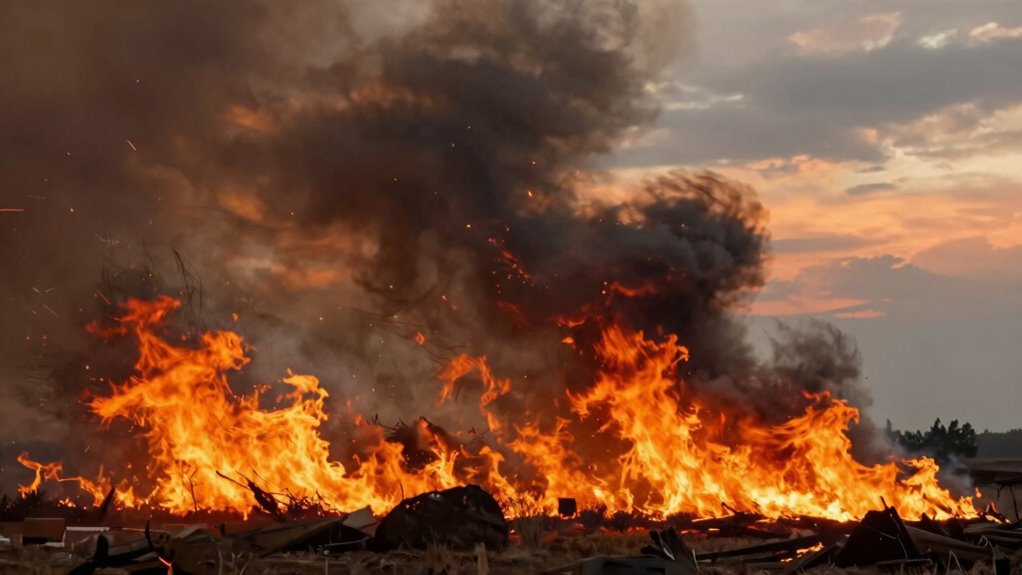
Winds can dramatically influence how quickly a wildfire spreads, pushing flames in new directions and intensifying the fire. Weather patterns, like humidity and temperature, also play a key role in fire behavior. Understanding how wind intensity, direction, and weather conditions work together helps you better anticipate wildfire movements. Additionally, fire behavior can change rapidly depending on these environmental factors. Recognizing the importance of outdoor weather conditions allows for better preparedness and response strategies in wildfire-prone areas. Moreover, being aware of fire suppression techniques can improve firefighting efforts and containment success. Staying informed about climatic influences can further enhance understanding of wildfire dynamics and support more effective mitigation efforts. For example, recent studies on Rhythm Failure have shown how dynamic environmental factors can lead to unexpected changes in fire behavior, emphasizing the need for adaptable response plans.
Wind Intensity and Direction
Wind intensity and direction play a crucial role in determining how quickly and unpredictably a wildfire spreads. Strong, gusty winds can cause firestorm amplification, making fires burn hotter and faster, often creating dangerous, towering flames. Wind direction influences the fire’s path, guiding its spread across landscapes and igniting new areas. Sudden shifts in wind, known as wind shear, can cause unpredictable fire behavior, creating spot fires ahead of the main blaze and complicating firefighting efforts. When winds are intense and change direction rapidly, they can turn a controlled burn into an uncontrollable inferno within minutes. Additionally, Free Floating wind patterns can create unpredictable fire behavior, making it even more challenging for firefighters to contain the blaze. As a result, understanding wind patterns is essential for predicting fire behavior and ensuring safety during wildfire events.
Weather Patterns and Fire Behavior
Weather patterns like temperature, humidity, and atmospheric pressure profoundly influence wildfire behavior, often working together to either suppress or intensify a blaze. High temperatures and low humidity dry out fuels, making fires spread rapidly, while shifts in atmospheric pressure can create wind shifts that challenge fire suppression efforts. Wind speed and direction play critical roles, pushing flames into new areas and complicating firefighting techniques. Understanding these weather conditions allows firefighters to adapt their strategies effectively, whether by establishing control lines or deploying aerial suppression. Additionally, weather forecasts help predict fire behavior, enabling better resource allocation and safer fire suppression. Recognizing how weather patterns affect fire spread is essential for managing wildfires, especially as changing climate conditions lead to more unpredictable and intense fire behavior.
The Role of Vegetation and Land Use in Wildfire Dynamics
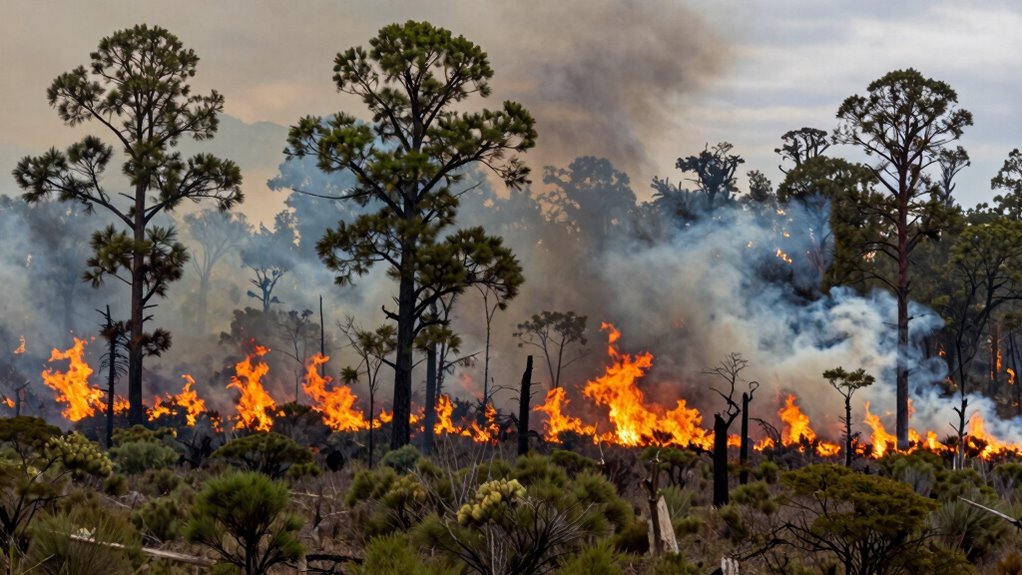
Your choice of vegetation and land use crucially influences wildfire behavior. Different plant types have varying levels of flammability, and land management practices can either reduce or escalate fire risks. Proper piercing care and hygiene can prevent infections that might complicate recovery from injuries sustained during wildfires. Additionally, maintaining healthy ecosystems can act as natural firebreaks, reducing the speed and intensity of wildfires. The urban-wildland interface increases vulnerability, making thoughtful planning essential for fire resilience. Proper precious metal investments can also serve as a financial hedge against wildfire-related economic disruptions. Recognizing the importance of land management strategies can help communities implement practices that mitigate fire severity and spread. Furthermore, understanding the fire ecology of an area can inform better land use decisions to minimize wildfire impacts.
Vegetation Types and Flammability
Vegetation type plays a crucial role in wildfire behavior because different plants have varying levels of flammability. Some vegetation, like dry grasses and resinous trees, ignite easily due to low plant moisture, increasing fire spread. Others, such as green shrubs or moist forests, resist ignition longer. The composition of vegetation influences how quickly a fire intensifies and spreads across an area. Understanding vegetation flammability helps predict wildfire behavior and plan effective responses. You should consider:
- How dry, dead plant material accelerates fire spread
- The impact of dense, resin-rich trees on fire intensity
- The role of moist, green vegetation in slowing down flames
Land Management Practices Impact
Land management practices substantially influence wildfire behavior by shaping the distribution and health of vegetation. When land is poorly managed, overgrowth or invasive species increase fire risk, while healthy land reduces it. Proper thinning and controlled burns decrease fuel loads, lowering soil erosion and maintaining soil stability. Conversely, neglect can lead to dense, unchecked vegetation that fuels rapid fires. Firefighting technology improves as land management practices evolve, allowing better access and suppression methods. Visualize this impact with the following:
| Vegetation Density | Soil Stability | Firefighting Access |
|---|---|---|
| Dense, overgrown | Eroded, loose | Difficult terrain |
| Managed, sparse | Stable, firm | Easier to reach |
| Invasive species | Unstable | Challenging routes |
| Healthy growth | Well-anchored | Clear pathways |
Smart land use reduces wildfire severity and aids firefighting efforts.
Urban-Wildland Interface Risks
Managing vegetation and land use at the urban-wildland boundary directly affects wildfire risks. As urban expansion pushes into natural areas, the interface becomes more vulnerable. Dense vegetation near homes and infrastructure can act as fuel, increasing fire intensity and spread. Proper land management, such as creating defensible spaces and reducing invasive plants, helps protect communities. Additionally, land use planning should prioritize infrastructure resilience, ensuring buildings and roads withstand fire exposure. By controlling vegetation and limiting development in fire-prone zones, you lower risks and improve safety. Implementing best practices for wildfire mitigation can further reduce the threat posed by wildfires. Effective vegetation management plays a crucial role in reducing fire spread and safeguarding communities, especially when considering the importance of community engagement in wildfire prevention efforts. Incorporating fire-resistant landscaping techniques can also significantly decrease ignition sources near structures. Utilizing vegetation management techniques effectively can help break the fire’s fuel continuity, reducing overall wildfire danger.
Innovations in Wildfire Prediction and Fighting Strategies
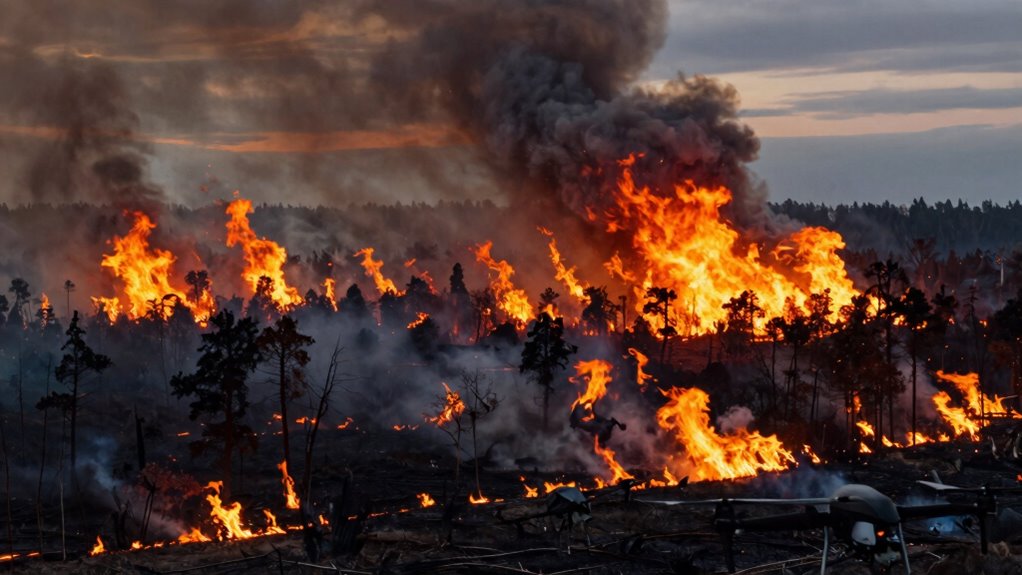
Recent advances in technology are transforming how we predict and combat wildfires, making strategies more effective and timely. New tools like satellite imaging, drone surveillance, and predictive modeling help responders identify fire risks earlier and track wildfire behavior in real-time. These innovations improve fire suppression efforts by allowing crews to deploy resources more efficiently and target hotspots precisely. Enhanced communication systems ensure emergency response teams coordinate seamlessly, reducing delays and increasing safety. Automated sensors detect changes in temperature and smoke, providing immediate alerts. Additionally, integrating AI Ethicist Jobs can help ensure that the deployment of these technologies aligns with ethical standards and public trust. The use of thermal imaging technology allows firefighters to see through smoke and darkness, significantly improving situational awareness. Moreover, advances in data analytics enable better understanding of fire patterns and risk factors, allowing for more proactive prevention measures. Implementing early warning systems further enhances preparedness by alerting communities before fires escalate. These cutting-edge fire detection tools help responders act swiftly to contain wildfires before they grow uncontrollable. Overall, these technological advancements empower you to respond faster, contain fires more effectively, and protect communities better. With continuous innovation, wildfire management becomes more proactive, potentially saving lives and minimizing ecological and property damage.
Where Are Wildfires Hottest Now? The New Risk Zones
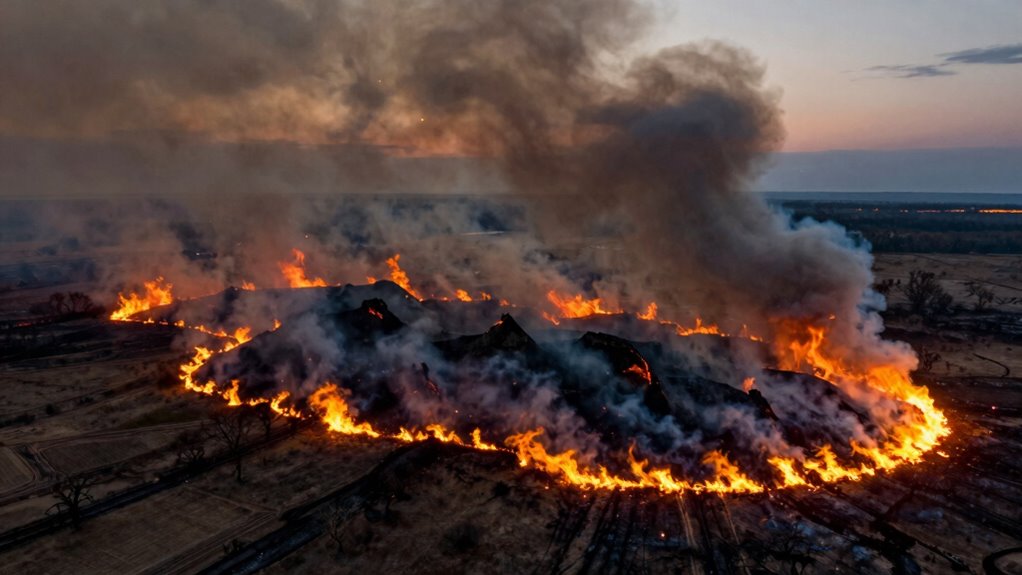
Advances in wildfire prediction and surveillance are revealing shifting patterns in fire activity, highlighting new risk zones. You’ll notice that areas once considered safe are now increasingly vulnerable due to urban encroachment and climate change. These zones often include suburban fringes and wildland-urban interfaces where development meets natural landscapes. Fire behavior has changed, demanding smarter firefighting technology to keep up.
Wildfire risks are shifting toward suburban edges due to urban growth and climate change.
- Suburban outskirts are becoming prime wildfire zones, risking homes and lives.
- Forest edges near cities face higher ignition risks from human activity.
- Improved firefighting tech, like drones and sensors, helps monitor these evolving hotspots more effectively.
Understanding where wildfires are hottest now helps you stay alert and prepared, especially in areas experiencing rapid development or where firefighting resources are stretched thin. The landscape’s new risk zones call for heightened awareness.
What Communities Can Do to Prepare for Changing Wildfire Threats
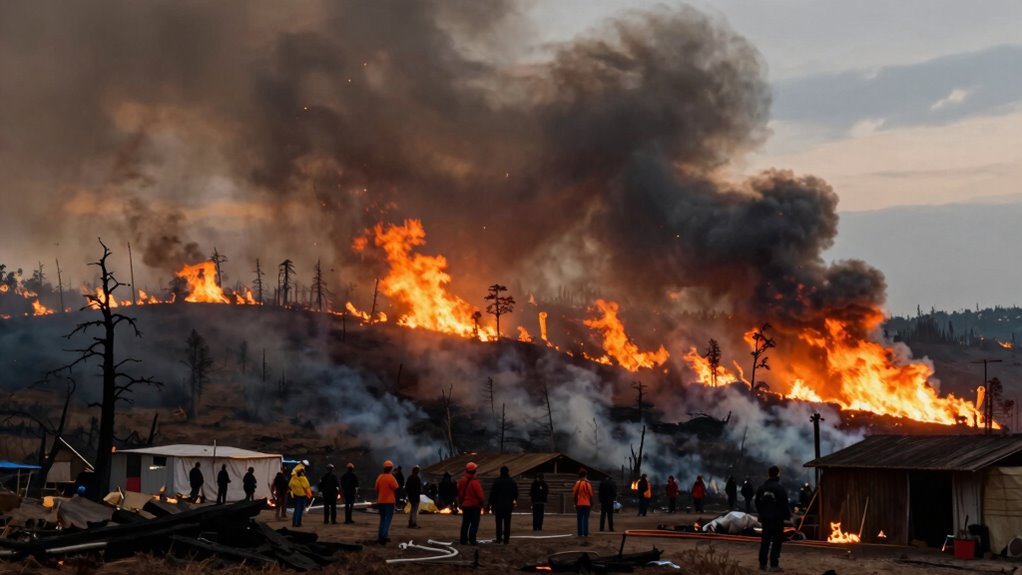
As wildfire risks shift toward suburban and urban interfaces, communities must take proactive steps to prepare effectively. Start by developing clear community evacuation plans, ensuring everyone knows how to leave quickly and safely when wildfire danger rises. Create defensible spaces around homes by removing dead vegetation and using fire-resistant materials. Encourage residents to review and update their wildfire insurance policies, so they’re financially protected if their property is affected. Promote awareness campaigns about wildfire behavior changes and the importance of early warning systems. Coordinate with local agencies to conduct drills and improve communication channels. By taking these steps, you can help your community respond swiftly and minimize damage during changing wildfire conditions. Preparedness saves lives and preserves property.
Frequently Asked Questions
How Are Firefighting Techniques Evolving to Address Changing Wildfire Behaviors?
You’ll see firefighting techniques evolving through enhanced firefighter training that emphasizes understanding new wildfire behaviors. Crews now use advanced tools and methods, like controlled burns, to reduce fuel loads and create defensible spaces. These proactive measures help manage unpredictable fires. Additionally, technology such as drones and thermal imaging assist in early detection and strategic planning, making firefighting more effective against the changing nature of wildfires.
What Are the Long-Term Ecological Impacts of More Intense Wildfires?
Imagine scorched earth where soil degradation strips away nutrients, leaving the land sterile and vulnerable. With more intense wildfires, ecosystems face lasting damage, making it easier for invasive species to take hold. This shift disrupts native plant and animal populations, altering habitats for generations. Over time, these ecological changes weaken resilience, threatening biodiversity and the health of the environment you rely on, creating a cycle of degradation that’s hard to reverse.
How Does Urban Development Influence Wildfire Risk and Spread?
Urban sprawl increases your wildfire risk by putting more structures near fire-prone areas. As development expands into wildlands, fires can spread rapidly through communities, threatening lives and property. You weaken infrastructure resilience by overloading firefighting resources and complicating evacuation routes. To reduce risk, you should promote smarter urban planning, maintain defensible spaces, and invest in resilient infrastructure that can withstand and contain wildfires more effectively.
Are There New Technologies Improving Wildfire Detection and Monitoring?
Yes, new technologies like satellite surveillance and drone technology are improving wildfire detection and monitoring. Satellite surveillance provides real-time images and thermal data, helping you spot fires early, even from space. Drones offer close-up views and rapid response capabilities, allowing you to assess fire behavior and hotspots quickly. These tools enable you to react faster, plan better, and ultimately reduce wildfire damage, saving lives and property.
What Policies Are Being Implemented to Mitigate Wildfire Risks Effectively?
Are you wondering how policies are tackling wildfire risks? Policy reforms focus on stricter land management, controlled burns, and enhanced building codes. Community engagement plays a crucial role by educating residents and encouraging participation in prevention efforts. These strategies work together to reduce wildfire impacts. By implementing effective policies and involving communities, authorities can better protect lives and property while adapting to changing wildfire behaviors.
Conclusion
As wildfires become more unpredictable, understanding these changing patterns is essential. Did you know that since the 1980s, the length of the wildfire season in some regions has increased by nearly 2.5 months? Staying informed and prepared helps you adapt to these shifts. By paying attention to emerging hotspots and weather trends, you can better protect your community and environment from the increasing threat of wildfires.