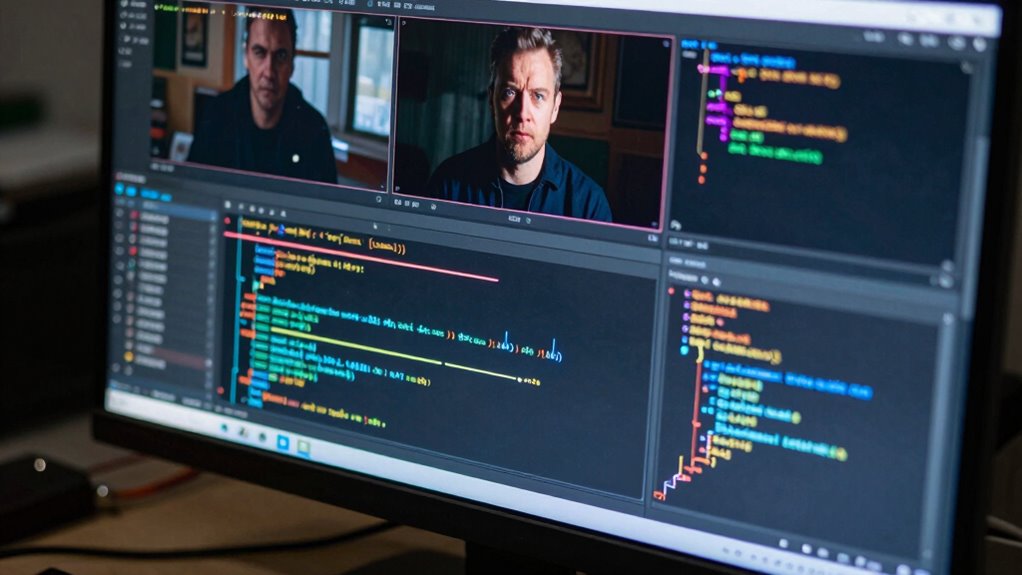

Deepfakes are created using advanced AI algorithms, like neural networks, trained on large datasets of images and videos. These models analyze and mimic faces, voices, and expressions to produce realistic, manipulated content. Tools like GANs and autoencoders help swap faces or sync lips accurately. Recognizing signs like inconsistent movements or lighting can help identify deepfakes. To understand more about this fascinating technology, keep exploring how it all works behind the scenes.
Key Takeaways
- Deepfakes are created using AI techniques like GANs and autoencoders to manipulate images and videos realistically.
- They analyze large datasets to learn facial features, expressions, and voice patterns for convincing synthesis.
- The process involves collecting source footage, training neural networks, and seamlessly swapping faces or voices.
- Detection methods include checking for lip sync errors, unnatural blinking, inconsistent lighting, and facial asymmetries.
- Ethical concerns arise from potential misuse, privacy violations, and the need for responsible handling of deepfake technology.

Deepfake and Image Forgery Detection: Cybersecurity, Multimedia Forensics, Image Manipulation (De Gruyter STEM)
As an affiliate, we earn on qualifying purchases.
As an affiliate, we earn on qualifying purchases.
How Deepfakes Are Made: A Beginner’s Guide
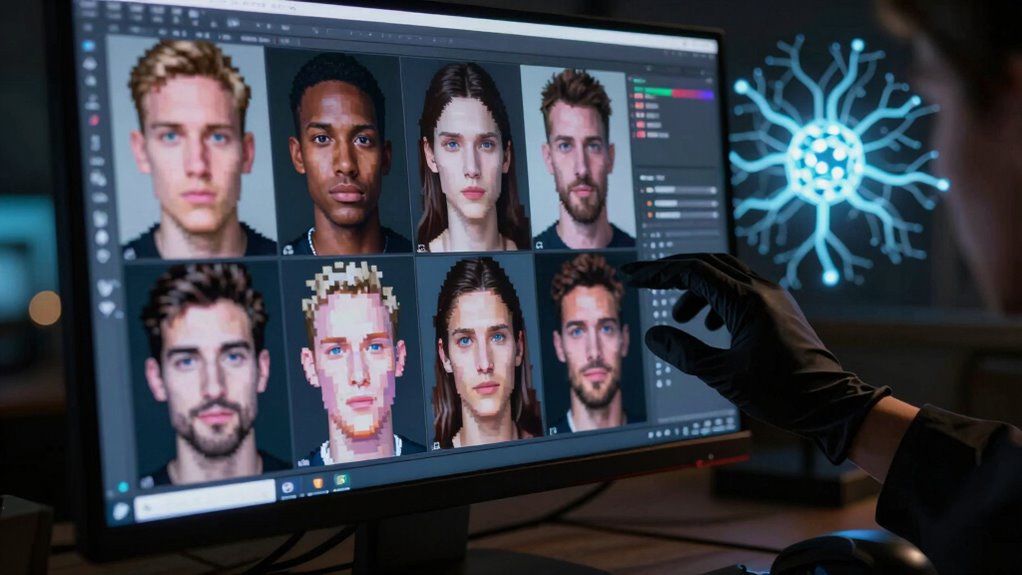
Deepfakes are created using advanced artificial intelligence techniques that manipulate images and videos to produce realistic but fake content. As you explore their creation, you’ll see how ethical implications come into play, especially regarding consent and misinformation. These techniques often involve training neural networks on large datasets to generate convincing visuals. Looking ahead, future developments could make deepfakes even more convincing, raising concerns about their potential misuse. It’s important to understand that while the technology offers creative opportunities, it also challenges societal trust and privacy. By understanding how deepfakes are made, you become more aware of their impact and the need for responsible use as the technology evolves. Staying informed helps you navigate the ethical landscape surrounding this powerful tool. Additionally, understanding the training datasets used in AI development is crucial for recognizing biases and limitations in deepfake creation. Recognizing the computational resources involved can also shed light on the environmental impact of deepfake generation. Moreover, advances in machine learning algorithms continue to shape how realistic these fakes can become, emphasizing the importance of ethical considerations in AI development. Being aware of the training data diversity can help you understand the potential for biased or stereotypical outputs in deepfakes.

Cuttte 4pcs Silicone Face Mask Applicators, Flexible Facial Mud Masks Applicator, Hairless Moisturizers Tools, Soft Facial Brushes for Mud, Clay, Charcoal
Great tool for face mask application. Holds a good amount of product and the silicone is soft feeling…
As an affiliate, we earn on qualifying purchases.
As an affiliate, we earn on qualifying purchases.
How Machine Learning Powers Deepfake Creation
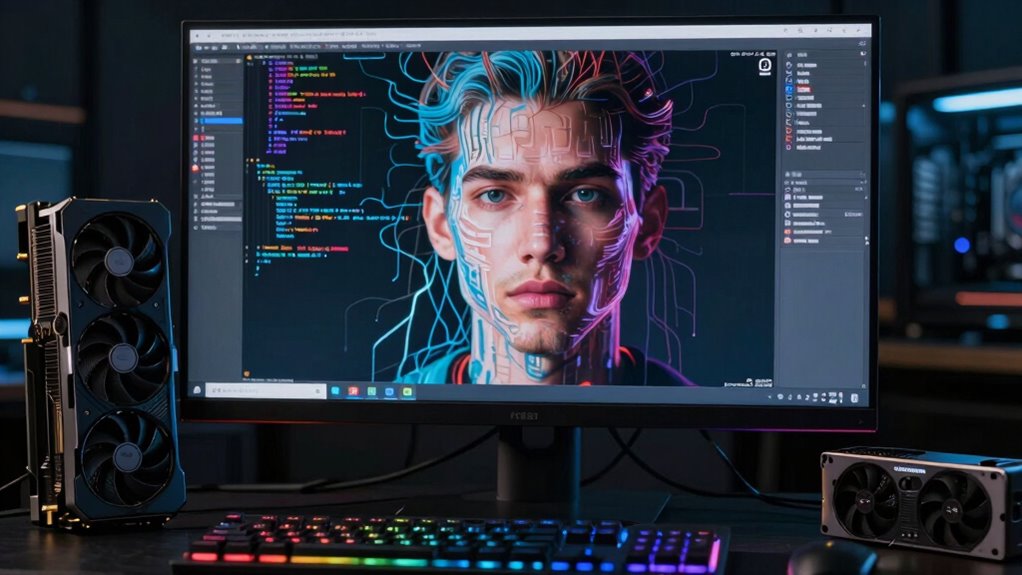
Machine learning is the engine behind deepfake creation, enabling algorithms to analyze and replicate complex visual and audio patterns. By training on vast datasets, these models learn to generate realistic images, voices, and expressions, making deepfakes increasingly convincing. As you explore this technology, it’s important to consider the ethical implications—such as misinformation, privacy violations, and manipulation. Machine learning advances continually, promising future improvements in realism and accessibility, but also raising concerns about misuse. You should stay informed about how these tools evolve and the safeguards needed to prevent harm. Ultimately, understanding how machine learning powers deepfakes helps you grasp both their potential and their risks, emphasizing the importance of responsible development and use. For instance, the accuracy of deepfakes depends heavily on the training datasets, which can impact their realism and potential for misuse, and the quality of the algorithmic models used to generate them. Additionally, ongoing research in model training techniques aims to improve the authenticity of synthetic media while addressing ethical challenges. Exploring the biometrics involved in facial recognition can also shed light on how these systems improve or complicate deepfake detection.

Speech Synthesis Module 3.3V TTS Voice Board for Chinese English Text to Sound Supports UART SPI Communication Audio Generator
POWERFUL FUNCTION: SYN6988 adds English text parsing and English voice library, which is a real Chinese English speech…
As an affiliate, we earn on qualifying purchases.
As an affiliate, we earn on qualifying purchases.
The Tools and Algorithms Used to Create Deepfakes
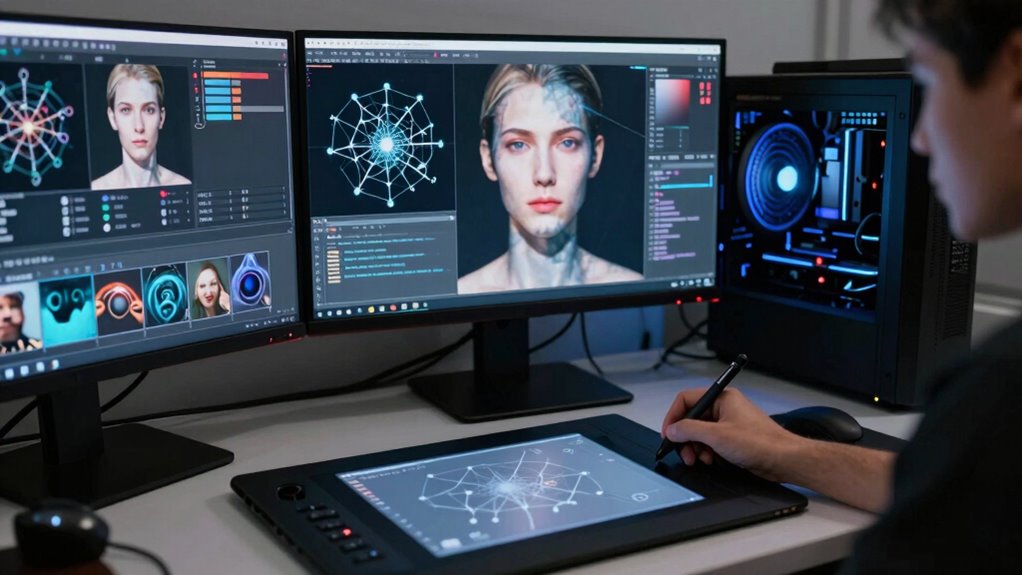
Creating deepfakes relies on a variety of specialized tools and algorithms designed to manipulate and synthesize visual and audio data. These tools often use deep learning models like Generative Adversarial Networks (GANs) and autoencoders to generate realistic images and voices. You’ll find software that automates face swapping, lip-syncing, and voice imitation, making fake content increasingly convincing. However, the use of such tools raises significant AI ethics questions, especially around consent and authenticity. Privacy concerns also emerge as deepfakes can be created without victims’ knowledge or approval, potentially leading to misuse or defamation. While these algorithms empower creators, they also demand responsible handling to prevent harm and ensure the technology’s ethical application.

The Ultimate AI Toolbox: Essential Tools & Frameworks for Building, Deploying, and Scaling AI Solutions: A Comprehensive Guide to the Best Tools for … Model Training to Deployment and Optimization
As an affiliate, we earn on qualifying purchases.
As an affiliate, we earn on qualifying purchases.
Step-by-Step: Making a Deepfake Video
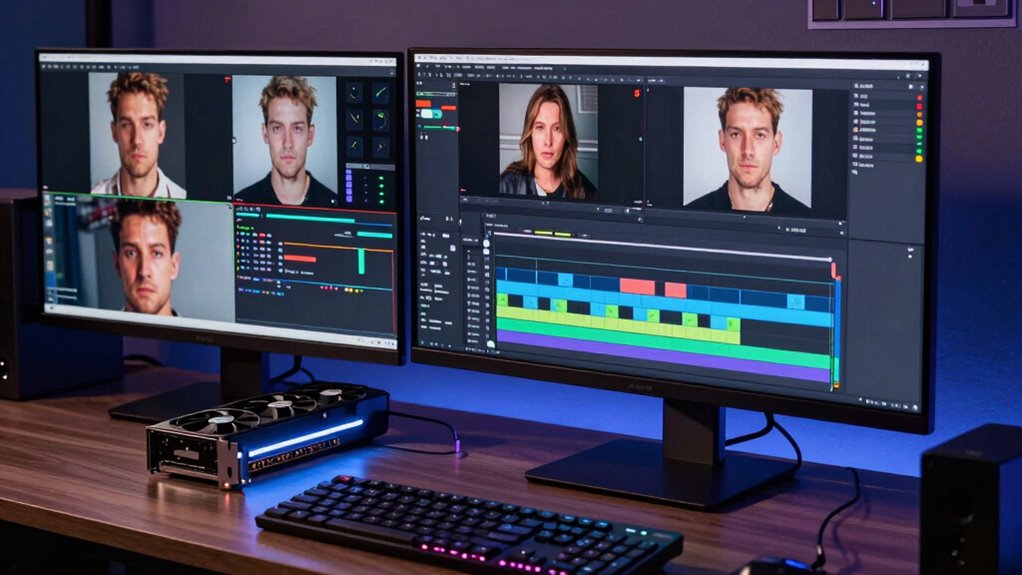
Making a deepfake video involves several careful steps, starting with gathering source footage and images of the person you want to imitate. You then use specialized software to train an AI model, which learns facial features, expressions, and movements. As you work, consider ethical considerations—it’s vital to understand the potential harm and respect privacy. You also need to be aware of legal implications, since creating or sharing deepfakes without consent can lead to serious consequences. Once the model is trained, you can swap the face onto another video, ensuring seamless blending for realism. Throughout the process, stay mindful of responsible use to avoid misuse or spreading misinformation. Remember, your actions in creating deepfakes carry significant ethical and legal weight. Additionally, understanding the underlying technology can help you make more informed decisions about the capabilities and limitations of deepfake creation. Familiarizing yourself with Vibe coding techniques can further enhance your ability to manipulate multimedia content responsibly. Developing a solid grasp of deepfake detection methods is also essential to stay ahead of misinformation challenges. Exploring the history of pinball machines can provide valuable insights into how technological innovations evolve over time, similar to advancements in deepfake technology. Being aware of the thermal behavior of the software and hardware involved can also improve the efficiency and safety of your deepfake projects.
How to Spot a Deepfake: Simple Detection Techniques
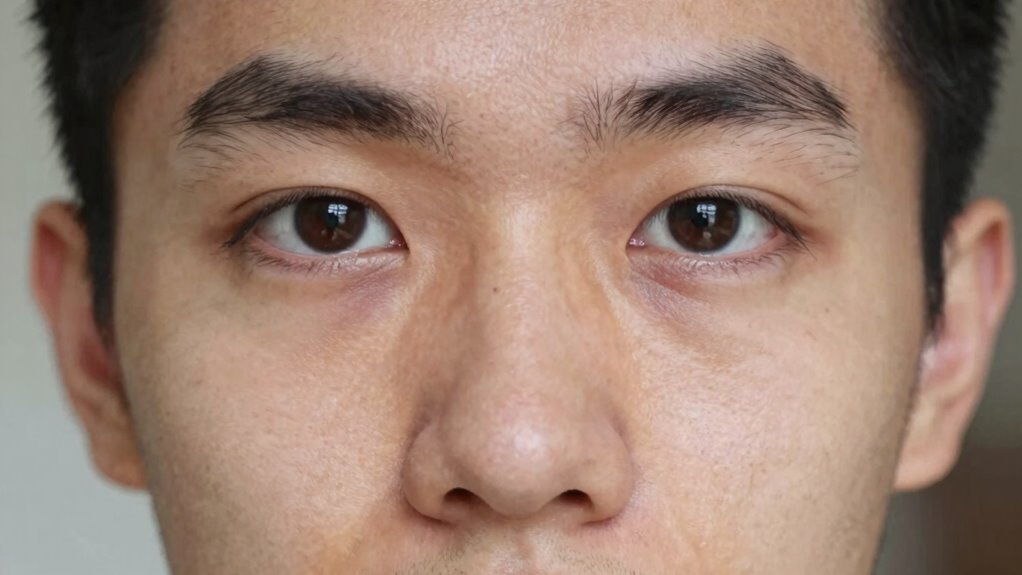
While deepfakes can be highly convincing, there are simple techniques you can use to spot them. One common sign is lip sync errors, where the person’s mouth movements don’t match the audio perfectly. Pay close attention to whether the lips move naturally or seem out of sync. Additionally, look for inconsistent lighting or shadows on the face that don’t match the surrounding environment. These discrepancies often occur because deepfakes are generated frame by frame and may overlook subtle lighting details. Keep an eye out for unnatural blinking or facial expressions that seem forced or robotic. Recognizing visual cues can help you identify manipulated videos more effectively. Sometimes, subtle facial asymmetries may be present, as deepfake algorithms struggle to perfectly replicate natural facial features. By staying alert to these visual clues, you can better identify manipulated videos and avoid falling for deepfake deception. Recognizing canine affection and love cues, such as eye contact and physical closeness, can also help distinguish genuine human expressions from manipulated content.
Frequently Asked Questions
Can Deepfakes Be Used for Positive or Ethical Purposes?
Yes, deepfakes can be used for positive or ethical purposes. You might use them for ethical applications like creating realistic training simulations, enhancing entertainment experiences, or helping in therapy and education. When handled responsibly, deepfakes can serve positive use cases that benefit society. It’s important to guarantee transparency and consent, so their positive use aligns with ethical standards and avoids harm or misinformation.
How Long Does It Typically Take to Create a Convincing Deepfake?
Creating a convincing deepfake can take anywhere from a few hours to several weeks, depending on your experience and project complexity. You’ll need to spend time on video editing and data training, which involves collecting and processing large amounts of facial data. If you’re skilled, you might produce a realistic deepfake faster, but for beginners, it’s essential to allocate enough time to refine the results and avoid obvious flaws.
Are There Any Legal Consequences for Making or Sharing Deepfakes?
Yes, making or sharing deepfakes can lead to serious legal consequences. You might face liability issues if your deepfake causes harm, spreads misinformation, or infringes on privacy rights. Sharing such content without consent can also violate privacy laws, resulting in fines or lawsuits. Always consider the ethical and legal implications before creating or distributing deepfakes, as authorities are increasingly scrutinizing and penalizing misuse of this technology.
What Advancements Are Being Made to Improve Deepfake Detection?
You’ll see advancements in deepfake detection through AI transparency and biometric analysis. Researchers are developing AI systems that openly share how they identify fakes, making detection more reliable. Biometric analysis helps by scrutinizing facial features and voice patterns to spot inconsistencies. These improvements make it harder for deepfakes to slip through, empowering you to better recognize manipulated content and protect yourself from misinformation.
How Vulnerable Are Ai-Generated Deepfakes to Being Reversed or Corrected?
AI-generated deepfakes are somewhat vulnerable to correction methods that can reverse or modify their content. Advanced deepfake vulnerabilities include detection and editing techniques, making it possible to identify and correct manipulated videos. You can use specialized software to analyze inconsistencies or artifacts, helping to reveal or even fix deepfake vulnerabilities. However, as deepfake technology advances, keeping up with effective correction methods becomes essential to prevent deception.
Conclusion
Now that you understand how deepfakes are crafted, you’re like a detective with a secret weapon. These digital illusions are like wolves in sheep’s clothing, hiding behind convincing facades. As technology advances, staying vigilant becomes your superpower. Keep your eyes sharp and your mind curious—you’re now equipped to spot the tricks behind the veneer, traversing a world where nothing is quite what it seems. Stay savvy, and don’t let the fake fool you.