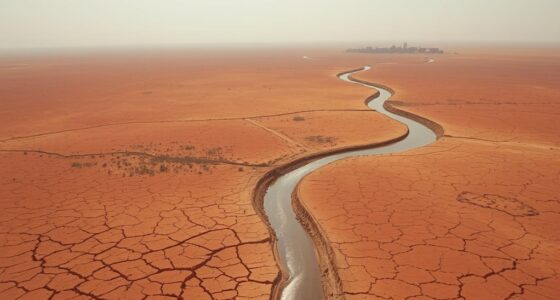

When one species disappears, it can trigger a domino effect that unravels the entire ecosystem. Losing key species, especially keystone ones, disrupts food chains, causes habitat damage, and reduces biodiversity. This weakens the ecosystem’s resilience against environmental changes. Human activities accelerate these losses, pushing ecosystems toward collapse. Protecting and restoring species helps maintain balance and stability. To understand how this chain reaction unfolds and what actions you can take, explore more insights below.
Key Takeaways
- The loss of a keystone species disrupts species interactions, destabilizing the entire ecosystem.
- Species disappearance causes ripple effects in food webs, leading to overpopulation or extinction of other species.
- Habitat fragmentation and reduced biodiversity weaken ecosystem resilience and increase vulnerability to invasive species.
- Reduced pollinators or seed dispersers compromise plant reproduction, affecting food sources for many organisms.
- Ecosystem collapse accelerates without biodiversity, threatening ecological balance and long-term environmental stability.

Beavers: An Adult Coloring Book (Keystone Species Adult Coloring Books)
As an affiliate, we earn on qualifying purchases.
As an affiliate, we earn on qualifying purchases.
What Are Keystone Species and Why Are They Vital?
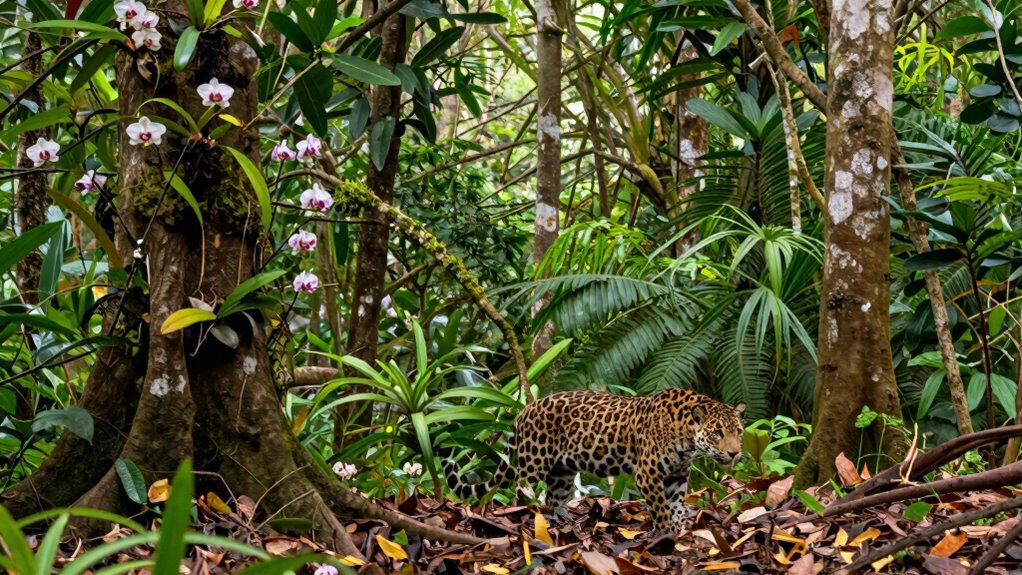
Keystone species play an essential role in maintaining the balance of their ecosystems because their presence or absence directly affects many other organisms. They shape species interactions that keep the ecosystem functioning smoothly. Without these influential species, the delicate ecological balance can break down, causing unintended consequences. For example, a predator that controls prey populations prevents overgrazing and habitat destruction. Similarly, a plant species that provides essential food or shelter supports a variety of animals. Your understanding of keystone species highlights how specific roles in nature are fundamental for ecosystem stability. If these species disappear, the interconnected web of life begins to unravel, leading to a cascade of changes that can threaten entire ecosystems. Their importance cannot be overstated in preserving ecological harmony. Additionally, species interactions are crucial for understanding how ecosystems respond to changes, emphasizing the importance of protecting keystone species.

A Radiant Earth: Tools for restoring balanced ecosystems to regenerate and reconnect with the planet.
As an affiliate, we earn on qualifying purchases.
As an affiliate, we earn on qualifying purchases.
How Losing a Species Disrupts Food Chains
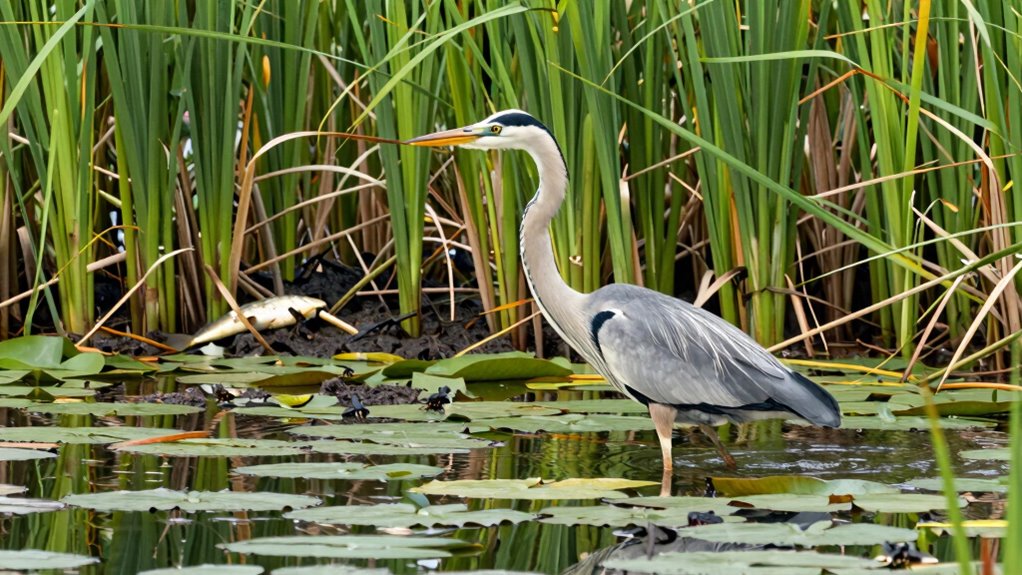
When a species disappears from an ecosystem, it can cause a ripple effect that disrupts the entire food chain. For example, the loss of pollinators like bees affects pollination services, which are essential for many plants to reproduce. Without these plants, herbivores that rely on them for food decline, impacting predators higher up the chain. Additionally, the absence of certain species reduces genetic diversity, making ecosystems more vulnerable to diseases and environmental changes. This imbalance can lead to overpopulation of some species and the extinction of others, destabilizing the entire food web. The decline of key species also affects essential ecological processes, further weakening ecosystem resilience. Moreover, the loss of a single species can diminish overall biodiversity, which is crucial for ecosystem stability. You might not see it immediately, but the disappearance of one species can set off a chain reaction that jeopardizes the stability and resilience of the whole ecosystem. This highlights the importance of conservation efforts to maintain species diversity and protect ecological balance.

Burpee Wildflower 25,000 Bulk, 1 Bag, 18 Varieties of Non-GMO Flower Seeds Pollinator Garden, Pollinator Mix
Pollinator Seed Mix: Burpee's Wildflower Seeds Mix Will Attract Bees, Butterflies, Hummingbirds, And More Beneficial Pollinators To Your…
As an affiliate, we earn on qualifying purchases.
As an affiliate, we earn on qualifying purchases.
Real-World Examples of Ecosystem Collapse

One striking example of ecosystem collapse is the decline of the Amazon rainforest, driven by deforestation, illegal logging, and climate change. When invasive threats or species introductions occur, they can destabilize the delicate balance. For instance, non-native plants or animals may outcompete native species, reducing biodiversity and altering habitats. This ripple effect can cause species extinctions and weaken ecosystem resilience. Recognizing the importance of biodiversity is crucial for understanding how these disruptions impact the overall health of ecosystems. Additionally, research shows that lifevest advisors emphasize the need for ecosystem preservation to prevent such collapses from triggering broader environmental crises.

Pajean 13 Pcs Science Posters Classroom Decorations for Middle High School Ecosystems Bulletin Board Banner Ecosystems Teaching Posters Science Biodiversity Classroom Bulletin Board Decor
Package Includes: you will receive 13 pieces of ecosystems teaching posters, measuring 14.2 inches x 11 inches /…
As an affiliate, we earn on qualifying purchases.
As an affiliate, we earn on qualifying purchases.
How Species Extinction Leads to Habitat Degradation
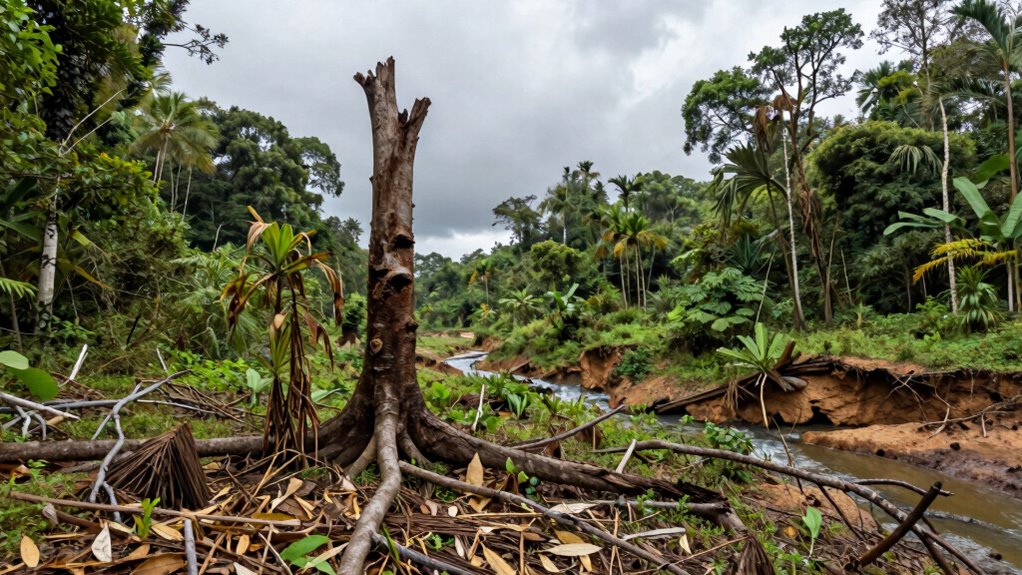
As species become extinct, the delicate balance of their habitats starts to unravel, leading to significant environmental changes. When key species disappear, habitats often suffer from fragmentation, breaking large ecosystems into smaller, isolated patches. This fragmentation reduces biodiversity and disrupts natural processes like pollination and nutrient cycling. At the same time, the vacancy left by extinct species creates opportunities for invasive species to take hold. These non-native species can outcompete native ones, further degrading the habitat. Over time, this cycle accelerates habitat degradation, making ecosystems less resilient and more vulnerable to erosion, pollution, and climate impacts. Additionally, the loss of species can diminish the effectiveness of ecosystem services, which are vital for supporting human well-being. The decline of biodiversity also weakens the system’s ability to recover from environmental stresses. Recognizing the importance of conservation efforts is essential for maintaining habitat integrity and stopping this destructive domino effect. Protecting native species is crucial to preserving ecosystem stability and preventing further degradation. Your actions that prevent species loss are crucial to maintaining habitat integrity and stopping this destructive domino effect.
Why Biodiversity Is Key to Ecosystem Resilience

Biodiversity is the backbone of a resilient ecosystem because a wide variety of species guarantees stability and adaptability in the face of environmental changes. Genetic diversity within species enhances their ability to withstand pests, diseases, and climate fluctuations. When ecosystems maintain high biodiversity, they provide essential ecosystem services like clean water, pollination, and soil fertility, which support human survival and economic activities. These services depend on the complex interactions among diverse species, creating redundancy that safeguards the system if one species declines. Without this diversity, ecosystems become fragile, less able to recover from disturbances, and more likely to collapse. You see, protecting biodiversity isn’t just about saving individual species—it’s about ensuring the resilience and functionality of the entire ecosystem. Ecosystem resilience depends heavily on maintaining diverse biological networks that can adapt to changing conditions and recover from disruptions. Additionally, the loss of key species can trigger a domino effect, leading to widespread ecosystem destabilization.
Human Activities Speeding Up Species Loss
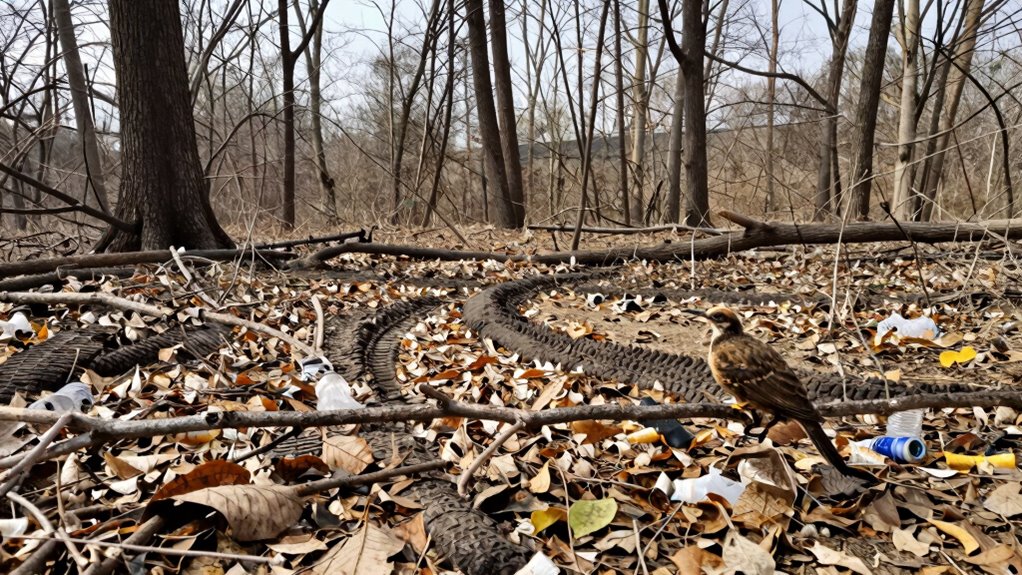
Human activities have accelerated the rate at which species disappear from their natural habitats. Pollution impacts, such as chemicals and plastics, contaminate ecosystems and threaten wildlife survival. Overfishing consequences reduce fish populations faster than they can recover, destabilizing food chains. You may not realize, but these actions also:
- Destroy habitats essential for many species
- Introduce invasive species that outcompete native ones
- Contribute to climate change, further stressing ecosystems
- Disrupt breeding and migration patterns
- Trigger a cascade of extinction events
Each of these factors reduces biodiversity, weakening ecosystem resilience. Your choices and actions directly influence these processes, making it vital to understand how human activities speed up species loss and threaten the delicate balance of nature. Recognizing the importance of ecosystem resilience helps us appreciate the interconnectedness of all living things and the need to protect biodiversity.
Effective Strategies to Protect Ecosystems
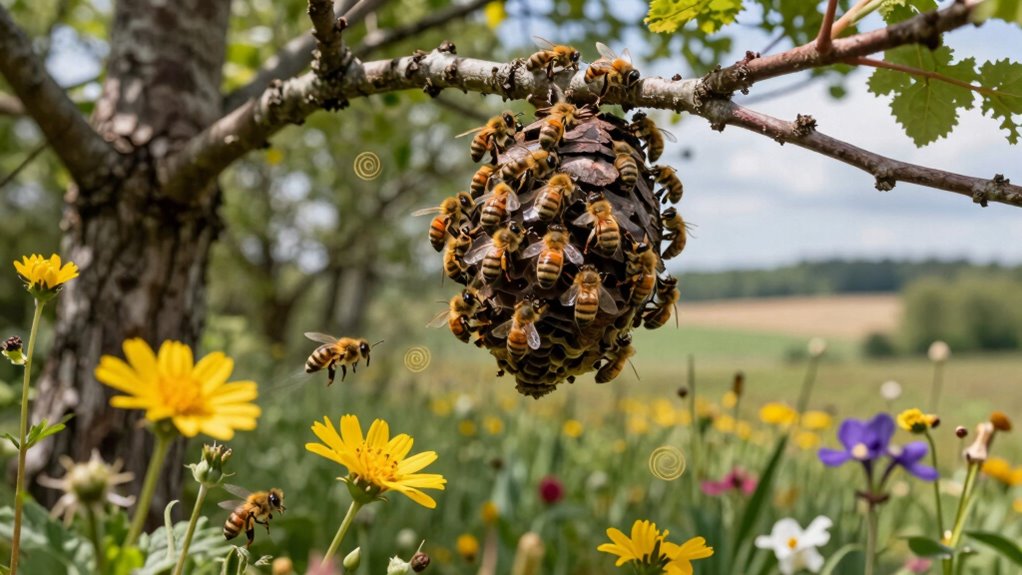
Implementing effective strategies to protect ecosystems requires proactive efforts that address the root causes of species loss. You can combat invasive species by implementing strict biosecurity measures and monitoring programs to prevent their spread. Controlling invasive species helps preserve native plants and animals, maintaining ecosystem stability. Tackling climate change is equally vital; supporting renewable energy initiatives, reducing greenhouse gas emissions, and advocating for policies that limit global warming protect habitats from extreme weather and rising sea levels. Educating communities about sustainable practices encourages responsible land use and conservation efforts. Raising awareness about biodiversity loss is essential to motivate collective action. Restoring natural habitats and creating protected areas also give ecosystems a fighting chance. Incorporating Deaf Vibes techniques into environmental education can enhance communication and awareness campaigns. Additionally, using environmental sensors and other innovative tools can provide real-time data to inform conservation strategies. Employing community engagement approaches can further strengthen local support and participation in conservation efforts. By focusing on these strategies, you can help slow down the unraveling of ecosystems and safeguard biodiversity for future generations. Moreover, utilizing innovative tools like waterproof running watches for outdoor fieldwork can improve data collection in challenging environments, further supporting conservation efforts.
Restoring Key Species to Rebuild Ecosystem Balance
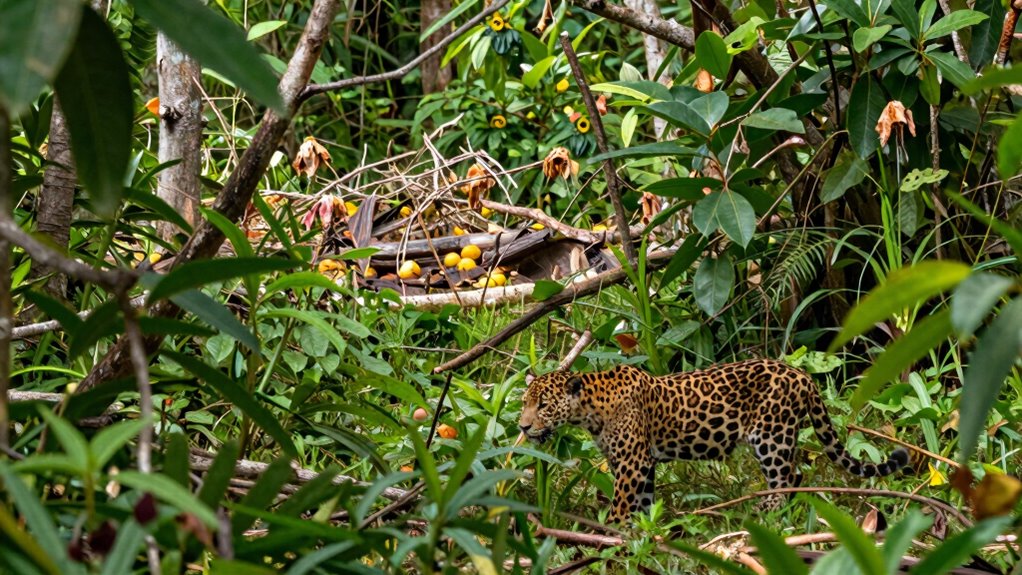
Restoring key species is essential for reestablishing the natural balance within ecosystems. When you reintroduce native species, you help control invasive species that threaten biodiversity. This process boosts genetic diversity, making populations more resilient to diseases and environmental changes. By focusing on keystone species, you support the entire ecosystem’s health, encouraging natural interactions and stability. Restoring these species can also prevent further habitat degradation and ensure food webs remain intact. You might consider programs like captive breeding, habitat restoration, and targeted removal of invasive species to support this effort. Maintaining genetic diversity ensures populations adapt to future challenges. Additionally, fostering conservation efforts around ecological restoration initiatives can increase public engagement and support for ecological restoration initiatives. Implementing appropriate management strategies, such as monitoring and adaptive practices, is crucial for long-term success. Ultimately, restoring key species helps rebuild the intricate web of life, preventing ecological collapse and promoting a healthier planet.
Frequently Asked Questions
How Do Keystone Species Influence Overall Ecosystem Stability?
You might not realize it, but keystone species play a essential role in maintaining ecosystem stability through species interactions. They help regulate populations and support biodiversity, which boosts ecosystem resilience. When keystone species decline or disappear, it can cause a cascade of changes, weakening the ecosystem’s ability to recover from disturbances. Your actions that protect these critical species help preserve the delicate balance and overall health of the environment.
Can Ecosystem Collapse Be Reversed Once a Species Is Lost?
Think of ecosystem collapse like a shattered mirror—you might try to piece it back together, but some cracks are permanent. Once a species is lost, reversing the damage is tough due to restoration challenges and diminished resilience indicators. While targeted efforts can help, full recovery isn’t always possible. Your best bet is early intervention and maintaining biodiversity, because a resilient ecosystem can bounce back more easily from disturbances.
What Role Do Invasive Species Play in Ecosystem Disintegration?
Invasive species, often alien species, play a major role in ecosystem disintegration. They disrupt habitats by outcompeting native species for resources, causing habitat disruption and threatening biodiversity. You might notice how these alien species quickly take over, altering food webs and ecosystem functions. Their unchecked spread accelerates ecological imbalance, making it harder for native species to survive. Managing invasive species is vital to prevent further ecosystem collapse and preserve natural balance.
How Does Climate Change Accelerate Species Extinction Rates?
Climate change speeds up species extinction rates like a runaway train, making it harder for animals and plants to adapt. You see, climate-induced extinctions are driven by rising temperatures, altered weather patterns, and habitat loss, all of which threaten biodiversity. These biodiversity loss drivers push species beyond their limits, causing rapid declines. As a result, entire ecosystems destabilize, threatening the delicate balance that sustains life on Earth.
Are There Successful Case Studies of Ecosystem Recovery After Species Loss?
Yes, there are successful case studies of ecosystem recovery after species loss. You can look at the restoration success in New Zealand’s kauri forests, where conservation strategies helped bring back native species and improve ecosystem health. These efforts show that targeted actions, habitat protection, and community involvement can reverse damage, restoring ecological balance. Your support for conservation strategies plays a crucial role in achieving these positive outcomes and preventing further biodiversity loss.
Conclusion
When one species vanishes, it’s like removing a vital thread from a tapestry—suddenly, everything starts to unravel. You hold the power to protect these delicate webs of life, preventing chaos from spreading like wildfire. By acting now, you can help keep ecosystems strong and vibrant, ensuring they don’t fall apart piece by piece. Remember, your choices can be the spark that keeps the intricate dance of nature alive and thriving.