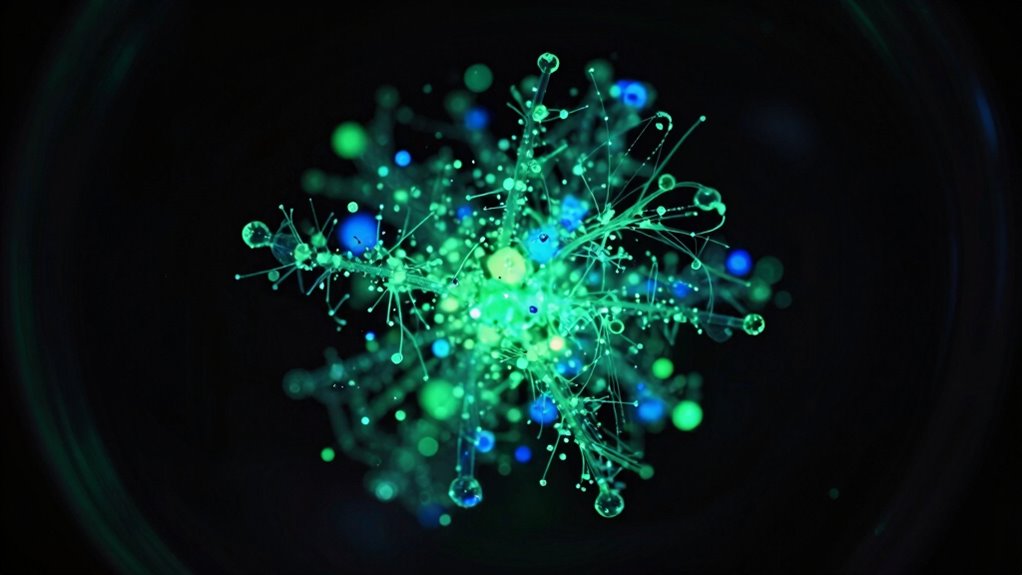

Some chemicals glow in the dark because they absorb energy from light and slowly release it as visible light through phosphorescence. When exposed to light, their molecules trap electrons in higher energy states, especially in a triplet form. Over time, these electrons gradually fall back, emitting a glow. This process makes them shine for minutes or hours after the light source is gone. Keep exploring to understand how different factors influence this fascinating effect.
Key Takeaways
- Some chemicals glow in the dark due to their ability to absorb and store energy from light exposure, then gradually release it as visible light.
- Phosphorescent materials trap electrons in excited states, enabling a slow release of energy and prolonged glowing after light source removal.
- The glow results from electrons transitioning from higher energy states back to their original state, emitting light during this process.
- Chemical composition and crystal structures influence the efficiency, brightness, and duration of the glow in phosphorescent materials.
- Ongoing research improves chemical formulations and structures to create brighter, longer-lasting, and safer glow-in-the-dark chemicals.
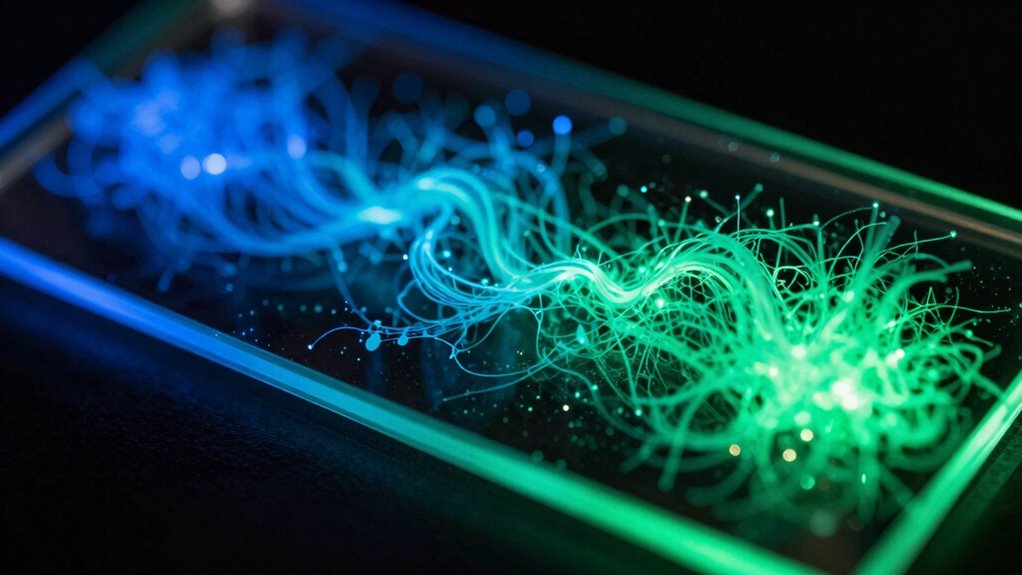
Have you ever wondered how some chemicals can glow in the dark? It all comes down to chemical reactions and the fascinating properties of phosphorescent materials. When certain substances are exposed to light, they absorb energy, which they store temporarily. Later, when the light source is removed, these chemicals release that stored energy gradually, creating a glowing effect. This process is rooted in the way chemical reactions manipulate energy states within molecules, causing them to emit visible light over time.
Phosphorescent materials are specially designed substances that can hold onto this absorbed energy longer than other luminescent compounds. Unlike fluorescent materials, which glow brightly but fade quickly once the light source is gone, phosphorescent ones continue to emit light for minutes or even hours after being energized. This is because their molecules undergo a unique type of chemical reaction that traps the energy in a state called an excited triplet state. It takes a longer time for these molecules to return to their normal state, which produces the slow-release glow characteristic of phosphorescence.
Phosphorescent materials trap energy in an excited triplet state, glowing slowly for hours after initial illumination.
The chemistry behind this glow involves the interaction of electrons within the molecules. When these chemicals are exposed to light—typically ultraviolet or blue light—the electrons jump to higher energy levels. In phosphorescent materials, some of these electrons get trapped in a different energy state, which prevents immediate release of the energy. Over time, they slowly fall back to their original state, releasing energy as visible light. That’s why you see a persistent glow that seems to linger even after the initial light source is gone. Understanding the energy transfer process is crucial to improving the efficiency and duration of glow-in-the-dark materials. This knowledge helps researchers develop new chemical compositions that enhance the glow’s brightness and longevity. Additionally, advancements in understanding the crystal lattice structure of these materials can lead to more durable and brighter applications. Exploring these structural factors can also contribute to innovations in material stability, improving the overall performance of phosphorescent products. Furthermore, ongoing research into the molecular interactions within these materials aims to optimize their efficiency and environmental safety.

Procart Glow in The Dark Pigment,Phosphorescent Glow Powder,3.52 Ounce (100 g),Water Based (Green) (Green)
- Brightest glow intensity: Great glow results with vibrant colors
- Long-lasting glow: Glows twice as long, rechargeable
- Versatile application: Suitable for crafts, nails, and decorations
As an affiliate, we earn on qualifying purchases.
As an affiliate, we earn on qualifying purchases.
Frequently Asked Questions
How Long Does the Glow Last After Activation?
The glow from phosphorescent chemicals typically lasts from a few minutes up to several hours after activation. This duration depends on the chemical reactions involved and the material’s ability to store and slowly release energy. Fluorescence decay occurs rapidly, within seconds, but phosphorescence involves a delayed emission, allowing you to see the glow for an extended period. Factors like light exposure and temperature also influence how long the glow persists.
Are Glowing Chemicals Safe for Children?
Glowing chemicals can be safe for children if labeled as non-toxic and used properly, but you should always check the product’s safety information. Toxicity concerns arise with certain glow-in-the-dark substances, especially if ingested or mishandled. Additionally, consider the environmental impact, as some chemicals may harm ecosystems if disposed of improperly. Always supervise children around these materials and opt for environmentally friendly, child-safe options whenever possible.
Can Glow-In-The-Dark Chemicals Be Used Outdoors?
Yes, you can use glow-in-the-dark chemicals outdoors, but you should consider their environmental impact carefully. Exposure to weather and sunlight can diminish their glow over time. In industrial applications, these chemicals are designed to withstand outdoor conditions. However, for personal or recreational outdoor use, verify the chemicals are eco-friendly and safe, minimizing potential harm to plants, animals, and water sources. Always follow safety guidelines to protect the environment.
What Is the Most Common Chemical Used for Glowing?
You might think a rare compound makes things glow, but the most common chemical used is phosphorescent zinc sulfide. It’s amusing how a simple chemical’s luminescent properties rely on chemical reactions that trap energy, releasing it slowly as light. This glow-in-the-dark magic results from zinc sulfide’s ability to store and emit photons, making it a popular choice for glow products. Ironically, this ordinary chemical creates extraordinary nighttime effects.
Do All Phosphorescent Materials Glow Equally?
Not all phosphorescent materials glow equally because their chemical reactions and light absorption abilities vary. Some chemicals absorb light more efficiently and store energy longer, resulting in a brighter, longer-lasting glow. Others might absorb less light or release energy quickly, producing a dimmer, shorter glow. Your perception of glow intensity depends on these factors, making some phosphorescent materials stand out more than others, even under similar conditions.

ABEIER Glow in the Dark Acrylic Paint Set, 10 x 2 oz, Blacklight
- Variety of Bright Colors: 10 vivid colors in large bottles
- Glow in Darkness: Charges under UV or sunlight for hours of glow
- High-Quality Luminous Paint: Waterproof, lightfast, glossy finish
As an affiliate, we earn on qualifying purchases.
As an affiliate, we earn on qualifying purchases.
Conclusion
Now that you know how these luminous chemicals work, imagine them as tiny stars trapped in everyday objects, glowing softly like secrets whispered in the night. Their glow is a magical dance of energy and light, turning the ordinary into something extraordinary. So next time you see something glow in the dark, remember you’re witnessing a tiny miracle—science’s way of sprinkling stardust into our world, making darkness a little brighter and a lot more enchanting.

MOJOTORY Glow in The Dark Star Stickers for Ceiling
- Number of Stickers: 354 glow-in-the-dark star stickers
- Star Sizes: Includes small, medium, large stars
- Realistic Star Shapes: All stickers are star-shaped, not dots or squares
As an affiliate, we earn on qualifying purchases.
As an affiliate, we earn on qualifying purchases.
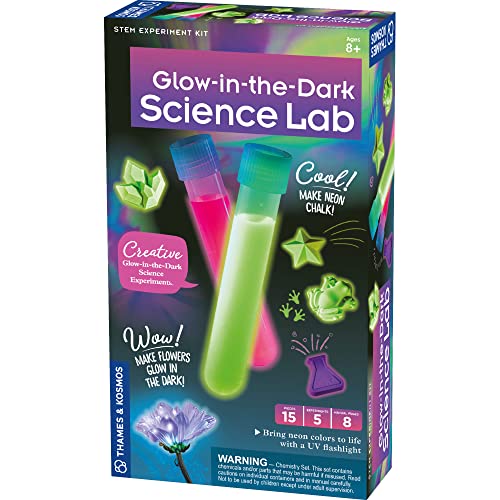
Thames & Kosmos Glow-in-The-Dark Science Lab STEM Experiment Kit | 5 Fun, Safe Activities with Glowing Substances & Neon Pigments! | DIY Glow Sticks, Neon Chalk & More | Includes UV Flashlight
- Dazzling glow-in-the-dark experiments: Five fun, safe activities with neon colors
- Create custom neon chalk: Mold stars, crystals, frogs
- Make glowing glow sticks: Mix solutions for radiant glow
As an affiliate, we earn on qualifying purchases.
As an affiliate, we earn on qualifying purchases.