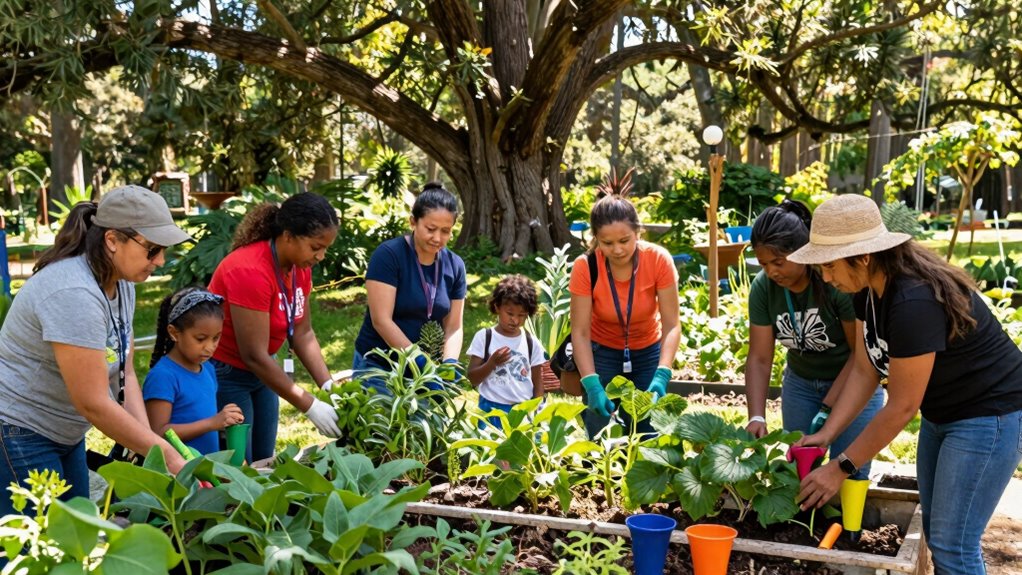

When local communities lead conservation, you tap into their deep ecological knowledge and traditional practices, making efforts more culturally relevant and effective. Your involvement fosters ownership and participation, boosting long-term commitment and better enforcement of rules. By supporting community-driven initiatives, you create economic opportunities and guarantee solutions fit local contexts. This approach builds resilience, trust, and shared responsibility, leading to sustainable success that benefits both people and ecosystems. Discover how empowering communities truly transforms conservation outcomes.
Listen free for 30 days with Audible
Thousands of audiobooks and originals — cancel anytime.
As an affiliate, we earn on qualifying purchases.
Key Takeaways
- Local communities possess indigenous ecological knowledge that enhances conservation effectiveness and cultural relevance.
- Community ownership boosts motivation, enforcement, and long-term commitment to conservation efforts.
- Engaged communities create economic opportunities like eco-tourism, supporting sustainable resource management.
- Tailoring strategies to local customs ensures approaches are culturally appropriate and more sustainable.
- Empowered communities foster resilient ecosystems through mutual benefits and ongoing stewardship.
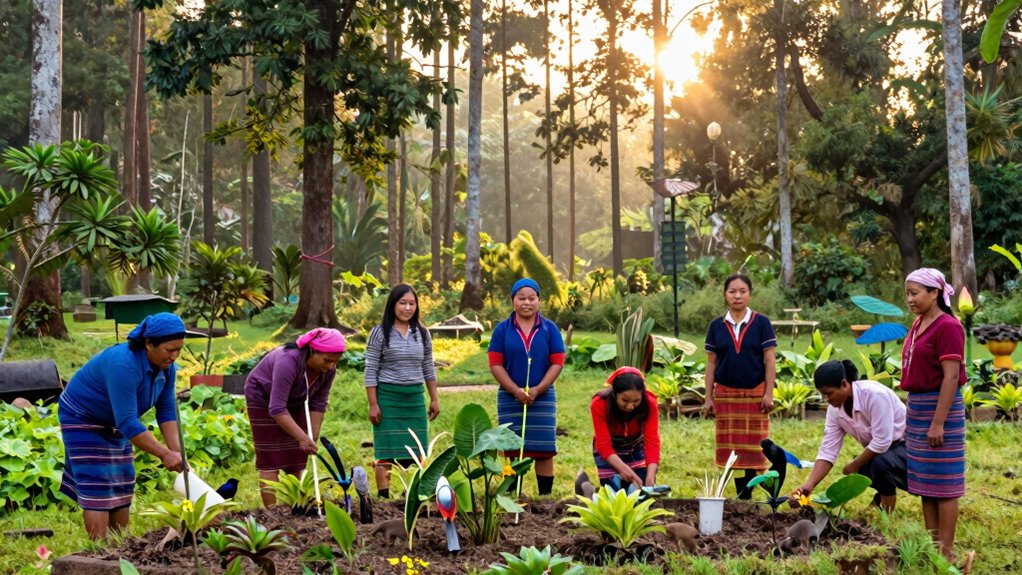
Have you ever wondered how conservation efforts can benefit local communities? When communities take the lead in protecting their environment, the results are often more sustainable and impactful. This approach taps into indigenous knowledge—deeply rooted understandings of local ecosystems passed down through generations. Indigenous communities have a unique relationship with their environment, observing subtle ecological changes and developing effective strategies for resource management. Recognizing and utilizing this knowledge allows conservation efforts to be more culturally relevant and ecologically effective.
Community-led conservation harnesses indigenous knowledge for sustainable, culturally relevant, and ecologically effective environmental protection.
By empowering local communities, conservation initiatives become more than just external projects—they transform into community-driven movements. When people feel ownership over conservation efforts, they become active participants rather than passive recipients. Community empowerment fosters a sense of responsibility, motivating locals to protect their land, water, and wildlife. This sense of ownership can lead to better enforcement of conservation rules, as community members understand the importance of sustainable practices for their own future. Supporting community-led initiatives can also inspire innovative solutions rooted in local experiences and traditions. Additionally, fostering local leadership helps ensure that conservation measures are adaptable to changing circumstances and community needs.
Furthermore, when local communities lead conservation, it creates opportunities for social and economic development. As communities engage in sustainable resource management, they often find new ways to benefit economically—whether through eco-tourism, sustainable harvesting, or conservation-based enterprises. These initiatives not only provide income but also reinforce the importance of preserving natural resources for generations to come. When people see tangible benefits from conservation, they’re more likely to support and sustain these efforts over the long term. This approach also nurtures a sense of environmental stewardship essential for long-lasting conservation success. Incorporating traditional ecological knowledge can further enhance these strategies, ensuring they are deeply rooted in local context.
Involving communities also helps bridge the gap between conservation goals and local needs. Often, external organizations implement projects that overlook the cultural and social context of a region. When communities are at the forefront, conservation strategies are tailored to local customs and priorities, making them more effective and less disruptive. This collaborative approach respects indigenous knowledge and traditional practices, which frequently hold keys to maintaining biodiversity and ecological balance. Integrating indigenous knowledge into conservation strategies enhances their success and sustainability. Moreover, community involvement can foster greater trust and cooperation between stakeholders, leading to more cohesive and resilient conservation efforts.
Ultimately, conservation works best when led by local communities because it creates a cycle of mutual benefit. Indigenous knowledge informs strategies that are culturally appropriate and ecologically sound, while community empowerment ensures ongoing commitment and action. Together, they forge a resilient path toward protecting natural resources—one that respects traditions, enhances livelihoods, and preserves ecosystems for future generations. When you support community-led conservation, you’re investing in a model that truly sustains both people and the planet.
community-led conservation tools
As an affiliate, we earn on qualifying purchases.
As an affiliate, we earn on qualifying purchases.
Frequently Asked Questions
How Do Local Communities Benefit Financially From Conservation Efforts?
You benefit financially from conservation efforts through economic incentives like eco-tourism, sustainable harvesting, and conservation employment. Revenue sharing programs guarantee you receive a portion of funds generated from protected areas, supporting your community’s development. These financial benefits motivate you to preserve natural resources, creating a sustainable cycle where conservation enhances your income, improves local livelihoods, and encourages ongoing environmental stewardship.
What Challenges Do Communities Face When Leading Conservation Projects?
They say “every rose has its thorn,” and leading conservation projects isn’t without challenges. You might struggle with community engagement, as not everyone may agree on resource management priorities. Limited funding and technical skills can hinder progress, and balancing economic needs with conservation goals remains tough. These obstacles require patience, communication, and adaptive strategies to guarantee community-led efforts succeed, ultimately fostering sustainable resource management and long-term ecological health.
How Can Governments Support Community-Led Conservation Initiatives?
You can support community-led conservation by promoting policy integration that aligns government strategies with local efforts, ensuring they work hand-in-hand. Providing accessible funding mechanisms, such as grants or micro-financing, empowers communities to sustain their projects. Additionally, offering technical assistance and capacity-building helps communities implement effective conservation practices. Your support fosters a collaborative environment where local knowledge thrives, leading to long-term, impactful conservation outcomes.
Are There Successful Examples of Community-Led Conservation Worldwide?
Imagine a tapestry woven with the vibrant threads of community effort—there are shining examples worldwide. In Madagascar, locals protect lemurs by embracing traditional practices that preserve their unique culture. In Nepal, community forestry initiatives successfully sustain forests and livelihoods. These successes show that when communities lead, cultural preservation and conservation intertwine, creating resilient ecosystems. Your support fuels these stories, proving that local hands craft the most enduring environmental change.
How Does Local Knowledge Improve Conservation Outcomes?
Your local knowledge enhances conservation outcomes by integrating cultural significance and traditional practices into environmental efforts. You understand the land’s history, ecosystems, and species better than outsiders, allowing you to develop sustainable solutions that respect cultural values. By leveraging this knowledge, you can create more effective conservation strategies that resonate with your community, ensuring long-term commitment and success. This deep connection fosters respect for nature and encourages everyone’s active participation.
indigenous ecological knowledge books
As an affiliate, we earn on qualifying purchases.
As an affiliate, we earn on qualifying purchases.
Conclusion
When you let local communities lead conservation efforts, you’re planting seeds of hope in rich, fertile soil. Imagine vibrant forests thriving beneath the gentle touch of those who call it home, their lives intertwined with the land’s health. By empowering them, you create a symphony of harmony—where people and nature flourish together, like a flowing river carving a peaceful valley. It’s in these shared moments that true conservation blossoms, rooted in trust and understanding.
As an affiliate, we earn on qualifying purchases.
sustainable resource management products
As an affiliate, we earn on qualifying purchases.
As an affiliate, we earn on qualifying purchases.
NFL season / tailgating Picks
team gear
As an affiliate, we earn on qualifying purchases.