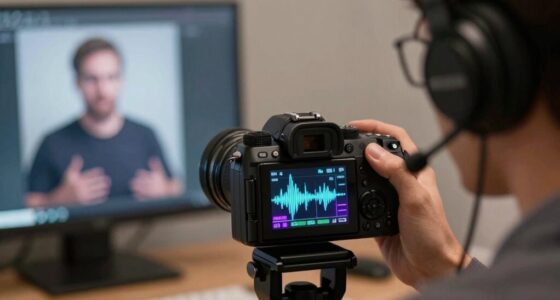

Audio description is an often-overlooked accessibility feature that converts silent visuals into spoken narration, helping you understand scenes, actions, and emotions. It’s designed for viewers with visual impairments but benefits everyone by making media more inclusive and engaging. If you’ve never noticed it, you might be surprised how much it enhances your viewing experience. Keep exploring, and you’ll discover how this simple tool can make visual stories more accessible for all.
Key Takeaways
- Many viewers are unaware that audio description provides essential spoken visuals, making media accessible for the visually impaired.
- Audio description is often overlooked despite its importance in creating inclusive entertainment experiences.
- It works silently in the background, adding narration during natural pauses, which many forget to activate or notice.
- Streaming platforms increasingly incorporate audio description features, but awareness remains low among general audiences.
- Recognizing and utilizing audio description can significantly enhance understanding and enjoyment for all users.
What Is Audio Description, and How Does It Work?
Have you ever wondered how visually impaired viewers experience movies and TV shows? Audio description provides narrative clarity through descriptive narration, making visuals accessible. It works by adding a spoken track that describes key visual elements like actions, settings, and characters during natural pauses in dialogue. This narration guarantees viewers understand what’s happening on screen, enhancing their connection to the story. The descriptions are concise yet detailed enough to paint a clear picture. When done well, audio description transforms silent visuals into an engaging experience. It’s not just about describing what’s obvious but capturing the essence of scenes to create a thorough understanding. Incorporating visual storytelling techniques ensures that the narration complements the visuals effectively. This way, visually impaired audiences can fully enjoy and follow the plot, feeling more immersed in the story. Accessible media ensures that everyone can enjoy entertainment on an equal footing. Additionally, utilizing technology can improve the quality and availability of audio description services, making accessibility more widespread. For example, specialized tools can help creators produce more accurate and engaging descriptions to better serve diverse audiences. Moreover, ongoing advancements in assistive technology continue to enhance the clarity and usability of these descriptions, ensuring they meet evolving accessibility standards.
Why Is Audio Description Important for Visual Accessibility?

Audio description makes visual content more understandable and enjoyable for everyone. It creates an inclusive experience by giving voice to what you might not see, bridging visual gaps. This accessibility guarantees that all viewers can fully engage with media, regardless of their visual ability. Additionally, incorporating creative storytelling into audio descriptions can enhance emotional engagement and foster deeper connections with audiences. By applying evidence‑informed techniques, creators can improve the clarity and impact of descriptions, making media more accessible and engaging for diverse audiences. Understanding the importance of accessible design helps ensure that audio descriptions meet the needs of all users and align with smart home technology that supports inclusive living environments. Moreover, using user feedback can help refine descriptions to better serve varied visual abilities and preferences.
Enhances Content Comprehension
Why is audio description essential for understanding visual content? It provides content enrichment by translating visuals into clear, vivid narration, helping you grasp details you might otherwise miss. This narrative enhancement brings scenes to life, making the story more engaging and emotionally resonant. When visuals are described aloud, you can: 1. Feel more connected to characters and their emotions 2. Understand complex actions or settings quickly 3. Experience a richer, more immersive story. Additionally, innovative cloud solutions can support accessible media distribution, ensuring audio description reaches a broader audience. Implementing inclusive media practices can further improve accessibility for diverse viewers. By integrating accessible media practices, content creators can further improve overall comprehension and inclusivity. Audio description bridges the gap between sight and sound, ensuring you aren’t left behind. It transforms silent images into a meaningful narrative, empowering you to comprehend content fully. This simple addition makes a significant difference in how you perceive and enjoy visual media, creating a more inclusive and satisfying experience. Incorporating assistive technologies can also enhance the delivery and quality of audio description, making it more effective for all users. Recognizing the importance of universal design principles can help ensure that media is accessible and enjoyable for everyone.
Promotes Inclusive Experience
Since visual content is a key part of many media experiences, audio description plays an essential role in making these experiences accessible to everyone. It enhances sensory engagement by providing vivid descriptions that bring scenes to life for those with visual impairments. This inclusion fosters a more equitable environment, allowing all users to participate fully and confidently. By offering detailed descriptions, audio description empowers users to understand and enjoy content on their terms, breaking down barriers that otherwise limit access. It creates a sense of belonging, ensuring that everyone can share in the same entertainment, information, or storytelling. Additionally, integrating audio description with accessible technology can further improve the user experience for people with diverse needs. Recognizing the importance of media literacy helps users better interpret and utilize audio descriptions effectively. Promoting inclusive design ensures that audio description remains a vital tool in creating accessible media for all. Ultimately, audio description promotes an inclusive experience that respects diverse needs and encourages active participation for all audiences.
Bridges Visual Gaps
Visual content often creates gaps in accessibility for those with visual impairments, leaving them unable to fully experience or understand what’s happening on screen. Audio description bridges these gaps by providing rich descriptions of scenes, actions, and settings. It enhances understanding through carefully crafted audio cues and sound design, making the experience more immersive. Without it, you might miss:
- The emotional weight of a character’s expression.
- Key visual clues that drive the story forward.
- The atmosphere created by background visuals and settings.
- Techniques like visual description that help convey complex scenes to those with visual impairments. Incorporating attention to detail ensures that descriptions cover all relevant visual elements, making the content truly accessible for everyone. Additionally, understanding the lifecycle of a video or broadcast can help optimize the timing and delivery of audio descriptions to maximize their effectiveness. Recognizing the importance of carrier oils in aromatherapy highlights how essential it is to select appropriate base elements, much like choosing the right descriptive details to convey visual information accurately. Properly integrating audio description into media content can significantly improve overall accessibility and user experience.
Who Uses Audio Description, and How Do They Benefit?

If you have a visual impairment, audio description can make watching movies or shows much easier for you. It provides descriptions that help you understand what’s happening on screen, improving your overall experience. Many users find it essential for better content comprehension and enjoyment. Additionally, natural ingredients in some audio description services ensure a clearer and more engaging narration. For those with specific needs, accessibility features like audio description can significantly enhance media engagement and independence.
Visual Impairment Support
Who benefits most from audio description? If you have a visual impairment, it transforms your experience of visual storytelling. Audio description provides a voice that fills in what you can’t see, making entertainment more accessible. Imagine feeling truly immersed in a movie or theater performance without missing key moments. Here are three ways it helps you:
- Enhances understanding of plot, setting, and emotions through detailed narration.
- Bridges the gap between sight and sound, allowing a fuller experience.
- Empowers independence by enabling you to enjoy content without assistance.
Audio description isn’t just about hearing words; it’s about connecting you to stories in a way that’s meaningful and inclusive. It ensures that visual storytelling becomes a shared experience, not a barrier.
Enhancing Content Understanding
People who rely on audio description often include individuals with visual impairments, but many others also benefit by gaining a fuller understanding of visual content. Audio narration, or descriptive audio, provides detailed descriptions of scenes, actions, and settings, helping you visualize what’s happening on screen. This enhances your content understanding, making movies, TV shows, and videos more accessible and engaging. With descriptive audio, you don’t have to rely solely on dialogues; instead, you receive context that clarifies emotions, environments, and important visual cues. Whether you’re blind, have low vision, or simply want a richer experience, audio description bridges the gap between sight and sound, allowing you to fully grasp the story and details that might otherwise be missed.
How Can You Add Audio Description to Your Media?

Adding audio description to your media involves several key steps to guarantee it is accessible and effective. First, assess your content to identify moments needing descriptive narration to enhance understanding. Next, create clear, concise descriptions that complement existing sign language and captioning features, ensuring everyone can follow along. Finally, integrate the audio descriptions into your media using editing tools or platforms that support this feature. Remember, adding audio description isn’t just about accessibility; it enriches the experience for all viewers. By thoughtfully incorporating these descriptions, you make your content more inclusive and engaging. Whether you’re producing a video or a film, these steps help ensure your media caters to diverse audiences who rely on audio description for better understanding.
Which Devices and Platforms Support Audio Description?
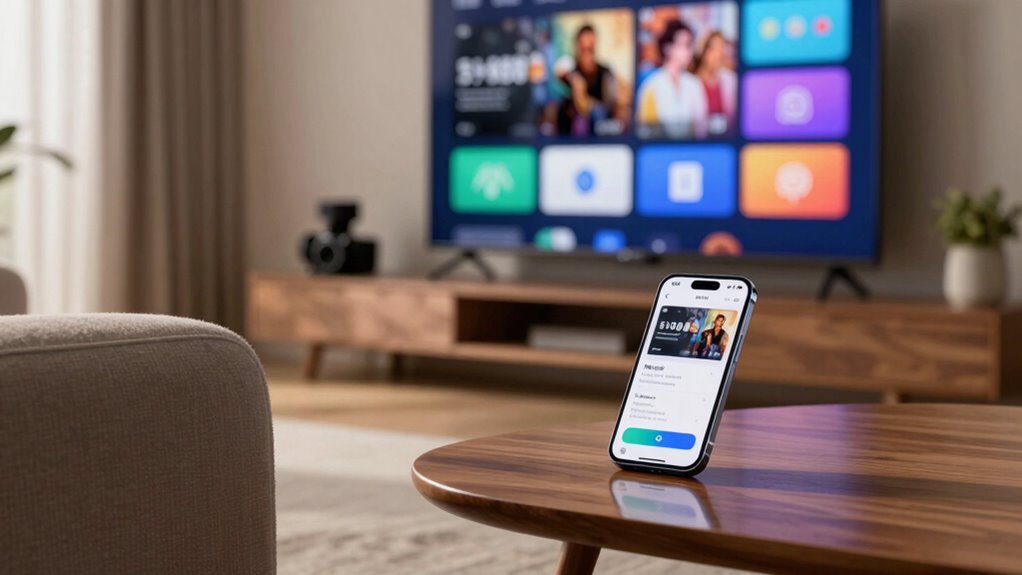
Many modern devices and platforms now support audio description, making media more accessible to all viewers. Device integration has improved across smartphones, tablets, smart TVs, and streaming devices, allowing you to access audio description features seamlessly. Platforms like Netflix, Hulu, Amazon Prime Video, and Disney+ prioritize compatibility with audio description, often offering it as a standard option. Most smart TVs and media players also support audio description, provided they have updated firmware and app versions. Additionally, popular streaming devices such as Roku, Apple TV, and Chromecast have integrated accessibility features, including audio description. This broad platform compatibility guarantees you can enjoy audio-described content across a variety of devices, enhancing accessibility without needing specialized equipment.
How Is Audio Description Created and Implemented?
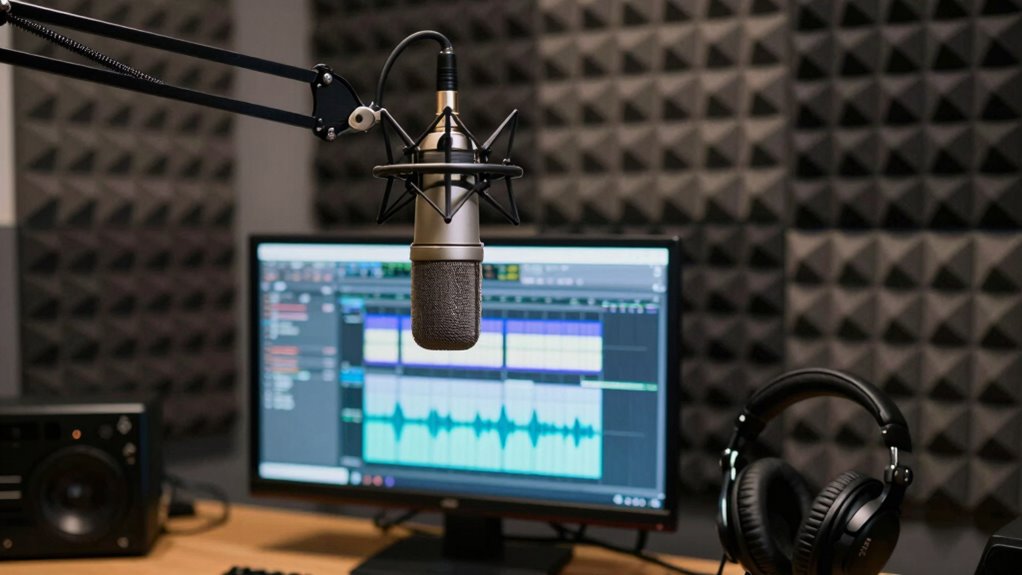
Creating and implementing audio description involves a careful process of scripting, recording, and integrating descriptive narration into the media. During this process, skilled professionals focus on narrative design to craft vivid, concise descriptions that enhance understanding without interrupting the story. Your involvement begins with script development, where every word is chosen to evoke emotion and clarity.
Key steps include:
- Developing a detailed script that aligns with the visual content and emotional tone.
- Recording the narration with sensitivity to timing and pacing.
- Seamlessly integrating the narration into the media to ensure natural flow.
This meticulous process ensures that the audience experiences a rich, accessible narrative, making every scene more immersive and inclusive.
What Are the Challenges and Limitations of Audio Description?
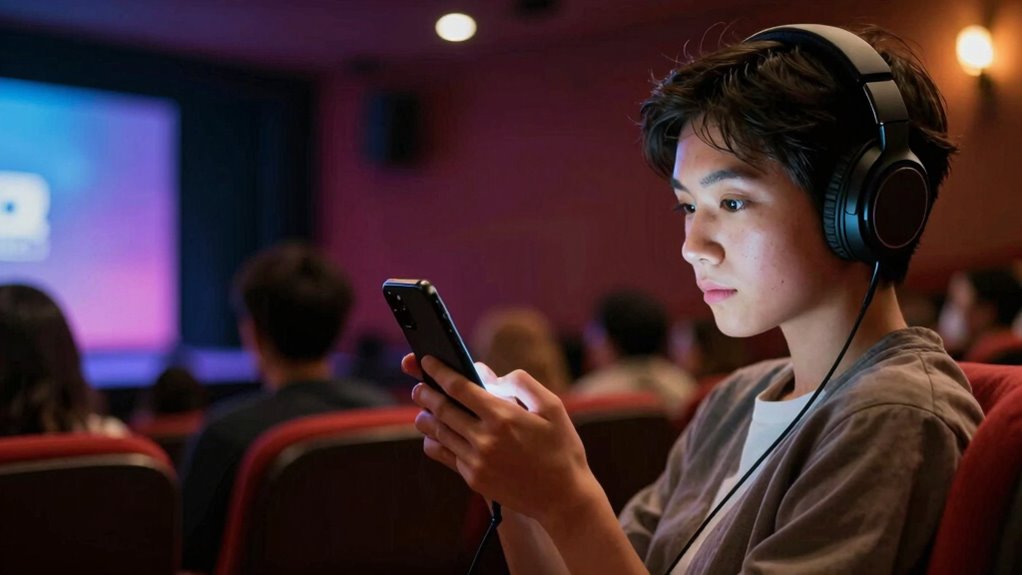
While audio description considerably improves accessibility, it also faces several challenges and limitations. One major issue is increasing cognitive load; listeners must process visual details through spoken words without missing essential story elements. If descriptions are too detailed or poorly timed, they can overwhelm users, reducing overall comprehension and enjoyment. Conversely, too little description leaves visually impaired viewers without enough context, leading to frustration. Additionally, maintaining high user engagement can be difficult, especially when descriptions distract from the main content or feel intrusive. Technical constraints, like audio quality and synchronization, further limit effectiveness. These challenges highlight the need for balanced, thoughtful descriptions that enhance understanding without overloading or disengaging users.
How Does Audio Description Promote Media Accessibility and Inclusion?

Audio description plays an essential role in making media accessible and inclusive by providing spoken narration of visual elements. This feature bridges gaps for those with visual impairments, offering benefits like increased independence and emotional connection. When you experience audio description, you help promote accessibility awareness in society by showing that everyone deserves equal access to media. The audio description benefits include:
- Enabling a richer understanding of visual content for all viewers, fostering empathy
- Encouraging media creators to prioritize inclusive design, broadening representation
- Building a more inclusive culture that values diversity and accessibility
What’s Next for Audio Description and Accessibility Technology?

Advancements in technology are shaping the future of audio description and accessibility tools, making them more seamless and integrated into your daily media experiences. Expect smarter, more context-aware systems that automatically enhance content with accurate audio descriptions. Accessibility technology will become more personalized, adapting to your preferences and device capabilities. Innovations like AI-driven narration and real-time description will improve the clarity and timing of audio descriptions. These developments aim to eliminate barriers, ensuring everyone can enjoy media equally.
| Future Trends | Impact on Accessibility |
|---|---|
| AI-powered descriptions | More accurate, natural narration |
| Real-time updates | Instant description adjustments |
| Device integration | Seamless media experience |
| Personalization | Tailored accessibility solutions |
| Voice command control | Hands-free accessibility |
Frequently Asked Questions
How Can I Enable Audio Description on My Streaming Devices?
To enable audio description on your streaming devices, go to the settings menu and look for accessibility or visual accessibility options. Select “audio description” or “descriptive audio” to turn it on. This feature enhances user customization by providing narrated descriptions of scenes, making content more accessible. Confirm your device’s software is updated, and remember, activating this feature helps make your viewing experience more inclusive and enjoyable.
Are There Legal Requirements for Providing Audio Description?
Yes, there are legal mandates requiring the provision of audio description to guarantee accessibility compliance. Laws like the Americans with Disabilities Act (ADA) and the Rehabilitation Act mandate that broadcasters, streaming platforms, and content providers offer accessible features for people with disabilities. These regulations aim to create an inclusive environment, so you should expect more platforms to follow suit and provide audio descriptions to meet legal requirements and better serve all audiences.
Can Audio Description Be Customized for Individual Preferences?
Yes, you can customize audio description to suit your preferences. Many platforms offer personalization options, allowing you to adjust settings like narration speed, voice tone, or even turn descriptions on or off. By exploring these user preferences, you guarantee a more comfortable and accessible viewing experience. Always check the accessibility settings on your device or streaming service to tailor the audio description features to your needs.
What Training Do Audio Describers Typically Undergo?
Describers typically undergo thorough training to perfect their craft. They learn to craft clear, concise visual descriptions that captivate and communicate. During describer training, you’ll focus on understanding visual elements, storytelling techniques, and audience needs. This specialized training hones your skills in translating visuals into words, ensuring accessibility. You get practical experience, develop an eye for detail, and learn to balance description with the flow of entertainment or information.
How Is Audio Description Integrated Into Live Broadcasts?
You can see audio description integrated into live broadcasts through real-time narration by trained describers, who use accessibility technology to provide visual storytelling. They often coordinate with producers beforehand and stay connected during the broadcast to make certain seamless narration. This process makes the content more accessible for viewers with visual impairments, helping them understand on-screen actions, settings, and emotions, all while maintaining the flow of the live event.
Conclusion
Embracing audio description is like opening a window to a vibrant world many miss. By understanding its power and how to incorporate it, you help break down barriers and create a more inclusive media landscape. Just as a lighthouse guides ships safely to shore, audio description illuminates stories for everyone, ensuring no one is left in the shadows. Together, we can turn accessibility from a hidden feature into a shining standard.