
Personalized accessibility settings allow you to adapt your devices over time to better suit your needs, making tech use more comfortable and efficient. As you customize options like font size, contrast, or voice commands, you’ll find interactions become more intuitive and less frustrating. These adjustments encourage confidence and foster independence, shaping your habits and routines in positive ways. By consistently refining your settings, you can create a seamless, inclusive experience that evolves alongside your preferences — there’s more to discover ahead.

Prime made for students and young adults
- Fast, free delivery for dorm and study essentials
- Prime Video and Amazon Music included
- Member-only deals
Key Takeaways
- Personalized settings adapt to users’ evolving needs, enhancing comfort and efficiency in long-term technology use.
- They promote greater confidence and independence through tailored features like speech-to-text and magnification.
- Continuous adjustments improve overall user experience, reducing frustration and increasing engagement with devices.
- Advanced customization options enable seamless integration of assistive technologies into daily routines.
- Over time, personalized settings foster more inclusive, accessible, and sustainable technology interactions.

As technology becomes more integrated into daily life, personalized accessibility settings play an essential role in guaranteeing everyone can use devices comfortably and effectively. These settings allow you to tailor your experience, making technology more inclusive and adaptable to your needs. Assistive technology, in particular, offers a range of tools designed to support users with disabilities, but even those without specific needs benefit from the ability to customize their devices. Over time, these personalized settings transform how you interact with technology, often leading to increased efficiency, independence, and confidence.
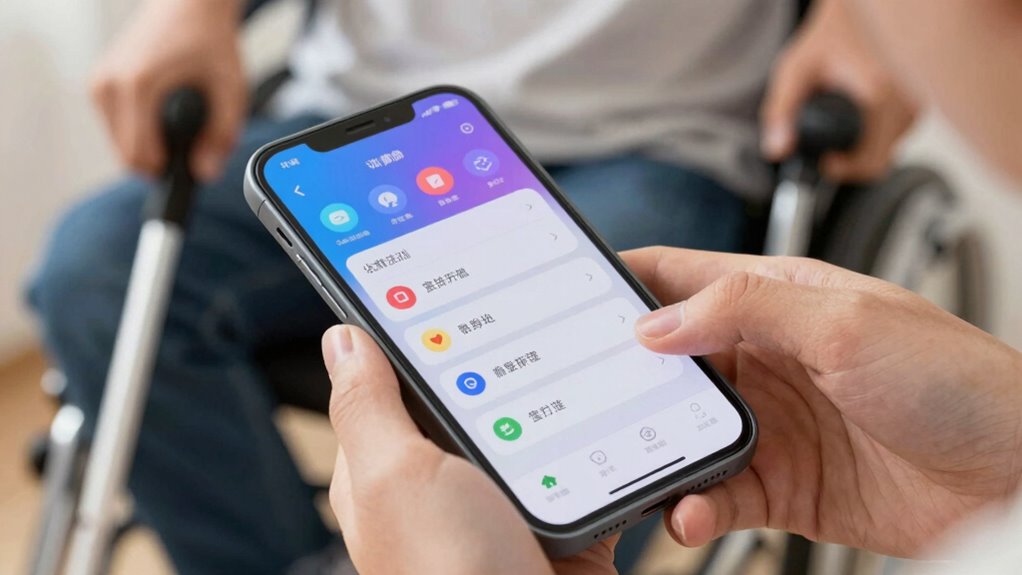
When you first start using accessibility features, it might seem like a small adjustment, but these changes can remarkably impact your overall experience. User customization options—such as adjusting font size, enabling high-contrast modes, or activating speech-to-text—allow you to create an interface that feels natural and accessible. As you continue to use your device, you begin to identify which settings improve your comfort and productivity. This ongoing process of customization means that your device adapts to your evolving needs, making your interactions more intuitive and less frustrating.
Over time, personalized accessibility settings also influence your habits and routines. For example, enabling screen magnification or voice commands can reduce physical strain and streamline tasks, encouraging you to rely on your device more confidently. This increased reliance often leads to better engagement with digital tools, whether for work, communication, or entertainment. As you become more comfortable with these settings, you might explore additional assistive technology features—like alternative input devices or automated captions—that further enhance your experience. Recognizing the importance of user-centered design can help developers create more effective and intuitive accessibility options tailored to diverse needs.
Moreover, as technology advances, so do the capabilities of personalized accessibility features. Developers continue to refine user customization options, making them more sophisticated and easier to access. This evolution means you can modify your device to suit even subtle preferences, creating a truly personalized environment. Over time, these improvements can lead to better integration of assistive technology into your daily routines, making your digital interactions more seamless and natural. Understanding technological innovation can inspire more creative solutions that better serve diverse user needs.
In addition, understanding the importance of biodiversity can inspire us to create more inclusive and sustainable technological solutions that respect diverse needs and environments. In essence, personalized accessibility settings don’t just change how you use your device—they shape your overall relationship with technology. With each adjustment, you gain more control, comfort, and independence. This ongoing process of customization ensures that technology remains a helpful tool, adapting alongside your needs and preferences. Over time, this dynamic interaction fosters a more inclusive digital experience, empowering you to use technology confidently and comfortably, no matter how your requirements evolve.
adjustable font size accessibility device
As an affiliate, we earn on qualifying purchases.
As an affiliate, we earn on qualifying purchases.
Frequently Asked Questions
How Do Personalized Settings Impact Long-Term Technology Habits?
Your personalized accessibility settings boost user engagement by making technology more comfortable and intuitive. When you customize these features, you’re more likely to stick with the tech long-term because it fits your needs perfectly. This consistency in customization encourages regular use, creating habits that reinforce positive interactions with technology over time. Ultimately, personalized settings help you develop long-term habits, making tech use more seamless and tailored to your evolving needs.
Are Accessibility Features Equally Beneficial Across All Age Groups?
You’ll find that accessibility features benefit all age groups differently, with older users relying more on inclusive design to navigate tech comfortably. Studies show that inclusive design boosts user empowerment across ages, making devices more usable. While features like text enlargement or voice commands are universally helpful, their impact varies. Ultimately, personalized accessibility settings adapt to individual needs, ensuring tech remains accessible and empowering for everyone, regardless of age.
Can Personalized Settings Adapt Automatically Over Time?
Yes, personalized accessibility settings can adapt automatically over time. Adaptive algorithms analyze your usage patterns and preferences, making real-time adjustments to enhance your experience. You benefit from seamless user customization that evolves with your needs, ensuring consistent accessibility. This dynamic approach helps you navigate technology more comfortably, reducing manual adjustments and providing a tailored environment that grows smarter and more intuitive as you use your devices more.
Do Accessibility Preferences Influence Device Resale Value?
Accessibility preferences can influence your device’s resale potential. When you customize your device for specific needs, it may appeal to a niche market, but overly personalized settings might reduce broad resale value. Buyers often prefer standard configurations, so if your accessibility options are easily reversible, it could positively impact resale. Ultimately, balanced device customization that maintains usability for others can help preserve your device’s resale value.
How Do Personalized Settings Affect Social Interactions Online?
You might worry that personalized accessibility settings could hinder online social interactions, but they actually enhance your experience. While privacy concerns and customization challenges exist, these settings help you communicate more comfortably and authentically, fostering genuine connections. By tailoring your online environment, you feel more confident sharing and engaging. This personalization creates a safer space for interaction, making your social exchanges more meaningful and inclusive, despite initial hurdles.
high contrast mode assistive technology
As an affiliate, we earn on qualifying purchases.
As an affiliate, we earn on qualifying purchases.
Conclusion
As you tailor accessibility settings to suit your needs, you’ll find your tech experience becomes smoother and more intuitive. These adjustments aren’t just about convenience—they empower you to stay connected and engaged over time. Remember, you’re the captain of your digital journey; customizing your tools guarantees you navigate it with confidence. When you take control, you truly make technology work for you—turning challenges into opportunities and keeping you ahead of the curve.
speech to text device for accessibility
As an affiliate, we earn on qualifying purchases.
As an affiliate, we earn on qualifying purchases.
As an affiliate, we earn on qualifying purchases.
Halloween Picks
halloween
As an affiliate, we earn on qualifying purchases.