Many believe blue light harms your eyes or disrupts sleep, but science shows that’s a myth. Prolonged screen time and poor lighting habits are the main causes of eye strain and sleep issues, not blue light itself. Blue light can slightly affect melatonin, but its impact is minimal compared to factors like blinking less or viewing from too close. Stay with us to uncover what really influences your eye comfort and sleep quality.
Key Takeaways
- Blue light contributes minimally to eye strain compared to poor lighting and prolonged screen time.
- Most eye discomfort from screens is due to reduced blinking and extended focus, not blue light exposure.
- Blue light can disrupt sleep by suppressing melatonin, but its effects vary among individuals.
- Managing ambient lighting and taking regular breaks are more effective for eye health than blue light avoidance.
- Limiting screen use before bedtime and using night mode can help mitigate blue light’s impact on sleep quality.
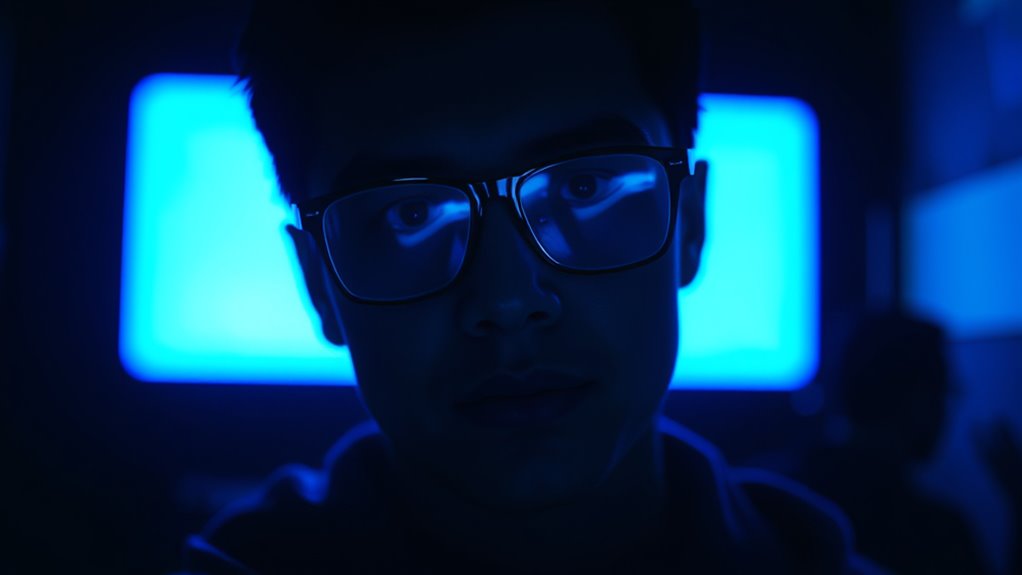
Digital eye strain is a common concern linked to prolonged screen use. Symptoms like dry eyes, headaches, blurred vision, and discomfort are often blamed on blue light exposure. However, research shows that these issues are more likely caused by general eye fatigue from staring at screens for extended periods rather than blue light itself. You might feel eye strain after hours of working on your laptop, but that’s largely due to reduced blinking and poor lighting, not necessarily blue light exposure. While blue light can contribute to discomfort, it’s typically not the sole culprit. Adjusting your environment—like increasing ambient lighting, taking regular breaks, and practicing the 20-20-20 rule (looking at something 20 feet away for 20 seconds every 20 minutes)—can considerably reduce digital eye strain. Furthermore, understanding the role of color accuracy in visual comfort can help optimize your screen setup for healthier viewing. Sleep disruption is another hot topic associated with blue light. Many people worry that blue light interferes with their melatonin production, the hormone responsible for sleep. It’s true that blue light can suppress melatonin, making it harder to fall asleep if you’re exposed close to bedtime. This effect has been demonstrated in studies where participants using screens before sleep had delayed melatonin release and poorer sleep quality. Yet, the extent of this impact varies among individuals. Not everyone experiences notable sleep disruption, especially if they limit screen time in the hours before bed or use blue light filters. The key isn’t necessarily avoiding blue light entirely but managing your exposure—like dimming screens or switching to “night mode” settings in the evening.

livho High Tech Blue Light Glasses – Advanced Blue Light Blocking Computer Glasses – Screen Fatigue & UV Protection
Elevate your screen time comfort with these stylish women's/men's eyewear frame blue light blocking glasses, designed to reduce…
As an affiliate, we earn on qualifying purchases.
As an affiliate, we earn on qualifying purchases.
Frequently Asked Questions
Can Blue Light Exposure Improve Alertness and Cognitive Performance?
Blue light exposure can boost alertness and cognitive performance by influencing your circadian rhythm. It suppresses melatonin production, helping you stay awake and alert during the day. However, if you’re exposed to blue light at night, it may cause circadian disruption, making it harder to sleep and affecting your overall cognitive function. So, timing is key to harnessing blue light’s benefits without its potential downsides.
Does Blue Light Therapy Help With Seasonal Affective Disorder?
You might wonder if blue light therapy helps with seasonal affective disorder. It’s effective because light therapy, especially blue light, can boost mood regulation by influencing your circadian rhythms. By exposing yourself to specific light levels, you may experience improved energy and reduced depression symptoms during darker months. Just make sure to use it correctly and consult a healthcare professional for personalized advice.
Are There Natural Ways to Block Blue Light Without Devices?
Did you know that most people spend over 90% of their time indoors, exposing themselves to blue light? You can naturally block blue light with plant-based remedies like chamomile or lavender, which promote relaxation and improve sleep. Dietary interventions, such as consuming foods rich in antioxidants and melatonin, also help reduce blue light effects. Incorporating these into your routine offers a natural way to protect your eyes without relying on devices.
How Does Blue Light Affect Sleep Quality Beyond Eye Strain?
Blue light can disrupt your sleep quality by suppressing melatonin, making it harder for you to fall asleep. It also causes circadian disruption, throwing off your body’s natural sleep-wake cycle. When you’re exposed to blue light before bed, you might find yourself waking up feeling less rested. To improve sleep, reduce blue light exposure in the evening, and consider natural methods like dim lighting or using blue light filters.
Is Blue Light Exposure Linked to Long-Term Eye Health Risks?
You might wonder if blue light exposure causes long-term eye health risks. While research isn’t conclusive, some studies suggest that prolonged exposure could contribute to UV damage and retinal degeneration over time. However, typical screen use usually isn’t enough to cause significant harm. To protect your eyes, consider wearing blue light filters or taking regular breaks, especially if you spend hours in front of screens daily.

JESOHO Blue Light Screen Protector for iPhone 13/13 Pro/14/16e/17e (6.1inch), Eye Protection Tempered Glass Film, Scratch-Resistant, No Bubble with Easy Installation Kit, 2 Pack
Applicable model: Compatible with iPhone 13/13 Pro/14/16e/17e (6.1Inch).Please check the model of your iPhone in “Settings”-General-About- Model Name,…
As an affiliate, we earn on qualifying purchases.
As an affiliate, we earn on qualifying purchases.
Conclusion
So, next time you’re tempted to blame blue light for all your sleep troubles, remember that over 60% of adults use screens before bed, but only a small part of that actually harms sleep quality. The truth is, blue light isn’t the enemy—it’s about balance and managing screen time wisely. Don’t let myths keep you in the dark; focus on proven habits like reducing screen brightness and establishing a relaxing bedtime routine.

acer SH273 P1si 27" IPS Full HD (1920 x 1080) Zero-Frame Gaming Office Monitor | AMD FreeSync Technology | Up to 144Hz Refresh | 1ms (VRB) | Tilt, Height Adjustment & Swivel | HDMI & VGA Ports
Vibrant Images: Crisp, true-to-life colors come alive in Full HD 1080p resolution. Movies and games appear more real…
As an affiliate, we earn on qualifying purchases.
As an affiliate, we earn on qualifying purchases.
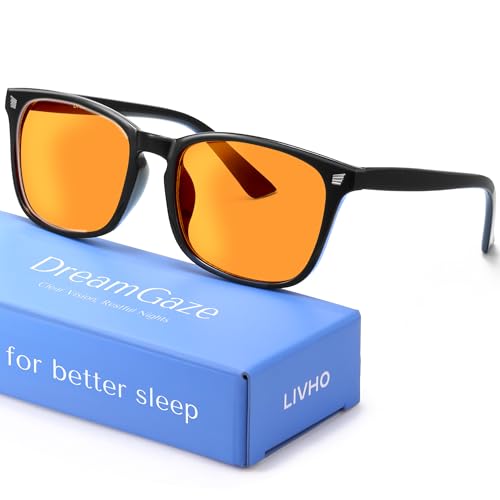
livho Gaming Blue Light Blocking Glasses for Better Sleep, Premium Night Driving, Computer Blockers for Man & Woman
REDUCE EYE STRAIN: These glasses for computer eye strain limit your blue-light exposure and alleviate eye strain, headaches,…
As an affiliate, we earn on qualifying purchases.
As an affiliate, we earn on qualifying purchases.