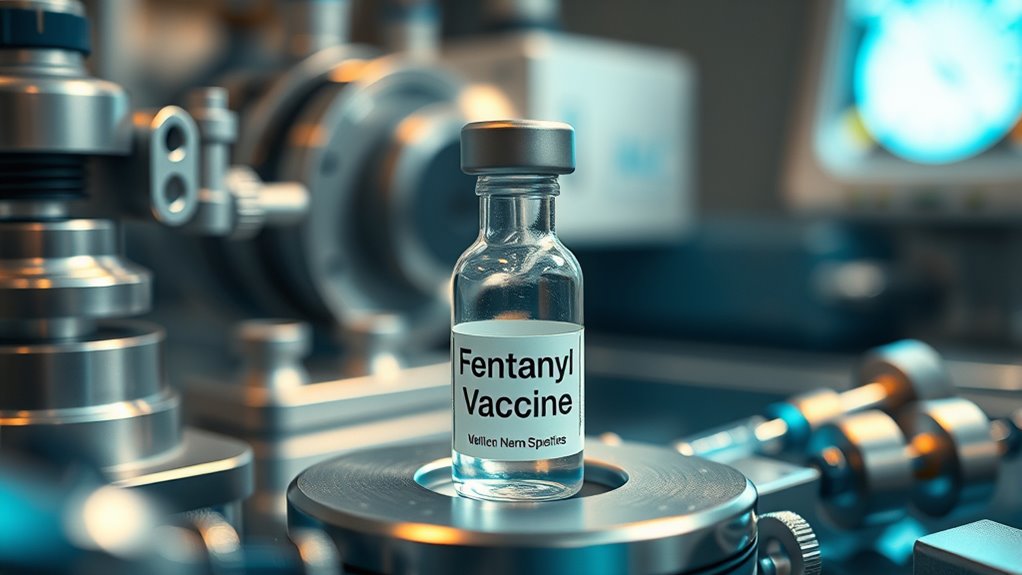
Early trials of the fentanyl vaccine show promising results, suggesting it could be a powerful tool in addiction treatment. The vaccine trains your immune system to produce antibodies that block fentanyl’s effects, reducing its euphoric and overdose potential. This immune response may lower cravings and relapse risk, especially in high-risk individuals. If you’re interested in how this promising vaccine could transform addiction recovery, there’s more to discover right here.
Key Takeaways
- Early trials demonstrate high levels of fentanyl-specific antibodies, reducing the drug’s psychoactive effects.
- The vaccine works by preventing fentanyl from crossing the blood-brain barrier, diminishing euphoria.
- Preliminary results suggest the vaccine could effectively block fentanyl’s addictive properties.
- Further research is needed to confirm safety, optimal dosing, and long-term effectiveness.
- The vaccine has the potential to enhance existing addiction treatments and reduce overdose deaths.
Could a vaccine effectively combat fentanyl addiction? That’s the question many researchers are exploring as they develop new strategies to combat this deadly epidemic. The concept of vaccine development for addiction treatment isn’t new, but recent advances have brought fresh hope. Traditional addiction treatments often rely on counseling, medication, or a combination of both, but they don’t always work for everyone. A fentanyl vaccine could offer a novel approach by preventing the drug from reaching the brain’s reward system, consequently reducing its euphoric effects and making relapse less likely.
A fentanyl vaccine may block drug effects, reducing addiction risk and aiding recovery efforts.
The idea behind an addiction vaccine is to stimulate the immune system to produce antibodies that recognize fentanyl molecules. When someone who’s vaccinated uses fentanyl, these antibodies bind to the drug, forming complexes too large to cross the blood-brain barrier. As a result, the person doesn’t experience the intense high that fuels addiction. This approach could serve as a powerful adjunct to existing addiction treatment programs, especially for individuals struggling with severe fentanyl dependence. It provides a kind of immune-based shield, lowering the risk of overdose and making it easier for users to stick with recovery efforts.
Vaccine development for addiction isn’t straightforward, and it requires careful design to ensure safety and efficacy. Scientists are working to identify the best ways to generate a strong immune response without adverse effects. Early trials are promising, showing that the vaccine can produce high levels of fentanyl-specific antibodies in test subjects. These results suggest that the vaccine could effectively block the drug’s psychoactive effects, making it less appealing and reducing the likelihood of continued use. Additionally, the integration of security features like password protection in related systems highlights the importance of safeguarding sensitive health data during research. While these early trials are promising, it’s important to recognize that vaccine development is a lengthy process, and further testing is needed to confirm safety, ideal dosing, and long-term effectiveness.
If proven successful, such vaccines could revolutionize addiction treatment by providing a long-lasting, minimally invasive option. They could be especially beneficial in community or outpatient settings, where ongoing support and medication management are challenging. Furthermore, a fentanyl vaccine could serve as a protective measure for high-risk populations, such as those with a history of relapse or those in the early stages of recovery. As research progresses, many hope that this innovative approach will become a crucial tool in tackling the fentanyl crisis. While it’s not a standalone solution, a vaccine could markedly enhance existing treatment options, offering new hope to those battling addiction and helping to reduce overdose deaths nationwide.
Frequently Asked Questions
How Long Does the Vaccine’s Protection Last?
The vaccine’s protection typically lasts for several months, but its duration can vary depending on individual factors. You might experience immunity longevity of around 6 to 12 months, which means you’ll need booster shots to maintain effectiveness. Researchers are still studying how long the vaccine provides protection, so staying informed about updates is important. Regular follow-ups with your healthcare provider will help guarantee you get the most out of your vaccine.
Are There Any Side Effects Associated With the Vaccine?
You’ll be relieved to know that the fentanyl vaccine has shown a good safety profile so far. While some people might experience mild side effects like soreness at the injection site or fatigue, these are usually temporary. Experts focus on side effect management to guarantee your comfort, and ongoing studies aim to make this vaccine even safer. Overall, the benefits outweigh the risks, making it a promising tool in fight against addiction.
How Accessible Will the Vaccine Be Once Approved?
Once approved, you’ll likely find the fentanyl vaccine accessible through healthcare providers involved in vaccine distribution. The cost and affordability will depend on factors like insurance coverage, government support, and pharmaceutical pricing strategies. Efforts are underway to make it affordable and widely available, but you should stay informed about updates from health authorities and insurance plans to guarantee you can access the vaccine without financial hardship.
Can the Vaccine Prevent Overdose or Just Addiction?
Coincidentally, the vaccine primarily targets addiction, but it can also aid in overdose prevention by reducing the drug’s effects. When you get vaccinated, it influences your behavioral impact, making fentanyl less effective and lowering overdose risk. While it doesn’t completely prevent overdose, it acts as a helpful tool alongside other measures. This dual benefit offers hope for both addiction recovery and safeguarding against fatal overdoses.
Will the Vaccine Work for All Types of Opioids?
The vaccine’s opioid specificity means it’s designed primarily for fentanyl, so it may not protect against all opioids. Its vaccine coverage depends on how well it targets specific substances. If you’re worried about different opioids, this vaccine might need modifications or additional treatments. Researchers are working to improve its broad effectiveness, but currently, it’s most promising for fentanyl rather than every opioid type.
Conclusion
This fentanyl vaccine could be a game-changer in addiction treatment, offering hope where it’s desperately needed. Like a shield blocking the storm, it may protect those vulnerable to relapse. While early trials show promise, remember that science is a journey, not a destination. Stay hopeful and watch as this breakthrough unfolds—because with each step forward, you’re one beat closer to a brighter, addiction-free future.