TL;DR
Rutgers researchers report that a molecule made by some gut bacteria, N-MNA, can be converted into NAD and promote intestinal repair in experiments involving mice, fruit flies and human cells. The study also found an association between lower stool N-MNA and higher inflammation markers in people with inflammatory bowel disease, but it did not test treatment in patients.
Researchers at Rutgers Health report that a molecule produced by some gut bacteria helped repair intestinal damage in mice and fruit flies and supplied human cells with a precursor to NAD, a coenzyme involved in cellular processes. The findings, published in Science Advances, point to a possible avenue for studying inflammatory bowel disease, but N-MNA has not been tested as a treatment in people.

Prime made for students and young adults
- Fast, free delivery for dorm and study essentials
- Prime Video and Amazon Music included
- Member-only deals
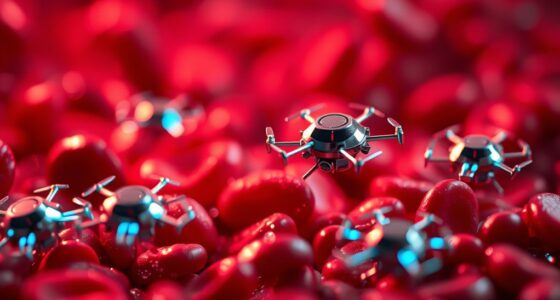
The molecule, called (amide-)N-methylnicotinamide, or N-MNA, is a precursor that cells can convert into nicotinamide adenine dinucleotide (NAD). The researchers report that it stimulated stem-cell regeneration in the gut, helping damaged intestinal tissue recover. NAD levels are known to decline with age, but the study does not establish that N-MNA can reverse age-related changes in people.
In experiments with human colon cells, N-MNA supplied about 22% of the cells’ NAD within 24 hours. Researchers also observed its conversion into NAD in human neurons, liver and kidney cells, as well as in fruit flies given the molecule. These findings show cellular uptake and conversion in experimental settings; they do not show that taking N-MNA, or eating bacteria that produce it, raises NAD in a person.
In mice with inflamed, damaged colons, untreated animals lost about 20% of their body weight and died, while animals injected with N-MNA lost about 5% and recovered. In fruit flies with gut damage, seven-day survival rose from 43% to 78% after N-MNA treatment. The researchers also examined stool from 54 people with inflammatory bowel disease and 20 healthy volunteers. Lower N-MNA levels in the patient samples were associated with higher levels of gut inflammation markers; that observation does not show that low N-MNA caused inflammation.
A bacterial molecule may support intestinal repair
Rutgers researchers found that N-MNA supported gut repair in animal experiments and supplied human cells with a precursor to NAD. It has not been tested as a treatment in people.
How the molecule may work
Some gut bacteria produce N-MNA, which cells converted into NAD in experimental settings.
The molecule is made by some gut bacteria.
NAD supports cellular processes, and the study observed conversion in human cells.
In mice and fruit flies, N-MNA supported intestinal stem-cell renewal and recovery.
What the experiments found
| Setting | Finding | What it means |
|---|---|---|
| Human colon cells | About 22% of NAD came from N-MNA within 24 hours | Cellular conversion in a lab |
| Mice with colon damage | Treated mice lost about 5% of body weight and recovered | Benefit in an animal model |
| Fruit flies with gut damage | Seven-day survival rose from 43% to 78% | Benefit in an animal model |
Human findings are associations
Researchers compared stool samples from people with inflammatory bowel disease and healthy volunteers.
- Lower stool N-MNA was associated with higher gut inflammation markers.
- The sample included 54 people with inflammatory bowel disease and 20 healthy volunteers.
- Whether low N-MNA causes inflammation or results from it.
- Whether N-MNA or bacteria that produce it help people.
Research continues
Rutgers teams are investigating the enzymes and bacterial genes involved, and whether N-MNA supports brain-cell health.
A Potential Route to Gut Repair
The work identifies a possible connection between gut microbes, NAD production and intestinal stem-cell renewal. If later studies confirm the effect in people, N-MNA or related compounds could offer a new research direction for inflammatory bowel disease and other chronic intestinal disorders. The animal results are encouraging within the models tested, but they are not evidence that the molecule is safe or effective as a human therapy.
The human stool findings may also help researchers investigate whether N-MNA levels track with disease activity. Rutgers professor Nan Gao said a stool test might eventually help identify patients who could benefit from probiotics, but described that prospect as years away. The study did not establish a diagnostic threshold or show that probiotic use changes disease outcomes.
Popular right now

Vitamix Touch & Go Advance 32-Ounce Bar Blender, White

De'Longhi Stilosa Compact Manual Espresso Machine with Milk Frother

De'Longhi Classic Signature Espresso Machine
As an affiliate, we earn on qualifying purchases.
How Bacterial N-MNA Differs
NAD cannot enter cells directly, so researchers have studied precursor molecules that cells can absorb and convert into it. The Rutgers team describes N-MNA as similar to a molecule human cells produce while handling excess NAD building blocks. A small chemical difference, the researchers say, lets the bacterial form be converted back into NAD, while the human-made counterpart cannot.
Some gut bacteria produce N-MNA or related NAD precursors. The study notes that bacteria from groups including Lactobacilli are available in foods such as yogurt and in supplements. However, the researchers did not test whether consuming those bacteria raises N-MNA or NAD in people. The study was led by doctoral student Jiangmeng Han and senior authors Nan Gao, Xiaoyang Su and Ching-On Wong, with work spanning Rutgers departments and campuses.
“The molecules animal cells and bacteria make are almost identical, but a tiny difference allows the creation of the bacterial compound back into NAD itself.”
— Xiaoyang Su, associate professor at Rutgers Robert Wood Johnson Medical School and senior study author
Human Benefits Remain Untested
The researchers did not administer N-MNA to people with inflammatory bowel disease, and the stool analysis cannot establish whether lower levels contribute to inflammation or result from it. It is also unknown whether probiotic strains that produce N-MNA, including strains used in foods or supplements, increase NAD in people or improve intestinal symptoms.
The study does not establish an effective human dose, treatment schedule, safety profile or possible side effects. Nor does it show that N-MNA prevents aging-related decline in NAD. The authors say they are still working to understand the underlying biology, including which human enzymes process the molecule.
Research Moves to Enzymes and Biology
The Rutgers team has received a five-year, $3.6 million National Institutes of Health grant to identify the human enzymes that process N-MNA. Gao’s lab is mapping the bacterial genes that produce the molecule, while Wong’s lab is studying whether it supports brain-cell health and longevity. Those projects may clarify how the molecule works, but they are not clinical trials.
Rutgers has filed a provisional patent application covering uses of N-MNA. Further steps would need to establish safety and efficacy in human studies before the molecule could be considered a treatment. The study’s findings were published in Science Advances under the title “The (amide-)N-methylnicotinamide is a microbe-derived NAD+ precursor that drives gut stem cell renewal.”
Source: rss
Key Questions
What is N-MNA?
N-MNA is a molecule produced by some gut bacteria. The study reports that cells can convert it into NAD, a coenzyme involved in cellular processes.
Was N-MNA tested as a treatment in people?
No. The researchers tested it in animal models and cells. The human component examined stool samples for associations between N-MNA levels and inflammation markers.
Did the study show that probiotics can repair intestinal damage?
No. The researchers did not test whether eating or taking bacteria that produce N-MNA raises NAD or improves gut disease in people.
What did the study find in people with inflammatory bowel disease?
Among stool samples from 54 patients with inflammatory bowel disease and 20 healthy volunteers, lower N-MNA was associated with higher gut inflammation markers. The finding does not establish that one caused the other.
Source: news-medical.net