TL;DR

Prime made for students and young adults
- Fast, free delivery for dorm and study essentials
- Prime Video and Amazon Music included
- Member-only deals
Individuals can now sequence their own DNA at home using commercially available kits and portable sequencers. This development makes genetic analysis more accessible but raises questions about accuracy and regulation. This article explains how it works and what remains uncertain.
Individuals can now sequence their own DNA at home using commercially available kits and portable sequencers, according to recent product launches and user reports. This development makes personal genetic analysis more accessible outside traditional labs, raising questions about accuracy, regulation, and privacy.
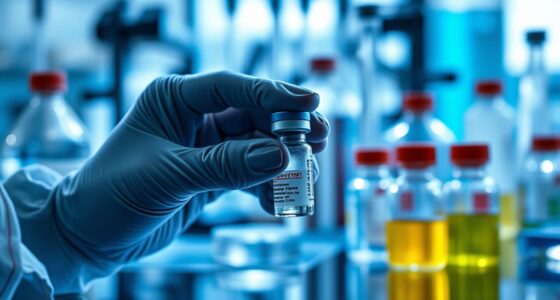
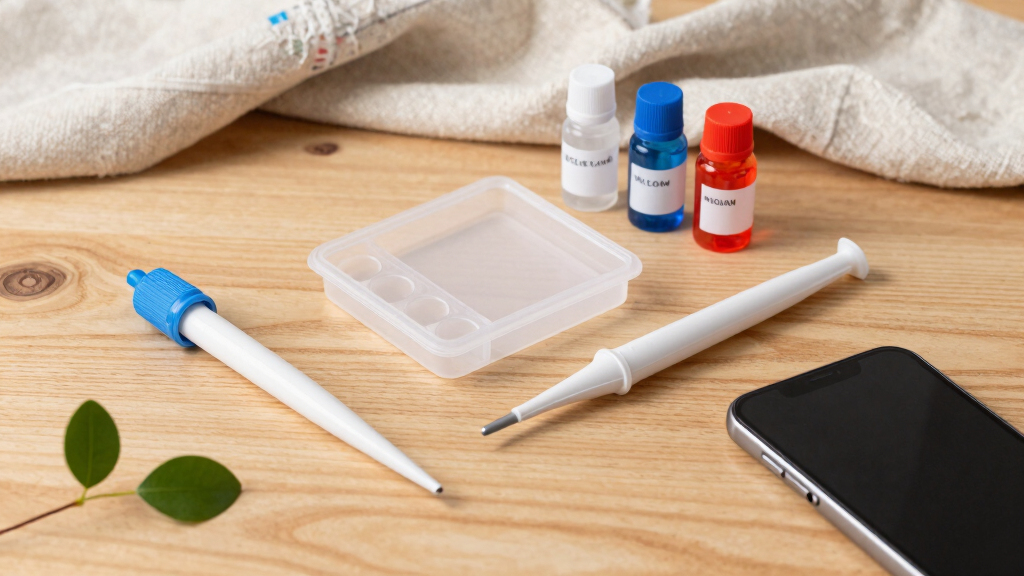
Several companies now offer DIY DNA sequencing kits that enable consumers to extract and analyze genetic material without specialized training. Devices like portable nanopore sequencers, originally used by researchers, are becoming more affordable and user-friendly, allowing enthusiasts to perform sequencing at home. These kits typically involve collecting a saliva or cheek swab sample, extracting DNA, and then using the device to read nucleotide sequences.
Experts confirm that while these tools are technically capable of providing genetic data, their accuracy and reliability vary. The FDA and other regulatory bodies have not yet fully approved these consumer devices for medical diagnostics, but they are marketed for educational and recreational purposes. Users should be aware of the limitations and potential for errors.
Some early adopters report successful sequencing of their mitochondrial DNA or certain genetic markers, but comprehensive genome sequencing remains complex and resource-intensive. As technology advances, the cost and complexity of at-home sequencing are expected to decrease, increasing accessibility for hobbyists and researchers alike.
Implications of DIY DNA Sequencing for Consumers
This development democratizes access to genetic information, enabling individuals to explore their ancestry, health predispositions, and genetic traits without relying solely on commercial labs. It could accelerate personal research and foster greater public engagement with genetics. However, it also raises concerns about data privacy, interpretation accuracy, and potential misuse of genetic information. Regulatory agencies have yet to establish clear guidelines for consumer-grade sequencing devices, which could impact their safety and reliability.
As an affiliate, we earn on qualifying purchases.
Growth of Consumer-Accessible Genetic Testing Technologies
Over the past decade, genetic testing has transitioned from specialized laboratories to direct-to-consumer products. Companies like 23andMe and AncestryDNA popularized genetic testing for ancestry and health insights. Recently, technological advances have enabled the miniaturization of sequencing equipment, making it feasible for individual use. Portable nanopore sequencers, such as Oxford Nanopore’s MinION, have been used in research settings and are now marketed for personal use, though with limitations.
While traditional sequencing involves complex procedures and significant costs, DIY kits aim to simplify the process. The availability of open-source software and tutorials further supports amateur genetic analysis, though experts warn about the potential for misinterpretation and privacy risks.
“While DIY DNA sequencing tools are advancing rapidly, users must understand their limitations and not rely solely on these results for medical decisions.”
— Dr. Emily Carter, geneticist
As an affiliate, we earn on qualifying purchases.
Current Limitations and Regulatory Gaps in Home Sequencing
It is not yet clear how accurate and reliable consumer DNA sequencing devices are for comprehensive or medical-grade analysis. Regulatory oversight remains limited, and there is ongoing debate about data privacy and ethical use. The long-term implications of widespread at-home sequencing are still being evaluated, and standards have yet to be established.
As an affiliate, we earn on qualifying purchases.
Future Developments and Regulatory Clarifications Expected
Manufacturers are expected to improve device accuracy and user interfaces, making at-home sequencing more reliable. Regulatory agencies may introduce guidelines to ensure safety and data privacy, shaping how these tools are marketed and used. Researchers and policymakers are closely monitoring the impact of DIY sequencing on healthcare, privacy, and ethical standards.
As an affiliate, we earn on qualifying purchases.
Key Questions
Can I get medically accurate DNA sequencing at home?
Currently, most consumer-grade sequencing devices are not approved for medical diagnosis. They provide genetic insights mainly for educational or recreational purposes, and their accuracy varies.
What equipment do I need to sequence my DNA at home?
Typically, you need a DNA collection kit (saliva or cheek swab), a portable sequencer like Oxford Nanopore’s MinION, and compatible analysis software. Some kits include all necessary components for simplified use.
Are there privacy concerns with DIY DNA sequencing?
Yes, sharing genetic data can pose privacy risks. Users should understand how their data is stored and whether it is shared with third parties, especially when using online analysis tools.
Is at-home DNA sequencing legal?
In most jurisdictions, using consumer DNA sequencing devices is legal for personal use. However, regulations may vary, and users should ensure compliance with local laws regarding genetic data and privacy.
Source: hn
Halloween Picks
halloween
As an affiliate, we earn on qualifying purchases.