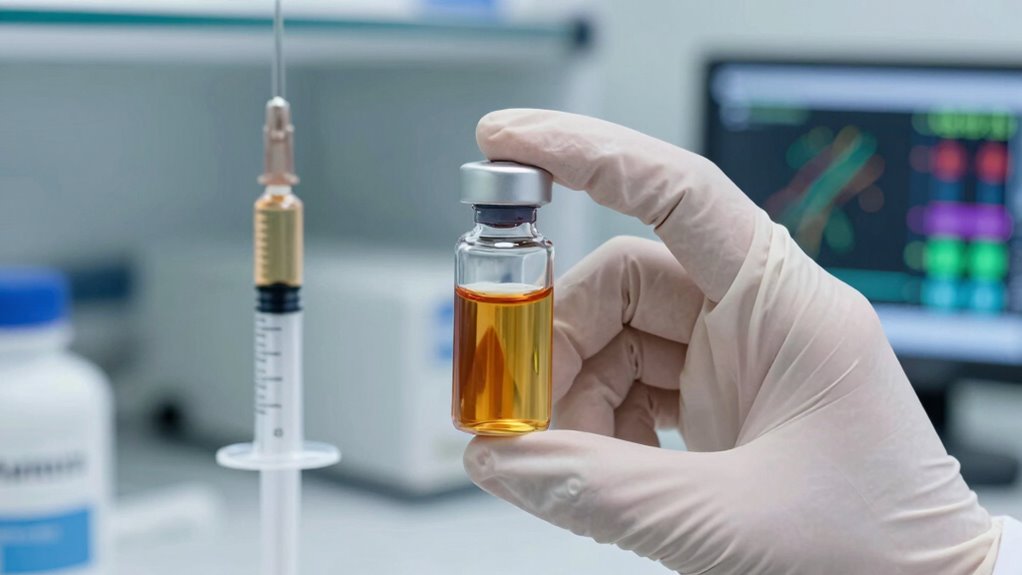

When you get vaccinated, your immune system learns to recognize specific pathogens by introducing harmless or weakened parts of them. This triggers your body’s immune response, activating B cells and T cells to prepare defenses. Over time, your body develops immune memory, allowing it to respond much faster if you encounter the actual threat again. This training makes your immune response quicker and more effective, helping you stay healthier. Keep exploring to discover more about how vaccines work in your body.

Prime made for students and young adults
- Fast, free delivery for dorm and study essentials
- Prime Video and Amazon Music included
- Member-only deals
Key Takeaways
- Vaccines introduce harmless pathogen parts, prompting the immune system to recognize and prepare for future infections.
- They activate B cells to produce antibodies that neutralize pathogens quickly upon exposure.
- Vaccines generate immune memory through memory B and T cells, enabling rapid response during future encounters.
- Booster shots reinforce immune memory, ensuring a faster, more effective immune response over time.
- Prior immune training reduces disease severity and speeds up recovery if infected later.
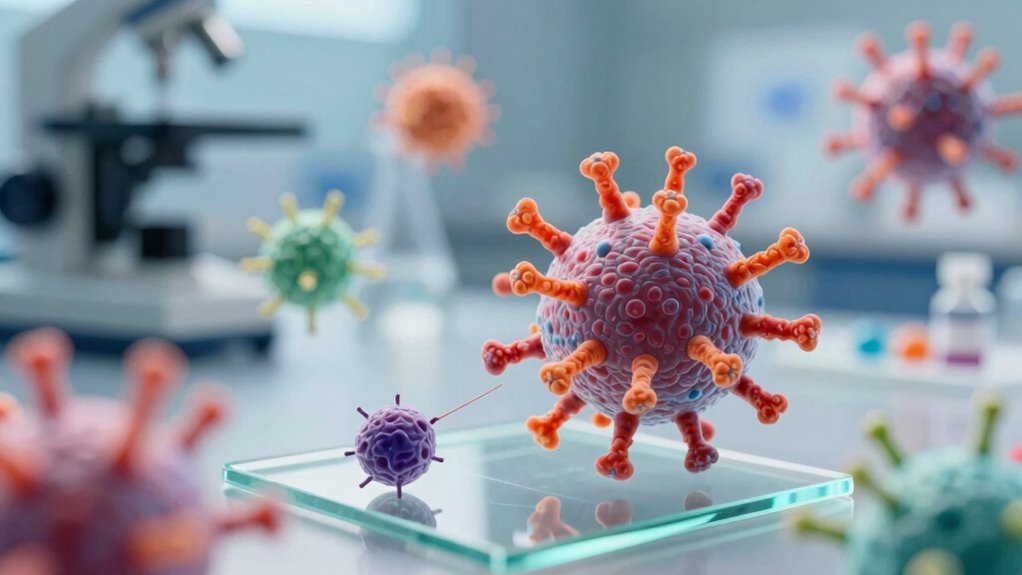
Have you ever wondered how vaccines prepare your body to fight off diseases? When you receive a vaccine, it introduces a harmless piece or a weakened form of a pathogen, prompting your immune system to respond without making you sick. This process kicks off your body’s ability to recognize and remember the invader later on. One key aspect of this is immune memory, which acts like a biological file system, storing information about the pathogen so your body can respond quickly if you encounter it again. This memory is what makes vaccines effective in providing long-lasting protection.
As your immune system processes the vaccine, it activates specific cells called B cells and T cells. B cells produce antibodies, which are specialized proteins designed to latch onto the pathogen and neutralize it. The initial antibody response might take a few days, but it’s crucial for controlling the infection early on. After this first encounter, some of these B cells become memory cells, which remain in your body for years or even decades. These memory cells are the foundation of immune memory, allowing your immune system to respond more rapidly and robustly during future exposures. Understanding how immune memory functions can help clarify why booster shots are sometimes necessary to maintain protection.
When you encounter the actual pathogen later, your immune system springs into action almost immediately. Thanks to immune memory, your body recognizes the invader almost instantly and triggers a swift antibody response. This rapid response can neutralize the pathogen before it causes severe illness, often reducing symptoms or preventing disease altogether. The speed and strength of this response are what make vaccines so powerful—they train your immune system to respond faster and more effectively. Immune system activation is a complex process that involves various cellular components working together to defend the body. Additionally, the training process enhances the efficiency of immune responses over time, making subsequent encounters with the pathogen less severe.
This training process is why vaccinated individuals often experience milder symptoms or no symptoms at all if they encounter the disease naturally. Your immune system, having already “studied” the pathogen through the vaccine, doesn’t need to start from scratch. Instead, it quickly ramps up the production of antibodies and activates immune cells that fight the infection. This training process is similar to how cybersecurity systems learn to detect threats more quickly after initial exposure, highlighting the importance of early detection and response. Over time, booster shots might be needed to reinforce this immune memory, especially as viruses mutate, ensuring your immune response remains sharp.
In essence, vaccines educate your immune system, creating a quick-acting defense that’s ready to respond at a moment’s notice. They harness your body’s natural ability to remember and respond, turning a potential threat into a manageable challenge. By training your immune system to respond faster through immune memory and a robust antibody response, vaccines provide a critical line of protection that keeps you healthier and safer. Additionally, understanding how immune memory functions can help people appreciate the importance of vaccination in long-term disease prevention.
As an affiliate, we earn on qualifying purchases.
Frequently Asked Questions
How Long Does Vaccine Immunity Last?
Vaccine immunity lasts for varying periods, depending on the vaccine and individual factors. Generally, vaccine durability can range from a few months to several years, with some requiring booster shots to maintain immunity longevity. You might find that your protection wanes over time, so staying updated with recommended boosters guarantees ongoing defense against diseases. Regular check-ins with your healthcare provider can help determine when you need additional doses for sustained immunity.
Can Vaccines Cause the Diseases They Prevent?
No, vaccines can’t cause the diseases they prevent. They contain safe vaccine ingredients like weakened or inactive germs, which stimulate your immune system without causing illness. This process helps build herd immunity, protecting those who can’t be vaccinated. Vaccines train your body to recognize and fight real infections more quickly, making it highly unlikely you’ll develop the disease from the vaccine itself.
Are There Differences in Vaccine Responses Among Age Groups?
Your immune response varies wildly across age groups, like night and day. Age-related immune variation means children typically react strongly to pediatric vaccines, often building immunity swiftly. In contrast, older adults might have a slower, less robust response due to immune aging. These differences influence vaccine effectiveness, requiring tailored approaches for each age group to guarantee everyone gets protected effectively.
Do Vaccines Work Against All Strains of a Virus?
Vaccine effectiveness varies against different virus strains due to viral mutation. Some vaccines remain highly effective, but their efficacy can decrease if the virus mutates considerably. That’s why scientists monitor viral mutations and update vaccines accordingly. While vaccines may not protect perfectly against all strains, they generally reduce severe illness and hospitalization. Continued vaccination and booster shots help maintain protection, even as the virus evolves.
What Are the Rare Side Effects of Vaccines?
You might worry about rare adverse effects, but vaccines are generally very safe. Rare side effects include mild reactions like soreness or fever, and very rarely, serious issues like allergic reactions or blood clotting problems. Vaccine safety is closely monitored worldwide, ensuring these rare adverse effects are identified and addressed. Overall, the benefits of vaccination far outweigh the minimal risks, helping protect you and your community from serious diseases.
immune system support supplements
As an affiliate, we earn on qualifying purchases.
As an affiliate, we earn on qualifying purchases.
Conclusion
So, next time you get vaccinated, remember how those tiny doses work behind the scenes, training your immune system to act faster. It’s no coincidence that vaccines and your body’s defenses align perfectly, like a well-choreographed dance. This connection, built through science and trust, keeps you protected when you need it most. Embrace the routine, knowing that each shot is a step toward a stronger, quicker response—an unseen but essential rhythm in your health.
As an affiliate, we earn on qualifying purchases.
B cell and T cell health supplements
As an affiliate, we earn on qualifying purchases.
As an affiliate, we earn on qualifying purchases.
Halloween Picks
halloween
As an affiliate, we earn on qualifying purchases.