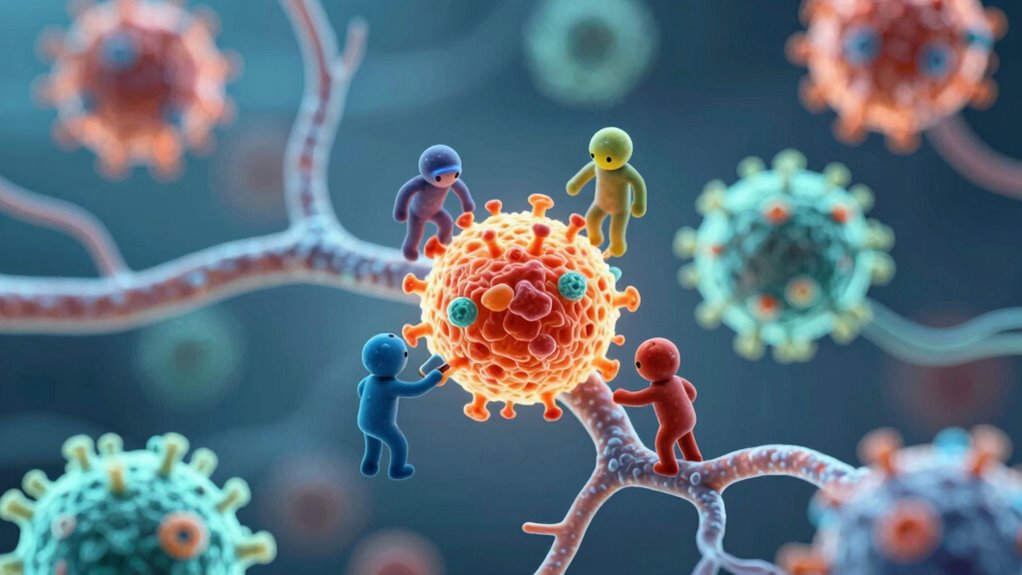

Vaccines teach your immune system to recognize and fight germs safely by using weakened, inactivated, or harmless parts of pathogens called antigens. These mimic the real threat but don’t cause illness. Your immune system responds by making antibodies and memory cells, which quickly react if the actual germ appears later. This process primes your immune defenses without making you sick and helps keep you protected—discover more about how vaccines work to keep you safe.
Key Takeaways
- Vaccines introduce weakened or harmless parts of pathogens to stimulate immunity without causing illness.
- They train the immune system to recognize antigens, enabling quick responses to real infections.
- Vaccines activate immune cells to produce antibodies and memory cells safely, without the full-blown disease.
- Proper vaccine design ensures they trigger immune responses without making you sick.
- Extensive testing and monitoring confirm vaccines are safe and effective, preventing disease without causing it.
What Are Vaccines and How Do They Protect Us?
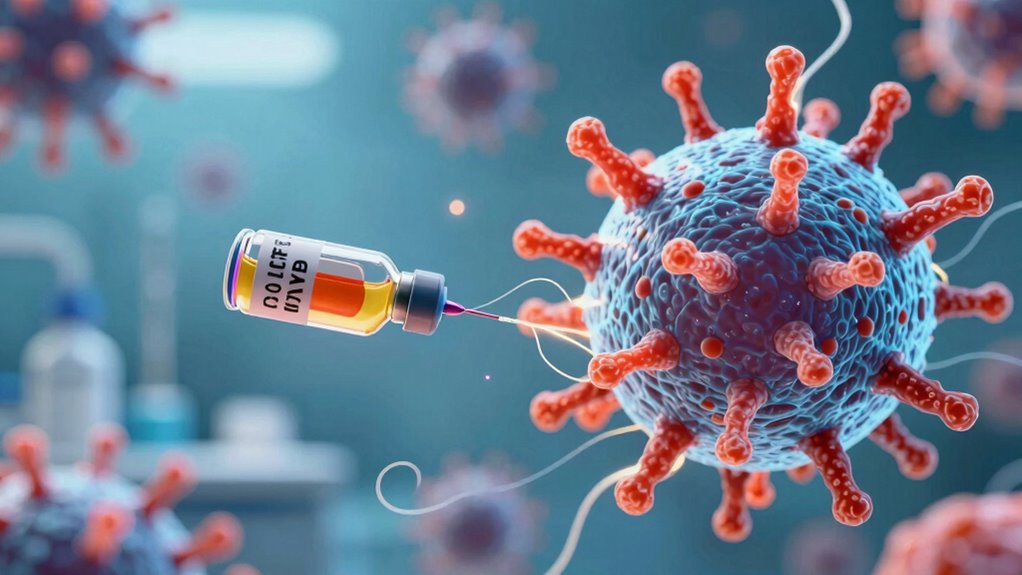
Vaccines are medical tools designed to boost your immune system‘s ability to fight off specific diseases. When a vaccine is developed, scientists carefully select and weaken or mimic parts of the pathogen to trigger an immune response without causing illness. This process, called vaccine development, prepares your body to recognize and combat the real disease if exposed later. As your immune system responds to the vaccine, it produces antibodies and memory cells that remember how to fight the pathogen. This preparation guarantees your immune response is faster and more effective if you encounter the actual disease. Fundamentally, vaccines teach your immune system to recognize threats, providing protection and helping prevent illness before symptoms even appear. Understanding vaccine mechanisms is essential to appreciating how they effectively train the immune system without causing disease. By introducing harmless components of the pathogen, vaccines stimulate your immune system in a safe way, leveraging immune response principles to build immunity. Additionally, understanding the biochemical processes involved in immune activation helps explain how vaccines generate lasting protection. Moreover, immune memory plays a crucial role in ensuring long-term immunity after vaccination.
How Do Vaccines Safely Teach Your Immune System?
Have you ever wondered how vaccines teach your immune system safely without making you sick? The answer lies in vaccine development, which carefully designs vaccines to trigger just enough of an immune response without causing illness. Scientists select weakened, inactivated, or harmless parts of germs—like proteins or sugars—that stimulate your immune system to recognize and remember the pathogen. This process allows your immune response to develop safely, creating memory cells that protect you in future encounters. Additionally, innovative European cloud servers help streamline vaccine research and data sharing, ensuring rapid development and monitoring of vaccines worldwide. These technological advancements facilitate efficient data sharing, which accelerates the development process and enhances safety monitoring. Because vaccines are thoroughly tested and monitored, they instruct your immune system effectively while ensuring safety. This careful balance ensures you gain immunity without experiencing the disease itself, making vaccines a powerful tool to protect your health safely. Moreover, immune response mechanisms are carefully studied to optimize vaccine formulations and effectiveness. This understanding allows scientists to improve vaccines continually and address emerging health threats. Understanding immune responses is essential to appreciating how vaccines work effectively, especially as advanced data analysis improves vaccine efficacy and safety.
How Do Antigens Help Your Body Recognize Germs?

Ever wonder how your body knows when it’s fighting a germ? It all comes down to antigens, the unique markers on the surface of pathogens like bacteria and viruses. These antigens serve as identity tags, helping your immune system recognize specific germs through germ recognition. Because of antigen diversity, each germ has distinct antigens, which makes it possible for your immune system to distinguish one germ from another. When your immune cells encounter an antigen, they learn to identify it quickly in future infections. This recognition triggers your immune response, producing antibodies and activating cells to fight the invader. Without antigens, your immune system wouldn’t be able to target germs accurately, making it essential for your body’s defense system to respond effectively. Additionally, research on 16PF traits shows how understanding individual differences can influence immune responses, highlighting the complexity of immune system functioning.
Furthermore, advances in sound healing science have provided new insights into how external stimuli can influence immune health, emphasizing the interconnectedness of bodily systems.
What Are the Main Types of Vaccines and How Do They Work?
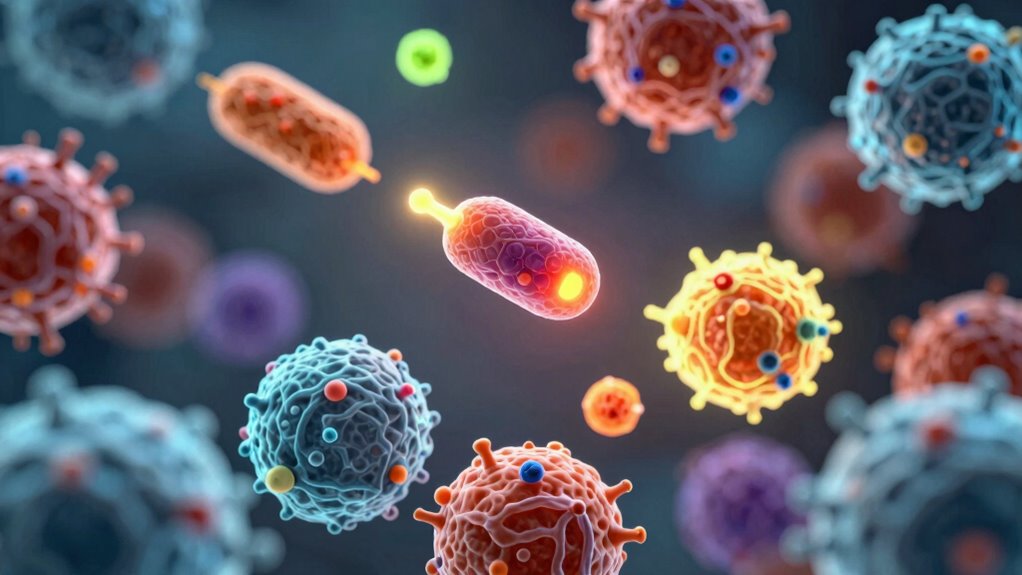
There are several main types of vaccines, each designed to train your immune response without causing illness. These vaccine types include inactivated, live attenuated, subunit, and mRNA vaccines. Inactivated vaccines use killed germs to stimulate immunity, while live attenuated vaccines contain weakened germs that replicate slowly. Subunit vaccines include only specific parts of the germ, like proteins, to trigger a response. mRNA vaccines deliver genetic instructions for your cells to produce germ proteins, prompting your immune system to respond safely. Each vaccine type teaches your immune system to recognize and fight the actual germ more effectively. By selecting different vaccine types, scientists can tailor immunity to be strong, safe, and effective against various diseases.
How Do Vaccines Trigger Immunity Without Making You Sick?

Vaccines activate your immune system by introducing a safe, harmless version of a pathogen, prompting it to respond. This mimicking process trains your body to recognize and fight the real virus later on. Because the vaccine doesn’t cause illness, your immune system gets the practice it needs without making you sick. Additionally, high-resolution imaging in modern vaccines helps the immune system better identify pathogens, increasing their effectiveness. This technology enhances the immune response, leading to better protection. Modern vaccine technology also leverages advanced immunological techniques to improve how your immune defenses are prepared. For example, antigen presentation techniques help your immune cells recognize and respond more efficiently.
Immune System Activation
When you receive a vaccine, your immune system is triggered to recognize and fight the specific pathogen without actually getting sick. The vaccine introduces harmless parts of a virus or bacteria, prompting your immune cells to respond. This activation involves producing antibodies and training memory cells to react faster if the real pathogen appears. Some vaccine side effects, like soreness or mild fever, are signs your immune system is responding. These reactions are temporary and much less severe than actual illness. Thanks to high global vaccination rates, more people develop immunity without widespread disease outbreaks. Your immune system’s ability to activate quickly and effectively is key to protection, allowing you to stay healthy while your body learns to defend itself. Understanding how immune activation works helps explain why vaccines are such powerful tools in disease prevention.
Safe Mimicking Process
To trigger your immune system without making you sick, vaccines use safe and carefully designed components of pathogens. These components, such as protein fragments or weakened forms, mimic the real disease but don’t cause illness. This approach guarantees vaccine safety while effectively stimulating your immune response. By presenting these harmless parts, your immune system learns to recognize and fight the actual pathogen in the future. The mimicking process is precise, so your body responds as if it encountered the real virus or bacteria, but without the risk of developing disease. This safe mimicking strategy allows your immune system to build a memory, ready to defend you quickly if exposed later. Additionally, free floating immune components can move freely within the body, enhancing the efficiency of immune training. Overall, it’s a clever way to teach your immune system without the danger of infection.
How Vaccines Build Immunity Through Memory Cells
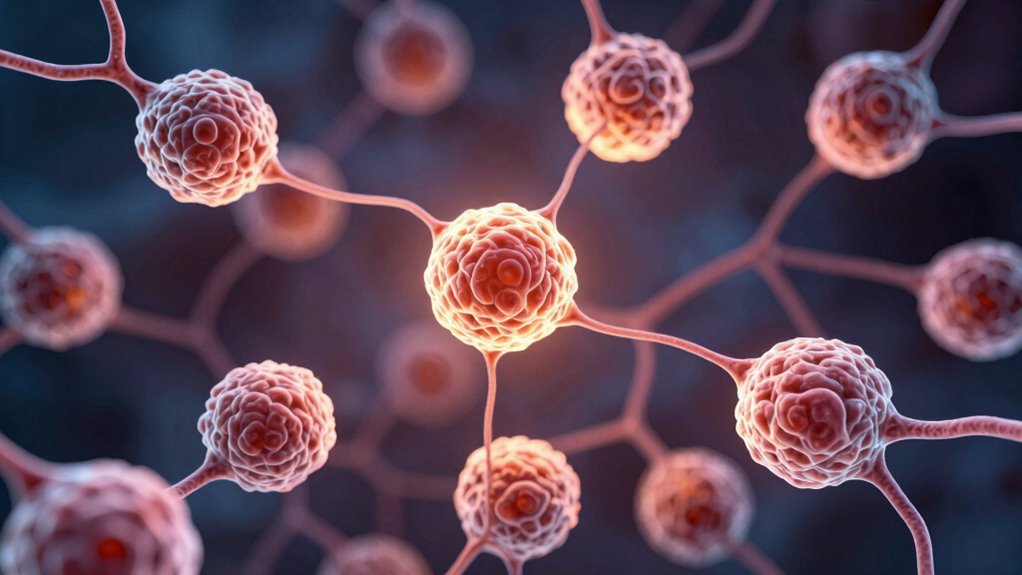
When you get vaccinated, your immune system creates memory cells that remember the pathogen. These cells stay alert, so if you encounter the real virus later, your body can respond quickly. This rapid activation helps protect you from illness before symptoms even develop. Additionally, vaccines stimulate the production of immune memory, which is essential for long-term protection. Understanding creative storytelling can also help health communicators craft messages that resonate and motivate vaccination. Recognizing the diverse types of vaccines helps explain how different formulations effectively prepare your immune system.
Memory Cell Formation
Have you ever wondered how vaccines provide long-term protection? It all starts with antigen presentation. When a vaccine introduces a weakened or harmless part of a pathogen, your immune system recognizes it as foreign. Specialized cells present these antigens to helper T cells, triggering the process of memory cell formation. These memory cells are like biological bookmarks, storing information about the pathogen. Once created, they persist in your body, ready to respond quickly if the real pathogen ever invades. This rapid recall helps your immune system mount a faster, stronger defense—often preventing illness altogether. By fostering memory cell formation, vaccines ensure that your immune system remembers the threat long after the initial exposure, providing durable immunity without causing disease.
Rapid Response Activation
Once your immune system has formed memory cells from a vaccine, it’s prepared to act swiftly if the real pathogen appears. These memory cells recognize the invader quickly, triggering an immediate immune response that can prevent illness or lessen its severity. This rapid activation is why vaccinated individuals often don’t get sick or experience mild symptoms. To guarantee vaccines work effectively, proper vaccine storage is critical; improper storage can reduce their potency, delaying the immune response. While some vaccine side effects, like soreness or mild fever, may occur, they’re typically short-lived and a sign that your immune system is responding. This quick mobilization of defenses demonstrates how vaccines prime your immune system for rapid, targeted action, keeping you healthier and protected.
Common Vaccine Myths and What the Science Says
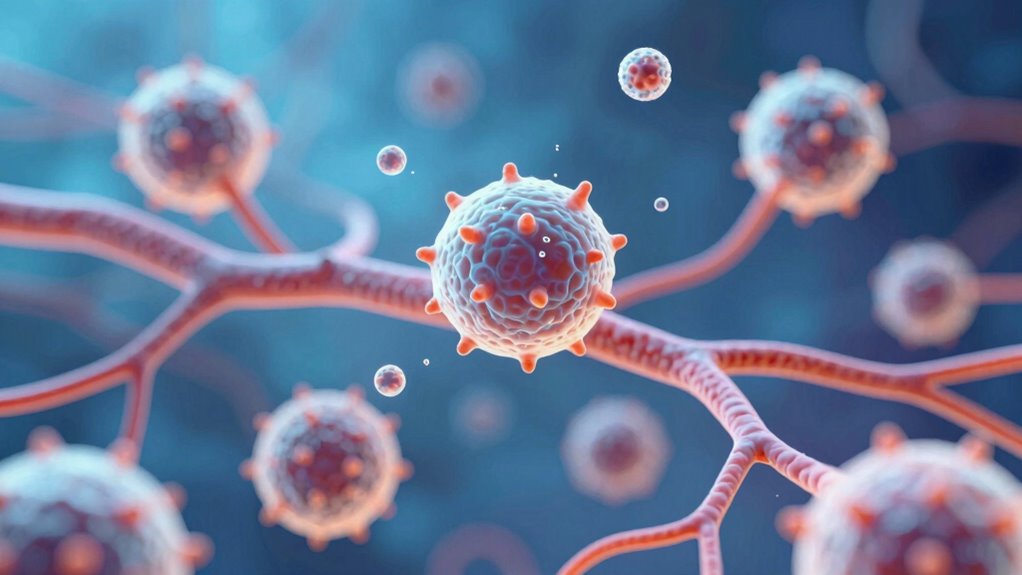
Many common vaccine myths persist despite overwhelming scientific evidence debunking them. One widespread misconception is that vaccines aren’t safe, but extensive research confirms vaccine safety is rigorously tested and monitored. Public misconceptions often lead to unfounded fears, making some believe vaccines cause autism or other serious health issues, but studies have shown no link between vaccines and autism. Another myth suggests that natural immunity is better, yet it often involves risking serious disease and complications. Vaccines are designed to protect you without exposing you to the dangers of the actual illness. Understanding the science behind vaccine safety can help you make informed decisions and trust in the rigorous processes that ensure vaccines are both effective and safe for everyone. Additionally, vetted safety measures ensure that vaccines undergo thorough evaluation before approval, including clinical trials and ongoing monitoring.
How Vaccines Help Protect Communities Through Herd Immunity
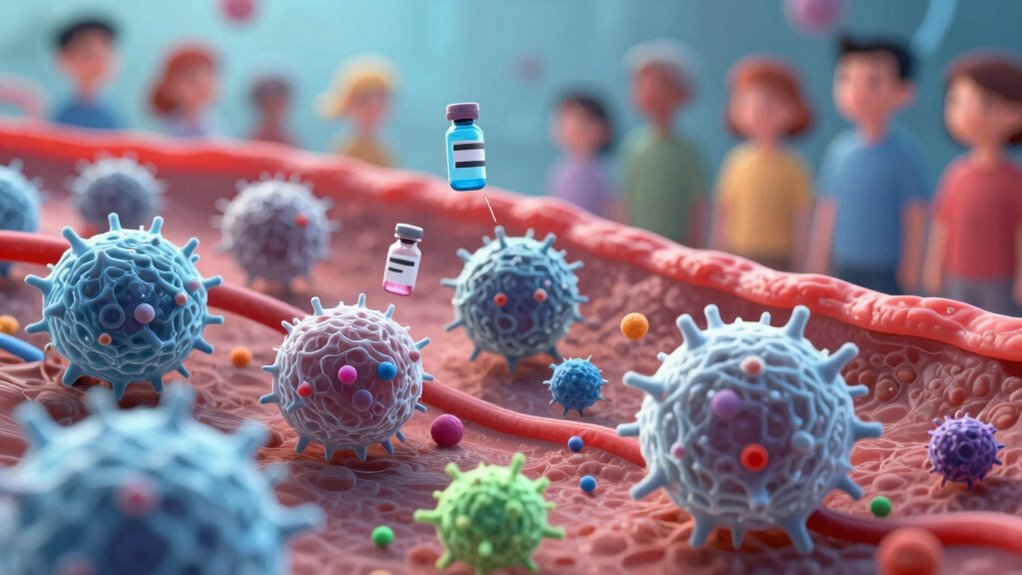
Ever wondered how vaccines protect not just individuals but entire communities? It’s through herd immunity, a powerful form of community protection. When enough people in a community get vaccinated, it becomes much harder for the disease to spread. This reduces the risk for those who can’t be vaccinated, like infants or people with certain health conditions. Herd immunity relies on high vaccination rates to create a barrier against outbreaks. As more individuals are protected, the disease struggles to find hosts, preventing widespread transmission. This collective shield benefits everyone, especially the vulnerable. By choosing to get vaccinated, you’re not only safeguarding yourself but also helping maintain herd immunity, ensuring your community remains healthier and safer for all.
Frequently Asked Questions
How Long Does Vaccine-Induced Immunity Typically Last?
The duration of immunity from vaccines varies, but many provide protection for several years, sometimes decades. You might need booster shots to maintain immunity, especially for diseases like tetanus or COVID-19, where immunity can wane over time. It is crucial to stay updated on recommended booster schedules to guarantee your immune system remains well-prepared. Regular check-ups and advice from your healthcare provider help determine when a booster is necessary for continued protection.
Can Vaccines Cause the Diseases They Prevent?
Vaccines are designed to be safe, so they can’t cause the diseases they prevent. They work by teaching your immune system to recognize pathogens without making you sick. This vaccine safety helps protect not just you but also others through herd immunity. By getting vaccinated, you reduce the risk of spreading illness, creating a healthier community for everyone. Rest assured, vaccines undergo rigorous testing to guarantee their safety and effectiveness.
Are There Risks or Side Effects Associated With Vaccines?
Did you know that serious vaccine side effects occur in less than 1 in a million cases? While vaccines are generally safe, there are minor side effects like soreness or fatigue. Vaccine safety is closely monitored by health authorities, and side effect management helps minimize discomfort. You can reduce risks by staying informed, reporting any unusual symptoms, and consulting your healthcare provider, ensuring your immunization experience is safe and effective.
How Do Vaccines Work in Immunocompromised Individuals?
In immunocompromised individuals, vaccines may have reduced efficacy, but they still help by stimulating an immune response. Your body recognizes the vaccine components and produces antibodies, offering some protection. While the immune response might be weaker, vaccines are generally safe and can still provide valuable defense. Healthcare providers often recommend specific vaccines or additional doses to optimize vaccine efficacy and help protect you from preventable diseases.
Do Vaccines Require Booster Shots to Maintain Protection?
You’ll find that most vaccine schedules recommend booster shots, as about 70% of vaccines require them to keep your protection strong. Boosters refresh your immune system’s memory, especially for diseases like tetanus or whooping cough. While initial doses build immunity, booster shots are essential to maintain that protection over time, ensuring your immune response remains effective against evolving or persistent threats.
Conclusion
So, next time someone claims vaccines are just “big pharma” magic tricks, remind them that they’re actually your immune system’s best teachers—without the risk of getting sick. Vaccines are the clever students of biology, turning your body into a germ-fighting ninja squad. Thanks to these tiny teachers, you stay healthy and help protect everyone around you. Because, honestly, who wouldn’t want a secret weapon that’s safe, smart, and ready to fight?