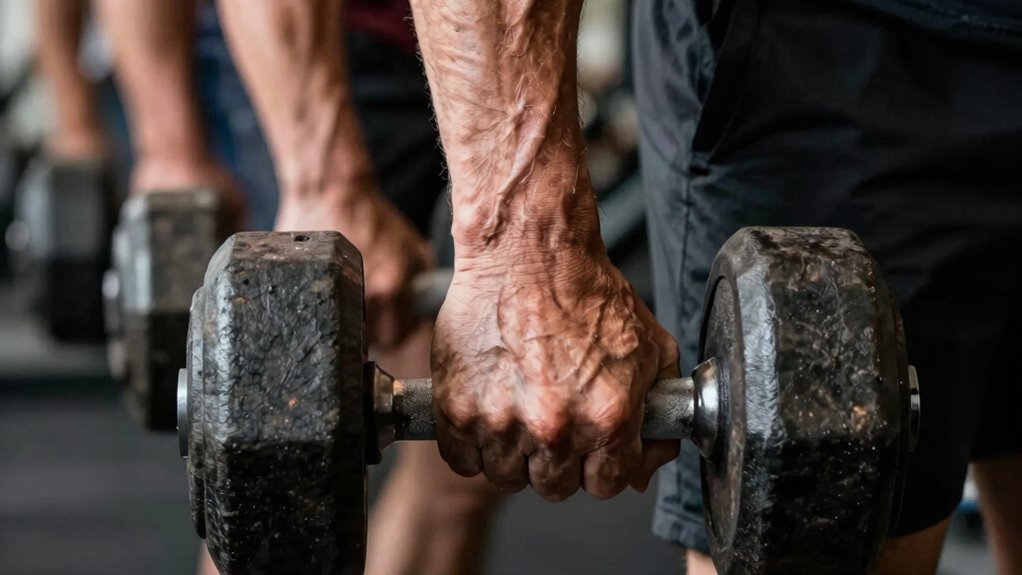

Building and maintaining muscle is vital for your overall health and longevity, even if fitness isn’t your goal. Muscle helps you burn more calories, supports bone health, and keeps you balanced and strong as you age. It also reduces the risk of falls, fractures, and chronic diseases like diabetes. Staying active with muscle-focused habits can make aging easier and more independent. Keep going to discover simple ways to preserve your muscle health long-term.
Key Takeaways
- Maintaining muscle supports metabolic health, reducing chronic disease risks and promoting a longer, healthier lifespan.
- Strong muscles help preserve mobility and independence, enabling active aging and daily functioning.
- Muscle tissue burns more calories at rest, aiding in weight management and preventing age-related weight gain.
- Building muscle strengthens bones, decreasing osteoporosis risk and preventing fractures as you age.
- Regular muscle maintenance enhances balance and stability, reducing fall risk and supporting overall safety.
Why Building Muscle Is Essential for a Longer, Healthier Life

Building muscle is essential for extending your lifespan and improving overall health. When you focus on muscle recovery, you help prevent injuries and keep your muscles strong and resilient. Proper protein timing is critical; consuming protein soon after workouts supplies your muscles with the nutrients they need to repair and grow. This process not only boosts your strength but also supports metabolic health, reducing the risk of chronic diseases. Building muscle also preserves bone density and improves balance, which are key for staying active as you age. The more muscle you maintain, the better your body can handle daily stresses, burn calories efficiently, and stay functional longer. Prioritizing muscle recovery and protein timing now sets a foundation for a healthier, longer life.
How Muscle Mass Declines With Age and Why It Matters
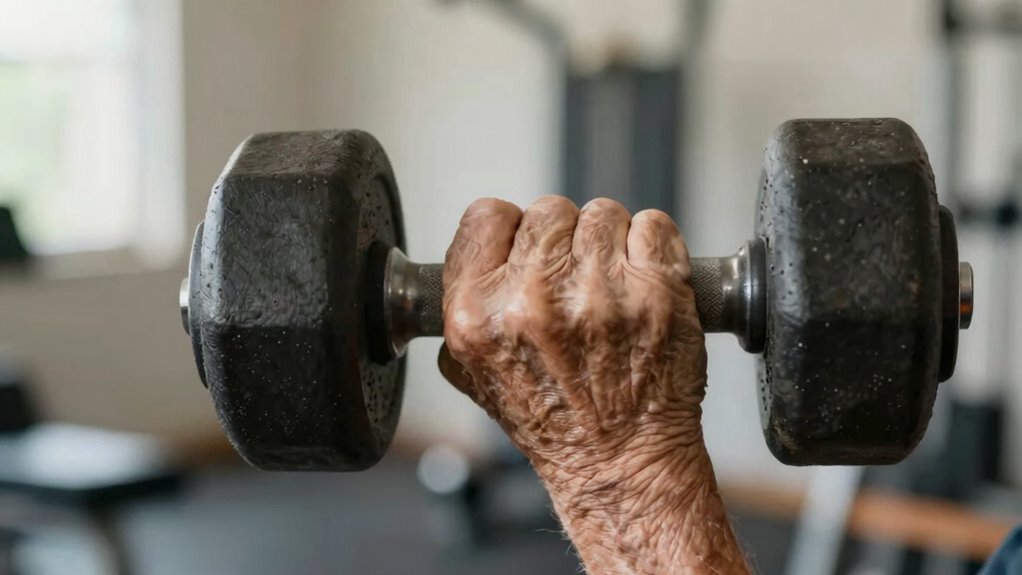
As you age, muscle mass naturally declines—a process called sarcopenia—that can considerably impact your strength, mobility, and overall health. This muscle decline starts around your 30s and accelerates after 50, leading to decreased muscle fibers and strength. The aging effects of reduced muscle mass make everyday activities harder, increase fall risk, and can contribute to chronic conditions like diabetes and osteoporosis. Without intervention, you might notice more fatigue, less balance, and difficulty lifting or climbing. Understanding how muscle decline occurs helps you appreciate its importance for your longevity. Staying active and maintaining muscle mass can slow these aging effects, preserving your independence and quality of life longer. Recognizing this natural process empowers you to take proactive steps today.
How Building Muscle Boosts Your Metabolism

When you build muscle, your body burns more calories even when you’re resting. Muscle tissue helps maintain your resting metabolism, making it easier to stay lean. This means that increasing your muscle mass directly boosts your overall calorie burn throughout the day.
Muscle Burns More Calories
Have you ever wondered why muscle tissue is so effective at burning calories? The answer lies in its higher energy demand compared to fat. When you build muscle, your body increases calorie burning even when you’re at rest. This process provides a steady metabolic boost, meaning your body uses more energy just to maintain the muscle tissue. The more muscle you have, the more calories your body burns daily, making it easier to manage weight and support overall health. This metabolic boost isn’t just about activity; muscle tissue continues to use calories long after your workout ends. Additionally, muscle’s metabolic activity demands more energy, further increasing calorie expenditure. So, by increasing your muscle mass, you’re actively boosting your calorie burning capacity, which plays a key role in supporting longevity and overall well-being.
Maintains Resting Metabolism
Building muscle directly boosts your resting metabolism because muscle tissue requires more energy to maintain than fat does. When you preserve muscle, your body burns more calories even while at rest, thanks to an increased resting metabolism. This effect helps prevent weight gain and supports overall metabolic health. As you age, muscle preservation becomes even more critical, since natural muscle loss can slow down your resting metabolism. Maintaining or building muscle ensures your body continues to burn calories efficiently, making it easier to manage weight and stay healthy long-term. Additionally, engaging in free floating activities can further support muscle maintenance and overall vitality. Recognizing the importance of muscle preservation can motivate consistent strength training and activity. Incorporating regular resistance exercises can help offset age-related muscle loss, ensuring your metabolism remains active and effective. Plus, understanding the role of auditory processing in overall health can encourage a more holistic approach to wellness. Research also shows that metabolic health is crucial for longevity and disease prevention. By prioritizing muscle preservation, you’re not just improving strength—you’re supporting a higher resting metabolism that benefits your longevity and overall well-being.
Muscle and Bone Strength: Why Both Are Vital as You Age

Maintaining muscle and bone strength keeps you mobile and balanced as you age, making daily activities easier. It also helps prevent osteoporosis and reduces fracture risks. Strong muscles and bones are essential for staying independent and supporting your overall health. Engaging in regular strength training can significantly improve your net worth by boosting your physical resilience and reducing healthcare costs.
Preserving Mobility and Balance
As you age, preserving mobility and balance becomes essential for maintaining independence and quality of life. Incorporating balance training helps you stay steady on your feet, reducing fall risk and boosting confidence. Flexibility exercises improve your range of motion, making daily movements easier and less painful. These practices work together to keep your muscles and joints responsive, supporting overall stability. Regularly practicing balance training can strengthen stabilizer muscles, while flexibility exercises prevent stiffness that hampers movement. Staying active in this way maintains your ability to perform everyday tasks, from walking to reaching. By prioritizing these exercises, you help ensure that your body remains resilient, agile, and capable of adapting to life’s physical demands as you age.
Preventing Osteoporosis Risks
Did you know that strong muscles and bones work together to protect you from osteoporosis? When you keep your muscles active, they help stimulate your bones, increasing bone density and reducing the risk of osteoporosis. Building muscle through resistance training not only supports your strength but also encourages your bones to stay dense and healthy. This combined effort is essential for fracture prevention as you age, because weaker bones are more prone to breaks. Staying active with weight-bearing exercises helps maintain bone mass and prevents the loss that leads to osteoporosis. Remember, muscle health directly impacts your bone health, making it crucial to incorporate strength training into your routine to safeguard against fractures and preserve your independence over time.
Supporting Daily Functionality
Having strong muscles and bones is essential for everyday activities, especially as you age. When you maintain muscle strength, you improve muscle recovery after physical activity, helping you stay active and independent longer. Flexibility in your muscles also plays a key role; it prevents stiffness and reduces the risk of falls. As you age, maintaining muscle flexibility ensures you can perform daily tasks with ease, from bending to reaching. Incorporating regular exercise that promotes both muscle recovery and flexibility keeps your muscles resilient, supporting your ability to move comfortably. Strong, flexible muscles help you carry groceries, stand up from a chair, and avoid injuries. Prioritizing muscle and bone health safeguards your daily functionality, making aging a more manageable and active experience. Developing a relationship with your inner guidance can motivate consistent movement and healthy habits that support lifelong mobility.
How Muscle Helps Prevent Falls and Frailty in Older Adults

Maintaining muscle strength plays a crucial role in preventing falls and reducing frailty among older adults. Strong muscles improve balance, coordination, and stability, which are essential for fall prevention. Here’s how muscle contributes:
- It supports joint stability, decreasing the risk of missteps.
- It enhances proprioception, helping you sense your body’s position.
- It boosts strength, making everyday tasks easier and safer.
- It reduces frailty by preserving muscle mass, keeping you independent longer.
- Incorporating strength training into your routine can further protect against age-related decline.
Easy Exercises to Maintain or Grow Muscle at Any Age

No matter your age, staying active with simple exercises can help you preserve or build muscle strength. Incorporate easy activities like stretching routines and flexibility exercises into your daily routine. These low-impact options improve mobility and help prevent muscle loss. You don’t need heavy weights; even bodyweight moves work well. Focus on consistency, and gradually increase intensity. Here’s a quick guide:
| Exercise Type | Examples |
|---|---|
| Stretching routines | Hamstring stretches, shoulder rolls |
| Flexibility exercises | Gentle yoga, seated stretches |
| Bodyweight exercises | Wall push-ups, chair squats |
| Balance drills | Standing on one leg, heel-to-toe walk |
These simple movements are effective for maintaining and growing muscle at any age. Staying active regularly also supports overall well-being and muscle preservation, which is crucial as we age. Incorporating muscle maintenance into your routine can lead to better health outcomes and increased independence over time. Engaging in consistent activity helps to prevent muscle loss, a common concern as part of the aging process. Additionally, muscle strength plays a vital role in reducing fall risk and enhancing daily functional abilities.
Nutrition Tips for Building and Preserving Muscle

Eating the right nutrients can substantially boost your efforts to build and preserve muscle. Focus on optimizing your protein intake throughout the day to support muscle repair and growth. Here are key tips:
- Distribute protein evenly across meals to maximize muscle synthesis.
- Prioritize high-quality protein sources like lean meats, dairy, or plant-based options.
- Pay attention to meal timing—consuming protein soon after workouts enhances recovery.
- Don’t neglect overall calorie intake; enough energy is essential for muscle maintenance.
Does Strength Training Outperform Cardio for Longevity?

You might wonder whether strength training or cardio better supports longevity. While lifting weights helps preserve muscle mass as you age, cardio offers significant cardiovascular benefits. Comparing these approaches can help you choose the most effective way to stay healthy long-term. Additionally, understanding the importance of maintaining muscle health can lead to more informed choices about your fitness routine.
Muscle Mass and Aging
As we age, maintaining muscle mass becomes increasingly important for overall health and longevity. Strength training helps preserve muscle endurance and muscle flexibility, which decline with age. To understand its benefits, consider these points:
- Boosts muscle endurance, making daily activities easier and reducing fatigue.
- Preserves muscle flexibility, preventing stiffness and improving mobility.
- Supports bone health, lowering fracture risk.
- Maintains metabolic rate, aiding weight management and reducing chronic disease risk.
Compared to cardio, strength training directly targets muscle health, which is essential for aging gracefully. Building and maintaining muscle mass ensures you stay functional longer, keep your independence, and reduce age-related frailty. So, focusing on strength isn’t just about fitness—it’s about longevity.
Cardiovascular Benefits Comparison
While both strength training and cardio offer cardiovascular benefits, recent research suggests that strength training may provide unique advantages for longevity that often surpass traditional cardio routines. Strength training improves cardiovascular health by reducing blood pressure and enhancing arterial function, which are vital for heart disease prevention. It also promotes better blood sugar regulation and lowers inflammation, both linked to cardiovascular risks. While cardio is excellent for immediate heart health, strength training builds muscle that supports overall vascular function and resilience over time. This combined effect can lead to a lower incidence of heart disease and longer lifespan. Additionally, engaging in regular strength exercises can enhance overall vitality, contributing to a more active and healthier life in old age. So, if your goal is longevity, incorporating strength exercises might give you a cardiovascular edge that goes beyond just burning calories.
Common Myths About Muscle and Aging Debunked
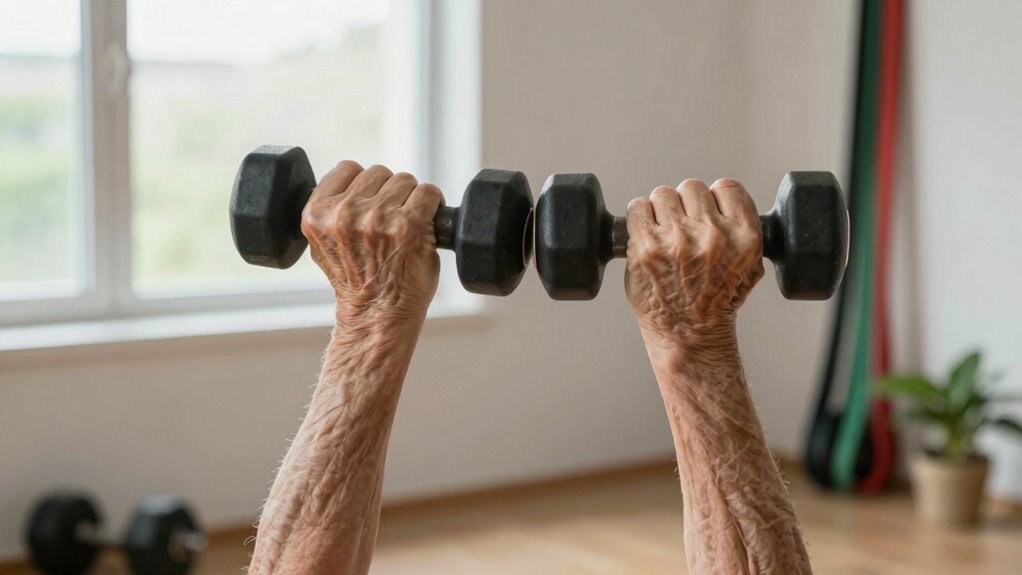
Many people believe that muscle loss with age is unavoidable and that building or maintaining muscle becomes impossible after a certain point. These muscle misconceptions fuel aging myths that limit your efforts. But the truth is, you can combat muscle decline at any age. Here are common myths debunked:
- Muscle loss is inevitable — regular strength training slows or reverses it.
- Older adults can’t build muscle — research shows significant gains even later in life.
- Only young people need muscles — everyone benefits from muscle for longevity.
- Muscle loss equals frailty — strength improves balance and reduces fall risk.
- Understanding muscle health and proper maintenance can also reflect the importance of regular care in overall health. Recognizing the role of muscle preservation helps emphasize that consistent effort is key at any age. Moreover, embracing a lifelong approach to fitness can significantly enhance quality of life as you age.
Understanding these aging myths helps you realize that maintaining muscle isn’t just for fitness buffs — it’s a crucial part of aging well.
Simple Habits to Keep Your Muscles Strong Over Time
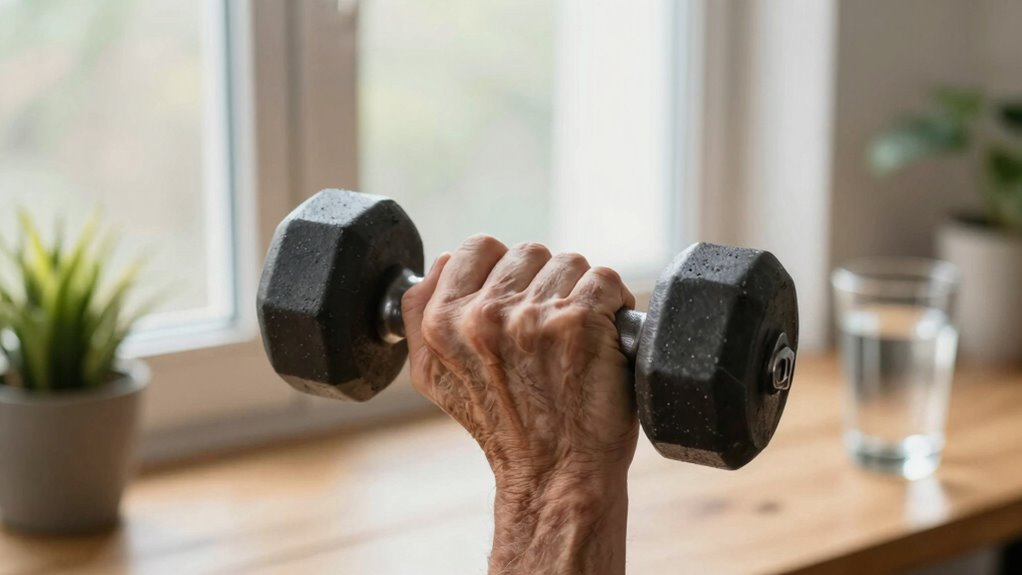
Maintaining strong muscles over time doesn’t require complex routines; simple daily habits can make a significant difference. Prioritize adequate muscle recovery by giving your muscles time to rest after activity, which helps prevent injury and supports growth. Incorporate gentle stretching to improve muscle flexibility, reducing stiffness and enhancing movement quality. Stay active with regular, moderate exercise, like walking or bodyweight movements, to stimulate muscle maintenance. Hydration and balanced nutrition, especially protein intake, also play key roles in muscle health. Avoid prolonged inactivity, which can lead to muscle loss. Additionally, be aware of factors such as proper regulation which impact muscle preservation as you age. Research suggests that muscle resilience can be supported through consistent habits, ensuring they stay strong and flexible as you age. Engaging in activities that promote muscle adaptation can further enhance your overall muscle health. Developing a routine that includes muscle maintenance strategies can help sustain your strength and flexibility over time. Incorporating strength training techniques into your routine can accelerate muscle preservation and growth. These habits promote muscle resilience, ensuring they stay strong and flexible as you age. Consistency is key—small, sustainable changes make a lasting impact on your muscle health over time.
Frequently Asked Questions
Can I Build Muscle Without Going to the Gym?
Yes, you can build muscle without going to the gym by doing home workouts and bodyweight exercises. Push-ups, squats, lunges, and planks are effective for muscle growth. Consistency and proper form are key, so focus on gradually increasing reps or intensity. No equipment? No problem—many exercises rely solely on your body weight. With dedication, you’ll see muscle gains right at home.
How Quickly Can I See Muscle Gains After Starting Strength Training?
You can notice muscle gains as early as 2-4 weeks with consistent strength training. Notably, most people hit a strength plateau around 6-8 weeks, but ongoing muscle recovery helps prevent stagnation. To maximize progress, focus on proper recovery, nutrition, and gradually increasing intensity. Stay committed, and you’ll see visible improvements sooner than you might expect, boosting both your strength and overall health.
Is Muscle Loss Inevitable With Aging?
Muscle loss isn’t inevitable with aging, but muscle atrophy becomes more common if you don’t stay active. As you age, the effects of inactivity can accelerate muscle decline, but regular strength training helps combat this. Keeping engaged in resistance exercises can slow down age-related muscle atrophy, preserve strength, and support overall health. So, you can defy these aging effects by maintaining an active lifestyle focused on muscle preservation.
Are There Specific Diets That Optimize Muscle Preservation?
You can’t afford to ignore nutrition strategies that preserve muscle! Focus on diets rich in high-quality protein, like lean meats, fish, and plant-based sources. Incorporate supplement options like whey protein or BCAAs to boost muscle retention. Eating balanced meals regularly fuels your muscles and fights age-related decline. Prioritize these strategies now, and you’ll thank yourself later for maintaining strength, independence, and robustness through every stage of life.
How Does Muscle Health Affect Mental Well-Being?
Muscle health directly boosts your mental health and cognitive function. When you stay active and maintain strong muscles, your brain releases more mood-enhancing chemicals like endorphins and serotonin. This improves your overall mental well-being and sharpens your thinking. Plus, stronger muscles support better posture and reduce fatigue, helping you feel more energetic and focused throughout the day. Prioritizing muscle health can make a real difference in how you feel mentally.
Conclusion
Maintaining muscle isn’t just about fitness—it’s about longevity and quality of life. For example, imagine someone in their 70s who regularly strength trains; they’re more likely to live independently and avoid falls. By prioritizing muscle health through simple habits and smart nutrition, you can enjoy years of vitality. Remember, building and preserving muscle now sets the foundation for a stronger, healthier future—no matter your age or fitness goals.