

Even when scans look normal, your pain can still be real because pain isn’t just about visible damage; it involves complex neural pathways and brain processing. Your nervous system can amplify signals through processes like central sensitization, making you feel pain even without tissue injury. Inflammation or tiny soft tissue changes often don’t show up on scans. To understand how your brain and nerves can cause pain beyond visible signs, keep exploring this important topic.
Key Takeaways
- Pain involves neural pathways and brain interpretation, which can cause discomfort without visible tissue damage.
- Imaging tests focus on bones and dense tissues, often missing soft tissue, nerve, or subtle neural changes.
- Central sensitization and neural plasticity can amplify pain signals, maintaining pain even after healing.
- Emotional factors, stress, and past experiences influence pain perception independently of visible injury.
- Soft tissue injuries or inflammation may be too subtle for scans but still cause real, persistent pain.
Top picks for "pain real even"
Open Amazon search results for this keyword.
As an affiliate, we earn on qualifying purchases.
Understanding Why You Can Have Pain Without Visible Damage

Even when scans show no visible damage, you can still experience significant pain because pain isn’t solely linked to physical injuries. Your brain and nervous system play a vital role through neural pathways that process pain perception. These pathways can become hypersensitive or misfire, sending pain signals even without actual tissue damage. This phenomenon is known as central sensitization, which explains why pain can persist beyond tissue healing. This means your pain might stem from how your nervous system interprets signals, not the physical state of your body. Factors like stress, anxiety, or previous injuries can amplify this response, making pain feel more intense. Understanding that neural pathways and pain perception can be influenced by neural pathways helps explain why you might hurt despite normal scans. It emphasizes that pain isn’t always a sign of visible injury but often involves complex neural processes.
Limitations of MRIs and X-Rays in Detecting Soft Tissue or Nerve Issues

While understanding neural pathways explains why pain can persist without visible damage, imaging tests like MRIs and X-rays have limitations in detecting certain soft tissue and nerve problems. These imaging methods often focus on bones and dense tissues, but soft tissues and nerves are harder to visualize clearly. Nerve regeneration, for example, can occur without leaving obvious signs on scans, making it difficult to identify the root cause of pain. Imaging limitations mean you might have ongoing pain even if scans appear normal. Small nerve injuries, inflammation, or subtle soft tissue damage often escape detection. As a result, persistent pain may not correlate with visible abnormalities, highlighting the importance of considering other diagnostic approaches and clinical evaluations beyond just imaging.
How Nerve Signals and Brain Processing Create Pain Beyond Structural Damage
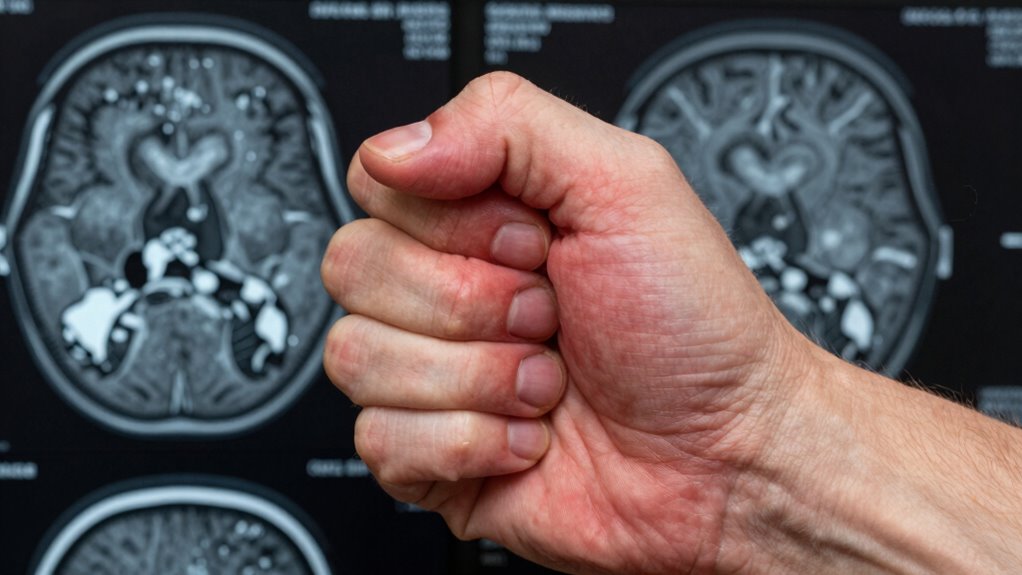
Pain is often driven by how your nerves transmit signals and how your brain interprets them, rather than just by visible tissue damage. Your neural pathways carry pain signals from injury sites or nerves to your brain, but pain perception isn’t solely based on physical harm. Instead, your brain processes these signals, influenced by past experiences, emotions, and attention. Sometimes, your nervous system amplifies signals, making you feel pain even when there’s no clear tissue damage. This complex communication means pain can exist independently of structural issues. Additionally, understanding the role of Paint Sprayer Zone and how equipment maintenance affects performance can help in managing pain related to repetitive tasks and ergonomic strain. Recognizing the importance of contrast ratio in imaging can also be metaphorically applied to how your brain emphasizes certain signals over others, further influencing pain perception. For example, electric power generated by physical activity can sometimes impact nerve sensitivity and pain signaling, highlighting the interconnectedness of physical effort and neural response. Furthermore, research into neural plasticity shows that your nervous system can adapt over time, which can either heighten or diminish pain sensations depending on various factors. In addition, the way your brain prioritizes certain stimuli over others can alter your experience of pain, demonstrating the significance of perceptual processing. This helps you realize that pain isn’t always a sign of ongoing injury but a result of how your nervous system and brain work together to create the sensation of pain.
What Is Central Sensitization and How It Affects Your Pain

Central sensitization changes how your brain processes pain, making it more sensitive than normal. As a result, pain signals become amplified, even without new injury or damage. Understanding this process can help you better manage persistent pain that scans might not reveal.
Brain’s Pain Processing Changes
Even when scans show nothing abnormal, your brain can still amplify pain signals through a process called central sensitization. This occurs because your brain’s neuroplasticity allows it to rewire itself in response to ongoing pain, making your pain perception more sensitive. Instead of simply reflecting tissue damage, your brain heightens signals, causing you to experience pain even without clear injury or inflammation. This change in how your brain processes pain means that your nervous system becomes more reactive, amplifying signals from normal stimuli. As a result, your pain feels intense, even when the source isn’t visible on scans. Central sensitization highlights how your brain’s adaptability can alter pain perception, making pain a complex and personal experience beyond what imaging shows.
Amplified Pain Signals
When your nervous system becomes more sensitive, it can send stronger signals of pain even without any new injury or tissue damage. This heightened sensitivity results from neural plasticity, where your nervous system adapts and amplifies pain signals. In central sensitization, your brain and spinal cord become more reactive, causing your pain perception to increase. Instead of normal, protective signals, you experience exaggerated pain responses to stimuli that shouldn’t be painful or are less intense. This process explains why your pain might feel intense even when scans show no tissue damage. It’s not about ongoing injury but changes within your nervous system, making your pain signals stronger and more persistent than they should be.
Why Inflammation and Soft Tissue Problems Sometimes Don’t Show Up on Scans

You might have pain from soft tissue damage or inflammation that doesn’t appear on scans. Sometimes, these issues are too small or deep for imaging to detect. As a result, your pain can be real even if your scans look normal.
Hidden Soft Tissue Damage
Soft tissue damage often remains hidden on scans because inflammation and micro-tears don’t always show up clearly with standard imaging techniques. For example, a muscle strain or ligament sprain might cause significant pain but leave no visible signs on an MRI or X-ray. These injuries involve tiny tears or inflammation deep within soft tissues that are difficult to detect. Because imaging focuses on bones and larger structures, subtle soft tissue issues can go unnoticed. This is why imaging limitations mean you might experience ongoing pain despite normal scan results. Soft tissue injuries are often diagnosed through physical exams, movement assessments, and your symptoms rather than imaging alone. Recognizing this hidden damage helps explain why your pain persists even when scans seem normal.
Inflammation Doesn’t Show Up
Inflammation is a key factor in many soft tissue injuries, but it often doesn’t show up on scans because of how imaging techniques work. These scans mainly detect structural issues, not the subtle signs of ongoing inflammation. This limitation can be frustrating, but building emotional resilience helps you accept that pain is real even if scans are normal. Lifestyle adjustments, like managing stress and practicing gentle movement, can reduce inflammation and improve symptoms. Remember, inflammation can fluctuate and may not be visible at the time of imaging, yet still cause pain. Understanding this helps you trust your experience and stay proactive. Recognizing the limitations of imaging can help you develop a more comprehensive approach to your recovery. Being aware of inflammation’s hidden nature encourages patience and persistence in your healing process. Additionally, educating yourself about soft tissue injury mechanisms can empower you to make informed health decisions. Recognizing that inflammation can be transient emphasizes the importance of a holistic view of injury and recovery. Developing emotional resilience can also help you cope better with the uncertainty surrounding diagnosis and healing.
The Psychology of Pain: Stress, Emotions, and How They Influence Your Experience
Stress and emotions can considerably shape how you perceive pain, often amplifying sensations even when there’s no clear physical injury. Your emotional triggers and stress perception influence how sensitive you are to pain signals. When you’re stressed or anxious, your brain may interpret normal sensations as painful, heightening your experience. This connection explains why emotional states matter in pain management. Here’s a simple overview:
| Emotional Trigger | Stress Perception | Impact on Pain |
|---|---|---|
| Anxiety | Increased | Amplifies pain signals |
| Sadness | Heightened | Lowers pain threshold |
| Frustration | Elevated | Intensifies pain |
| Relaxation | Reduced | Diminishes pain |
Understanding this link helps you recognize how mental health can influence physical pain. Recognizing the role of psychological assessment tools can be helpful in managing chronic pain conditions.
How Chronic Pain Develops Without Clear Physical Damage
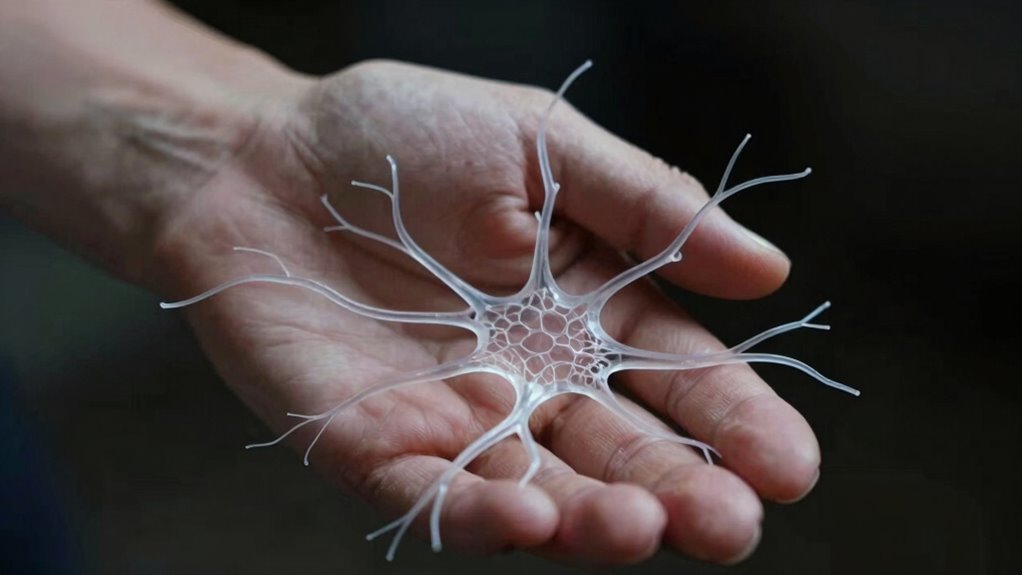
Chronic pain can persist even when medical tests show no clear physical damage, which often confuses both patients and healthcare providers. This happens because your nervous system undergoes neuroplastic changes, meaning it rewires itself in response to pain signals, emotional factors, and stress. Instead of a specific injury, your brain and spinal cord become more sensitive, amplifying pain sensations even without tissue damage. Emotional factors like anxiety, depression, or past trauma can heighten this sensitivity, reinforcing the pain experience. Over time, these neuroplastic changes create a feedback loop, where pain persists as a result of altered neural pathways rather than physical injury. Understanding this process helps explain why some pain feels so real, even when scans show nothing abnormal.
Treatment Strategies for Pain That Isn’t Visible on Tests

Since your pain isn’t visible on tests, exploring the mind-body connection can help you understand how thoughts and emotions influence your experience. Pain management techniques like relaxation exercises or mindfulness can provide relief, even when scans show nothing abnormal. Adopting a holistic approach that combines physical, mental, and emotional strategies can be your best course for managing persistent pain. Recognizing the role of psychological factors can also be crucial in addressing unresolved emotional factors contributing to your discomfort. Understanding the importance of biopsychosocial aspects can further enhance your approach to pain management by considering all influencing elements. Incorporating trusted methods like personalized strategies and evidence-based practices may improve your overall well-being by encouraging physical activity and mobility.
Mind-Body Connection
Even when scans show no visible damage, your mind and body are still closely connected in how they experience pain. This connection means that your thoughts, emotions, and stress levels can influence your pain perception. Practicing mindfulness meditation helps you become aware of your thoughts and feelings without judgment, reducing their impact on pain. Developing emotional resilience allows you to better handle stress and negative emotions that might amplify pain signals. By strengthening this mind-body link, you can change how your brain processes pain, even when there’s no physical damage visible. Recognizing this connection is a crucial step toward understanding and controlling pain that isn’t tied to visible injury. Understanding the psychosomatic nature of pain can further enhance your ability to manage symptoms holistically. Building emotional resilience can also help you respond more adaptively to pain triggers and reduce overall suffering. These strategies don’t eliminate pain but empower you to manage it more effectively.
Pain Management Techniques
When pain isn’t visible on scans, it can be challenging to find effective treatment options. Building emotional resilience is key, helping you manage the mental impact of persistent pain. Pain education plays a vital role, empowering you to understand that pain isn’t always tied to visible tissue damage. Techniques like cognitive behavioral therapy (CBT) teach you to reframe negative thoughts and reduce pain-related anxiety. Mindfulness and relaxation exercises help calm your nervous system, decreasing the perception of pain. Physical therapy can also be tailored to your needs, focusing on movement and strength without relying solely on imaging results. Incorporating AI-driven solutions into pain management strategies offers promising new approaches to understanding and treating pain that lacks clear medical evidence. Combining these approaches fosters a sense of control and confidence, making it easier to navigate pain that lacks clear medical evidence.
Holistic Treatment Approaches
Holistic treatment approaches address pain that isn’t visible on tests by integrating multiple strategies to support your physical, emotional, and mental well-being. You can strengthen the mind-body connection through practices like mindfulness, meditation, and gentle movement, helping you become more aware of how your emotions and thoughts influence pain. Building emotional resilience is also key; therapies such as counseling, stress management, and relaxation techniques can help you cope better with persistent discomfort. By addressing the root causes of pain beyond physical symptoms, these approaches promote overall balance. Enhancing emotional resilience allows for better management of chronic pain conditions by fostering a more adaptive response to stress and adversity. Instead of solely focusing on symptom suppression, you’re empowered to nurture your mental health and emotional stability, which can markedly reduce pain perception and improve your quality of life. Incorporating evidence‑informed practical steps can further enhance your ability to manage pain holistically.
Advocating for Yourself When Medical Tests Don’t Match Your Pain

It can be frustrating when your symptoms persist, but medical tests come back normal or inconclusive. During this time, emotional resilience becomes essential. You need to trust your experience and advocate for yourself with confidence. Speak openly with your healthcare providers, sharing every detail of your pain and how it affects your life. Remember, patient advocacy is your right and responsibility. Use this table to prepare for discussions:
| Key Points | Questions to Ask |
|---|---|
| Describe your symptoms clearly | Could there be underlying issues not visible in scans? |
| Share how pain impacts daily life | Are there alternative tests or specialists to consider? |
| Express your concerns confidently | What next steps can we explore together? |
| Highlight emotional and physical impacts | How can I be involved in my treatment plan? |
| Request further investigation if needed | What signs should I watch for moving forward? |
Standing firm and informed helps bridge the gap when tests don’t align with your experience.
Next Steps: What To Do When Scans Are Normal But You Still Hurt

Even if your scans come back normal, persistent pain can be confusing and frustrating. Often, your pain isn’t caused by visible damage but by factors like muscle tension and stress. Chronic tension can keep muscles tight, sending pain signals even when scans show no injury. Improving your sleep quality can also help reduce pain, as restful sleep allows your body to relax and heal. Focus on managing stress through gentle movement, relaxation techniques, or mindfulness. Prioritize good sleep habits to support recovery. Consider working with a healthcare professional who understands pain’s complexity, such as a physical therapist or pain specialist. Remember, normal scans don’t mean your pain isn’t real. Addressing muscle tension and sleep issues can be essential steps toward relief.
Frequently Asked Questions
Can Psychological Therapies Help Manage Pain With No Visible Injury?
Yes, psychological therapies can help manage pain with no visible injury. They work by strengthening the mind-body connection and addressing emotional factors that influence your pain experience. Techniques like cognitive-behavioral therapy help you reframe negative thoughts, reduce stress, and develop coping strategies. This approach can lessen your pain perception, making it more manageable, even when scans show no physical injury.
Are There Alternative Tests to Detect Soft Tissue or Nerve Issues?
Yes, there are alternative tests like functional imaging and ultrasound elastography that can help detect soft tissue or nerve issues. Functional imaging shows how tissues and nerves function, revealing abnormalities not seen on standard scans. Ultrasound elastography measures tissue stiffness, helping identify nerve or soft tissue damage. These tests provide more detailed insights, aiding your healthcare provider in diagnosing pain sources that conventional scans might miss.
How Does Chronic Pain Persist Without Ongoing Tissue Damage?
Did you know that up to 85% of chronic pain cases have no clear tissue damage? Your brain and nervous system adapt through neuroplasticity, creating pain memories that persist even after injury heals. This ongoing adaptation means pain can continue without ongoing tissue damage, as your nervous system remains hyper-sensitive. Understanding this helps you realize that your pain is real, driven by neural changes rather than physical injury alone.
What Lifestyle Changes Can Reduce Pain When Scans Are Normal?
To reduce pain with normal scans, focus on lifestyle changes like mindful eating and stress management. Practice eating slowly and savoring your food to lower tension and improve digestion. Incorporate stress-reducing activities such as deep breathing, meditation, or gentle exercise. These habits help calm your nervous system, decrease pain perception, and promote overall well-being, making it easier to manage pain even when scans show no physical issues.
When Should I Seek a Specialist for Unexplained Pain?
You should seek a specialist when your unexplained pain persists despite normal scans, especially if it worsens or affects your daily life. Diagnostic limitations can make it hard for general practitioners to identify the cause, so a specialist referral is essential. They have advanced tools and expertise to explore underlying issues that scans may miss, ensuring you get accurate diagnosis and effective treatment. Don’t hesitate to ask for specialist input if your pain continues.
Conclusion
Even if your scans look normal, your pain is still real. About 80% of chronic pain cases show no clear structural damage, yet you feel it every day. Remember, your nervous system and brain play a big role in shaping pain. Trust your experience, advocate for yourself, and explore treatment options beyond scans. Your pain is valid, and with the right approach, you can find relief and regain control of your life.