

Scientists have discovered that aging mainly results from genetic mutations and cellular senescence, which cause tissue damage and inflammation over time. These changes hinder your cells’ ability to function properly and lead to tissue breakdown. Researchers are now exploring therapies that repair DNA, remove harmful senescent cells, and slow these processes. If you’re curious about how these breakthroughs might extend your health span, there’s more to explore ahead.
Key Takeaways
- Genetic mutations accumulate over time, causing cellular dysfunction and tissue deterioration that drive aging processes.
- Cellular senescence prevents damaged cell proliferation but also releases harmful signals that promote inflammation.
- Mutations can trigger senescence, creating a cycle that accelerates tissue damage and overall aging.
- Anti-aging therapies focus on repairing DNA damage and removing senescent cells to improve tissue health.
- Advances in understanding these mechanisms pave the way for targeted treatments to extend lifespan and enhance vitality.

Scientists have uncovered a crucial factor behind the aging process, revealing new insights into why our bodies gradually decline over time. At the heart of these discoveries are genetic mutations and cellular senescence, two critical mechanisms driving aging. As you age, your cells accumulate genetic mutations—small changes in DNA that happen over time due to environmental exposure, errors during cell division, or oxidative stress. These mutations can disrupt normal cellular functions and contribute to the deterioration of tissues and organs. Over decades, the buildup of genetic mutations hampers the ability of cells to perform their roles efficiently, leading to the decline associated with aging.
But mutations alone don’t tell the whole story. Your cells also undergo a process called cellular senescence, where they stop dividing in response to damage or stress. While senescence acts as a protective mechanism against cancer by preventing damaged cells from proliferating, it also causes problems. Senescent cells secrete inflammatory signals and other factors that can damage neighboring healthy cells, fostering a chronic, low-grade inflammation often linked to age-related diseases. As the number of senescent cells increases with age, this persistent inflammation accelerates tissue breakdown, reduces regeneration, and impairs overall organ function.
You might wonder how these processes intertwine. Genetic mutations can trigger cellular senescence; when a cell detects significant DNA damage, it often halts division to prevent passing on errors. This protective response, however, becomes problematic when many cells become senescent and start emitting harmful signals. Over time, the accumulation of these dysfunctional, senescent cells creates a hostile environment within your body, promoting further tissue damage and aging-related decline.
Genetic mutations can trigger cellular senescence, creating harmful signals that accelerate tissue damage and aging.
Recent research suggests that targeting either genetic mutations or senescent cells could slow or even reverse some aspects of aging. Scientists are exploring ways to repair DNA damage, remove senescent cells, or suppress their harmful secretions. For instance, senolytic drugs aim to selectively eliminate senescent cells, reducing inflammation and improving tissue health. Understanding how genetic mutations and cellular senescence contribute to aging opens the door for innovative therapies that could extend lifespan and enhance quality of life.
Additionally, advances in robotics and automation are improving healthcare diagnostics and treatments, potentially aiding in the detection and management of age-related conditions.
In essence, aging is driven by a combination of genetic mutations accumulating in your cells and the rise of cellular senescence, which collectively degrade tissue integrity and function. Recognizing these mechanisms not only clarifies why your body ages but also guides the development of potential anti-aging treatments. As research progresses, you may see future therapies that target these fundamental processes, helping you stay healthier and more vibrant longer.

Genex Formulas NMN 250mg – Stabilized Form (60 Capsules), 99% Pure Supplement Capsules for Increased NAD Levels, DNA Repair, & Healthy Aging, GMP Certified
BOOST YOUR NAD LEVELS – Genex Formulas NMN supplement promotes muscle endurance and strength. We only use 99%…
As an affiliate, we earn on qualifying purchases.
As an affiliate, we earn on qualifying purchases.
Frequently Asked Questions
How Soon Could Anti-Aging Treatments Become Widely Available?
Anti-aging treatments could become widely available within the next 10 to 15 years, but it depends on market readiness and overcoming regulatory hurdles. You might see initial therapies entering the market sooner, yet broader access will require rigorous testing and approval processes. Stay informed, as advancements are rapid, and regulatory agencies are closely evaluating these therapies for safety and effectiveness before they reach the general public.
Are There Any Known Side Effects of Proposed Anti-Aging Therapies?
Potential side effects of anti-aging therapies are still being studied, but some reported issues include inflammation, immune reactions, and unknown long-term safety concerns. Although these treatments show promise, you should stay cautious, as long-term effects remain uncertain. Experts emphasize the importance of thorough testing to ensure safety. As research advances, you’ll want to keep informed about potential risks and benefits before considering any anti-aging intervention.
Can Lifestyle Changes Significantly Slow Down the Aging Process?
Yes, lifestyle changes can markedly slow down the aging process. By adopting diet modification, you improve your cellular health and reduce inflammation, while stress management helps lower cortisol levels that accelerate aging. Incorporate nutrient-rich foods and regular exercise into your routine, and find stress-relief techniques like meditation or hobbies. These efforts support healthier aging, boost your energy, and enhance overall well-being over time.
What Are the Ethical Considerations of Anti-Aging Research?
Have you ever wondered if anti-aging research is ethically sound? You need to consider issues like informed consent, ensuring participants fully understand the risks. Additionally, think about equitable access; will these therapies be available to everyone or only the wealthy? These ethical considerations are vital to prevent disparities and protect individuals’ rights as we explore new ways to extend healthy lifespan.
Will Anti-Aging Therapies Be Accessible to All Socioeconomic Groups?
Anti-aging therapies might not be accessible to all socioeconomic groups initially, risking increased disparities. You could find that wealthy individuals get early access, while lower-income communities face barriers due to cost and infrastructure. To promote equitable access, policymakers and researchers must work together, ensuring these breakthroughs benefit everyone equally. Addressing socioeconomic disparities early on is vital to prevent the widening of health and longevity gaps across society.
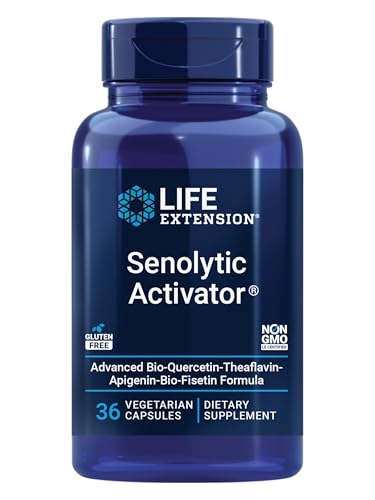
Life Extension Senolytic Activator®*, Healthy Aging, Cellular Health Support, bioavailable quercetin and Fisetin, apigenin, Black Tea theaflavins, Gluten Free, Non-GMO, Vegetarian, 36 Capsules
Healthy aging – Senolytic Activator* is designed to promote healthy aging: it combines four nutrients that all target different…
As an affiliate, we earn on qualifying purchases.
As an affiliate, we earn on qualifying purchases.
Conclusion
Now that you understand what drives aging, you realize it’s not just about growing old but fighting against time itself. While scientists uncover secrets to slow or even reverse this process, it’s clear that aging is both a natural journey and a challenge to be conquered. You stand at the crossroads of science and possibility, knowing that the quest for youth isn’t just about looking younger, but about opening the true potential of your life.

Skin Care Set,6 Pcs Anti-aging Skincare w/Korean Retinol,Hydrate, Moisturize Self Care Facial Skin Care Routine Kit Women Teen Girls Travel Skincare Gift Set,Valentines Birthday Gift for Women Her Mom
Complete Skin Care Sets for Women: Our 6 in 1 comprehensive anti-aging skincare set includes Hydrating Mask, Cleanser,Toner…
As an affiliate, we earn on qualifying purchases.
As an affiliate, we earn on qualifying purchases.

Juvenon Cellular Health Supplement – Energy, Focus & Healthy Aging for Heart, Brain, Cell & Metabolism | Acetyl L-Carnitine ALCAR, Alpha Lipoic Acid ALA, Biotin | NAD+ Support Capsules, 90 Count
CELLULAR ENERGY SUPPORT: Need steadier daily energy without another complicated routine? This L-carnitine supplement combines Acetyl L-Carnitine, Biotin…
As an affiliate, we earn on qualifying purchases.
As an affiliate, we earn on qualifying purchases.