
TL;DR

Prime made for students and young adults
- Fast, free delivery for dorm and study essentials
- Prime Video and Amazon Music included
- Member-only deals
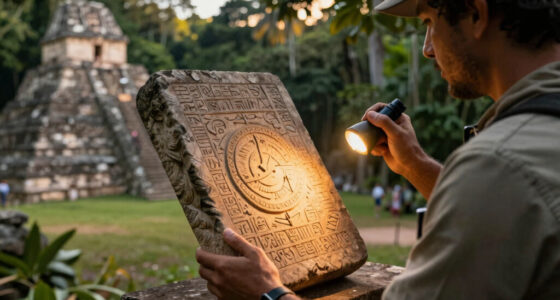
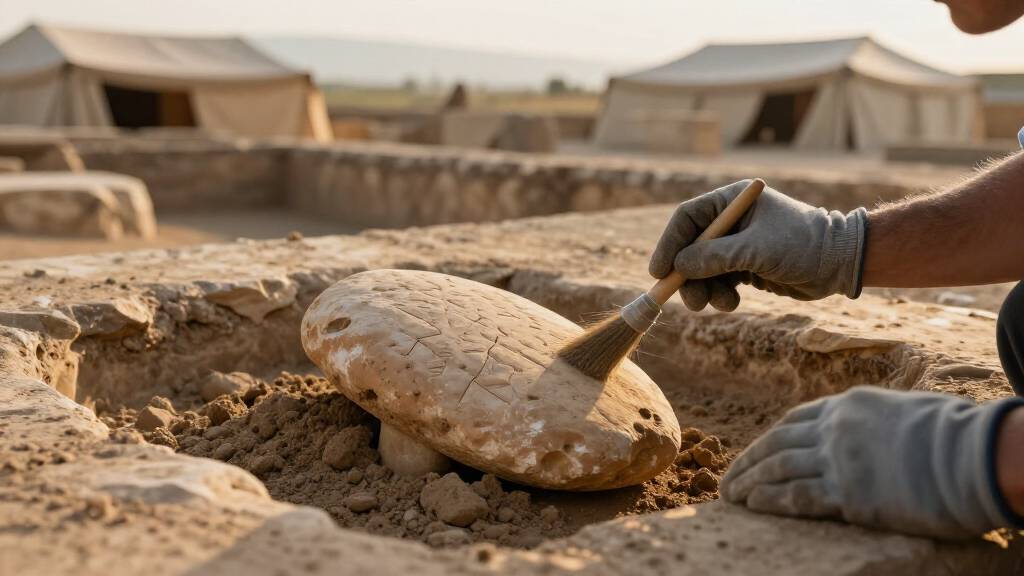
Archaeologists excavating ancient Samuha in central Turkey recovered 131 cuneiform tablets and fragments in the latest season, adding to 53 found the year before. The roughly 3,400-year-old records include accounts of a royal child’s illness and funeral, a military request for reinforcements, and religious practices.
Archaeologists excavating the ancient Hittite city of Samuha in modern-day Sivas, central Turkey, recovered 131 cuneiform tablets and fragments this season, adding a substantial group of records to a royal archive dating to the reign of King Tudhaliya II. The texts, written in Hittite and Hurrian, document matters including a fever epidemic, military supply requests, religious ceremonies and events in royal life.
The new finds follow the recovery of 53 tablets and fragments last year. The History Blog, which reported the discovery, describes the combined material as the largest and most comprehensive archive of Hittite-language documents found in the 21st century. The excavation account gives the current season’s total as 131; the material includes both complete tablets and fragments, rather than 131 intact documents.
One text describes the illness and death of the king’s infant daughter. According to the account, the child was still nursing when she developed a fever, did not recover, and died after her health worsened. The tablet also records the funeral ritual that followed. The archive’s attention to the health of royal children and children of senior officials reflects the importance attached to their wellbeing, while the texts connect illness with religious concerns and ritual responses.
A separate document is a letter from Hittite generals in western Anatolia asking the king for more soldiers, horses and chariots. The officers warn that their forces could be destroyed without reinforcements and disclaim responsibility for a possible defeat if their request is not met. The letter provides evidence of the practical demands of supplying forces far from the royal court. It also indicates that Tudhaliya was at Samuha when the message arrived.
What the Samuha Tablets Reveal
The archive offers evidence about several parts of Hittite government and society in one place: royal family life, military administration and religious practice. The generals’ letter shows how commanders communicated urgent supply needs to the king, while the account of the infant’s death records how a royal family’s private loss was handled through formal ritual. Together, the documents make the archive useful not only for studying rulers and campaigns, but also the administration that supported them.
Religious records add another dimension. One tablet describes bird diviners traveling from Samuha through different regions, listing routes, places where they stopped and birds they observed. The report says these entries provide new information on how omens were observed and interpreted. Such records may help researchers examine how religious specialists gathered information and how that knowledge circulated within the Hittite world.
The texts are also relevant to research on Hittite and Hurrian languages and the scribal practices used to preserve official records. Their value rests on what the tablets themselves can be shown to say; interpretations of individual passages and their wider implications may develop as specialists study and publish them.
As an affiliate, we earn on qualifying purchases.
Samuha’s Royal and Religious Role
Samuha was a Hittite city in what is now central Turkey. The excavation report presents it as a royal stronghold used by Tudhaliya during a period of military and political upheaval. The military letter’s reference to the king being there when it arrived offers a specific indication of the city’s role in communication between the court and forces operating elsewhere.
The city also had a religious identity associated with Sauska, a goddess of love and war identified in the report with the Hurrian version of Ishtar. Samuha is described as an important center of religious administration, with ceremonies linked to the goddess. The archive’s ritual texts and records of divination fit that role, though the surviving documents represent only the material recovered and studied so far.
The report also connects Samuha to a later period: Tudhaliya’s successor, Suppiluliuma I, used the city as a base for military campaigns that helped consolidate and expand Hittite territory. That later history helps explain the site’s political importance, but the newly described tablets specifically date to Tudhaliya II’s reign.
ancient Hittite language learning book
As an affiliate, we earn on qualifying purchases.
As an affiliate, we earn on qualifying purchases.
What the Excavation Has Not Settled
The available report does not identify the archaeological team or give a full excavation record, find locations, tablet condition details, or information on when the texts will be formally published. It also does not provide a scholarly translation of the passages. Readers should treat the descriptions of the fever account, military appeal and divination diary as summaries reported by The History Blog, rather than as independently presented translations.
It is not clear how many of the 131 pieces join fragments already recovered, how many represent distinct documents, or whether additional tablets remain in the archive area. The report calls the collection the largest and most comprehensive Hittite-language archive found in the 21st century, but does not explain the criteria used for that comparison. Further analysis may refine readings, dates and interpretations.
As an affiliate, we earn on qualifying purchases.
Further Study of the Tablets
The next step is detailed documentation and scholarly study of the tablets, including joining fragments, reading the cuneiform, translating the Hittite and Hurrian texts, and comparing them with other records. That work could clarify the precise wording of the generals’ appeal, the ritual described after the royal child’s death, and the routes recorded by the bird diviners.
The source report does not give a timetable for publication or announce further excavation plans. Until researchers provide fuller documentation, the number and descriptions reported for this season are the available account of the discovery; additional findings or revised readings remain possible.
As an affiliate, we earn on qualifying purchases.
Key Questions
Where was the archive found?
It was found at ancient Samuha, in the area of modern Sivas in central Turkey.
How many tablets were recovered?
The latest excavation season produced 131 tablets and fragments. The previous season found 53, according to The History Blog’s report.
What do the tablets describe?
The reported subjects include a royal infant’s fever and funeral, military requests for men, horses and chariots, religious rituals, prayers, correspondence and bird divination.
When were the records written?
The texts are reported to date to the reign of King Tudhaliya II, about 3,400 years ago, and are written in Hittite and Hurrian.
Have the tablets been fully translated?
The source report summarizes several texts but does not provide a full scholarly edition or translation. The precise readings and interpretations may be clarified through further research.
Source: hn
Fall Picks
fall essentials
As an affiliate, we earn on qualifying purchases.