
TL;DR

Prime made for students and young adults
- Fast, free delivery for dorm and study essentials
- Prime Video and Amazon Music included
- Member-only deals
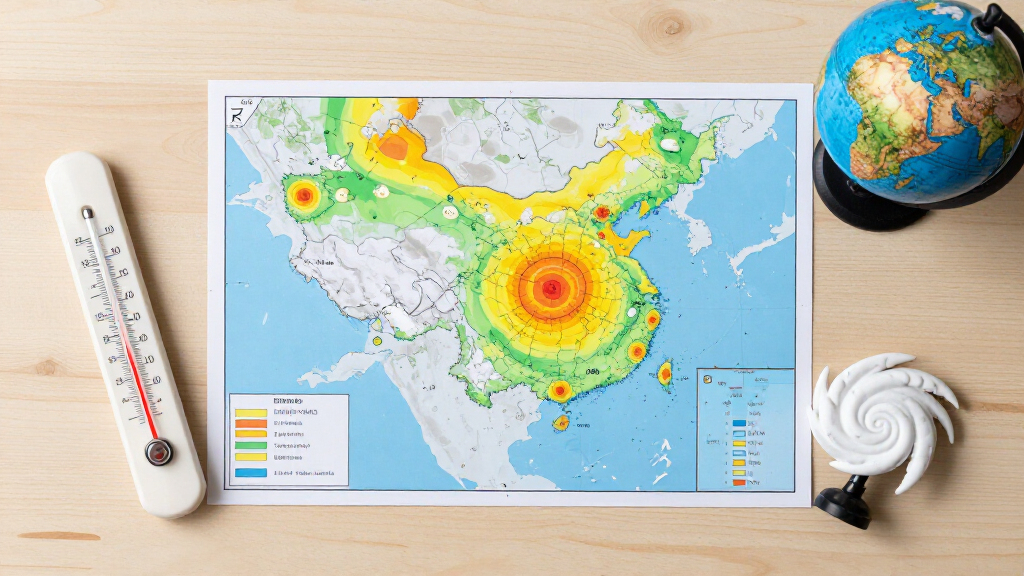
Meteorologists predict a super El Niño event this winter, which could lead to significant weather changes across the US, including heavier snowfall in some regions and warmer temperatures in others. The development is confirmed by climate agencies, but specific impacts remain uncertain.
Forecasters confirm that a super El Niño event is developing this winter, with significant potential to alter weather patterns across the United States. This development is confirmed by the National Oceanic and Atmospheric Administration (NOAA) and other climate agencies, and it could lead to increased storm activity, heavy snowfall in some regions, and warmer temperatures in others. The event’s strength and specific impacts remain under observation, but the forecast indicates a notable shift in typical winter weather.
The NOAA declared a super El Niño in September 2023 after monitoring sea surface temperatures in the equatorial Pacific Ocean, which are currently well above normal. This marks one of the strongest El Niño events in recent history, with the potential to influence weather patterns across North America, especially during the upcoming winter months.
Experts warn that the super El Niño could bring increased storm activity along the West Coast, including heavy rainfall and flooding, while parts of the Midwest and Northeast may experience more snowfall. Conversely, some southern regions might see milder and drier conditions. These predictions are based on historical patterns associated with strong El Niño events, but exact impacts are still being modeled and refined.
While NOAA and the Climate Prediction Center have issued seasonal outlooks, they emphasize that regional effects can vary significantly, and local weather remains unpredictable until closer to winter. The event’s strength is also linked to broader climate trends, including global warming, which could amplify its effects.
Impacts of a Super El Niño on US Winter Weather
The confirmation of a super El Niño this winter matters because it could lead to increased natural hazards such as flooding, snowstorms, and heatwaves across different regions. These changes may affect millions of Americans, disrupt transportation, agriculture, and infrastructure, and influence emergency preparedness efforts. Understanding the potential severity helps communities and policymakers plan accordingly.
heavy-duty snow shovels for winter
As an affiliate, we earn on qualifying purchases.
As an affiliate, we earn on qualifying purchases.
Historical Precedents and Current Climate Indicators
El Niño is a climate phenomenon characterized by warming sea surface temperatures in the central and eastern Pacific Ocean, which influences global weather patterns. The last strong El Niño occurred in 2015-2016, resulting in widespread weather disruptions across North America. Climate scientists have been monitoring the current conditions, which have shown persistent above-normal sea surface temperatures since mid-2023.
According to the World Meteorological Organization, the development of a super El Niño is not unprecedented but is relatively rare. Past events of similar strength have been associated with above-average rainfall, droughts, and temperature extremes in different parts of the US. The current forecasts suggest a similar pattern, but with some regional variations.
“The sea surface temperatures in the Pacific are now at levels we typically see during strong El Niño events, indicating a significant impact on global weather this winter.”
— Dr. Emily Carter, NOAA Climate Scientist
stormproof emergency preparedness kit
As an affiliate, we earn on qualifying purchases.
As an affiliate, we earn on qualifying purchases.
Unpredictable Regional Effects and Timing
Although the overall development of a super El Niño is confirmed, specific impacts, such as the severity of storms or snowfall in particular states, remain uncertain. Forecast models continue to be refined, and regional variations could lead to different weather outcomes than historically associated with similar events. Additionally, the timing and duration of peak impacts are still being studied.
waterproof flood barriers for home
As an affiliate, we earn on qualifying purchases.
As an affiliate, we earn on qualifying purchases.
Monitoring and Forecast Updates for the Coming Months
Meteorologists and climate scientists will closely monitor sea surface temperatures and atmospheric conditions over the next several weeks. Seasonal forecasts will be updated regularly, providing more precise predictions for specific regions. Emergency agencies and local governments are advised to prepare for potential weather extremes as the winter approaches.
winter weather gear for cold storms
As an affiliate, we earn on qualifying purchases.
As an affiliate, we earn on qualifying purchases.
Key Questions
What is a super El Niño?
A super El Niño is a particularly strong phase of the El Niño climate phenomenon, characterized by significantly above-normal sea surface temperatures in the central and eastern Pacific Ocean, which can influence global weather patterns.
How will a super El Niño affect US weather this winter?
It could lead to increased storm activity, heavy snowfall in some regions, and warmer temperatures elsewhere. However, regional impacts are still being studied and may vary significantly.
Are these forecasts certain?
While the development of a super El Niño is confirmed, the exact regional impacts, timing, and severity are still uncertain and subject to change as conditions evolve.
Should I prepare for severe weather now?
Yes, it is advisable for communities and individuals to stay informed about updates and be prepared for potential winter storms, flooding, and other weather hazards.
Source: google-trends
Halloween Picks
halloween
As an affiliate, we earn on qualifying purchases.