
🔍 Read the full analysis: Bangladesh’s Garment Protests: What The New Wage Board Could Change on ThorstenMeyerAI.com

Prime made for students and young adults
- Fast, free delivery for dorm and study essentials
- Prime Video and Amazon Music included
- Member-only deals
TL;DR
Bangladesh named a six-member garment wage board on Nov. 1, 2026, as protests over pay disrupted 529 factories, according to the factory owners’ association. Workers are demanding 30,000 taka a month, while the current minimum is 12,500 taka; the government has not published a timetable for the board’s decision.
Bangladesh appointed a six-member minimum wage board on Nov. 1, 2026, as protests over garment workers’ pay disrupted 529 factories and prompted police to use tear gas and water cannon, according to Reuters and local reporting. Workers are seeking 30,000 taka a month, more than twice the current minimum of 12,500 taka; the government has not said when the board will meet or announce a new rate.
The Ministry of Labour and Employment issued notifications creating the board under the Bangladesh Labour Act, as amended in 2026. It includes a chair, an independent member, two employer representatives and two worker representatives. The board is tasked with working out a minimum wage in consultation with its members. Its appointment came while demonstrations and walkouts were continuing in major garment-producing areas.
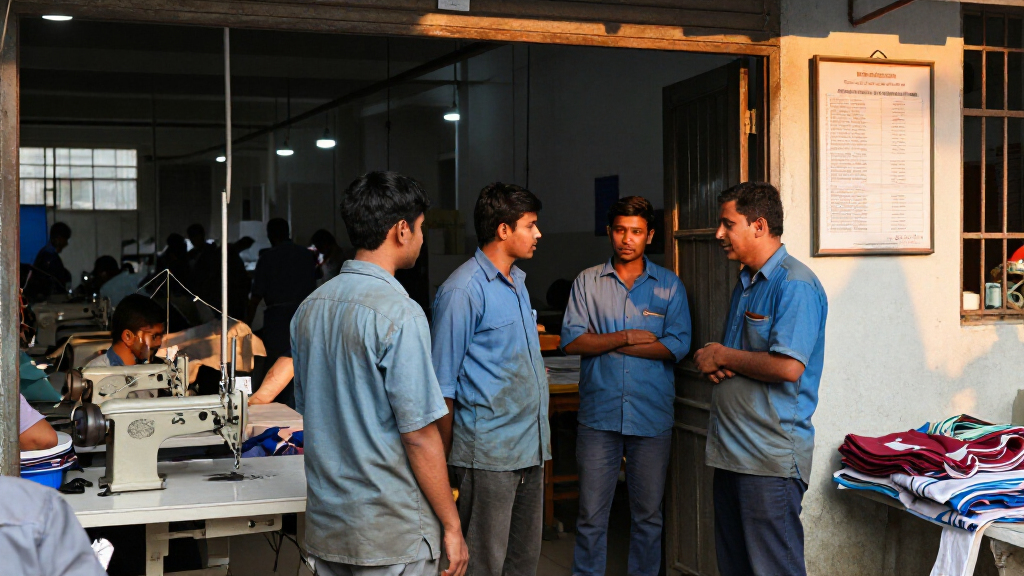
The Bangladesh Garment Manufacturers and Exporters Association (BGMEA) reported disruptions at 529 of 2,134 factories across five industrial regions on Nov. 1, with 987,190 workers leaving their workplaces. Those figures describe factories where operations were disrupted after workers walked out, not factories confirmed closed by their owners. Reuters reported that factories reopened on Monday, Nov. 2, although owners remained concerned about further unrest.
Reuters reported road blockades in Dhaka and Gazipur on Sunday, along with clashes after bricks were thrown at police. Police used tear gas and water cannon; reports said a police vehicle and a police box were set on fire, and Border Guard Bangladesh personnel were deployed. The exact circumstances of each incident and a full account of injuries were not established in the supplied reporting.
The Stakes for Workers and Exporters
The board’s decision could affect the earnings of workers in one of Bangladesh’s central export industries, as well as the costs faced by garment makers and the brands that buy their products. Workers say the present minimum does not cover basic household expenses. Reuters quoted worker Mahin Hossain saying that after rent, little remained for food, children’s education and other essentials. The 30,000-taka demand is a worker position, not a rate the government has accepted.
Disruption also carries commercial consequences. Labour and Employment Minister Ariful Haque Choudhury urged workers to return and warned that prolonged stoppages could delay export shipments and payments from overseas buyers, according to Reuters and Al Jazeera. Factories had reopened by Nov. 2, but the owners’ concern about renewed unrest indicates that production and delivery schedules remained exposed to the dispute.
The argument reaches beyond workers and factory owners. Both sides, and an economist cited by Reuters, have pointed to international buyers and the prices they pay suppliers. An International Labour Organization survey from 2016 found that only 17% of Bangladeshi suppliers said their customers were willing to reflect minimum-wage increases in prices. That historical survey does not establish what buyers will do in this wage round, but it illustrates why the eventual wage and how it is funded are linked.
Popular right now

Hisense 85 U7 Mini-LED ULED 4K UHD Smart Google TV (85U7SG, 2026)

Breville BES870BTR Barista Express Espresso Machine, Black Truffle

Bose QuietComfort True Wireless Earbuds with Active Noise Cancellation, Black
As an affiliate, we earn on qualifying purchases.
A Wage Review Amid Protests
The current garment minimum wage of 12,500 taka a month has applied since December 2023. Workers’ calls for higher pay have been accompanied by protests since mid-October, The Daily Star reported. On Oct. 21, it quoted protester Sharifa Begum saying workers wanted either lower prices for essential goods or higher wages.
Protests escalated on Oct. 31, when around 30 factories near Ashulia declared holidays, according to Ashulia Industrial Police superintendent Mohammad Mominul Islam Bhuiyan, as reported by Reuters and Al Jazeera. The following day, the BGMEA’s count covered affected workplaces in Gazipur and Mymensingh, Savar, Ashulia and Jirani, and the Dhaka metropolitan area. It reported no disruptions in the areas of Narayanganj and Chattogram included in its tally.
The 2026 amendment to the Labour Act shortened the interval between minimum wage reviews from five years to three, The Daily Star reported. Since the existing rate dates to December 2023, a review was due under the revised cycle. The appointment of the board therefore coincided with street protests, but the review also follows a change to the law’s wage-review schedule.
“After paying rent, there is very little left for food, our children’s education and other essential expenses.”
— Garment worker Mahin Hossain, speaking to Reuters
The Board’s Timetable Is Unknown
The ministry’s notifications, as described by The Daily Star, do not state when the board will hold its first meeting or when it must announce a new wage structure. No published deadline was reported. The board has been given the role of working out a minimum wage, but the available reporting does not say what rate its members will recommend or whether they have agreed on a process.
The scale of the workers’ demand and the owners’ response are clear, but the eventual compromise is not. Nor is it known whether overseas buyers will pay higher prices to cover any wage increase. The BGMEA’s disruption figures are the association’s own count; the sources cited do not provide an independent verification of every factory or worker included.
Factories reopened on Nov. 2, Reuters reported, but that does not establish that the labour dispute has been resolved. The duration of any return to normal production and the likelihood of renewed protests remain uncertain.
Board Deliberations and Factory Stability
The next formal step is for the wage board to meet and consult its members, but the government has not announced a first meeting date or a decision deadline. The worker and employer representatives will have to address the gap between the demand for 30,000 taka and the current minimum of 12,500 taka, with the board responsible for working toward a wage figure.
In the meantime, the immediate test is whether factories remain open and workers return without further clashes. The minister has warned of possible shipment and payment delays if disruptions continue. Further reporting should establish the board’s timetable, any proposed wage structure and whether factories sustain operations after their reported reopening.
Key Questions
Why has Bangladesh appointed a garment wage board?
The government appointed the board on Nov. 1, 2026, as workers protested over pay and factory operations were disrupted. A 2026 amendment to the Labour Act also shortened the interval for minimum-wage reviews from five years to three.
How much are garment workers demanding?
Workers are seeking a minimum wage of 30,000 taka a month. That is their demand; the board has not announced a new rate. The current minimum of 12,500 taka has applied since December 2023.
How many factories were affected by the protests?
The BGMEA reported disruptions at 529 of 2,134 factories it covered on Nov. 1, and said 987,190 workers left their workplaces. The reported disruptions involved walkouts; they should not be read as 529 factories locked by their owners.
When will the new wage be announced?
No date has been announced. The ministry’s notifications did not specify when the board would first meet or when it must publish a wage structure.
Have the protests ended?
Reuters reported that factories reopened on Nov. 2, but owners remained concerned about further unrest. The available reports do not establish that the dispute has been settled or that operations will remain uninterrupted.
Source: ThorstenMeyerAI.com