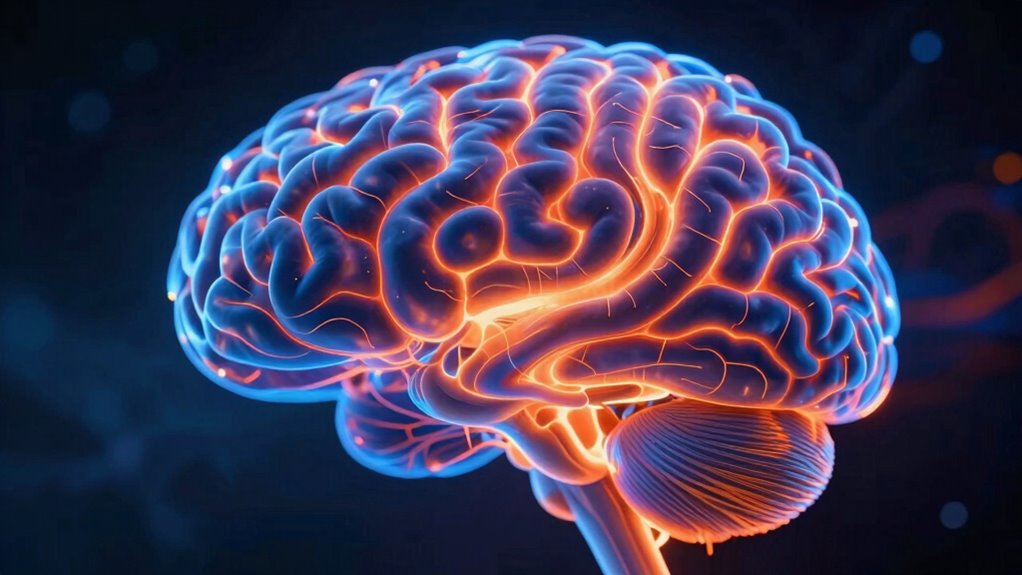

Researchers believe that near-death experiences happen because your brain switches into a unique state during life-threatening moments. Feelings of peace, bright lights, and visions result from neural activity changes, especially in areas linked to perception and emotion. Neurochemicals like endorphins flood your brain, creating euphoria and detachment. If you keep exploring, you’ll uncover how these brain processes shape your understanding of consciousness and the profound nature of these extraordinary events.
Key Takeaways
- Neural activity during life-threatening events involves altered perception, vivid visions, and emotional shifts, often resembling lucid dreaming or hallucinations.
- Brain regions like the visual cortex, limbic system, and prefrontal cortex show increased synchronization and oscillations during NDEs.
- Neurochemical surges, especially endorphins, modulate pain, induce euphoria, and contribute to feelings of peace and detachment.
- Hypoxia and extreme stress provoke neural changes that generate vivid imagery and sensations associated with NDEs.
- Alterations in neural circuits and brain plasticity under stress explain the intense subjective experiences reported near death.

NEURIVA Plus Brain Supplement for Memory and Focus Clinically Tested Nootropics for Concentration for Mental Clarity, Cognitive Enhancement Vitamins B6, B12, Phosphatidylserine 30 Capsules
NOOTROPICS BRAIN SUPPORT SUPPLEMENT: Experience improved brain performance and unlock your full potential. Enhance your memory and focus…
As an affiliate, we earn on qualifying purchases.
As an affiliate, we earn on qualifying purchases.
What Are Near-Death Experiences and How Are They Reported?
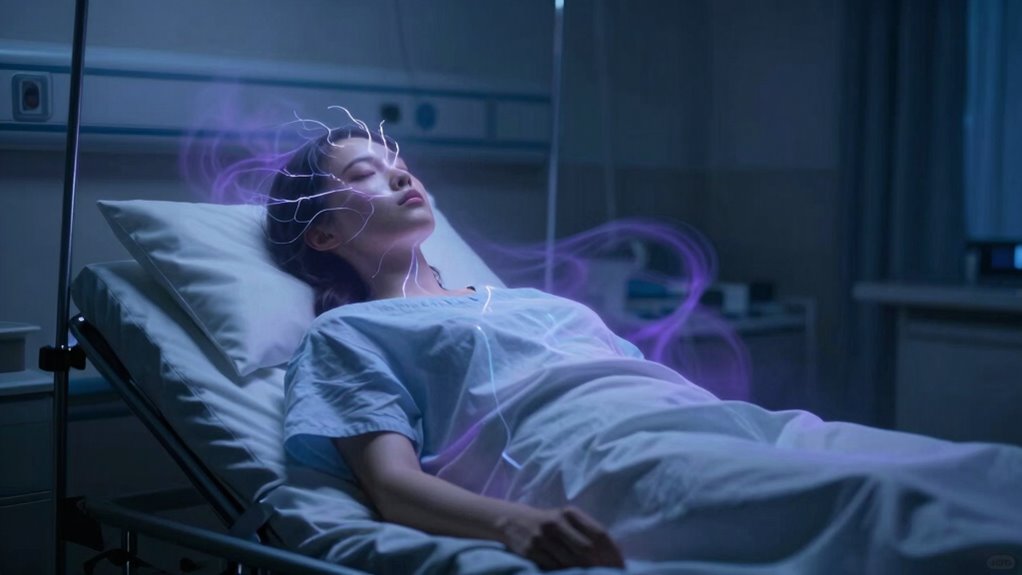
Near-death experiences (NDEs) are vivid, often life-changing events reported by people who have come close to death or temporarily lost vital signs. Many interpret these experiences through spiritual lenses, believing they reveal encounters with divine beings or the afterlife. Cultural influences shape how you perceive and interpret these visions, with different societies emphasizing specific symbols or beliefs. Some report feelings of peace, seeing bright lights, or traveling through tunnels, while others describe encounters with loved ones or spiritual guides. Your cultural background and personal beliefs heavily influence how you interpret these sensations, making NDEs highly subjective. Despite diverse descriptions, many find these events profoundly significant, often prompting lasting changes in outlook, beliefs, or life priorities. Moreover, some researchers suggest that Free Floating neural activity might contribute to the vividness of these experiences during moments of near-death. Recent studies also explore how brain physiology could influence the visual and emotional aspects of NDEs, highlighting the complex relationship between brain function and consciousness during extreme events. Understanding the neuroscientific basis of NDEs may help demystify these phenomena and clarify their origins in brain activity, especially as advances in neuroscience research continue to shed light on these mysterious experiences. Additionally, ongoing research into neural mechanisms aims to determine how specific brain regions contribute to the vivid hallucinations and sensations reported during NDEs.

LC-dolida Sleep Headphones, 3D Sleep Mask Bluetooth Wireless Music Eye Mask, Sleeping Headphones for Side Sleepers Sleep Mask with Bluetooth Headphones Ultra-Thin Stereo Speakers Perfect for Sleeping
【Sleep Headphones & Bluetooth Sleep Mask & Sleep Eye Mask 3 in 1】LC-dolida sleep mask with bluetooth headphones…
As an affiliate, we earn on qualifying purchases.
As an affiliate, we earn on qualifying purchases.
How Brain Activity Produces Visions and Feelings During NDEs
When the brain experiences certain physiological changes during life-threatening situations, it can generate vivid visions and intense feelings that people often interpret as near-death experiences. These visions resemble lucid dreaming, where your mind creates detailed, immersive scenes without external input. During NDEs, the brain’s visual cortex may produce hallucinations that feel incredibly real, as if you’re witnessing a different domain. This happens because stress and oxygen deprivation alter neural activity, causing the brain to generate complex visual hallucinations and emotional sensations. Your mind might flood with bright lights, tunnels, or loved ones—hallucinations rooted in neural processes rather than any supernatural source. These spontaneous visual and emotional phenomena are a natural consequence of brain activity under extreme conditions, driven by the brain’s response to trauma management techniques. Additionally, the brain’s ability to produce such vivid imagery is influenced by its visual processing pathways, which can be heightened or altered during stressful events. Furthermore, research indicates that the brain’s neural networks involved in perception and emotion are particularly active during these episodes, contributing to the intensity of NDEs. Neural activity can also be affected by neurochemical changes, which may amplify the vividness of these experiences. Under these conditions, the brain may also activate areas associated with emotional processing, intensifying feelings of peace or fear during NDEs.

Clarity – 40Hz Light Bulb by Gamma – Improve Brain Function & Memory – Entrainment Device
40Hz Gamma Light Therapy – Clinical research shows that 40Hz light frequency may help support cognitive health, memory,…
As an affiliate, we earn on qualifying purchases.
As an affiliate, we earn on qualifying purchases.
How Neurochemicals Like Endorphins Shape Near-Death Experiences
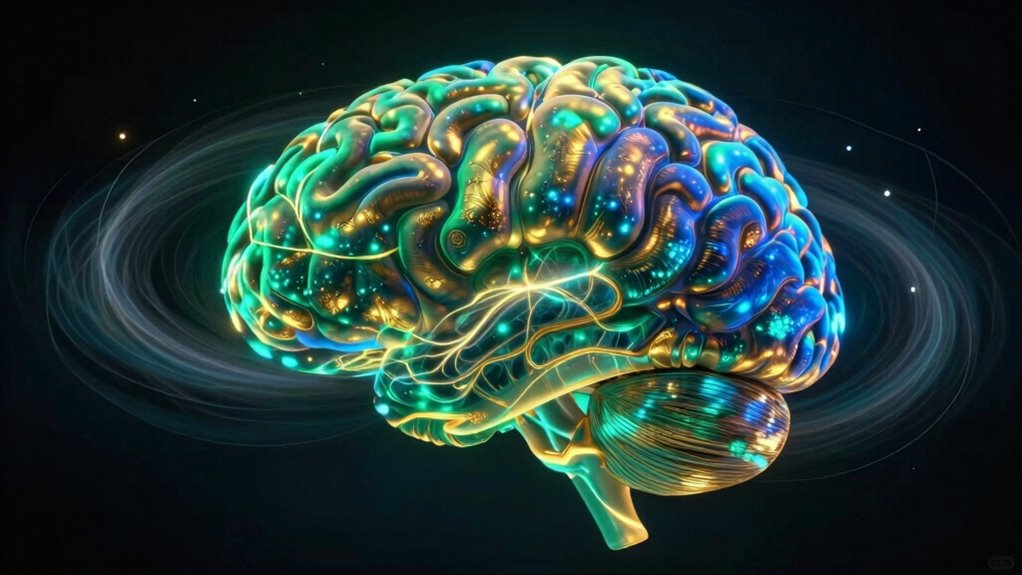
You might notice that during a near-death experience, your perception can feel altered or even blissful. This is often linked to a surge of endorphins your brain releases to block pain and create a sense of calm. Understanding how these neurochemical surges influence your experience can reveal why NDEs often feel so profound. Additionally, research suggests that certain essential oils, such as lavender or peppermint, can influence mood and cognitive states, highlighting the complex ways neurochemicals and external factors can shape perception. Moreover, some studies indicate that survival gear, like calming scents or comfort items, can help modulate stress responses in extreme situations, further illustrating the brain’s adaptive mechanisms. Insights into the brain’s neurochemical responses during these moments deepen our understanding of consciousness and perception under extreme conditions, especially as personal debt forgiveness programs can sometimes provide relief in stressful times, reflecting the importance of understanding mental and emotional well-being. Furthermore, the release of neurochemicals like endorphins is a well-documented response that helps explain the altered states of consciousness experienced during NDEs.
Endorphins’ Role in Perception
Endorphins, the brain’s natural painkillers, play a significant role in shaping how we perceive extraordinary experiences, especially during life-threatening situations. Their effects help modulate perception, making intense pain or fear feel less overwhelming. This perception modulation can lead to feelings of calmness or even euphoria, which are common in near-death experiences. Endorphin effects may create a sense of detachment from physical pain and transform the way you interpret your surroundings. By dampening pain signals and altering emotional responses, endorphins allow your brain to focus on comforting or transcendent sensations. These neurochemical changes can contribute to the vivid, often spiritual, perceptions reported during near-death episodes, highlighting how your brain’s chemistry influences the way you experience moments of extreme crisis. Additionally, research suggests that neurochemical fluctuations, including endorphin release, play a crucial role in the perception of reality during such intense events. Understanding these neurochemical processes can shed light on why individuals often report profound and meaningful experiences in these moments. Fluctuations in neurochemicals like endorphins may also influence the emotional state of individuals during these episodes, leading to feelings of peace or connectedness. Furthermore, the activation of brain regions involved in emotional regulation during these episodes underscores the complex interplay between neurochemistry and perception. Recognizing the role of neurotransmitter release in these processes provides deeper insight into the brain’s response to extreme stress.
Neurochemical Surges During Crisis
During life-threatening situations, the brain releases a surge of neurochemicals that dramatically alter perception and emotional response. These neurotransmitter shifts help you manage intense stress, often reducing pain and fear through increased endorphin levels. As your body reacts to danger, neurochemical surges promote emotional regulation, creating feelings of calm or detachment. This flood of chemicals can lead to vivid visions, out-of-body sensations, or a sense of peace, shaping near-death experiences. By modulating your emotional responses, these neurochemicals enable you to endure extreme circumstances with a sense of detachment or acceptance. The rapid neurotransmitter shifts serve as a natural defense, allowing your brain to prioritize survival while simultaneously altering your consciousness in profound ways.

Conversations on Consciousness: What the Best Minds Think about the Brain, Free Will, and What It Means to Be Human
As an affiliate, we earn on qualifying purchases.
As an affiliate, we earn on qualifying purchases.
What Neuroimaging Reveals About Brain Changes During NDEs
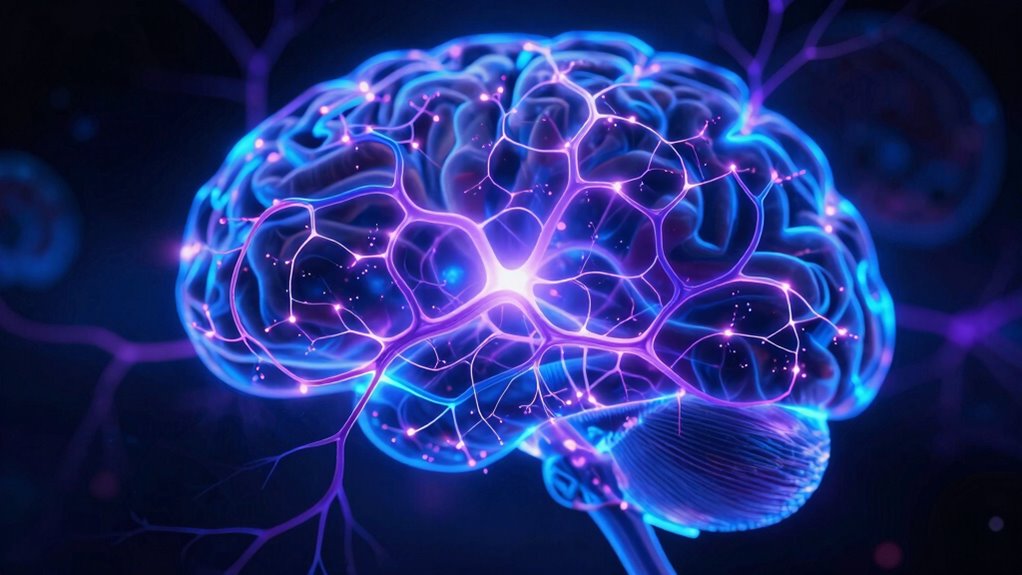
Neuroimaging studies show that specific brain activity patterns change during NDEs, highlighting unique neural responses. You’ll see alterations in neural circuits linked to perception, emotion, and consciousness. Understanding these changes helps clarify what occurs in the brain during these profound experiences. These insights contribute to deep-sky imaging techniques by illustrating how different neural regions can be visualized and studied during altered states of consciousness. Additionally, such studies demonstrate the importance of safe installation practices in ensuring accurate and reliable imaging results, especially when studying delicate brain functions. Proper calibration of imaging equipment is essential to obtain valid data and prevent artifacts that could misrepresent neural activity. Moreover, advancements in neuroimaging technology continue to improve our ability to observe these complex neural phenomena with greater precision.
Brain Activity Patterns
Recent neuroimaging studies have begun to uncover how brain activity changes during near-death experiences (NDEs), providing valuable insights into their neurological basis. During NDEs, researchers observe increased neural synchronization, where different brain regions work more in harmony. This heightened synchronization often relates to specific brain oscillations, such as alpha and gamma waves, which are linked to altered states of consciousness. These patterns suggest that the brain enters a unique state during NDEs, characterized by synchronized activity that may underpin vivid visions or feelings of peace. Moreover, brain oscillations play a crucial role in modulating these altered states, highlighting the importance of oscillatory dynamics in shaping these extraordinary experiences. Understanding these brain activity patterns helps clarify how the brain produces the phenomenology of NDEs, emphasizing the importance of oscillatory dynamics in shaping these extraordinary experiences.
Neural Circuit Alterations
Neuroimaging studies reveal that near-death experiences involve significant alterations in neural circuits, particularly within regions responsible for perception, emotion, and self-awareness. These neural circuit alterations often reflect heightened activity or disruptions in areas like the temporal lobe, limbic system, and prefrontal cortex. Such changes may be driven by increased synaptic plasticity, where neural connections rapidly adapt in response to extreme stress or reduced oxygen levels. These modifications can produce vivid visual and emotional experiences, as well as a sense of detachment from the body. Understanding these brain changes helps clarify how NDEs create their profound, often life-changing, phenomenology. The neuroplasticity observed during these experiences underscores the brain’s remarkable ability to reorganize itself under extraordinary circumstances.
Scientific Theories Explaining Brain Responses in Near-Death Experiences
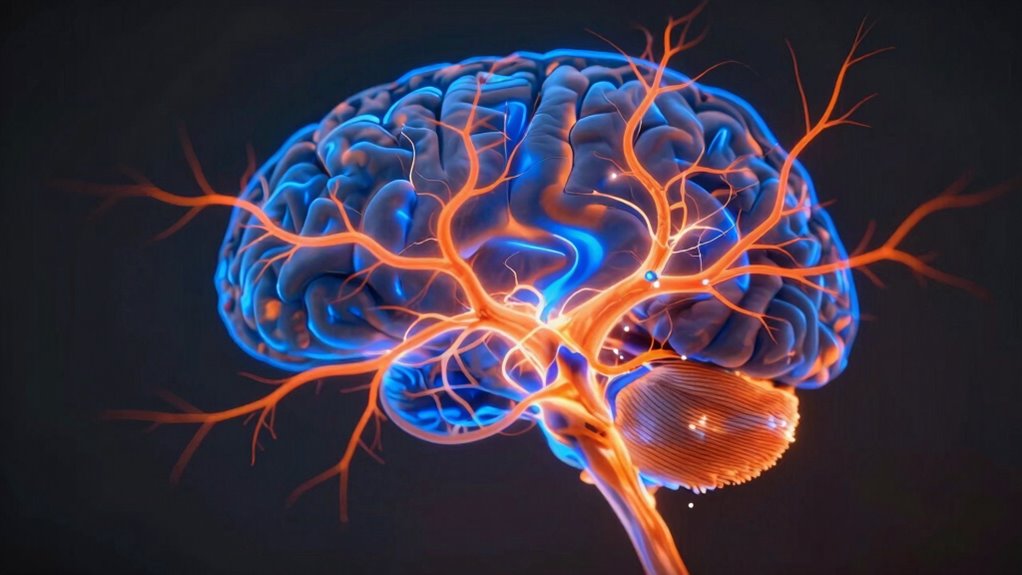
Although near-death experiences (NDEs) often feel profoundly real to those who have them, scientists believe that specific brain responses may explain these vivid phenomena. These theories focus on neurological mechanisms such as brain hypoxia, which reduces oxygen supply and can cause hallucinations or altered perceptions. Another explanation involves the release of endorphins, which can create feelings of peace and detachment. Some researchers suggest that the brain’s response to extreme stress triggers these experiences, raising philosophical implications about consciousness and reality. These models aim to account for the intense, often life-changing sensations without dismissing their significance. By understanding the brain’s responses, scientists seek to demystify NDEs and explore how neural activity shapes our perception of the beyond.
What These Findings Mean for Our Understanding of Consciousness
These scientific findings challenge and enrich our understanding of consciousness by suggesting that it may be more closely tied to neural activity than previously thought. While some interpret near-death experiences through spiritual lenses, these results imply that our sense of awareness might originate from specific brain processes. Cultural influences also shape how individuals report and interpret these visions, highlighting that personal background affects their experiences. This research encourages you to reconsider the idea that consciousness exists independently of the brain, instead viewing it as a product of neural activity. It underscores the importance of integrating scientific insights with spiritual and cultural perspectives, fostering a more holistic understanding of consciousness as both a biological and experiential phenomenon.
Frequently Asked Questions
Can Near-Death Experiences Be Scientifically Proven or Invalidated?
You can’t definitively prove or disprove near-death experiences scientifically yet. Researchers examine brain chemistry and consciousness theories to understand these episodes, but the subjective nature of NDEs makes validation challenging. While some studies suggest brain activity patterns during NDEs, others argue they could be hallucinations or altered consciousness states. Until more conclusive evidence emerges, their scientific validation remains uncertain.
How Do Cultural Differences Influence NDE Reports?
You’ll find that cultural perceptions heavily influence NDE reports, shaping how you interpret your experiences. Your interpretative frameworks, molded by your cultural background, determine whether you see visions as spiritual encounters or brain phenomena. In different cultures, NDE details vary—like tunnels or spirits—because your beliefs color what you expect to see. So, your cultural context guides how you perceive, recall, and describe near-death experiences.
Are There Long-Term Psychological Effects After NDES?
About 20% of people report long-term psychological effects after NDEs, which can include emotional resilience or psychological trauma. You might find that some experience increased spiritual awareness and life appreciation, while others struggle with anxiety or depression. These experiences can profoundly impact your mental health, highlighting the importance of support and understanding. Recognizing both positive and negative effects helps you navigate your post-NDE emotional landscape effectively.
What Role Do Genetics Play in Experiencing NDES?
Genetics may influence your likelihood of experiencing near-death experiences through inherited traits and genetic predisposition. If close family members report NDEs, you might have a higher chance of having similar experiences. While research is ongoing, your genetic makeup could impact how your brain responds to extreme stress or trauma, making you more or less prone to these profound, sometimes spiritual, events.
Could Future Technology Alter Our Understanding of NDES?
Imagine a key opening the door to understanding NDEs. Future technological advancements, like advanced neural imaging, could reveal hidden truths about these experiences. You might find yourself peering into the brain’s mysterious corridors, discovering how consciousness navigates near death. As technology evolves, your grasp on NDEs will deepen, transforming speculation into clarity. This progress promises to reshape how we interpret the profound journeys beyond life’s threshold.
Conclusion
Think of your brain as a complex symphony, and near-death experiences as a fleeting, haunting melody. While science uncovers the notes behind these visions, the full composition remains a mystery. Understanding what happens in your brain during these moments can deepen your grasp of consciousness itself. So, as you explore these ideas, remember that each discovery brings us closer to hearing the true song of the mind—beautiful, mysterious, and still largely unknown.