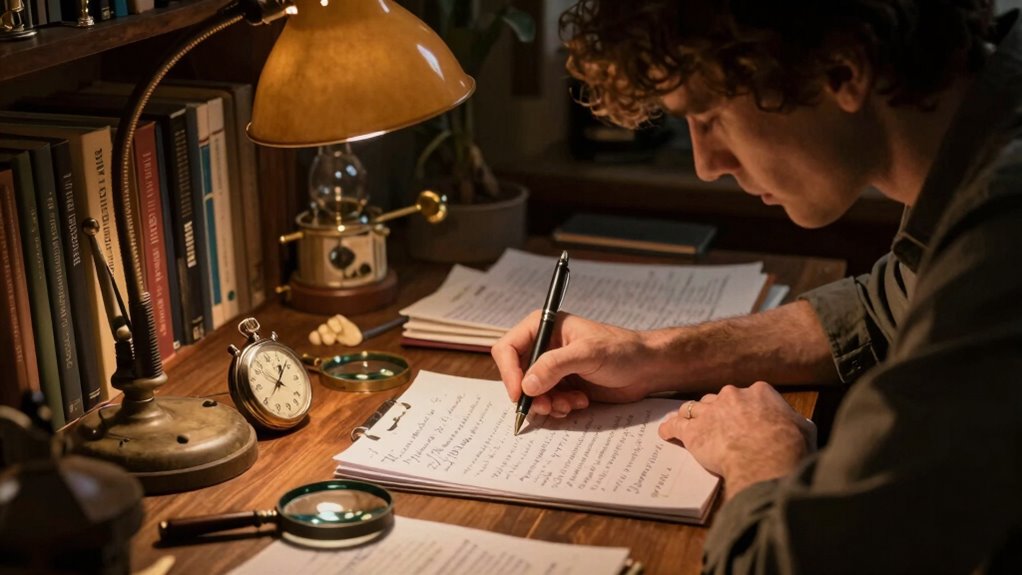
To critically evaluate any mystery, ask yourself how strong the evidence is, whether it’s reliable and based on observable facts, not just stories. Consider the credibility of the sources and if independent outlets support the claim. Check for logical consistency and see if the story aligns with what we already know. If you want to deepen your understanding, you’ll discover key questions that can help you cut through the confusion and find the truth.

Prime made for students and young adults
- Fast, free delivery for dorm and study essentials
- Prime Video and Amazon Music included
- Member-only deals
Key Takeaways
- What specific evidence supports this claim, and is it reliable, verifiable, and relevant?
- Who is the source of this information, and do they have a credible, unbiased track record?
- Are multiple independent sources confirming this story, or is it isolated?
- Does this explanation align logically with established facts and scientific principles?
- Has this claim undergone peer review or scientific validation for accuracy?
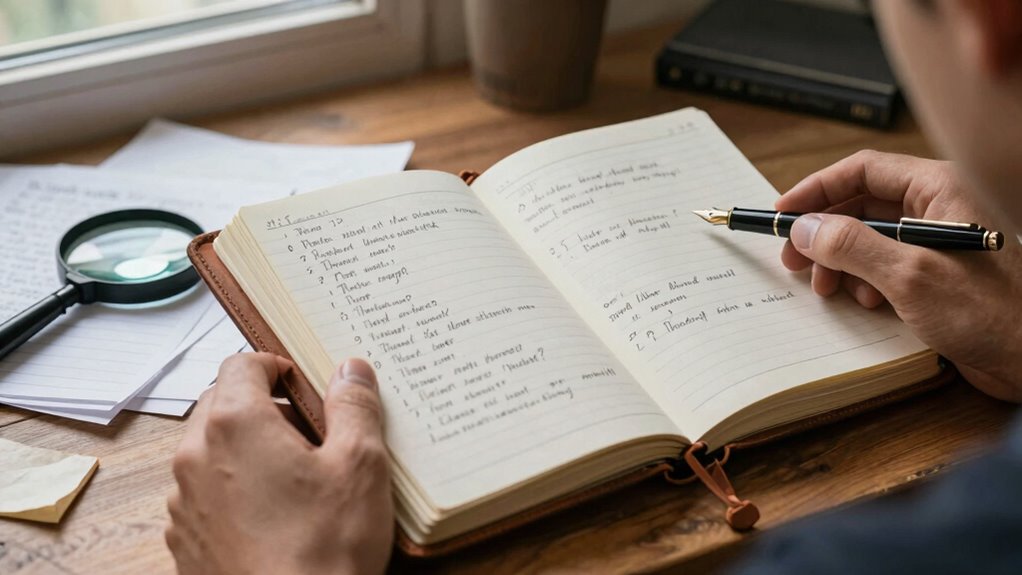
Have you ever wondered if the claims you hear are truly backed by solid evidence? When faced with a mysterious story or extraordinary assertion, it’s essential to approach it with a healthy dose of skepticism. One of the first steps you can take is to analyze the evidence critically. Evidence evaluation involves examining the quality, quantity, and relevance of the data supporting a claim. Ask yourself whether the evidence is concrete or just anecdotal. Reliable evidence should be consistent, verifiable, and rooted in observable facts. If the evidence relies heavily on hearsay or unsubstantiated stories, it’s a red flag. By carefully scrutinizing the evidence, you can avoid jumping to conclusions based on flimsy or biased information.
Critically examine evidence for consistency, observability, and reliability to avoid false conclusions.
Equally important is evaluating source credibility. When you hear a claim, consider where it originated. Is the source trustworthy? Does it have a reputation for accuracy and honesty? Be wary of sources that have a vested interest or stand to gain from promoting a specific narrative. Look for experts who have demonstrated knowledge and objectivity in the relevant field. If the source is anonymous or unfamiliar, scrutinize their motivations and background before accepting the claim as fact. Asking whether the source has a history of reliable reporting or if it’s known for sensationalism can help you determine if the information is credible.
Another useful skeptical question is whether there’s supporting evidence from multiple independent sources. When a claim is corroborated by different reputable outlets or experts, it gains credibility. Conversely, if the story is only reported by a single source without any corroboration, it warrants skepticism. This approach helps you avoid falling for misinformation or conspiracy theories that often rely on isolated, unverified claims. Recognizing patterns across multiple sources can provide a clearer picture of the truth and prevent you from being misled by biased reports.
You should also consider the logical consistency of the story. Does it make sense given what you already know? Are there contradictions or gaps in the narrative? Sometimes, a story sounds compelling but falls apart under logical scrutiny. Asking yourself if the claim fits within the broader context of established knowledge can help you identify falsehoods or exaggerations. Additionally, understanding evidence evaluation is crucial because it involves assessing how well the supporting data aligns with established facts and scientific principles.
Finally, reflect on whether the claim has been subjected to peer review or scientific scrutiny. Scientific claims backed by peer-reviewed research are generally more trustworthy than unsupported assertions. When you’re skeptical about a mystery, these questions—about evidence evaluation, source credibility, corroboration, logical coherence, and scientific backing—equip you to distinguish between fact and fiction. They empower you to approach mysteries with rationality and a critical eye, rather than accepting claims at face value.
As an affiliate, we earn on qualifying purchases.
Frequently Asked Questions
How Do You Verify the Source of the Mystery?
To verify the source of the mystery, you should first assess its credibility by examining the source’s background, expertise, and reputation. Check if the evidence provided is reliable, consistent, and supported by other reputable sources. Be cautious of biases or sensationalism, and look for corroborating information. Asking these questions helps you determine whether the source is trustworthy and if the evidence is solid enough to base conclusions on.
What Alternative Explanations Exist for This Phenomenon?
Don’t put all your eggs in one basket. When exploring a phenomenon, consider alternative theories that could explain it differently. Critical thinking helps you weigh these options objectively. For example, could natural causes account for this event instead of supernatural ones? By exploring alternative explanations, you can better understand the mystery and avoid jumping to conclusions. Always stay curious and question what you see—there’s usually more than meets the eye.
Could Personal Biases Influence the Interpretation of the Mystery?
Yes, your personal biases can influence how you interpret the mystery. Confirmation bias might lead you to favor evidence that supports your beliefs while ignoring contradictions. Cognitive distortion can also skew your perception, making you see patterns that aren’t really there. Recognizing these biases helps you stay objective, so you can evaluate the mystery more fairly and avoid jumping to conclusions based on personal preferences or assumptions.
Has This Mystery Been Debunked or Challenged Before?
You should investigate whether this mystery has been debunked or challenged before by examining its historical context and cultural influences. Recognize if past skeptics or scientific studies have questioned its validity, and consider how societal beliefs may have shaped interpretations. By understanding these factors, you can better assess the credibility and see if current explanations hold up against previous scrutiny or if new perspectives have emerged.
What Evidence Would Definitively Disprove the Current Explanation?
You should focus on evidence evaluation and disproof criteria to find what would definitively disprove the current explanation. Look for concrete, reproducible facts that directly contradict the explanation. If new evidence emerges that fails the disproof criteria—such as explaining the mystery better or contradicting key assumptions—you can confidently challenge the current theory. Without such evidence, the explanation remains plausible until proven otherwise.
As an affiliate, we earn on qualifying purchases.
Conclusion
By asking skeptical questions, you sharpen your critical thinking and avoid jumping to conclusions. Remember, studies show that skeptics are 30% less likely to fall for misinformation. So, next time you encounter a mystery, challenge the claims, consider alternative explanations, and demand evidence. Cultivating this mindset not only uncovers the truth but also protects you from falsehoods. Stay curious, question everything, and trust your ability to see through the smoke and mirrors.
source credibility assessment tools
As an affiliate, we earn on qualifying purchases.
As an affiliate, we earn on qualifying purchases.
As an affiliate, we earn on qualifying purchases.
Halloween Picks
halloween
As an affiliate, we earn on qualifying purchases.