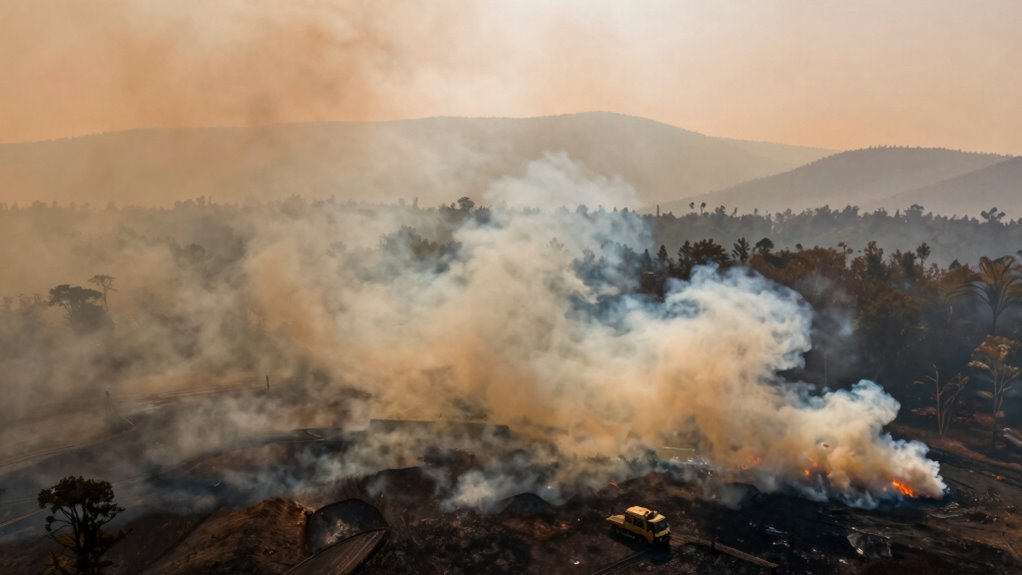
During wildfire season, standard air cleaning methods often fall short because smoke introduces tiny, toxic particles that need specialized filtration. You should upgrade to high-efficiency filters like HEPA and activated carbon layers to effectively trap microscopic particles and absorb harmful chemicals. Keeping windows and doors closed, regularly replacing filters, and using portable purifiers in key areas can make a big difference. To protect your indoor air quality, it’s important to adopt these targeted strategies—if you want to learn what else works, keep exploring.

Prime made for students and young adults
- Fast, free delivery for dorm and study essentials
- Prime Video and Amazon Music included
- Member-only deals
Key Takeaways
- Wildfire smoke contains ultrafine particles smaller than standard filters can effectively capture.
- Toxic chemicals and VOCs require advanced filtration, like activated carbon layers, not just particulate filters.
- Increased smoke density demands higher efficiency and specialized filtration systems for adequate indoor air quality.
- Standard air purifiers may be insufficient during smoke season, necessitating dedicated, wildfire-specific solutions.
- Proper maintenance and tailored strategies are essential to address the unique composition and volume of wildfire smoke.
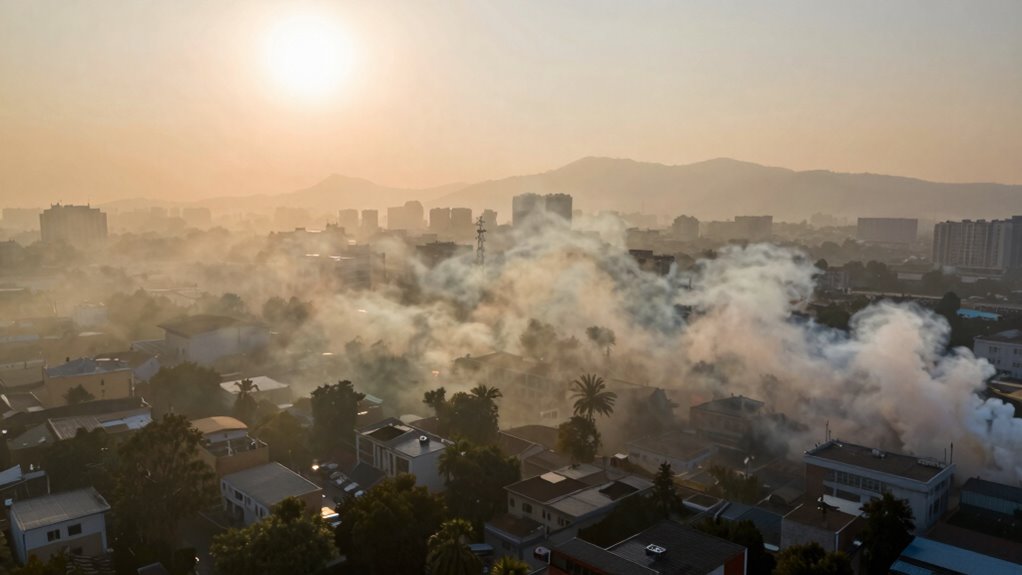
As wildfire seasons become more intense and prolonged, it’s imperative to prepare your home with effective air cleaning strategies. Smoke from wildfires can markedly degrade indoor air quality, making it essential to adopt methods that effectively filter out harmful particles. Standard air purification may not suffice during these times; instead, you need to focus on specialized filtration systems that can handle the unique challenges posed by smoke. These systems help remove microscopic particulates and toxic compounds, ensuring that the air you breathe indoors remains as clean as possible.
Prepare your home with specialized filtration systems to effectively remove harmful smoke particles during intense wildfire seasons.
You should start by investing in high-efficiency particulate air (HEPA) filters, which are proven to trap at least 99.97% of airborne particles as small as 0.3 microns. Smoke particles are often smaller than this, so using HEPA filters in your HVAC system or standalone air purifiers can drastically improve your indoor air quality. Additionally, consider upgrading your filtration systems to ones designed explicitly for wildfire smoke. Some advanced filters incorporate activated carbon layers that adsorb volatile organic compounds (VOCs) and other harmful chemicals released during a wildfire. These multi-layer systems are more effective at capturing both particulate matter and gaseous pollutants, providing thorough protection.
During smoke season, it’s also critical to keep windows and doors closed as much as possible to prevent outdoor smoke from infiltrating your home. When ventilation is necessary, rely on your filtration systems to clean incoming air. Regularly replacing or cleaning filters is essential, as clogged filters lose efficiency and can even become sources of indoor pollution if not maintained properly. You might also consider using portable air purifiers in spaces where you spend the most time, such as bedrooms and living areas, to create safe zones with ideal indoor air quality. Using effective filtration methods can significantly reduce indoor pollutant levels and improve overall air quality. Additionally, understanding the importance of biodiversity and conservation can help you recognize the broader environmental impacts of wildfire seasons and motivate sustainable practices that reduce the frequency and severity of wildfires. Moreover, implementing proper maintenance of your filtration systems ensures they continue to operate at peak performance throughout the smoke season.
Good indoor air quality isn’t just about filtration; controlling sources of indoor pollution is equally important. Avoid smoking indoors, limit the use of candles or other combustion-based appliances, and reduce clutter that can trap dust and smoke particles. Implementing proper ventilation techniques can further help manage indoor pollutants by ensuring air circulation without letting in outdoor smoke. By combining these practices with effective filtration systems, you considerably lower your risk of inhaling harmful smoke particles. This proactive approach helps safeguard your health during extended wildfire seasons, ensuring that your home remains a safe, breathable refuge despite the challenges posed by smoke.
HEPA air purifier for wildfire smoke
As an affiliate, we earn on qualifying purchases.
As an affiliate, we earn on qualifying purchases.
Frequently Asked Questions
How Often Should Air Filters Be Replaced During Smoke Season?
During smoke season, you should replace your air filters every 1 to 2 months, as smoke particles quickly clog filters and reduce air quality. The filter lifespan shortens due to increased pollution, so monitoring the filter’s condition is crucial. Replacement frequency can increase if you notice reduced airflow or persistent odors. Regularly check your filters and replace them promptly to guarantee effective air cleaning and maintain a healthy indoor environment.
Can Air Purifiers Completely Eliminate Smoke Particles?
Air purifiers with high HEPA efficiency and chemical filtration can’t completely eliminate all smoke particles, but they considerably reduce indoor pollutants. HEPA filters capture most fine particles, including harmful smoke, while chemical filters target gases and odors. To maximize protection during smoke season, use a purifier with both features, run it continuously, and replace filters regularly. While no device is perfect, these strategies greatly improve indoor air quality.
Are There Specific Air Cleaning Strategies for Different Types of Smoke?
Ever wonder if your air cleaning strategy should change with different smoke types? Yes, it should. For wildfire smoke, indoor filtration systems with HEPA filters work best, while for cooking smoke, activated carbon filters excel at odor removal. Regular air quality monitoring helps you adapt your approach effectively. Tailoring your system ensures you’re targeting specific particles and odors, keeping your indoor air safe and healthy during smoke season.
How Does Outdoor Air Quality Impact Indoor Air Cleaning Effectiveness?
Outdoor air quality greatly influences your indoor air cleaning efforts. When outdoor pollution levels rise, more pollutants enter your home, making air filtration systems work harder to maintain clean air. To maximize effectiveness, you should upgrade your filters, seal gaps, and guarantee proper ventilation. This way, your air filtration system can better combat outdoor pollution, keeping indoor air healthier even during heavy smoke season.
What Are the Long-Term Health Benefits of Effective Smoke Season Air Cleaning?
Effective smoke season air cleaning offers long-term health benefits by reducing your exposure to harmful particles, which can lower your risk of respiratory issues and cardiovascular problems. By ensuring proper indoor ventilation and regularly maintaining your air purifier, you support cleaner air year-round. This proactive approach helps your lungs recover faster and keeps your immune system stronger, ultimately promoting better overall health and well-being during and after smoke season.
activated carbon filter air purifier
As an affiliate, we earn on qualifying purchases.
As an affiliate, we earn on qualifying purchases.
Conclusion
As smoke season rolls in like an uninvited guest, remember that your air cleaning strategy is your shield. Use high-quality filters, keep windows closed, and consider air purifiers to clear the haze. Think of your home as a lighthouse, guiding clean air through the fog. With these tools, you’ll weather the smoky storm and breathe easier, turning your space into a sanctuary rather than a trap. Stay vigilant and breathe freely, no matter what the season throws your way.
As an affiliate, we earn on qualifying purchases.
As an affiliate, we earn on qualifying purchases.
Halloween Picks
halloween
As an affiliate, we earn on qualifying purchases.