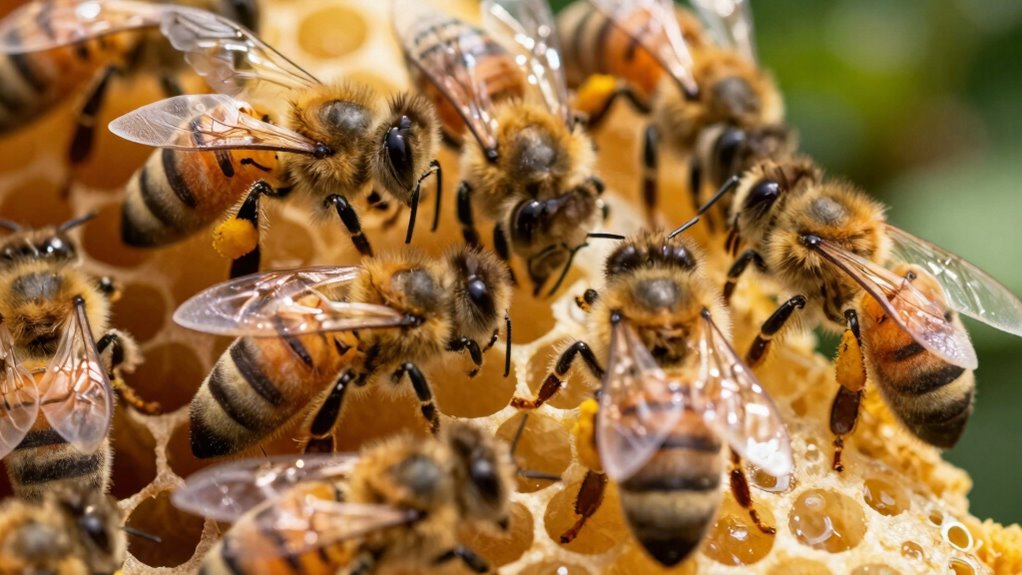

Bees face serious threats from pesticides, habitat loss, climate change, and diseases, which harm their ability to pollinate and survive. Pesticides poison flowers and weaken colonies, while urbanization and habitat destruction cut off foraging and nesting sites. Climate change disrupts flowering times and increases stress, and pests like mites spread disease. Supporting native plants, reducing chemical use, and creating bee-friendly spaces can make a real difference. To learn how you can help, keep exploring more ways to protect these crucial pollinators.
Key Takeaways
- Pesticide use and chemicals harm bees directly and disrupt their foraging, navigation, and immune systems.
- Habitat loss from urbanization reduces nesting sites and access to nectar and pollen resources.
- Climate change alters blooming cycles and increases heat stress, impacting bee survival.
- Diseases and parasites like Varroa mites weaken colonies and spread viruses.
- Supporting bees involves planting native flowers, avoiding pesticides, and providing nesting habitats like bee hotels.

Seed Needs Pollinator Seed Mix Honey Bee Blend Wildflowers | Bulk 1 Ounce 12,500+ Heirloom Seeds 20 Pollinator Friendly Flower Varieties | Help Save the Bees Produces Colorful Blooms | Open Pollinated
Quality Wildflower seeds packaged by Seed Needs. Each packet measures 3.25 inches wide by 4.50 inches tall.
As an affiliate, we earn on qualifying purchases.
As an affiliate, we earn on qualifying purchases.
Why Bees Matter: The Importance of Pollinators
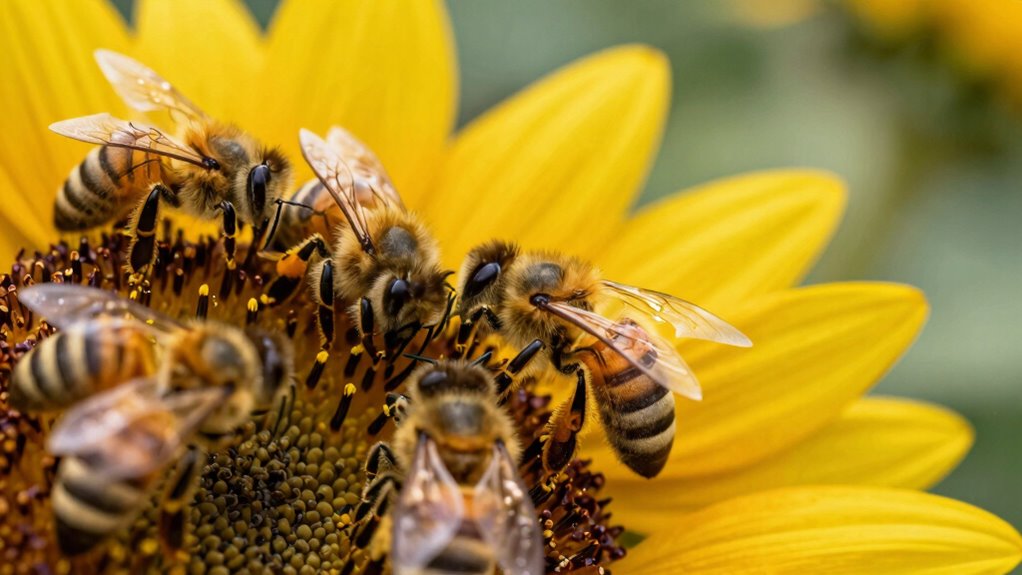
Bees play a essential role in maintaining healthy ecosystems and supporting agriculture. Their pollination benefits are fundamental for the reproduction of many plants, including fruits, vegetables, and nuts. Without bees, these crops would struggle to thrive, leading to reduced food production and biodiversity loss. Bees transfer pollen from flower to flower, ensuring plants can produce seeds and fruit. This process sustains not only plant life but also the animals that rely on those plants for food. Recognizing the importance of bee conservation helps protect these key pollinators. Supporting bee-friendly practices, such as planting native flowers and avoiding pesticides, can make a significant difference. By understanding their role, you contribute to maintaining healthy ecosystems and securing our food supply.

2 PK Premium Bug Hotel Kit Cedar Wood Insect Hotel – DIY Insect House Kit to Build – Backyard Bee House, Nesting Habitat Shelters, Garden Shelter for Bees, Butterflies, Bugs,Heavy Duty Thickness
– Heavy Duty Thickness, the most durable insect house, 3/4" SOLID WOOD MADE, Can Be Last For Years!…
As an affiliate, we earn on qualifying purchases.
As an affiliate, we earn on qualifying purchases.
The Biggest Threats Facing Bees Today
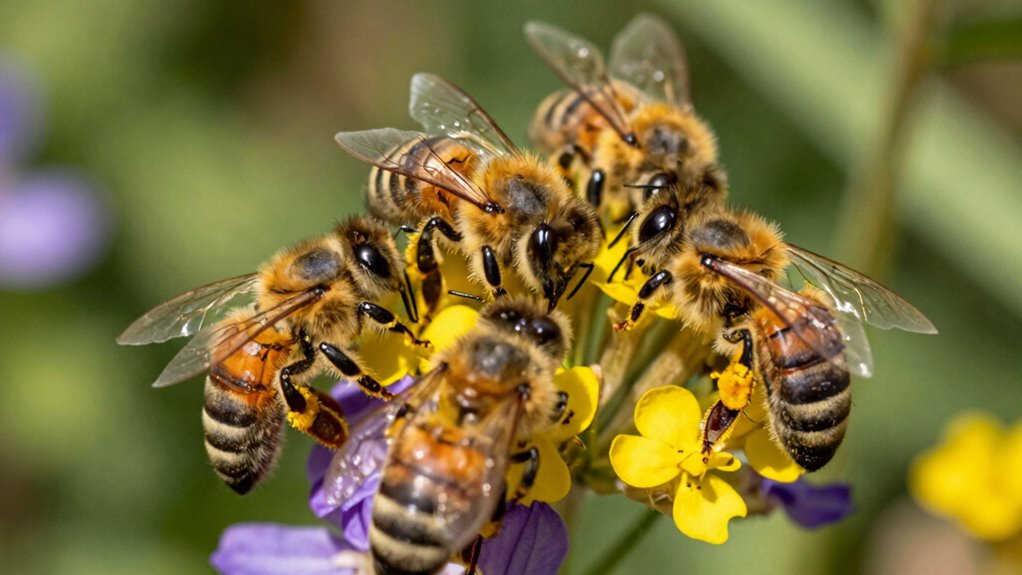
Despite their crucial role in pollination, bees face numerous threats that endanger their populations. One major threat is pesticide use, which harms bees directly and disrupts their foraging. Second, habitat loss from urbanization reduces natural forage and nesting sites, making urban farming both a challenge and an opportunity for bee conservation. Finally, diseases and parasites like the Varroa mite weaken colonies and spread rapidly. These threats are compounded by the decline of wild floral diversity, further limiting bee resources. Additionally, the use of high-tech beekeeping equipment, such as home theatre projectors, can sometimes inadvertently disturb bee habitats if not properly managed. Promoting beekeeping practices that minimize disturbance and support natural behaviors is essential for their survival. Implementing sustainable agricultural practices can significantly reduce harmful pesticide exposure. Innovative beekeeping technology, when used responsibly, can aid in monitoring bee health and improving hive management. Addressing these issues requires targeted efforts, such as promoting bee-friendly practices in urban farming and raising awareness about the importance of bee conservation. Understanding these risks helps us protect bees and secure the essential pollination services they provide.

Organic Laboratories Lab QT Organocide 3-in-1 Garden Spray (100-021)
Organocide is a nature-safe organic insecticide and fungicide effective on a wide variety of insects, mites etc
As an affiliate, we earn on qualifying purchases.
As an affiliate, we earn on qualifying purchases.
How Habitat Loss and Urbanization Are Hurting Bees
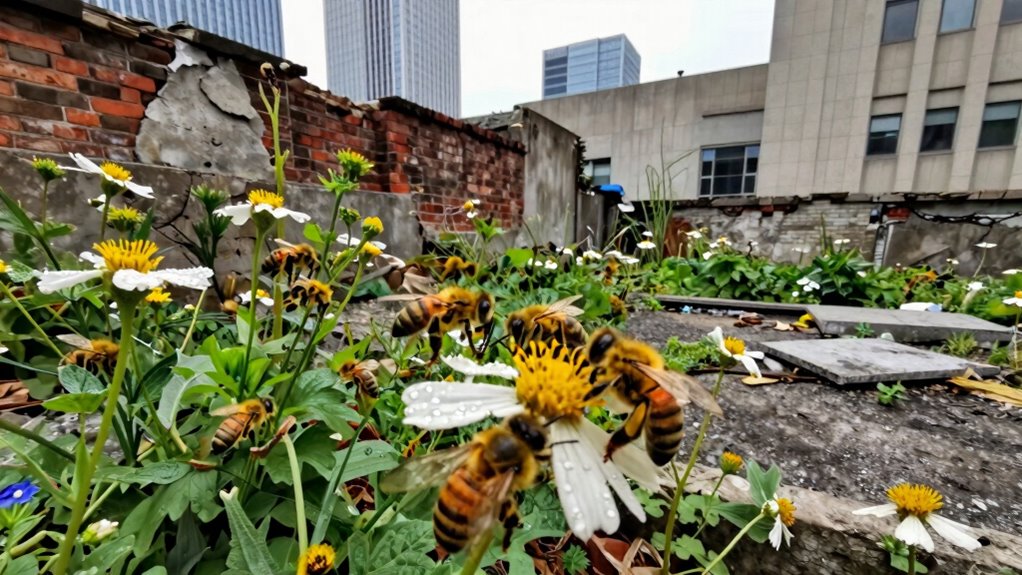
Have you ever wondered how urban expansion impacts bees? When cities grow through urban sprawl, they replace natural habitats with roads, buildings, and concrete. This leads to habitat fragmentation, breaking up large, continuous green spaces into smaller, isolated patches. Bees rely on diverse, abundant flowers for nectar and pollen, which shrinking habitats can’t consistently provide. As their environment shrinks and becomes fragmented, bees struggle to find enough food and safe nesting sites. Urbanization also introduces barriers that limit their movement, reducing genetic diversity and resilience. Without large, connected habitats, bee populations decline. Restoring natural habitats and creating urban gardens can provide essential resources and safe spaces for bees to thrive. Implementing green corridors can help reconnect fragmented areas, facilitating bee movement and gene flow. Protecting and restoring natural spaces, creating urban gardens, and maintaining green corridors can help mitigate these effects and support healthier bee populations amid ongoing urban growth. conservation strategies play a crucial role in safeguarding these vital pollinators, emphasizing the importance of habitat connectivity for their survival.

Burpee Wildflower 25,000 Bulk, 1 Bag, 18 Varieties of Non-GMO Flower Seeds Pollinator Garden, Pollinator Mix
Pollinator Seed Mix: Burpee's Wildflower Seeds Mix Will Attract Bees, Butterflies, Hummingbirds, And More Beneficial Pollinators To Your…
As an affiliate, we earn on qualifying purchases.
As an affiliate, we earn on qualifying purchases.
How Pesticides and Chemicals Are Contributing to Bee Decline
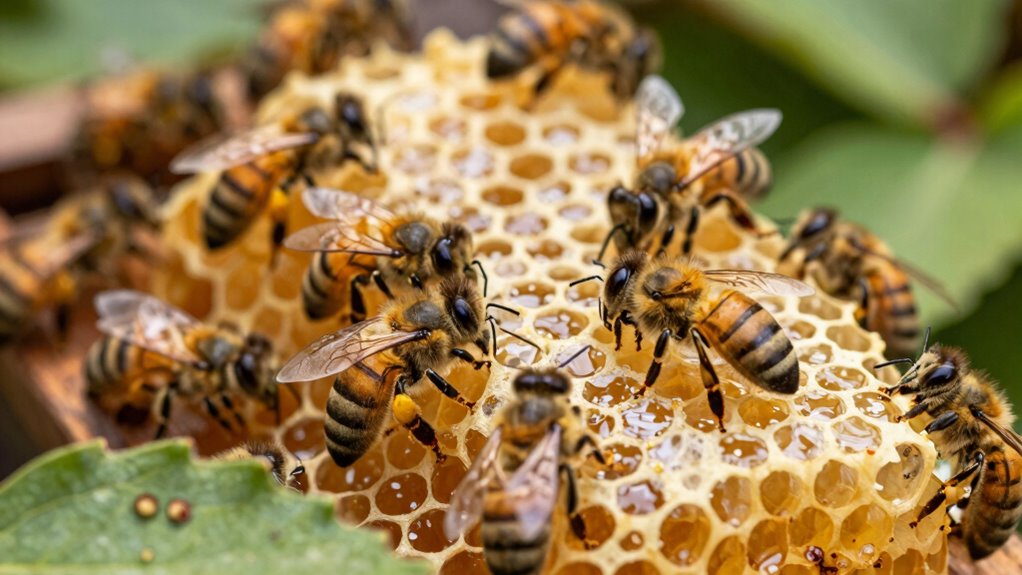
Pesticides poison bee habitats and leave chemical residues in the nectar they gather, making their food sources toxic. Chemicals like neonicotinoids are especially harmful, impairing bees’ ability to forage and reproduce. Understanding how these substances affect bees is essential to addressing their rapid decline. Environmental impact of pesticides further disrupts the ecosystems bees rely on. Additionally, the widespread use of halal-certified products in agriculture can influence the types of chemicals used and promote safer practices. The vetted regulations and research on pesticide safety are crucial for developing bee-friendly alternatives. Promoting sustainable farming practices can also reduce reliance on harmful chemicals and support bee health.
Pesticides Poison Bee Habitats
Chemicals used in modern agriculture, especially pesticides, directly harm bee habitats by contaminating flowers, pollen, and nectar they rely on for food. This contamination affects pollinator health and hampers habitat restoration efforts. Pesticides can:
- Persist in the environment, making habitats toxic for bees over time.
- Disrupt bees’ navigation and foraging behaviors, reducing their ability to gather food.
- Weaken colonies by impairing their immune systems, making them more vulnerable to disease.
- European cloud technology can support sustainable farming practices by enabling precise pesticide application and reducing chemical runoff.
Chemical Residues in Nectar
As pesticides and chemical residues settle into nectar, they directly expose bees to harmful substances as they forage. Nectar contamination occurs when chemicals from nearby treated plants seep into flowers, leading to widespread chemical residues. These residues can impair bees’ navigation, weaken their immune systems, and disrupt development. Understanding the extent of nectar contamination helps explain bee declines. Free floating in the environment can lead to increased exposure and accumulation of these harmful chemicals in bee populations. Additionally, chemical persistence in natural surroundings can prolong the presence of toxins, further endangering bee health.
Impact of Neonicotinoids
Neonicotinoids, a widely used class of insecticides, have become a significant factor in the decline of bee populations. When you consider neonicotinoid exposure, it’s clear these chemicals affect bees’ navigation, foraging, and reproduction. They persist in the environment, contaminating nectar and pollen, which increases the risk of long-term harm. To address this, pesticide regulation needs to adapt; current policies often lag behind scientific findings. Specifically, you should focus on:
- Limiting or banning neonicotinoid use in vulnerable ecosystems.
- Enforcing stricter pesticide regulation to reduce harmful exposure.
- Promoting alternative pest control methods that don’t threaten bee health.
Implementing integrated pest management strategies can also help reduce reliance on harmful chemicals while maintaining effective pest control. Additionally, increasing awareness about pesticide impact among farmers and policymakers is crucial for driving change. Recognizing the importance of environmental persistence in chemical regulation can lead to more effective protections for pollinators. Understanding the long-term ecological effects of these chemicals is essential for creating sustainable solutions that safeguard bee populations.
Climate Change and Its Impact on Bee Health
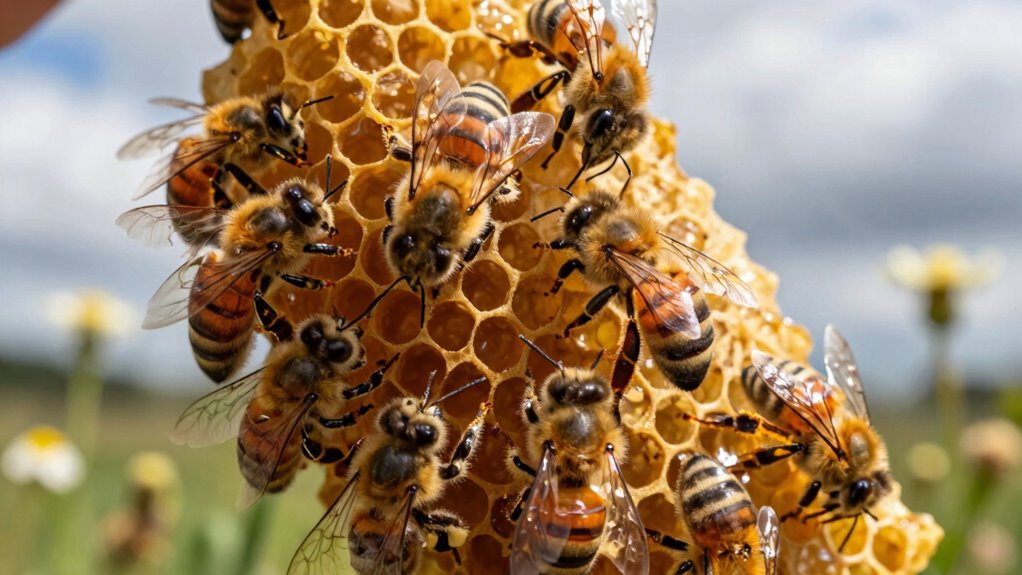
Climate change is increasingly threatening bee health by disrupting their natural habitats and altering the availability of food sources. Rising temperatures cause urban heat, making cities less hospitable for bees and reducing their resilience against environmental stresses. As heat waves become more frequent, bees struggle to regulate their hive temperatures, risking colony collapse. Changes in flowering times and plant blooming cycles also mean fewer reliable food sources, forcing bees to travel farther or face starvation. Building climate resilience through habitat restoration and planting diverse, native flora helps bees adapt to these shifts. Additionally, understanding the importance of plant properties in supporting bee nutrition can guide better planting choices for resilience. Incorporating native plant species that bloom across different seasons can further support bee populations throughout the year. Promoting biodiversity in local ecosystems enhances the availability of diverse foraging options for bees, helping them better withstand environmental changes. Supporting the preservation of native habitats plays a crucial role in maintaining healthy bee populations amid climate challenges. Creating climate-adapted habitats that consider changing weather patterns can further bolster bee resilience. By supporting these efforts, you can help mitigate some impacts of climate change, giving bee populations a better chance to survive and thrive despite the changing climate.
Diseases and Parasites That Harm Bee Populations
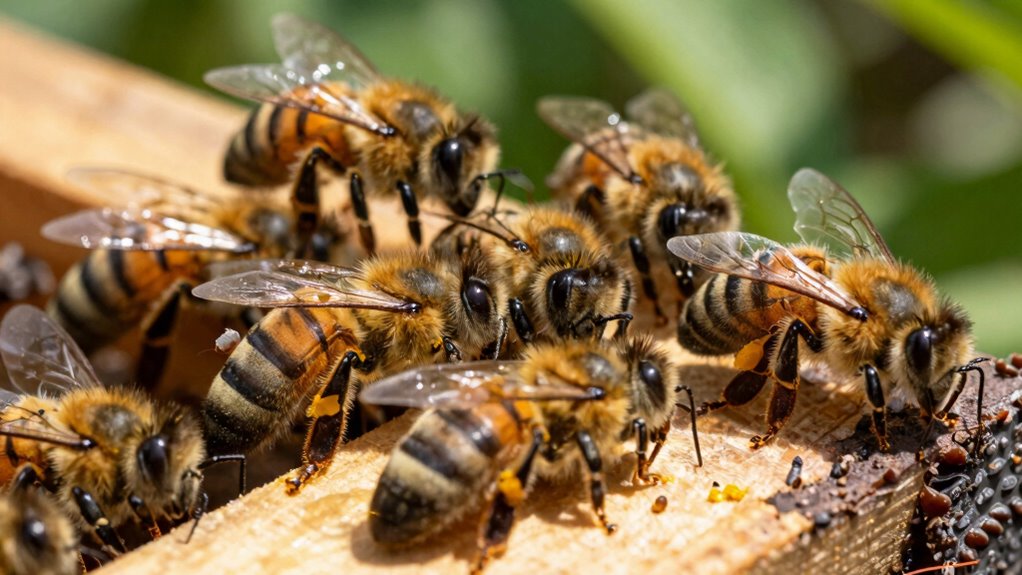
Diseases and parasites pose significant threats to bee populations by directly attacking their health and weakening colonies. Fungal pathogens, such as chalkbrood and American foulbrood, can infect brood and adult bees, disrupting hive productivity. Parasitic mites, particularly Varroa destructor, attach to bees and transmit viruses, impairing their immune systems. To combat these threats, beekeepers focus on three main strategies: 1. Regular hive inspections to detect early signs of fungal infections and mite infestations. 2. Using targeted treatments like organic acids and approved miticides. 3. Maintaining strong, healthy colonies through proper nutrition and minimizing stressors. Additionally, understanding the life cycle of mites helps beekeepers implement more effective control measures.
Practical Ways to Help Bees Recover and Thrive
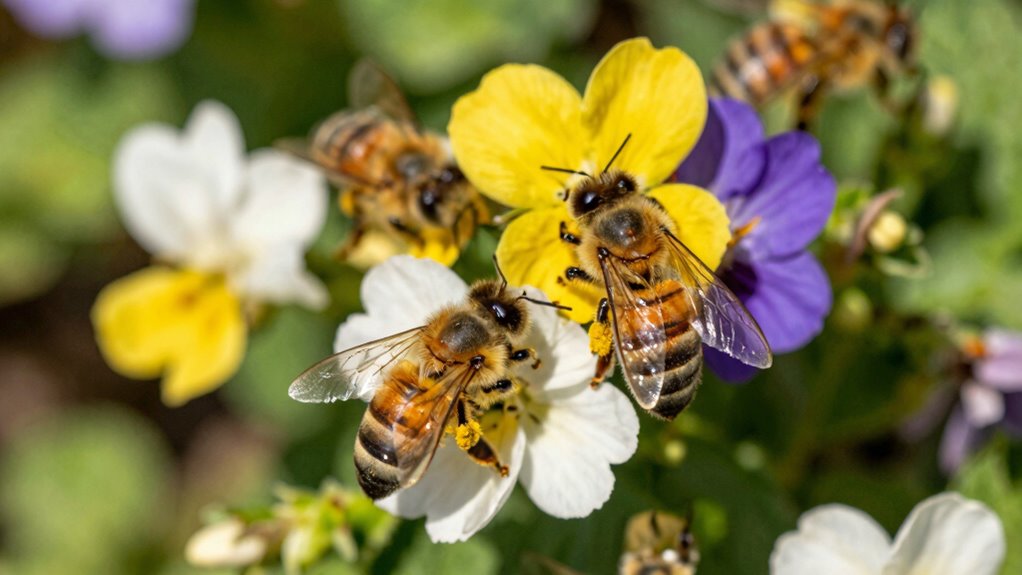
To help bees recover and thrive, you can take simple yet impactful actions to support their health and habitats. One effective way is by engaging in urban gardening, planting native flowers, and avoiding pesticides. Creating bee-friendly landscaping around your home or community provides essential forage for bees and helps rebuild their populations. Choose plants that bloom at different times of the year to ensure a continuous food source. Building small bee hotels can also provide safe nesting sites for native bees. These actions not only benefit bees but also improve local ecosystems and pollination for your garden. By making these small changes, you contribute to creating a healthier environment where bees can recover and flourish.
How Creating Bee-Friendly Habitats Supports Their Survival
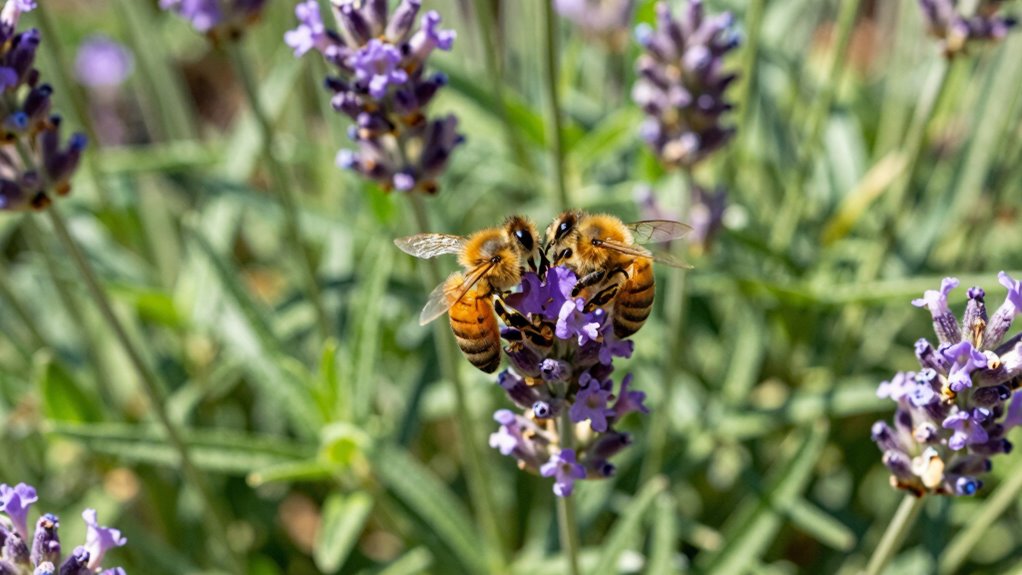
You can help bees by choosing native plants that provide their natural food sources. Offering shelter and clean water also gives them safe places to rest and stay hydrated. Together, these simple steps create a habitat that supports their survival and health.
Selecting Native Plant Species
Have you ever wondered why planting native species is vital for supporting bees? Native plants are key to habitat restoration because they provide the specific pollen and nectar bees need. By selecting the right plants, you can create a thriving environment that sustains local bee populations. Consider these steps:
- Choose native plants that bloom at different times to guarantee continuous food sources.
- Prioritize diverse species to support a variety of bee species and other pollinators.
- Avoid non-native or invasive plants that may disrupt local ecosystems.
Using native plants helps rebuild natural habitats, offering bees the food they rely on and promoting overall ecosystem health. Proper selection of native species plays an indispensable role in creating resilient, bee-friendly habitats.
Providing Shelter and Water
Building on the importance of planting native species, providing shelter and water creates a supportive environment where bees can thrive. You can help by offering safe nesting sites, such as leaving bare ground for ground-nesting bees or installing bee boxes. These sites give bees a secure place to rest and reproduce. Equally crucial are water sources; clean, shallow water like birdbaths or small ponds provide hydration and cooling spots. Ensure the water is refreshed regularly and has landing areas nearby. By creating access to nesting sites and water sources, you give bees the essentials they need for survival. This simple effort supports healthy bee populations, encourages pollination, and helps sustain local ecosystems. Your actions make a real difference in protecting these essential pollinators.
Simple Actions You and Your Community Can Take to Save Bees
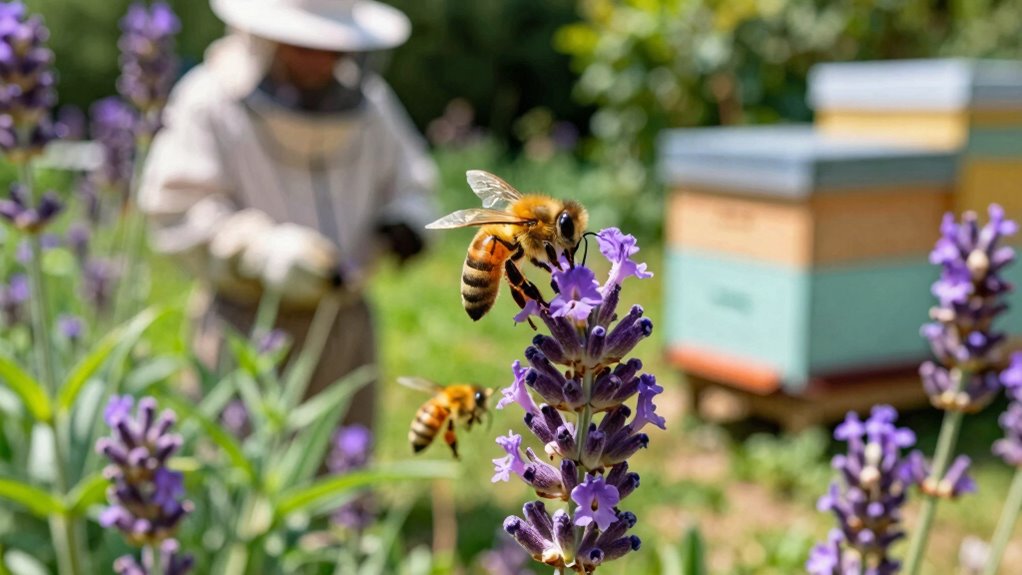
Taking simple actions in your community can make a big difference in saving bees. You can support bee health by engaging in urban beekeeping, which helps boost local pollinator populations. Participating in bee conservation programs allows you to contribute to larger efforts aimed at protecting bees and their habitats. Here are three effective steps:
- Start or support local urban beekeeping initiatives to create safe environments for bees.
- Join or advocate for bee conservation programs that promote planting bee-friendly flowers and reducing pesticide use.
- Educate neighbors and community groups about the importance of bees and how they can help protect them.
These actions foster community involvement and create sustainable habitats, giving bees a fighting chance. Every small step counts toward ensuring their survival.
Frequently Asked Questions
How Do Bees Communicate With Each Other?
You see, bees communicate mainly through pheromone signaling and the waggle dance. When they want to share information about food sources or danger, they release specific pheromones to alert others. The waggle dance is a fascinating move where a worker bee wiggles and moves in a particular pattern to tell hive mates the direction and distance of nectar or pollen. This complex communication keeps the hive functioning smoothly.
Can Urban Gardens Effectively Support Bee Populations?
Urban gardens can effectively support bee populations by promoting urban planting and increasing garden biodiversity. When you plant a variety of native flowers and provide diverse habitats, bees find more food sources and nesting sites. Your efforts help create safe environments amid cityscapes, encouraging healthy pollinator populations. By focusing on urban planting and enhancing garden biodiversity, you directly contribute to the survival and thriving of bees in city areas.
Are All Bee Species Equally Threatened by Current Issues?
You’ll find that not all bee species face the same threats. Honey bees, often targeted by pesticides and disease, struggle with colony collapse, while wild bees face habitat loss and climate change. Some species are more resilient, but many wild bees, like bumblebees and solitary bees, are increasingly threatened. Understanding these differences helps you protect diverse bee populations, ensuring pollination and plant proliferation flourish across ecosystems.
What Are the Signs of Bee Colony Collapse Disorder?
You’ll notice colony collapse disorder when worker bees suddenly disappear, leaving behind the queen, larvae, and honey. Pesticide impacts and habitat loss weaken colonies, making bees more vulnerable to diseases and stress. Signs include declining hive activity, a lack of foraging, and empty hives. If you see these, it’s a clear sign that environmental threats like pesticides and habitat loss are taking a toll on bee health.
How Do Beekeepers Help Maintain Healthy Bee Colonies?
Imagine a skilled gardener tending a delicate garden; you do the same with your bee colonies. You maintain healthy hives through diligent hive management, making sure they’re free of pests and diseases. During honey harvesting, you handle bees gently, minimizing stress. By providing clean water, nutritious food, and a safe environment, you help your bees thrive, keeping their colonies strong and productive. Your care ensures the garden of pollinators continues to flourish.
Conclusion
By taking simple steps, you can be the gardener planting hope amidst the chaos. Creating bee-friendly habitats and reducing chemical use are like giving bees a safe harbor in a storm. Your actions ripple outward, helping pollinators thrive and ensuring our ecosystems stay balanced. Remember, every small effort is a seed that, when nurtured, can blossom into a future where bees flourish once more—a affirmation to your power to make a difference.