
When you burn fossil fuels or clear land, CO₂ gets released into the atmosphere, where some stays for a while and others are absorbed by plants and oceans. Plants take in CO₂ during photosynthesis, while the oceans dissolve some of it, becoming long-term carbon sinks. Over time, carbon can also settle into soils and sediments. If you want to understand how this process helps regulate Earth’s climate, keep exploring how this cycle works.
Key Takeaways
- When we emit CO₂, it enters the atmosphere, contributing to the greenhouse effect and climate change.
- Some CO₂ is absorbed by plants during photosynthesis, storing carbon in organic matter.
- Oceans absorb CO₂ through dissolution, forming carbonate compounds and supporting marine life.
- Natural processes like soil and sediment storage trap CO₂ long-term, helping balance emissions.
- Human activities like burning fossil fuels disrupt this cycle, increasing atmospheric CO₂ levels and warming the planet.
What Is the Carbon Cycle and Why Is It Important?
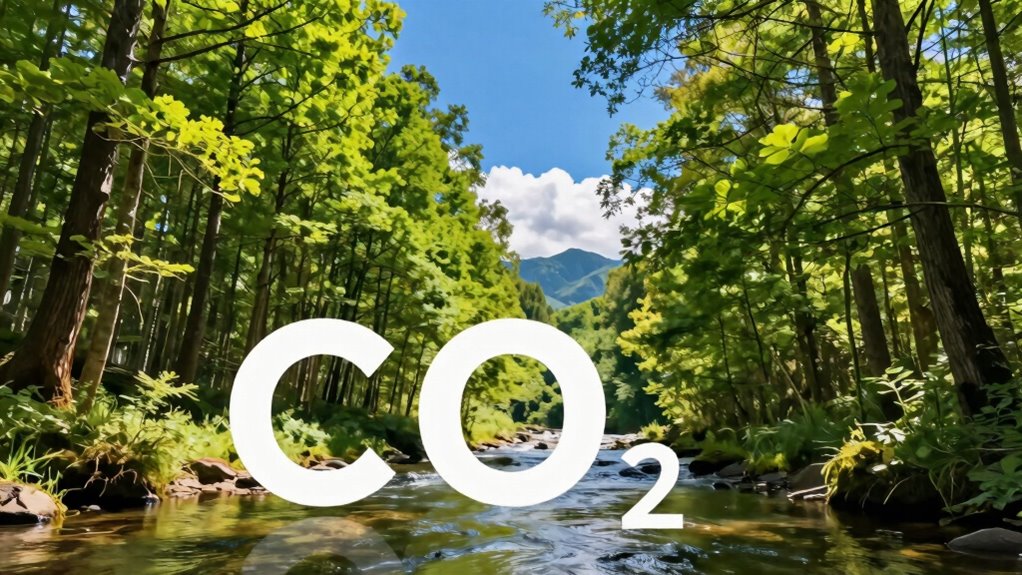
Have you ever wondered how carbon moves through Earth’s systems? The carbon cycle is the natural process that transfers carbon among different reservoirs like the atmosphere, oceans, land, and living organisms. These carbon reservoirs store carbon at different times, helping maintain a cycle balance that keeps Earth’s climate stable. Plants absorb CO₂ during photosynthesis, pulling carbon from the atmosphere into the land. When organisms die or decay, carbon moves into soil or water. The cycle also involves releasing carbon back into the atmosphere through respiration, decomposition, and volcanic activity. This balance ensures carbon doesn’t accumulate excessively in one reservoir, preventing drastic climate changes. Understanding the carbon cycle is essential because it regulates Earth’s climate and supports life.
How Do Humans Emit CO₂ Into the Atmosphere?
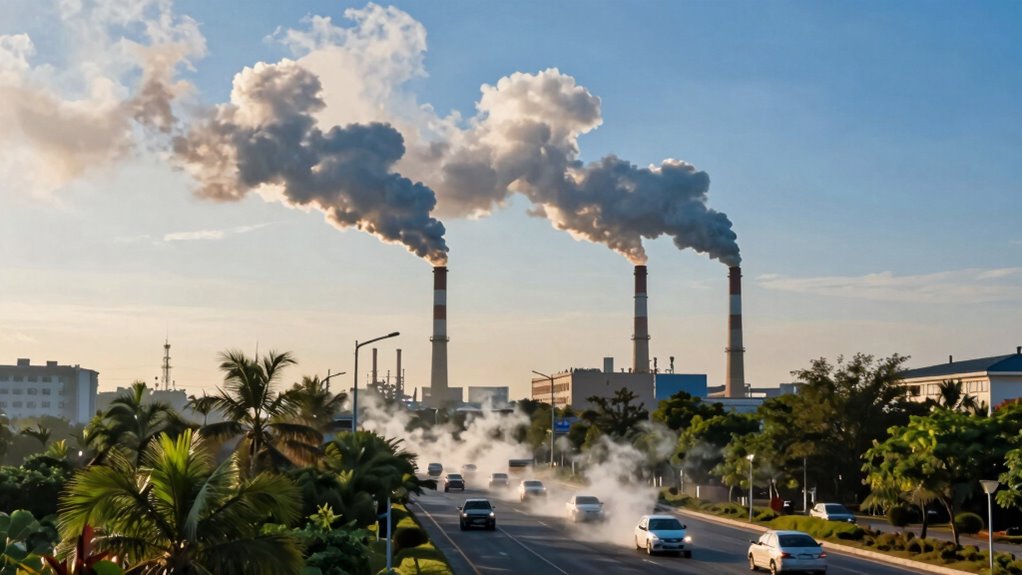
Humans release CO₂ into the atmosphere mainly through burning fossil fuels like coal, oil, and natural gas. Deforestation also adds to emissions by reducing trees that absorb CO₂, while industrial activities release large amounts directly. Understanding these sources helps you see how human actions impact the carbon cycle.
Burning Fossil Fuels
Ever wonder how burning fossil fuels releases CO₂ into the atmosphere? When you burn coal, oil, or natural gas—common fossil fuels—you’re releasing stored carbon that was underground for millions of years. This process increases your carbon footprint and adds more CO₂ to the air. The combustion reaction combines fossil fuels with oxygen, creating energy and releasing CO₂ as a byproduct. This CO₂ then enters the atmosphere, contributing to climate change.
- Fossil fuel combustion releases large amounts of CO₂ quickly
- Power plants and vehicles are major sources
- The more fossil fuels you burn, the bigger your carbon footprint
- Burning fossil fuels also releases other pollutants
- This process directly impacts the balance of the carbon cycle
Deforestation Effects
When forests are cleared or burned, large amounts of CO₂ are released into the atmosphere. This process, known as forest loss, markedly contributes to human emissions of greenhouse gases. Deforestation destroys habitats for countless species, disrupting ecosystems and reducing the number of trees that can absorb CO₂. Trees naturally act as carbon sinks, taking in CO₂ during photosynthesis. When they’re cut down or burned, not only does this absorption stop, but the stored carbon is also released back into the air. This double effect accelerates climate change by increasing greenhouse gases in the atmosphere. In short, habitat destruction caused by deforestation directly adds to CO₂ levels, making it a major driver of human-related carbon emissions. Additionally, efforts to restore forests and promote reforestation can help mitigate these emissions by re-establishing natural carbon sinks.
Industrial Activities Emissions
Have you ever wondered how industrial activities contribute to CO₂ emissions? Your carbon footprint increases when factories, power plants, and transportation burn fossil fuels like coal, oil, and natural gas. These are the main emission sources that release CO₂ into the atmosphere. Industrial processes such as cement production and chemical manufacturing also add to this. The burning of fossil fuels for energy is the largest contributor, but other activities like mining and transportation intensify the problem. By understanding these emission sources, you can see how human actions directly impact the carbon cycle. Reducing emissions from industry requires cleaner energy, improved efficiency, and adopting greener technologies, helping to lower your overall carbon footprint and slow climate change. Additionally, high emission rates underscore the importance of developing innovative solutions to minimize industrial CO₂ output. Recognizing the industrial contribution to greenhouse gases can motivate efforts toward sustainable practices and policies.
Where Does Emitted CO₂ Go After It Leaves Our Cars and Factories?

Once CO₂ leaves your car or factory, it doesn’t just vanish; instead, it enters the atmosphere where it begins its journey through the Earth’s carbon cycle. Some of it stays in the air temporarily, contributing to greenhouse effects. Over time, natural processes like carbon sequestration pull some CO₂ out of the atmosphere, trapping it in forests, soils, or underground rocks. However, not all emissions are purely carbon dioxide—methane emissions also play a role, especially from landfills and agriculture, impacting the overall greenhouse effect. Your emitted CO₂ mixes with existing atmospheric gases, spreading globally. This cycle continues as CO₂ is eventually absorbed by oceans or stored in long-term reservoirs, influencing climate and ecosystems worldwide.
How Do Plants and Oceans Absorb Carbon During Photosynthesis and Ocean Sinks?

Plants and oceans act as essential sinks for atmospheric carbon, removing CO₂ through natural processes. During photosynthesis, plants absorb CO₂, turning it into organic matter, though plant respiration releases some back into the atmosphere. photosynthesis is a vital process where sunlight powers the conversion of CO₂ into energy stores in plants, making it highly efficient. This process is also influenced by the availability of sunlight, which affects how much CO₂ can be absorbed. Oceans absorb CO₂ through oceanic absorption, where CO₂ dissolves into seawater, forming carbonate compounds. This process helps regulate atmospheric CO₂ levels. You can explore how deep-sky imaging techniques can help visualize these natural processes in the night sky, highlighting the interconnectedness of Earth’s systems.
- Phytoplankton contribute markedly to oceanic absorption.
- The solubility of CO₂ increases with cooler water temperatures.
- Plants rely on sunlight to power photosynthesis, capturing CO₂ efficiently.
- Ocean currents distribute absorbed CO₂ across vast areas.
- Marine organisms help lock carbon in shells and sediments over time.
- Carbon sequestration in sediments further stabilizes carbon storage over geological timescales.
- Additionally, coastal ecosystems like mangroves and salt marshes are vital carbon sinks, supporting long-term storage of carbon in sediments.
These mechanisms guarantee that both plants and oceans play essential roles in controlling atmospheric CO₂.
How Is Carbon Stored in Soil and Sediments Over Time?
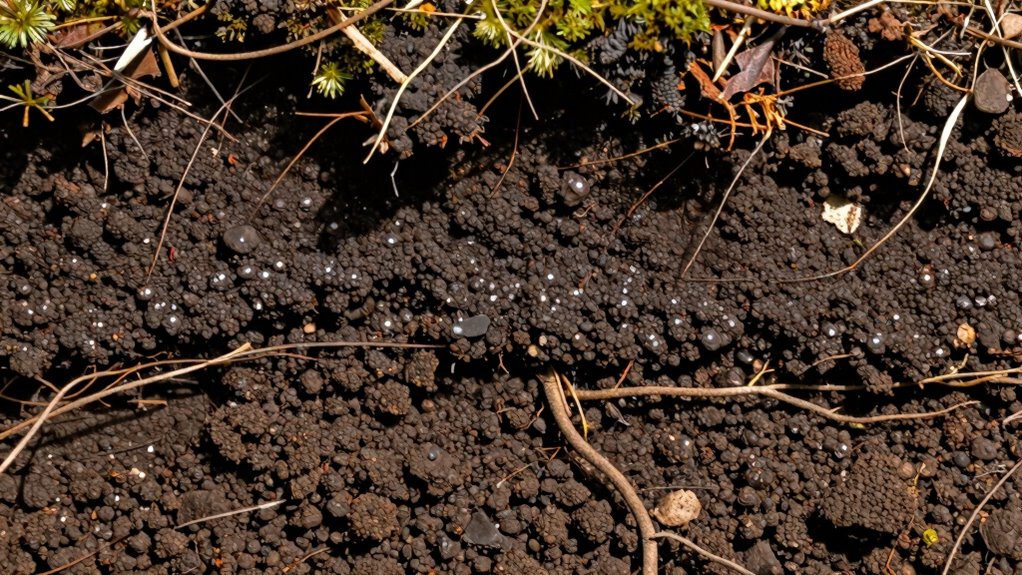
As carbon is absorbed by plants and oceans, some of it eventually settles into soil and sediments, where it can remain stored for long periods. Soil carbon forms when organic matter from decayed plants and animals integrates into the soil, creating a stable carbon reservoir. Sediment storage occurs when dead organisms or organic particles settle on the ocean floor or lake beds, trapping carbon beneath layers of sediment. These storage processes help keep carbon out of the atmosphere for years or even centuries. Additionally, sustainable land management practices can enhance these natural storage processes, increasing the amount of carbon retained in soils and sediments. The conditions that favor soil stability also play a crucial role in determining how long this stored carbon remains underground. Proper soil management techniques can further boost carbon sequestration and support long-term storage, especially when combined with practices that promote soil health and prevent erosion.
What Natural Processes Release Stored Carbon Back Into the Air?
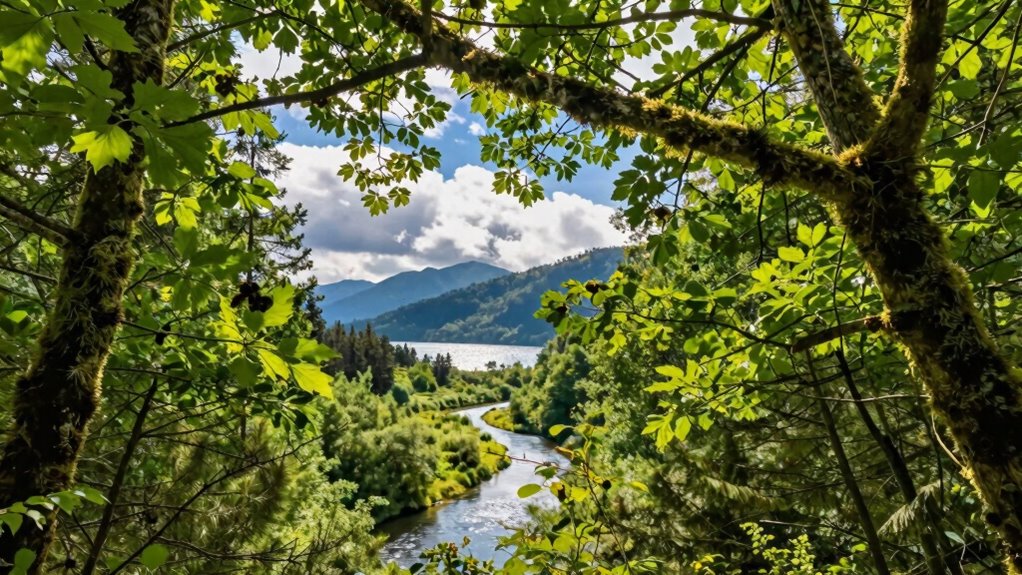
Natural processes such as respiration, decomposition, and geological activity can release stored carbon back into the atmosphere. During respiration, plants and animals break down sugars, releasing CO₂ through the photosynthesis process. Natural decay of organic matter, like fallen leaves and dead animals, also releases carbon as microbes decompose material. Geological activity, including volcanic eruptions, brings carbon from beneath the Earth’s surface into the air. These processes balance the carbon stored in soils and sediments. They are essential parts of the natural carbon cycle, constantly moving carbon between the land, ocean, and atmosphere. Understanding these processes helps explain how carbon re-enters the air naturally, maintaining a dynamic equilibrium in the environment. Additionally, carbon fluxes between the ocean and atmosphere play a crucial role in regulating global carbon levels. These natural mechanisms help sustain the delicate balance of the Earth’s carbon system, ensuring that carbon is cycled efficiently across different reservoirs.
Why Understanding the Carbon Cycle Matters for Climate Change?
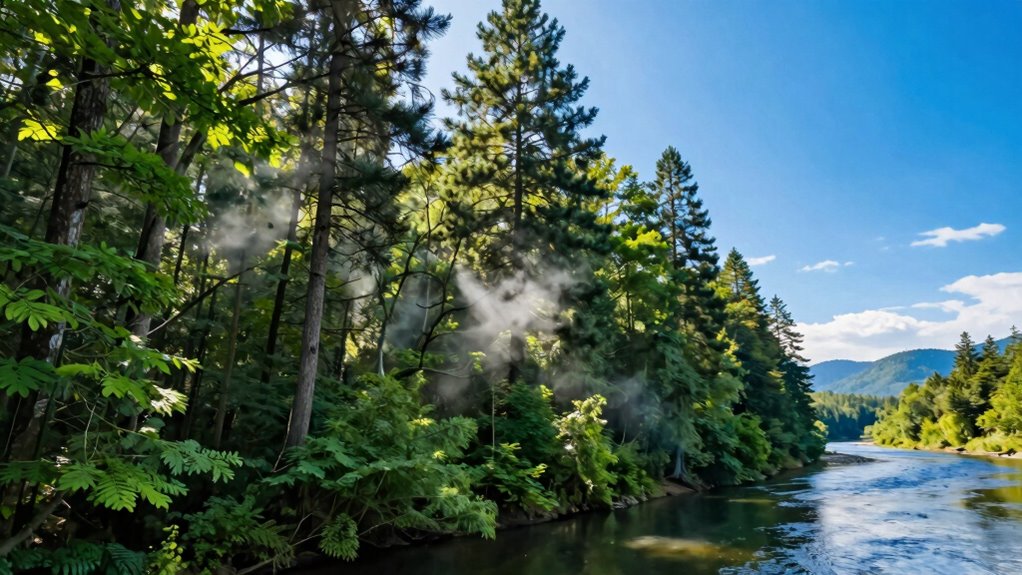
Understanding the carbon cycle is essential because it directly influences our planet’s climate. When carbon is sequestered in forests, oceans, or soils, it helps regulate global temperatures by removing CO₂ from the atmosphere. This natural process acts as a buffer against climate change, but disruptions can weaken its effectiveness. If carbon sequestration decreases or is overwhelmed, more CO₂ stays in the air, intensifying the greenhouse effect. Recognizing how the cycle works helps us understand climate feedback loops, where increased warming can accelerate carbon release from natural stores, further amplifying climate change. For example, carbon sequestration varies based on natural processes and human activity, affecting how much CO₂ is removed from the atmosphere. The integration of archaeological and ecological data can enhance our understanding of historical carbon cycle changes. Additionally, natural carbon sinks like forests and oceans play a critical role in moderating atmospheric CO₂ levels. Advances in scientific research continue to shed light on the delicate balance within the cycle, emphasizing the importance of preserving these vital carbon reservoirs, which are essential for maintaining a balanced cycle and stabilizing our climate.
How Can We Help Keep the Carbon Cycle in Balance?
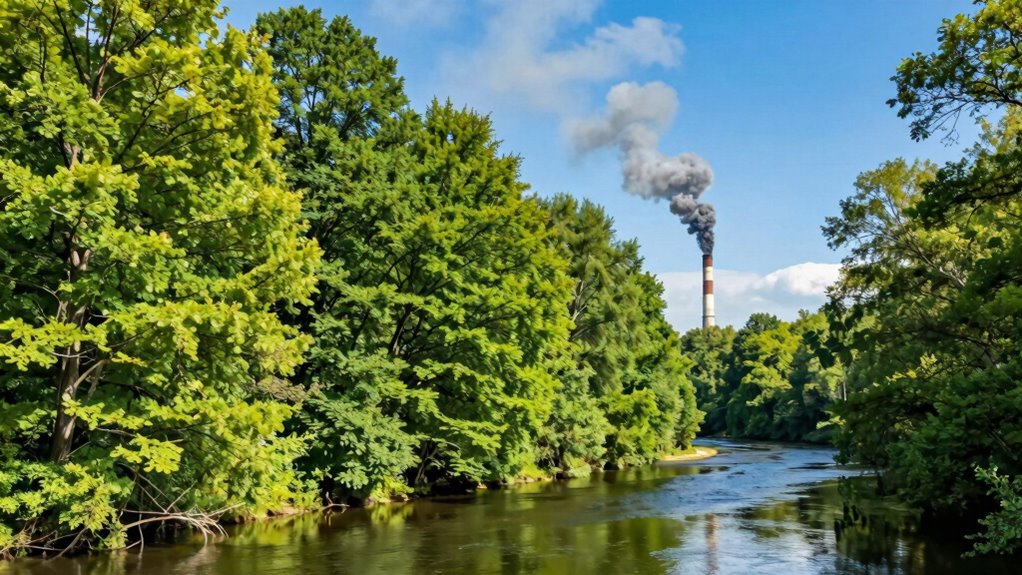
You can help keep the carbon cycle balanced by choosing renewable energy sources like solar and wind. Cutting back on fossil fuel emissions also makes a big difference. Small changes in your daily habits can contribute to maintaining a healthier planet. Utilizing portable solar power stations can further reduce reliance on fossil fuels and promote energy independence. Additionally, supporting air purifier technologies that filter out pollutants can improve indoor air quality and reduce the harmful effects of pollutants released into the environment. Being aware of privacy policy and cookie management can help you make informed decisions about your online activities and data security. Understanding the carbon cycle and its processes can empower you to take more effective actions toward environmental conservation. Recognizing how carbon sinks like forests and oceans naturally absorb CO₂ highlights the importance of preserving these ecosystems to keep the cycle in balance.
Promote Renewable Energy Use
Promoting renewable energy use is a crucial step toward maintaining the balance of the carbon cycle. By switching to sources like solar energy and wind power, you reduce reliance on fossil fuels that emit large amounts of CO₂. These clean energy options generate electricity without releasing greenhouse gases, helping to lower overall emissions. Supporting policies and investments in renewable tech accelerates this shift. Additionally, adopting renewable energy at home or in businesses decreases your carbon footprint. Implementing sustainable energy solutions is essential for long-term environmental health and climate stability.
Reduce Fossil Fuel Emissions
Reducing fossil fuel emissions is essential for keeping the carbon cycle in balance, and everyone can contribute to this effort. One effective way is supporting carbon farming, which involves agricultural practices that absorb more CO₂ from the atmosphere. You can also invest in carbon offsets, allowing you to compensate for your emissions by funding projects that reduce or capture greenhouse gases elsewhere. Simple actions like using public transportation, driving less, or switching to renewable energy sources further cut emissions. These efforts help prevent excess CO₂ from overwhelming natural sinks. By actively participating in carbon farming initiatives and purchasing offsets, you help lower overall emissions and support a healthier, more balanced carbon cycle for future generations.
Summary: The Journey of Carbon and Why It Matters
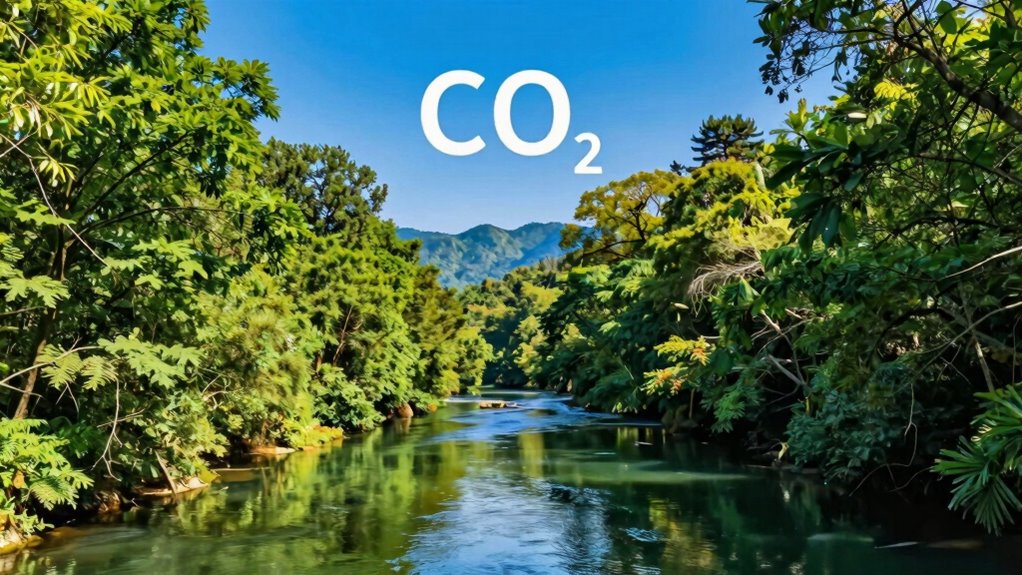
The journey of carbon is a essential part of Earth’s natural systems, shaping the environment and supporting life. When you understand how carbon moves, you see its importance in climate stability and ecosystems. Carbon storage in forests, oceans, and soils helps regulate atmospheric CO₂, influencing climatic effects. If this balance tips, it can lead to global warming or cooling. Your actions, like reducing emissions, can help maintain this delicate cycle. Recognizing the pathways carbon takes emphasizes the urgency of protecting natural reservoirs. It also highlights how human activities disrupt these processes, impacting climate and biodiversity. Protecting carbon stores and minimizing emissions ensures a healthier planet for future generations. Staying aware of this cycle helps you make informed choices for a sustainable future.
- Carbon moves between atmosphere, land, and oceans
- Natural carbon sinks store excess CO₂
- Disruption affects climate and weather patterns
- Human activities intensify carbon release
- Maintaining carbon storage is essential for climate stability
Frequently Asked Questions
How Does Deforestation Impact the Carbon Cycle?
When you experience deforestation, you reduce forest loss, which directly impacts carbon storage. Trees absorb CO₂ from the atmosphere, acting as natural carbon sinks. Without enough trees, less CO₂ gets stored, leading to higher atmospheric CO₂ levels. This accelerates climate change because the carbon cycle becomes unbalanced. So, stopping deforestation helps maintain healthy carbon storage and keeps the climate in check.
What Role Do Volcanic Eruptions Play in Carbon Release?
Volcanic eruptions release significant amounts of volcanic CO₂ during eruption emissions, contributing to the carbon cycle. When a volcano erupts, it spews CO₂ and other gases into the atmosphere, adding to the natural sources of greenhouse gases. While these emissions are relatively small compared to human activities, they still play a role in maintaining Earth’s balance of carbon. Over time, volcanic CO₂ helps fuel natural processes that regulate our planet’s climate.
Can Carbon Sequestration Effectively Reduce Atmospheric Co₂ Levels?
Yes, carbon sequestration can effectively reduce atmospheric CO₂ levels. You can enhance soil carbon storage by planting more trees and adopting sustainable farming practices. Additionally, ocean absorption naturally pulls CO₂ from the atmosphere, helping mitigate climate change. Combining these methods, along with technological solutions, offers a promising way to lower greenhouse gases and combat global warming, making a tangible difference in our environment.
How Do Climate Change Effects Alter the Carbon Cycle?
Climate change impacts the carbon cycle by triggering climate feedbacks that release more CO₂ into the atmosphere, like melting permafrost and increased wildfires. Ocean acidification, caused by higher CO₂ levels, harms marine life and weakens the ocean’s capacity to absorb CO₂. These effects create a cycle that accelerates global warming, making it harder to stabilize atmospheric CO₂ levels and combat climate change.
What Technologies Are Being Developed to Monitor Global Carbon Fluxes?
Like Icarus reaching for the sun, you harness advanced satellite monitoring and carbon sensors to track Earth’s carbon fluxes in real time. These technologies help you detect where CO₂ is emitted and absorbed, providing crucial data for climate action. By deploying satellites equipped with sophisticated sensors, you can monitor forests, oceans, and cities globally, improving accuracy and enabling swift responses to mitigate climate change impacts effectively.
Conclusion
By understanding the intricate interplay of the carbon cycle, you can better appreciate its importance in balancing our planet’s breath. Recognizing how carbon moves from emissions to ecosystems helps you make mindful choices and motivate meaningful change. Protecting this precious process requires patience, persistence, and proactive actions. Remember, when you prioritize preservation and promote progress, you play a powerful part in preventing perilous pollution and preserving our planet’s pristine, precious balance.