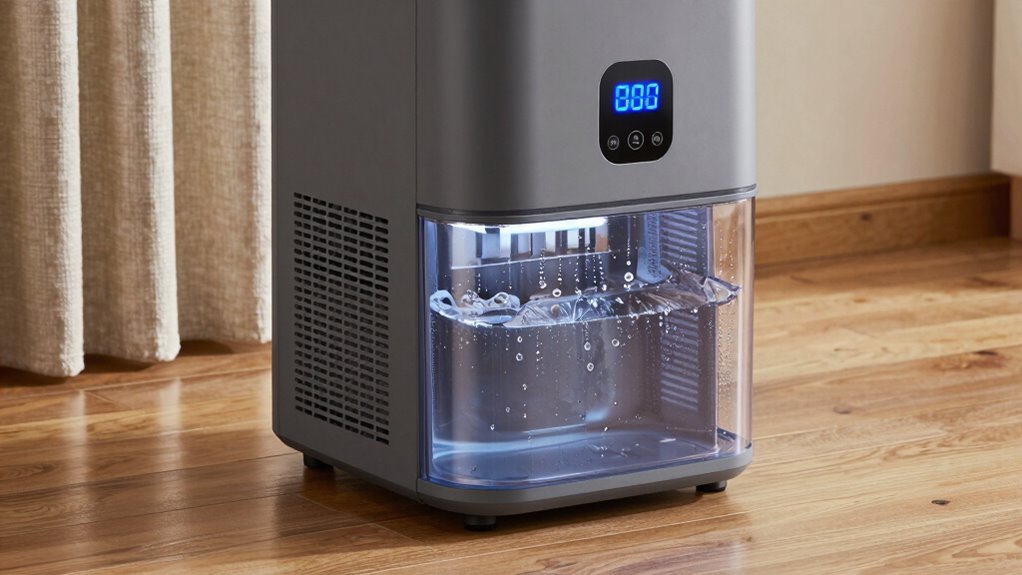

When choosing a dehumidifier, prioritize capacity and energy efficiency over tank size. A unit with the right capacity for your space will remove moisture effectively without running constantly, saving energy and reducing costs. Look for models with high Energy Star ratings and smart features that adjust operation based on humidity levels. Quiet operation is also important for continuous use. If you want to know more about optimizing your dehumidifier’s performance, keep exploring these essential factors.

Prime made for students and young adults
- Fast, free delivery for dorm and study essentials
- Prime Video and Amazon Music included
- Member-only deals
Key Takeaways
- Proper dehumidifier capacity for the space ensures effective humidity control and energy efficiency.
- Energy-efficient models with high ratings save power and reduce environmental impact.
- Noise levels and quiet operation features influence usability in living or sleeping areas.
- Additional features like smart regulation optimize performance and long-term savings.
- Indoor air quality improvements, such as mold reduction, are crucial for health and sustainability.
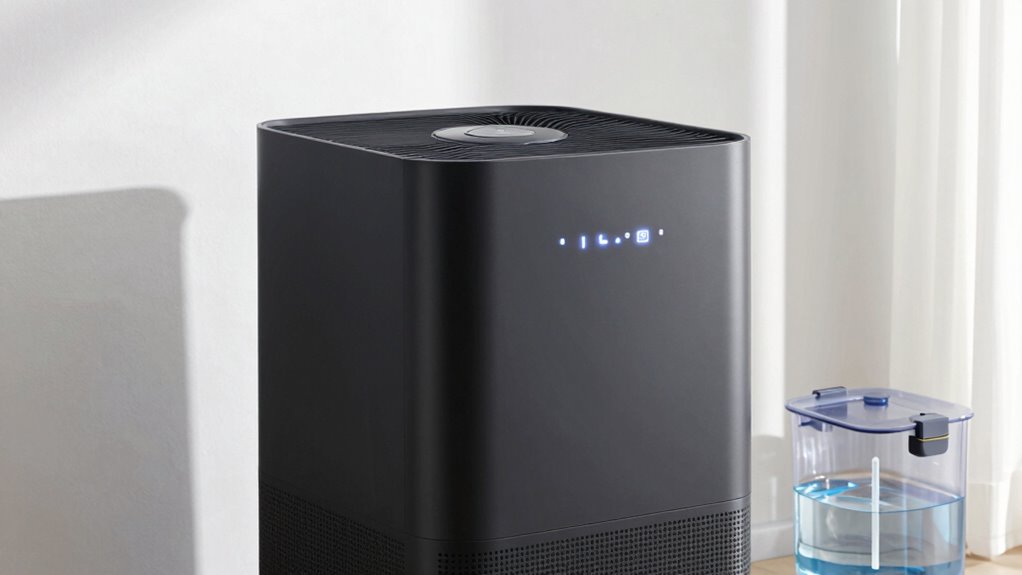
If you’ve noticed excess moisture in your home, a dehumidifier can be an effective solution. While tank size might seem like a key factor, it’s more important to focus on how well the unit performs overall. One essential aspect to consider is energy efficiency. A dehumidifier that consumes less power not only helps cut your energy bills but also reduces your carbon footprint. Look for models with high Energy Star ratings, which are designed to operate efficiently by adjusting their compressor and fan speeds based on the humidity level. This smart regulation means you’re not wasting energy running the unit longer than necessary. Also, think about the capacity of the dehumidifier in relation to your space; a unit that’s too small will run constantly, consuming more energy, while a slightly larger one will operate more efficiently and effectively. Additionally, considering indoor air quality improvements can ensure that the dehumidifier contributes to a healthier environment by reducing mold and allergens. Furthermore, selecting a model with features that support energy-efficient operation can lead to long-term savings and environmental benefits. Noise levels are another important factor that often gets overlooked. It’s easy to assume that larger tanks or higher capacity units will be noisier, but that’s not always the case. Some modern dehumidifiers are built with noise reduction features, allowing them to run quietly even if they have a bigger tank or higher capacity. This is especially relevant if you plan to use the unit in bedrooms, living rooms, or other spaces where silence is valued. A quieter operation means you can leave the dehumidifier running without it becoming a disturbance, which encourages consistent use and better humidity control. When comparing models, look for reviews or specifications that specify noise levels measured in decibels; anything below 50 decibels is generally considered quiet enough for home use. Additionally, understanding the dehumidifier capacity and how it aligns with your environment can help optimize performance and energy consumption. Incorporating biodiversity considerations like improved indoor air quality can also contribute to a healthier, more sustainable living space, highlighting the importance of environmental impact in choosing the right appliance.
Energy Star dehumidifier with smart features
As an affiliate, we earn on qualifying purchases.
As an affiliate, we earn on qualifying purchases.
Frequently Asked Questions
How Often Should I Empty the Dehumidifier’s Water Tank?
You should empty your dehumidifier’s water tank when it’s full, which depends on its water tank capacity and your home’s humidity level. Typically, you’ll need to check and empty it every few days if humidity is high, or weekly if it’s lower. Regularly monitoring the filling frequency helps prevent overflow and keeps your dehumidifier working efficiently, ensuring continuous moisture control without interruption.
Do Dehumidifiers Consume a Lot of Electricity?
Dehumidifiers don’t consume a lot of electricity, but their energy efficiency varies. You can save power by choosing models with low power consumption and good energy ratings. Look for units with energy-saving features and adjustable humidity settings. Proper use keeps power consumption minimal, while neglecting these factors can cause higher energy bills. So, yes, they can be energy-efficient if you pick the right one and operate it wisely.
Can a Dehumidifier Reduce Mold Growth?
Yes, a dehumidifier can help reduce mold growth by controlling excess moisture, which is essential for mold prevention. When humidity levels stay low, mold spores struggle to settle and grow, improving your air quality. You should use it regularly in damp areas like basements or bathrooms. By maintaining ideal humidity—ideally between 30-50%—you create an environment less conducive to mold, keeping your home healthier.
Are Portable Dehumidifiers Effective for Large Spaces?
Are portable dehumidifiers effective for large spaces? They can be, if you choose one designed for large areas, offering higher capacity and powerful fan systems. Portable efficiency depends on the unit’s size, humidity settings, and airflow. While smaller models work well for compact rooms, larger spaces require a dehumidifier with sufficient coverage. Always check the product specifications to guarantee it matches your space’s size and moisture levels for ideal results.
What Maintenance Is Required for Optimal Performance?
To keep your dehumidifier running efficiently, regularly clean the filter to prevent dust buildup and guarantee proper airflow. You should also calibrate the sensor periodically, so it accurately detects humidity levels. Check for any signs of wear or damage, and follow the manufacturer’s maintenance instructions. By staying on top of filter cleaning and sensor calibration, you’ll maximize performance and extend your dehumidifier’s lifespan.
As an affiliate, we earn on qualifying purchases.
Conclusion
When choosing a dehumidifier, focus on what truly matters—capacity, efficiency, and features—rather than just tank size. Prioritize your room’s needs, consider your moisture levels, and select a model that works best for you. Because a well-chosen dehumidifier not only dries the air but also improves your comfort, protects your home, and saves you money. Make your decision wisely, and enjoy the benefits of a healthier, more comfortable environment every day.
dehumidifier with adjustable capacity
As an affiliate, we earn on qualifying purchases.
As an affiliate, we earn on qualifying purchases.
high efficiency dehumidifier for large rooms
As an affiliate, we earn on qualifying purchases.
As an affiliate, we earn on qualifying purchases.
Fall Picks
fall essentials
As an affiliate, we earn on qualifying purchases.