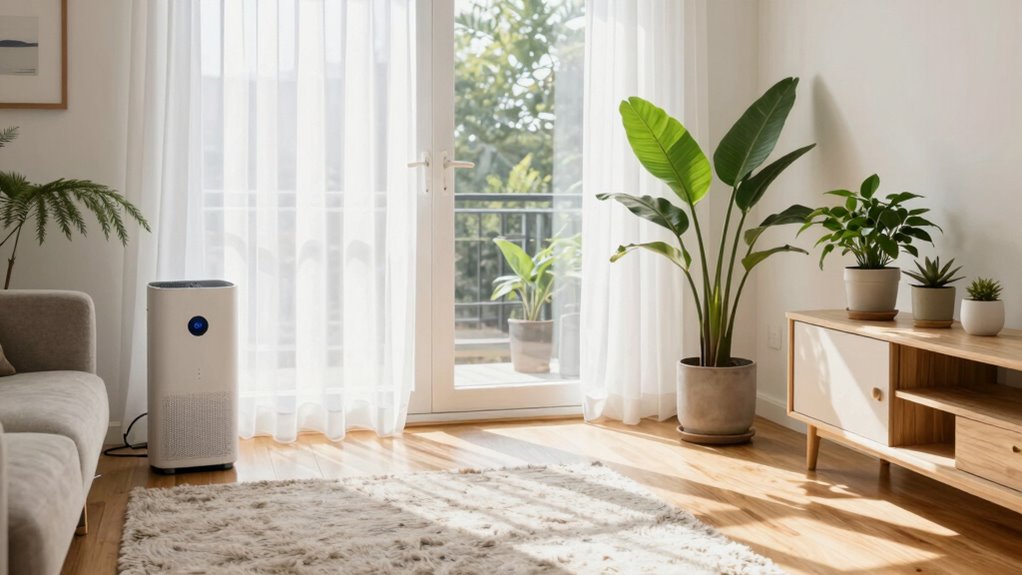
A healthy indoor environment means ensuring your air quality is excellent with proper ventilation, humidity control, and air purification. It involves reducing pollutants, allergens, and chemical exposure by choosing non-toxic products and maintaining good airflow. Keeping moisture in check helps prevent mold, protecting your health silently. Making these mindful adjustments creates a safe, clean space that promotes better breathing and overall wellness. Stay with us to find out how you can achieve an even healthier home environment.

Prime made for students and young adults
- Fast, free delivery for dorm and study essentials
- Prime Video and Amazon Music included
- Member-only deals
Key Takeaways
- Maintaining clean, pollutant-free air through proper ventilation and air purification.
- Controlling humidity levels to prevent mold growth and moisture-related issues.
- Minimizing exposure to chemicals and VOCs from cleaning products, paints, and furniture.
- Adhering to indoor air quality standards and regularly assessing environmental conditions.
- Creating a safe, healthy space by using non-toxic materials and ensuring a clutter-free environment.
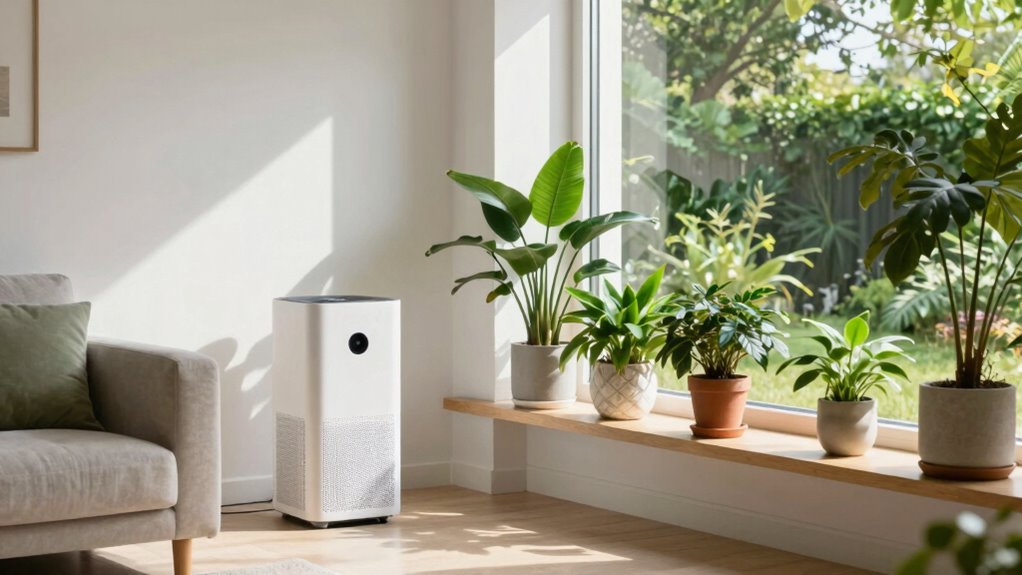
Your indoor environment plays a crucial role in your overall health and well-being, yet it’s often overlooked. The air you breathe daily substantially impacts your energy levels, immune system, and mental clarity. Good air quality isn’t just about avoiding pollution; it’s about creating a space where harmful pollutants, allergens,, and irritants are minimized. One of the most effective ways to achieve this is by focusing on proper ventilation and air purification. Regularly airing out your space, using air purifiers with HEPA filters, and avoiding indoor smoking can make a noticeable difference in air quality. Additionally, controlling humidity levels is essential. Too much moisture encourages mold growth, which can silently compromise your health. Mold prevention should be a priority because mold spores can trigger allergies, asthma, and even more serious respiratory problems over time.
Prioritize proper ventilation and humidity control to improve air quality and prevent harmful mold growth.
To prevent mold from taking hold, you need to keep moisture in check. Fix leaks promptly, ensure bathrooms and kitchens are well-ventilated, and use dehumidifiers if necessary. Pay attention to any signs of water damage or persistent humidity, as these can be breeding grounds for mold. Regular cleaning of damp areas and using mold-resistant paints or materials can further block mold growth. Your goal is to create an environment where mold cannot thrive, therefore safeguarding your respiratory health and maintaining better air quality overall. Incorporating proper moisture control techniques is crucial for long-term mold prevention.
A truly healthy indoor environment involves more than just filtering the air and preventing mold. It’s about maintaining a balanced atmosphere that minimizes exposure to pollutants like volatile organic compounds (VOCs) from cleaning products, paints, or furniture. Choosing natural, non-toxic products and ensuring proper ventilation prevents these chemicals from accumulating indoors. Good air quality combined with mold prevention reduces the risk of allergic reactions, respiratory infections, and chronic conditions. When you’re mindful of these factors, you’re actively protecting yourself and your loved ones from avoidable health risks.
Furthermore, understanding the importance of indoor air quality standards can help guide your efforts in creating a healthier environment. When you’re mindful of these factors, you’re actively protecting yourself and your loved ones from avoidable health risks.
In essence, creating a healthy indoor environment means taking deliberate steps to improve air quality and prevent mold. It’s about making your home a safe, clean sanctuary where breathing is effortless and health is supported. By prioritizing proper ventilation, managing humidity, and choosing non-toxic materials, you set the foundation for a space that promotes vitality and well-being. Your environment influences your health more than you realize—therefore, taking control of these details leads to a healthier, happier life indoors.
Popular right now

Ninja Flip Toaster Oven and Air Fryer, 8-in-1, Stainless Steel, SP151

Dyson Ball Animal Total Clean Upright Vacuum

Roborock Robot Vacuum and Mop with LiDAR Navigation and 10,000 Pa Suction
As an affiliate, we earn on qualifying purchases.
Frequently Asked Questions
How Often Should I Test Indoor Air Quality?
You should perform indoor testing and air quality monitoring at least once a year to guarantee a healthy environment. If you notice symptoms like allergies or respiratory issues, test more frequently. For new homes, renovations, or if there’s mold, consider testing every few months. Regular testing helps catch pollutants early, allowing you to address issues promptly and maintain good indoor air quality for your health and comfort.
What Are Common Indoor Pollutants to Watch Out For?
You should watch out for common indoor pollutants like VOC levels, which can come from paints, cleaning products, and furniture, and mold spores, often found in damp areas. High VOC levels can cause headaches and respiratory issues, while mold spores can trigger allergies and asthma. Regularly ventilate your home, control humidity, and clean to minimize these pollutants, creating a healthier indoor environment for you and your family.
Can Indoor Plants Improve Air Quality?
Think of indoor plants as your home’s silent air filtration system, much like the enchanted forests in fairy tales. Certain plant species, such as snake plants and peace lilies, can improve air quality by absorbing toxins and increasing humidity. By adding these natural air purifiers, you boost indoor air quality effortlessly. Keep in mind, however, that while beneficial, they work best alongside good ventilation and regular cleaning.
How Does Humidity Affect Indoor Health?
Maintaining proper humidity levels is essential for your indoor health because high humidity can promote mold growth, which triggers allergies and respiratory issues. Conversely, low humidity causes dryness, leading to skin irritation and respiratory discomfort. You should aim for humidity levels around 30-50% to reduce mold risk and keep your indoor environment comfortable and healthy. Regularly using a humidifier or dehumidifier helps you control these levels effectively.
Are Air Purifiers Effective for Maintaining a Healthy Environment?
Air purifiers are effective for maintaining a healthy indoor environment, especially when they use advanced air purifier technology designed for allergen removal. These devices help eliminate airborne particles like dust, pet dander, and pollen, reducing allergy symptoms and improving air quality. By choosing a purifier with the right technology, you can breathe easier and create a safer, cleaner space for yourself and your family.
Conclusion
Creating a healthy indoor environment isn’t just about cleanliness; it’s about reducing pollutants and ensuring good air quality. Did you know that indoor air can be up to five times more polluted than outdoor air? By maintaining proper ventilation, controlling humidity, and choosing non-toxic products, you can substantially improve your space. Remember, a healthier indoor environment supports your well-being, boosts productivity, and enhances overall comfort—so take proactive steps today for a safer, cleaner home.