

Reverse osmosis systems can effectively remove bacteria, viruses, heavy metals, pesticides, and many dissolved solids, providing clean, safe water. However, they don’t selectively target harmful substances and often leave beneficial minerals like calcium and magnesium untouched. This mineral removal can affect water’s taste and your health. Additionally, they may cause pH balance issues. If you want to learn how to optimize your water quality, there’s more to discover about balancing filtration and mineral content.

Prime made for students and young adults
- Fast, free delivery for dorm and study essentials
- Prime Video and Amazon Music included
- Member-only deals
Key Takeaways
- Reverse osmosis systems remove bacteria, viruses, heavy metals, pesticides, and dissolved solids from water.
- They do not naturally retain beneficial minerals like calcium and magnesium.
- RO systems do not address pH balance or mineral content, potentially leading to flat-tasting water.
- Additional treatments like remineralization or pH balancing are often needed after RO filtration.
- RO filters are non-discriminatory and remove both harmful contaminants and beneficial minerals.
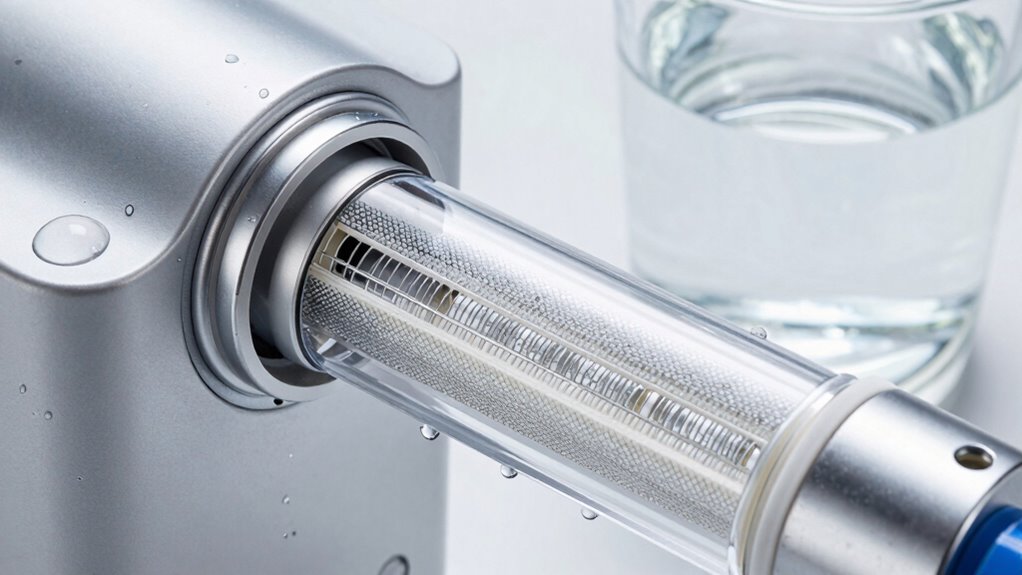
Reverse osmosis (RO) systems are highly effective at filtering out many contaminants from your water, but it’s important to understand what they remove and what they don’t. When you use an RO system, it primarily targets impurities like bacteria, viruses, heavy metals, pesticides, and dissolved solids. These systems push water through a semi-permeable membrane that traps these unwanted substances, resulting in cleaner, safer drinking water. However, while they excel at removing many harmful pollutants, they also strip out minerals that contribute to your water’s natural composition. This process can lead to water that’s low in essential minerals like calcium and magnesium, which are important for your health and water’s mineralization.
Because of this mineral removal, your water’s natural mineral content diminishes, which can affect its taste and potentially impact your overall mineral intake. Some people notice that RO water tastes flat or bland due to the lack of minerals. To counteract this, many opt to remineralize their water after filtration, adding back specific minerals to improve flavor and restore water mineralization. This step can also help balance the water’s pH, which often drops during the filtration process, making the water slightly more acidic. Maintaining proper pH balance is crucial because overly acidic water can wear down plumbing and appliances over time, and it may not be as comfortable or healthy to drink. Additionally, understanding the water’s mineral content can help you make informed decisions about your filtration needs. Proper water quality assessment can guide you in choosing the right filtration and remineralization options for your household.
Furthermore, some water sources naturally contain beneficial minerals that you might want to preserve or enhance, depending on your preferences and health needs. While RO systems are diligent at removing contaminants, they do not discriminate between harmful and beneficial substances. As a result, they don’t naturally address issues related to pH balance or mineral content. As such, it is often necessary to consider additional filtration methods or treatments to tailor the water to your specific needs. If your water source is already low in minerals or has a problematic pH level, an RO system alone might not fully meet your needs. Many users combine their RO setup with additional filters or remineralization stages to ensure the water not only is free from harmful pollutants but also has a healthy mineral content and balanced pH. Incorporating water testing can help you determine what specific adjustments are necessary to optimize your water quality. This approach enhances water quality, making it more palatable and beneficial for your health.
reverse osmosis water filter system
As an affiliate, we earn on qualifying purchases.
As an affiliate, we earn on qualifying purchases.
Frequently Asked Questions
Do Reverse Osmosis Systems Eliminate Beneficial Minerals From Water?
Yes, reverse osmosis systems remove beneficial minerals from water, which can affect its mineral content. This process often results in mineral removal that may influence water taste, making it feel flatter or less mineral-rich. While you get cleaner water, you might want to contemplate mineral supplementation or remineralization filters if you prefer water with more flavor and health benefits from natural minerals.
Can Reverse Osmosis Systems Remove Viruses and Bacteria?
Yes, reverse osmosis systems can remove viruses and bacteria through virus removal and bacteria filtration. They use a fine membrane that blocks these tiny pathogens, making your water safer to drink. While RO systems are effective at reducing bacteria and viruses, it’s crucial to verify your system is properly maintained and complemented with other treatments if necessary. This guarantees your water stays clean and healthy for everyday use.
How Often Should I Replace the Reverse Osmosis Membrane?
You should replace your reverse osmosis membrane every 2 to 3 years to guarantee peak performance. Regular maintenance tips, like checking water pressure and replacing filters, help extend your system’s lifespan. Keep an eye on water flow and quality; if they decline, it might be time for a new membrane. Proper upkeep ensures your system continues to remove contaminants effectively and lasts as long as possible.
Are Reverse Osmosis Systems Effective Against Chemical Contaminants?
To cut to the chase, reverse osmosis systems are quite effective against chemical contaminants thanks to their advanced chemical filtration and contaminant removal capabilities. They target a wide range of chemicals, including pesticides, herbicides, and heavy metals, making your water safer to drink. While they aren’t foolproof against every chemical, they provide a significant line of defense, ensuring you get cleaner, better-tasting water straight from your tap.
Do Reverse Osmosis Units Waste a Lot of Water During Operation?
Reverse osmosis units do waste water during operation, but newer models improve water efficiency by reducing waste. Typically, they produce about 3-4 gallons of waste for every gallon of purified water, though some high-efficiency systems waste less. Keep in mind, while they remove contaminants, mineral retention can be affected—some beneficial minerals are also filtered out, so you might need mineral supplementation if drinking mineral-rich water is important to you.
As an affiliate, we earn on qualifying purchases.
Conclusion
Think of your reverse osmosis system as a vigilant gatekeeper, tirelessly filtering out unwanted guests like heavy metals, chemicals, and bacteria, keeping your water pure and pristine. But remember, it’s not a magic wand—it won’t catch every tiny particle or add minerals back in. Your water’s journey is like a river flowing through a forest, where some impurities are washed away, yet some secrets still hide in the shadows. Stay informed to keep your water as clear as a mountain spring.
As an affiliate, we earn on qualifying purchases.
under sink reverse osmosis system
As an affiliate, we earn on qualifying purchases.
As an affiliate, we earn on qualifying purchases.
Columbus Day / Indigenous Peoples' Day Picks
long weekend sales
As an affiliate, we earn on qualifying purchases.







![Terence Tao: Math 2.0 [Pdf]](https://curiousminds.info/wp-content/uploads/2026/10/terence-tao-math-2-0-pdf-featured-260x140.jpg)