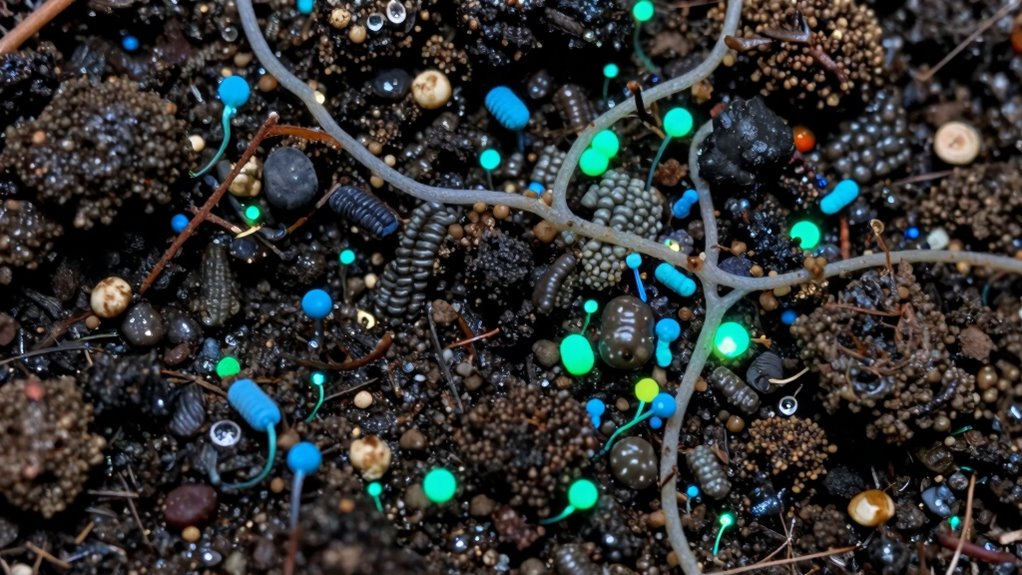

Soil is alive with tiny microbes like bacteria, fungi, and viruses that play a essential role in feeding our planet. These microbes break down organic matter, release nutrients, fix nitrogen, and support plant growth while fighting off harmful pathogens. By maintaining diverse and healthy microbial communities, you boost soil fertility and resilience. To learn how you can nurture these critical organisms and keep your soil thriving, keep exploring this fascinating microbial world.
Key Takeaways
- Soil microbes include bacteria, fungi, protozoa, and viruses that drive nutrient cycling and organic matter decomposition.
- These tiny organisms enhance plant growth by fixing nitrogen and improving nutrient uptake through symbiotic relationships.
- Microbial diversity in soil promotes ecosystem resilience, supporting long-term soil health and fertility.
- Human activities like tillage and chemical use can disrupt microbial communities, harming soil productivity.
- Promoting beneficial microbes through compost, cover crops, and minimal disturbance boosts soil vitality and sustainability.

Real Growers Recharge – 8oz | Mycorrhizae Soil Microbe Inoculant for Living Soil & Coco Coir | Improves Nutrient Uptake & Root Growth
Promotes aggressive root growth by supporting active soil biology.
As an affiliate, we earn on qualifying purchases.
As an affiliate, we earn on qualifying purchases.
What Are Soil Microbes and Why Do They Matter?
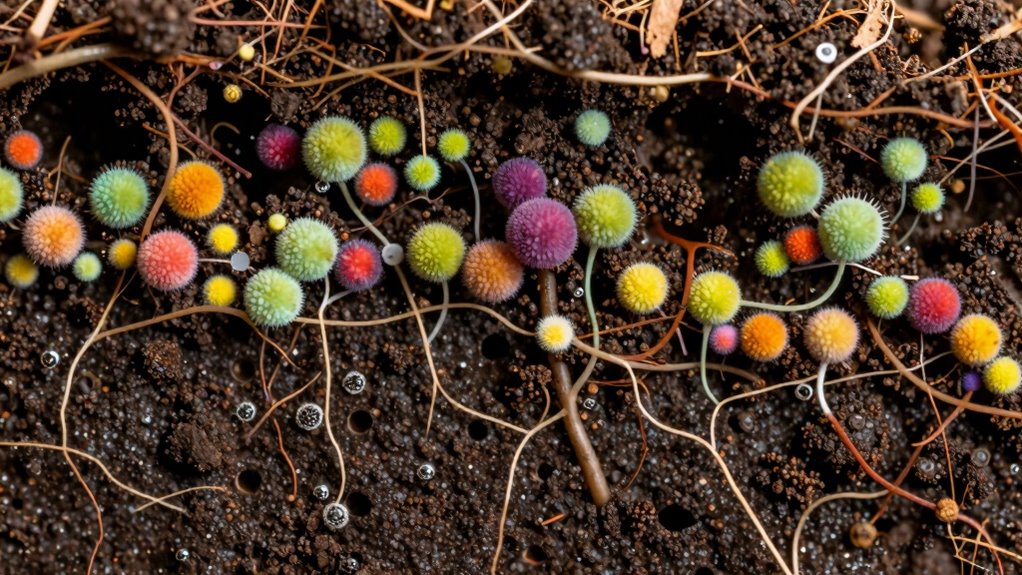
Soil microbes are tiny organisms that live in the soil, including bacteria, fungi, protozoa, and viruses. These microbes are indispensable players in soil ecology, shaping the health and productivity of your soil. They engage in complex microbial interactions, forming networks that break down organic matter, release nutrients, and suppress harmful pathogens. Without these microscopic workers, plants wouldn’t access crucial nutrients, and soil structure would decline. Their activities help maintain a balanced ecosystem beneath your feet, supporting plant growth and ensuring soil remains fertile over time. Additionally, soil microbes contribute to nutrient cycling by transforming elements into forms accessible to plants. They also play a key role in soil organic matter decomposition, which is vital for maintaining soil fertility. Fostering diverse microbial communities not only benefits individual plants but also supports the overall soil health of an ecosystem. Understanding the importance of soil microbes highlights how these tiny organisms have a big impact on agriculture, gardening, and the environment as a whole. Promoting healthy microbial diversity in soil is essential for sustainable land management and crop production.

Teaming with Microbes: The Organic Gardener's Guide to the Soil Food Web, Revised Edition
Sold on amazon
As an affiliate, we earn on qualifying purchases.
As an affiliate, we earn on qualifying purchases.
How Do Soil Microbes Help Plants Grow and Improve Soil Fertility?
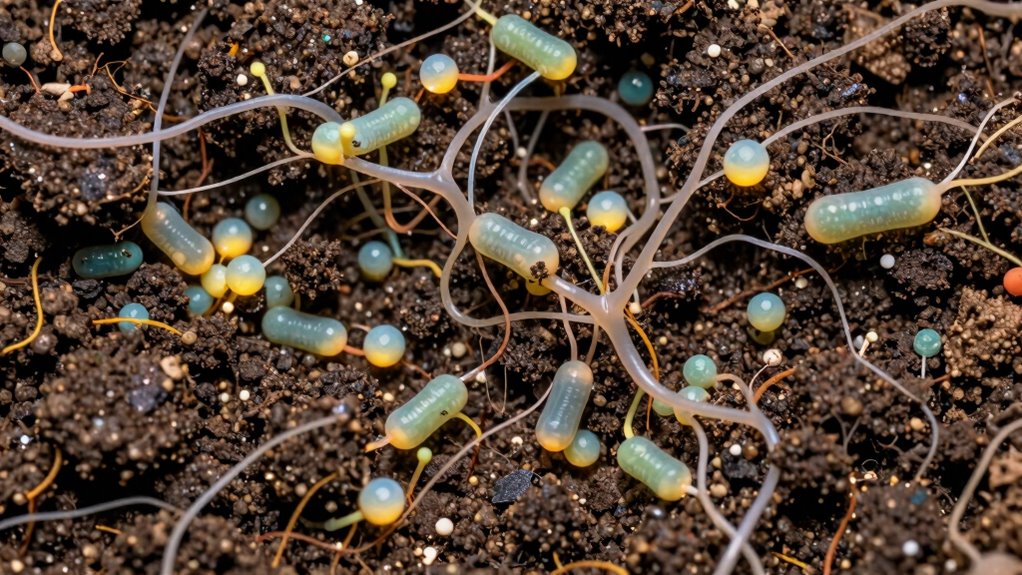
Because soil microbes are active participants in nutrient cycling, they directly support plant growth and enhance soil fertility. They break down organic matter, releasing crucial nutrients your plants need. Through plant microbe symbiosis, microbes form mutually beneficial relationships with plant roots, improving nutrient uptake and disease resistance. These interactions boost soil health and productivity. Key ways microbes aid plant growth include:
- Fixing atmospheric nitrogen into forms plants can absorb
- Decomposing organic material to release essential nutrients
- Suppressing soil-borne pathogens through competitive exclusion
- The contrast ratio of the soil environment influences microbial diversity and activity.

SCD BioAg – Organic Farm and Garden Soil Microbes, Compost Starter with 12 Probiotic Strains, Live Super Concentrate of Liquid Microorganisms, Chemical-Free Soil Amendment, by SCD Probiotics (1 Liter)
SCD BIOAG: This bottle, teeming with beneficial microbes, is like probiotics for your plants. Balancing your garden’s biodiversity,…
As an affiliate, we earn on qualifying purchases.
As an affiliate, we earn on qualifying purchases.
Why Is Microbial Diversity Essential for Healthy, Sustainable Soil?
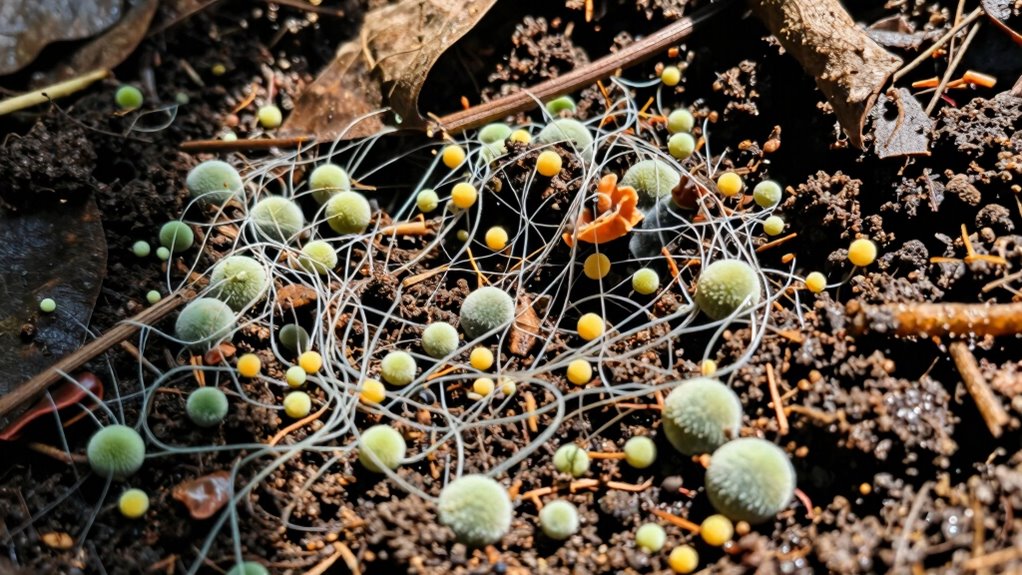
Maintaining a diverse community of soil microbes is indispensable for sustaining healthy and resilient soil ecosystems. When you support soil biodiversity, you enhance microbial resilience, allowing the soil to recover from stresses like drought, pests, or disease. A rich variety of microbes ensures that different functions—such as nutrient cycling, organic matter decomposition, and disease suppression—are effectively carried out. This diversity acts as a biological insurance, making the soil more adaptable and less vulnerable to imbalances. Without a broad microbial community, soil health deteriorates, reducing fertility and increasing vulnerability to erosion. Additionally, understanding the importance of microbial diversity can help guide sustainable land management practices. Promoting Free Floating microbes can further bolster the soil’s natural defenses and enhance overall ecosystem health. Recognizing the role of microbial resilience can help farmers and gardeners develop strategies to maintain soil vitality during environmental stresses. Supporting a diverse microbial community not only improves soil functions but also promotes long-term sustainability. Moreover, fostering microbial interactions can improve the efficiency of nutrient uptake by plants and contribute to a more robust soil ecosystem. Ultimately, diverse soil microbes create a balanced environment that promotes plant growth, supports sustainable agriculture, and preserves the long-term vitality of your soil.
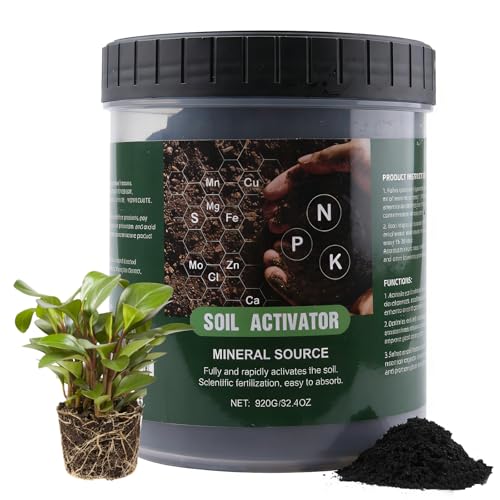
Soil Activator for Plants(32.4 oz / 920g), Organic Soil Activators and Plant Fertilizers for Garden Beds, Potting Mix, Seedling Compost, Root Growth Booster
✅ Revitalize Soil with Natural Power – This 920g organic soil conditioner enhances microbial activity and boosts nutrient…
As an affiliate, we earn on qualifying purchases.
As an affiliate, we earn on qualifying purchases.
How Do Human Activities Affect Soil Microbes, and What Can We Do About It?

Human activities markedly impact soil microbes, often disrupting their delicate balance and reducing biodiversity. Practices like excessive tillage, pesticide use, and monoculture farming harm microbial communities, making it harder for them to thrive. These human activity impacts can lead to soil degradation and decreased fertility. To support microbial conservation, consider:
- Reducing pesticide and chemical use
- Practicing crop rotation and cover cropping
- Minimizing soil disturbance through minimal tillage
How Can You Promote Beneficial Soil Microbes in Your Garden or Farm?
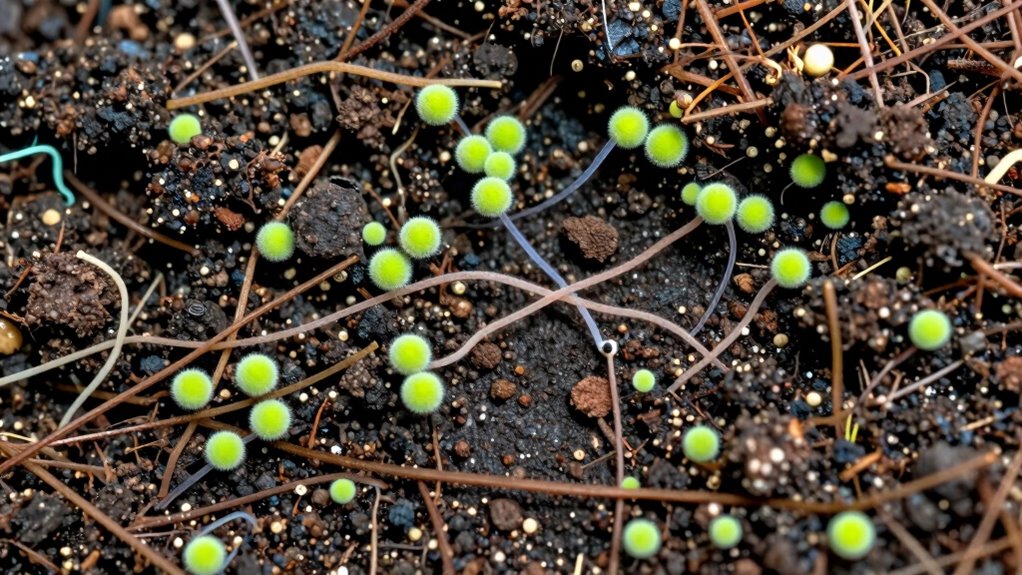
To promote beneficial soil microbes in your garden or farm, start by enriching the soil with organic matter like compost or mulch. These materials provide nutrients and habitats that encourage microbial growth. Using compost teas is another effective strategy; they introduce live microbes directly into your soil, boosting microbial diversity and activity. Additionally, implementing cover cropping helps protect the soil surface, prevent erosion, and supply organic residues that feed microbes. Cover crops like clover or vetch fix nitrogen and promote a healthy microbial community. Incorporating soil microbiome understanding into your practices can help you optimize conditions for beneficial microbes. By combining organic amendments, compost teas, and cover cropping, you create an ideal environment for beneficial microbes to thrive, ultimately improving soil health, plant growth, and resilience against pests and diseases. Introducing microbial diversity through these methods can significantly enhance soil vitality and plant productivity. Furthermore, understanding the vital role of microbes in nutrient cycling can guide more sustainable and effective soil management strategies. Enhancing soil biological activity through these practices supports a resilient and productive ecosystem. Engaging in practices that support microbial populations also fosters a balanced and thriving soil ecosystem, which is crucial for long-term soil fertility.
Frequently Asked Questions
How Do Soil Microbes Communicate With Each Other?
You might wonder how soil microbes communicate, and it’s fascinating. They use microbial signaling, releasing chemical signals that travel through the soil to alert others. These signals help microbes coordinate actions like nutrient exchange or defense. They form microbial networks, creating complex communication systems that guarantee the health of the soil ecosystem. This microbial signaling keeps the soil alive, supporting plant growth and maintaining the balance beneath your feet.
Can Soil Microbes Help Remediate Polluted or Contaminated Soils?
Yes, soil microbes can help remediate polluted or contaminated soils through bioremediation techniques. You can promote microbial detoxification by introducing specific microbes or enhancing natural populations to break down pollutants. These microbes metabolize toxic compounds into harmless substances, speeding up cleanup processes. By supporting microbial activity, you assist in restoring soil health and reducing environmental hazards, making bioremediation an effective and eco-friendly solution.
What Are the Signs of Healthy Versus Unhealthy Soil Microbes?
Think of your soil as a bustling city: healthy microbes are like vibrant neighborhoods, full of microbial diversity and active plant microbe interactions, fostering growth and resilience. Signs of healthy soil microbes include rich, crumbly texture, abundant plant roots, and thriving plant life. Unhealthy microbes cause dull, compacted soil, poor plant health, and low microbial diversity. You can boost microbial health by reducing chemicals and adding organic matter, encouraging this lively ecosystem to flourish.
Are There Specific Microbes That Can Protect Plants From Pests?
Yes, beneficial bacteria and microbial antagonists can protect your plants from pests. These microbes compete with harmful pathogens and pests for resources, effectively suppressing their growth. By fostering a healthy microbial community in your soil through organic practices and compost, you encourage beneficial bacteria to thrive. This natural defense mechanism reduces pest issues, promoting stronger, healthier plants without relying on chemical pesticides.
How Does Climate Change Impact Soil Microbial Communities?
Ever wonder how climate effects change your soil’s health? You might not realize it, but rising temperatures and altered rainfall patterns can reduce microbial diversity, disrupting the essential communities that nourish plants. These shifts can weaken soil resilience and productivity. By understanding how climate change impacts microbial diversity, you can help support sustainable farming practices and protect our planet’s future. Isn’t it time we safeguard these tiny but mighty workers?
Conclusion
Remember, beneath your feet lies a bustling world of tiny heroes, quietly transforming soil into a vibrant, living tapestry. By nurturing these microbes—avoiding harsh chemicals and enriching the earth—you invite life to flourish again. Imagine your garden as a lush, thriving jungle, teeming with unseen but mighty allies. When you care for these microscopic workers, you cultivate a healthier planet, one breath of rich, fertile soil at a time.