
A good home EV charger seamlessly fits your electrical system, ensuring compatibility and avoiding overloads. It offers smart features like scheduling and remote monitoring to make charging easier and more efficient. Durability and weather resistance are key for outdoor use, keeping it reliable in various conditions. A sleek, space-efficient design adds to your home’s aesthetics. If you want to discover how to choose the perfect charger for your lifestyle, keep exploring the essentials.

Get school and study supplies delivered free — and shop member deals
- Fast, free delivery on millions of items
- Access to Prime Big Deal Days deals on October 6–7
- Prime Video, Amazon Music and more included
Key Takeaways
- Compatibility with the home’s electrical system and future technological upgrades.
- Cost-effective installation with potential government incentives and rebates.
- User-friendly features, smart connectivity, and remote monitoring capabilities.
- Weather resistance and durability for outdoor use in various environmental conditions.
- Balances environmental benefits, energy efficiency, and seamless integration with solar systems.
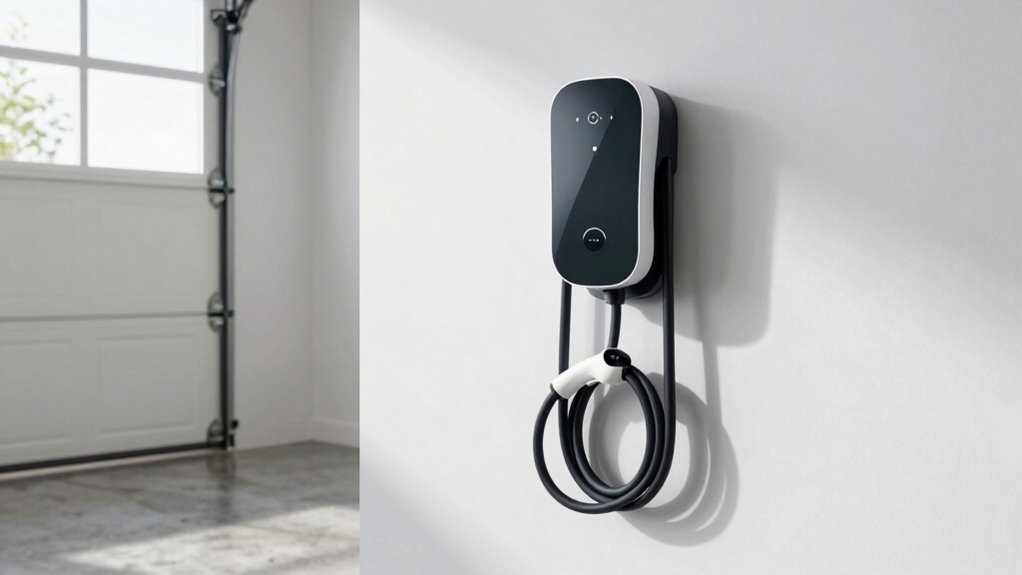
As electric vehicles become more popular, installing an EV charger at home offers a convenient and cost-effective way to keep your car ready to go. When considering what makes an EV charger a good fit for your home, a few key factors stand out. First, compatibility with your home’s energy system is essential. Solar compatibility is increasingly important, especially if you have or plan to install solar panels. An EV charger that works seamlessly with solar power allows you to maximize renewable energy use, reduce your reliance on the grid, and save money on charging costs in the long run. This integration can make your charging routine more sustainable and less expensive, which is a big plus for environmentally conscious homeowners. Additionally, understanding the electrical infrastructure of your home can help you select a charger that minimizes installation hurdles and expenses. Considering the home electrical capacity can prevent potential issues with overloads and ensure safety during operation. It’s also worth noting that some chargers are designed to be future-proof, accommodating advances in charging technology or increased energy demands over time.
Another critical aspect is installation costs. The upfront expenses can vary widely depending on the type of charger you choose and the complexity of the installation process. Level 2 chargers, which provide faster charging, typically involve higher initial costs but are more convenient for everyday use. If you’re concerned about installation costs, look for options that are compatible with your existing electrical system and require minimal upgrades. Some chargers are designed specifically for easier installation, which can markedly reduce labor and material expenses. Furthermore, government incentives can also significantly influence the overall affordability of your EV charging setup, making certain options more accessible. Additionally, certain models may qualify for rebates or incentives, helping offset the initial investment.
Installation costs vary; choose chargers compatible with your electrical system to reduce expenses and qualify for rebates.
Ease of use also plays a crucial role in selecting a home EV charger. You want something straightforward to operate, with features like smart connectivity, so you can schedule charging times or monitor energy use remotely. This functionality is especially beneficial if you’re trying to optimize solar energy consumption or manage your electricity costs. A user-friendly interface ensures that charging your vehicle becomes a hassle-free part of your routine, not a chore. It’s beneficial to choose a charger with intuitive controls that make these features accessible to all users.
Durability and weather resistance are equally important, especially if you plan to install your charger outdoors. A good home EV charger should be built to withstand various weather conditions, ensuring consistent performance over time. Additionally, consider the charger’s size and design—compact and sleek models tend to blend better with home aesthetics and require less space.
Ultimately, a good fit for your home balances compatibility with your energy system—especially solar—cost-effectiveness, ease of use, and durability. When you select an EV charger that aligns with these factors, you’ll find charging your vehicle becomes simple, affordable, and environmentally friendly. This investment not only supports your daily mobility needs but also contributes to a greener lifestyle.
Level 2 home EV charger with smart features
As an affiliate, we earn on qualifying purchases.
As an affiliate, we earn on qualifying purchases.
Frequently Asked Questions
How Long Does It Take to Install a Home EV Charger?
Installing a home EV charger typically takes a few hours to a day, depending on factors like charger placement and electrical compatibility. You’ll need to decide the best spot for easy access and guarantee your home’s electrical system can support the charger. An electrician will handle the installation, checking wiring and breaker capacity. Proper planning and professional help can streamline the process, so you’re ready to charge your EV quickly and safely.
Are There Government Incentives for Installing a Home EV Charger?
Yes, you can benefit from government rebates when installing a home EV charger. These incentives often help offset installation costs, making the process more affordable. By taking advantage of these programs, you reduce expenses while supporting sustainable transportation. Keep in mind that rebate availability varies by location and eligibility, so it’s wise to research local policies. This way, you maximize your money management and minimize your maintenance costs.
Can I Install an EV Charger Myself or Need Professional Help?
You can attempt a DIY installation of an EV charger if you have electrical experience, but safety considerations are vital. If you’re not confident with electrical work, it’s best to hire a professional to make certain the job is done safely and correctly. Proper wiring, grounding, and adherence to local codes are necessary to avoid hazards. Always prioritize safety and consult a licensed electrician when in doubt to prevent potential risks.
What Maintenance Is Required for a Home EV Charger?
You’ll need to perform regular maintenance to keep your home EV charger in top shape. Check the charger’s durability by inspecting for signs of wear or damage, and guarantee connections remain secure. Maintenance frequency depends on usage, but generally, you should clean the charger and inspect for issues every few months. Keeping it in good condition ensures safe, efficient charging and prolongs its lifespan, saving you money in the long run.
Will My Home Electrical System Need Upgrades for an EV Charger?
No, your home electrical system probably doesn’t need an overhaul—unless your electrical panel is already maxed out. Most EV chargers require a dedicated circuit, and if your circuit capacity is limited, you might need an upgrade. Ironically, the most surprising part is realizing that your existing electrical panel might be perfectly fine, but if it’s not, a simple upgrade can make all the difference for charging your EV comfortably at home.
weather-resistant outdoor EV charger
As an affiliate, we earn on qualifying purchases.
As an affiliate, we earn on qualifying purchases.
Conclusion
Choosing the right EV charger for your home guarantees convenience and efficiency. Did you know that charging your EV overnight with a home charger can save you up to $300 annually compared to public charging? By selecting a charger that fits your vehicle and lifestyle, you’ll enjoy faster, safer, and more cost-effective charging. Make an informed choice today, and turn your garage into a smart, energy-saving hub that keeps your EV ready whenever you are.
solar compatible EV charging station
As an affiliate, we earn on qualifying purchases.
As an affiliate, we earn on qualifying purchases.
EV charger with remote monitoring
As an affiliate, we earn on qualifying purchases.
As an affiliate, we earn on qualifying purchases.
Fall Picks
fall essentials
As an affiliate, we earn on qualifying purchases.