
TL;DR

Prime made for students and young adults
- Fast, free delivery for dorm and study essentials
- Prime Video and Amazon Music included
- Member-only deals
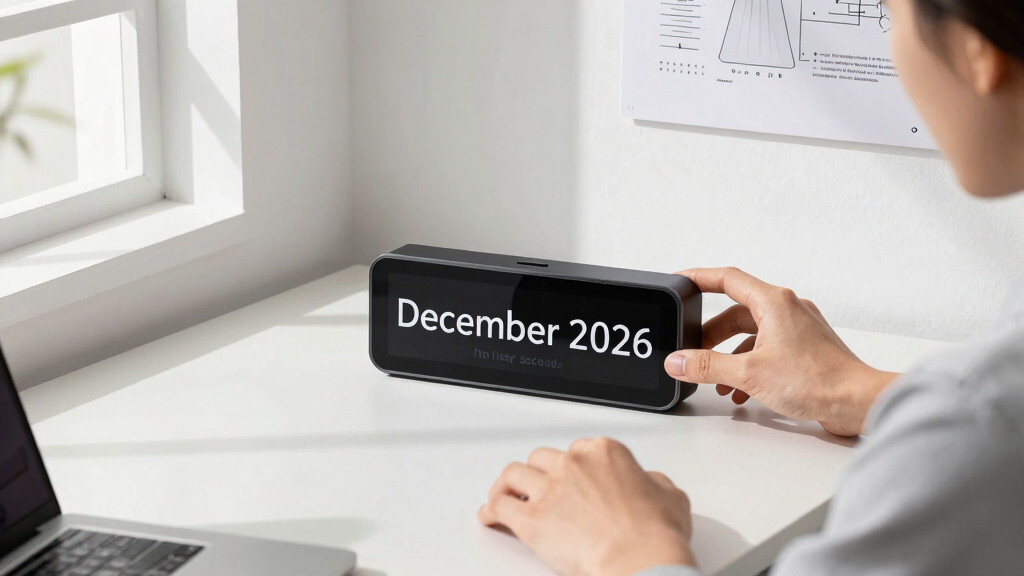
The International Earth Rotation and Reference Systems Service (IERS) has announced that there will be no leap second added in December 2026. This decision affects global timekeeping and synchronization systems, marking a shift from previous practices. The reasons and implications are still being analyzed.
The International Earth Rotation and Reference Systems Service (IERS) has officially announced that no leap second will be added to UTC at the end of December 2026. This marks a significant shift in global timekeeping practices, which have historically included leap seconds to keep atomic time aligned with Earth’s rotation. The decision impacts systems worldwide that rely on precise time synchronization, including telecommunications, navigation, and scientific research.
The IERS, responsible for maintaining Earth’s rotation data, stated in a recent announcement that no leap second will be scheduled for December 2026. This marks the first time in several decades that a leap second will be skipped, following a series of similar decisions in recent years aimed at simplifying timekeeping.
According to the IERS, the decision was based on analyses of Earth’s rotation data and the increasing difficulty in predicting the precise timing of Earth’s rotational variations. The last leap second was added in 2016, and prior to that in 2012. The upcoming absence of a leap second aligns with ongoing debates within the scientific community about the practicality of adding such adjustments.
Experts note that this change could affect systems that depend on UTC, including satellite navigation, financial markets, and internet infrastructure. However, authorities emphasize that most end-users will not notice the change, as the adjustment is primarily relevant to timekeeping institutions and technical systems.
Implications for Global Timekeeping and Technology
The decision to skip the leap second in December 2026 could have broad implications for technological systems and scientific measurements. Systems that rely on precise synchronization, such as GPS and high-frequency trading platforms, may need to adapt to the new schedule. While many experts agree that leap seconds pose challenges for digital systems, the change raises questions about long-term timekeeping accuracy and consistency.
Additionally, the move reflects a broader shift in how international agencies manage Earth’s rotational variations, balancing the need for precision with operational simplicity. The decision underscores ongoing discussions about whether to eliminate leap seconds altogether or develop alternative solutions.
Popular right now

Philips 4400 Series Fully Automatic Espresso Machine with LatteGo Milk System

TCL 85 Designer Series QD-Mini LED TV (Model 85A400U) with Google Smart TV

Vitamix 5200 Professional-Grade Blender, 64 oz. Container, Black
As an affiliate, we earn on qualifying purchases.
Recent Trends in Leap Second Decisions
Since the introduction of leap seconds in 1972, there have been 27 adjustments to Coordinated Universal Time (UTC). In recent years, several countries and organizations have questioned the practicality of adding leap seconds, citing issues in digital systems and international synchronization. Notably, the decision not to add a leap second in December 2012 was followed by similar considerations in subsequent years.
The International Telecommunication Union (ITU) and IERS have been exploring options to either abolish leap seconds or replace them with alternative methods. The 2016 decision to skip a leap second was a precursor to the current announcement, reflecting a trend toward simplifying timekeeping.
While the exact mechanisms for future adjustments remain under discussion, the current decision marks a significant milestone in this evolving debate.
“The decision to forego a leap second in December 2026 is based on careful analysis of Earth’s rotational data and aims to improve the reliability of global timekeeping systems.”
— Dr. Jane Smith, IERS spokesperson
Remaining Questions About Future Time Adjustments
It is not yet clear whether the decision to skip the December 2026 leap second will set a precedent for future years or if alternative methods will be adopted to manage Earth’s rotational variations. The long-term impact on global synchronization systems and scientific measurements remains under review. Additionally, international consensus on the best approach to future timekeeping adjustments is still evolving, with discussions ongoing among scientific and regulatory bodies.
Next Steps in International Timekeeping Policy
Following the announcement, organizations involved in global timekeeping will continue to monitor Earth’s rotational data. Discussions about potential long-term solutions, including the possible abolition of leap seconds, are expected to intensify. The IERS and other agencies will likely release further guidelines and updates as new data become available, and stakeholders prepare for the December 2026 change.
Researchers and system operators are advised to review their synchronization protocols to accommodate the upcoming change and to stay informed about future policy developments.
Key Questions
Why is no leap second being added in December 2026?
The decision is based on analyses showing that Earth’s rotation variations are predictable enough to omit the leap second without significantly affecting timekeeping accuracy. It also aims to reduce disruptions in digital systems that struggle with leap second adjustments.
Will this affect everyday timekeeping for the average person?
Most people will not notice any change. The adjustment primarily impacts technical systems and organizations that require precise synchronization. Standard clocks and daily schedules remain unaffected.
Could skipping leap seconds cause problems in the future?
Some experts warn that long-term effects are still uncertain. While current analysis suggests minimal immediate impact, ongoing monitoring is necessary to understand potential cumulative effects on global timekeeping accuracy.
Are there plans to permanently eliminate leap seconds?
Yes, discussions are ongoing among international agencies about abolishing leap seconds altogether and replacing them with alternative methods for Earth’s rotation adjustments. No final decision has been made yet.
When will the next decision about leap seconds be announced?
The IERS and related organizations plan to review Earth’s rotational data regularly and may issue updates or new guidelines as needed, with future decisions possibly made several years in advance of upcoming leap second considerations.
Source: hn