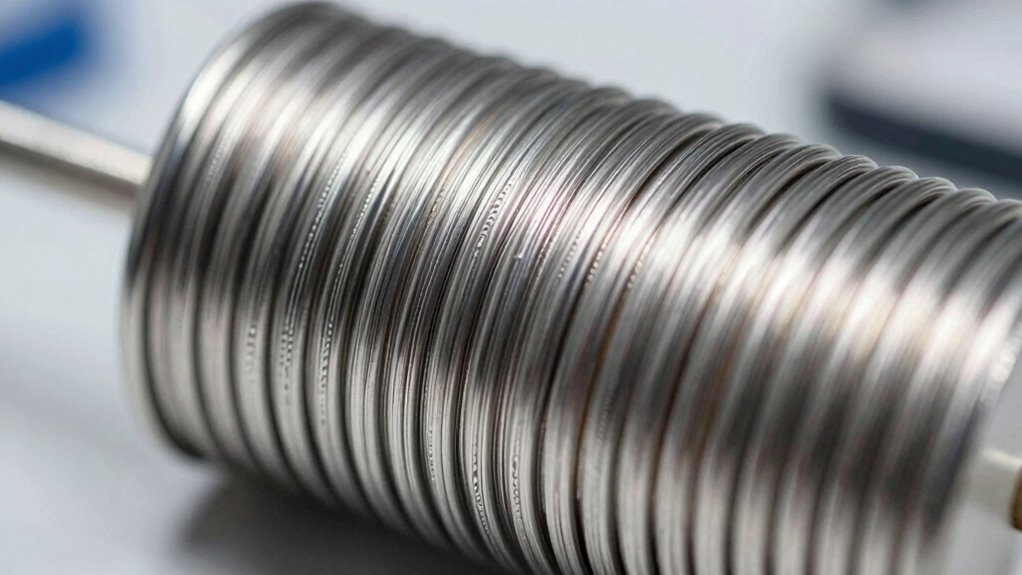

Shape-memory alloys are metals that “remember” their original shape thanks to atomic phase changes triggered by temperature or stress. When deformed, their crystal structure shifts from austenite to martensite, allowing the metal to bend or stretch. Once heated or stress is removed, the atomic structures revert, restoring their original shape. These remarkable properties depend on specific alloy compositions and processing methods—exploring these details reveals how they work and where they’re used.
Key Takeaways
- Shape-memory alloys can revert to their original shape after deformation when triggered by temperature changes.
- Their unique ability stems from atomic phase transformations between austenite and martensite crystal structures.
- Deformation occurs in the martensitic phase, and heating transforms the alloy back to austenite, restoring the shape.
- The shape-memory effect relies on precise atomic arrangements and crystal lattice changes at the microscopic level.
- Common shape-memory metals include nickel-titanium, copper-based, and other specialized alloys used in medical and industrial applications.
Top picks for "shape metal remember"
Open Amazon search results for this keyword.
As an affiliate, we earn on qualifying purchases.
What Are Shape-Memory Alloys and How Do They Work?
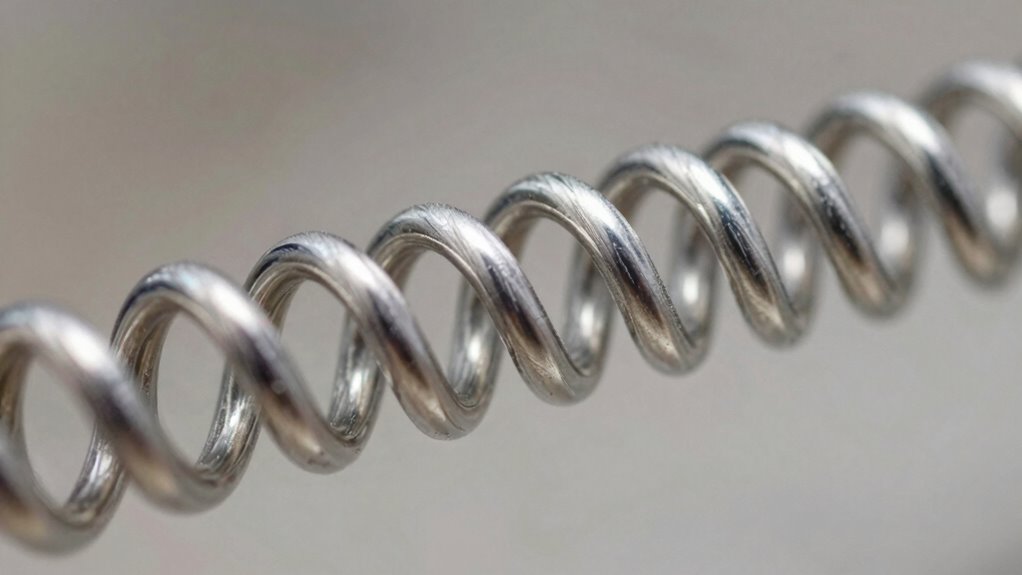
Shape-memory alloys are unique materials that can return to their original shape after being deformed. As smart materials, they respond to external stimuli like temperature changes, making them highly valuable in various applications. You might think of alloy design as the key to their remarkable abilities—it involves selecting specific metal combinations to achieve desired properties. When deformed, these alloys undergo internal structural changes, which enable them to “remember” their original shape. Once the stimulus, such as heat, is applied, the alloy reverts to its pre-deformed form. This process relies on the strategic design of the alloy’s composition, ensuring it responds predictably and reliably. Because of this, shape-memory alloys are increasingly used in fields like aerospace, medicine, and robotics.
How Do Phase Transformations Enable Shape-Memory Effects?
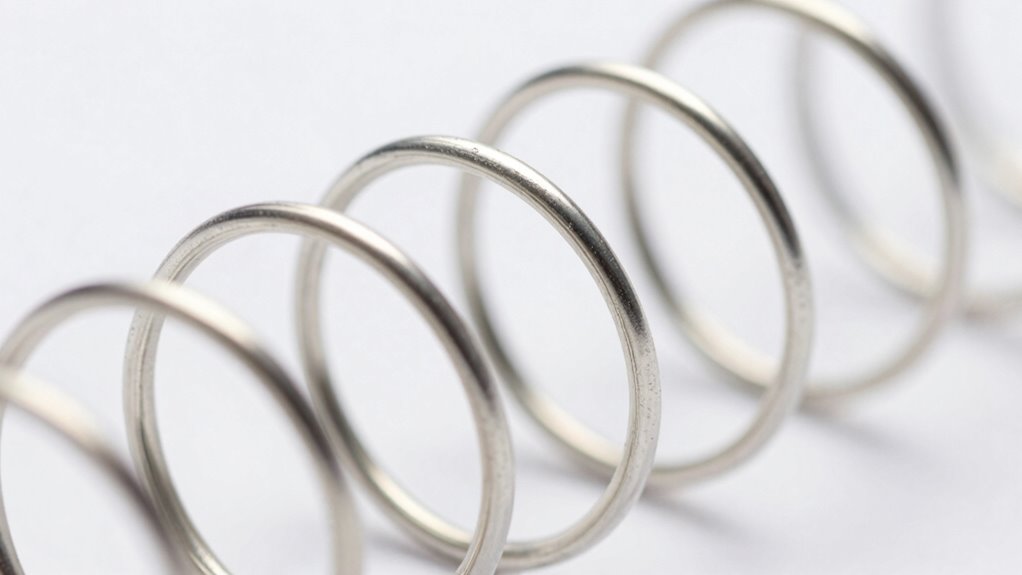
Have you ever wondered what happens at the atomic level to allow these alloys to “remember” their shape? It all comes down to phase transformation, where the crystal structure changes in response to temperature or stress. This transformation enables the shape-memory effect by switching between two different crystal structures: austenite and martensite. When you deform the alloy at a lower temperature, it’s in the martensitic phase with a different crystal structure, allowing it to bend easily. Once heated, it transforms back to the austenitic phase, restoring its original shape. The phase transformation mechanism is crucial for designing smart materials with shape-memory properties. Additionally, understanding the atomic-level changes helps engineers develop new alloys with improved performance and durability. Advances in material science continue to expand the potential applications of shape-memory alloys across various industries.
What Atomic and Crystal Structures Make Shape Memory Possible?
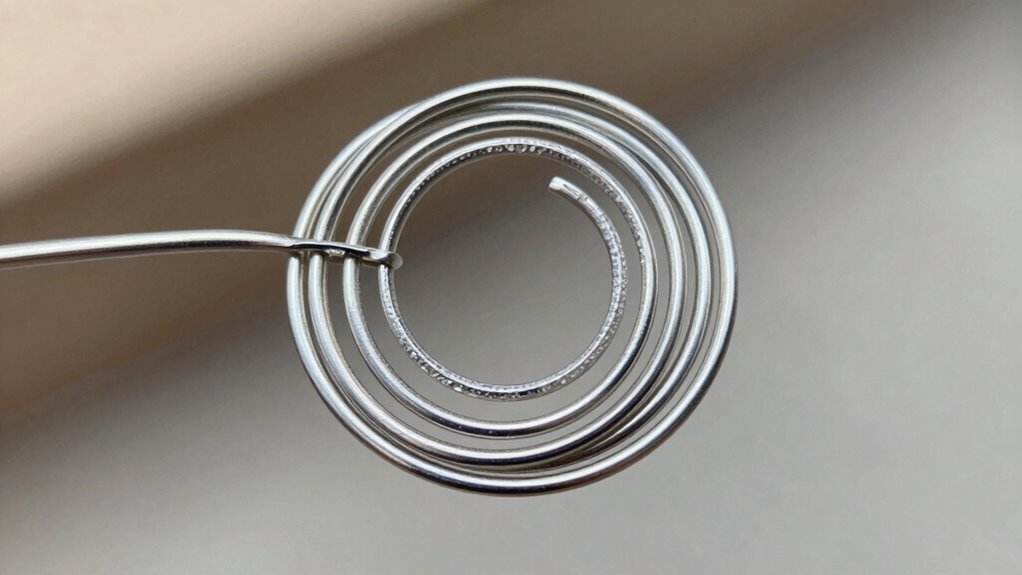
The ability of shape-memory alloys to “remember” their original form relies on their unique atomic arrangements and crystal structures. These materials have a specific lattice configuration that can change shape but return to their original form when heated or stressed. Atomic bonding within the crystal lattice is essential, as it holds atoms in a regular pattern that can shift during phase transformations. Lattice defects, such as vacancies or dislocations, also play a significant role by enabling the atoms to move more easily during these transformations. When the crystal structure shifts from one phase to another, these atomic bonds and defects facilitate the reversible changes necessary for the shape-memory effect. This process is influenced by the phase transformation mechanisms that underpin the material’s ability to revert to its original shape. Without this precise atomic and crystalline setup, the alloy wouldn’t have the ability to “remember” its original shape after deformation. Understanding atomic bonds is crucial for designing new shape-memory materials with enhanced properties.
What Types of Shape-Memory Alloys Are There and How Are They Different?
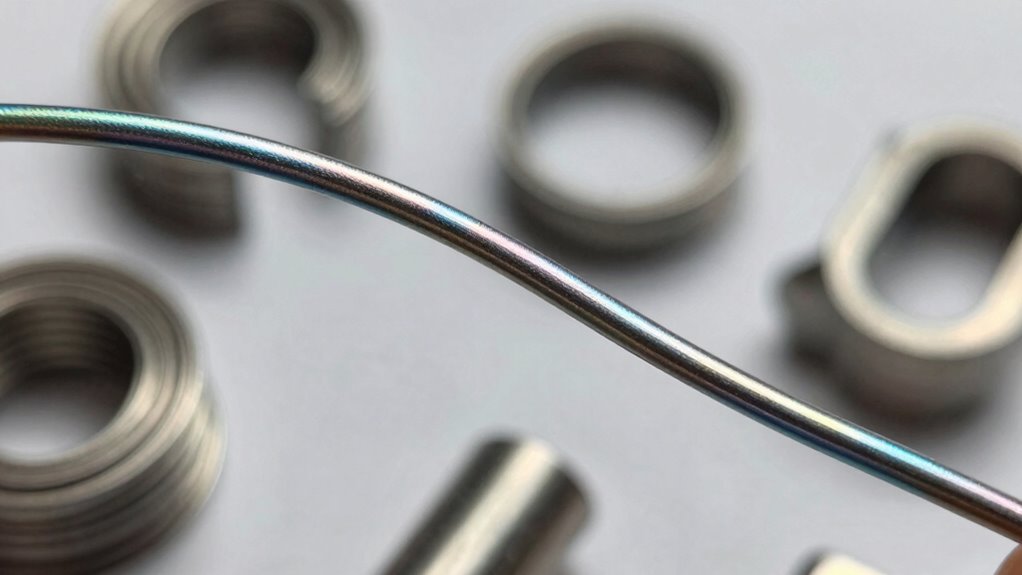
You’ll find that shape-memory alloys vary based on their composition, which affects their properties and applications. Different alloy types exhibit distinct shape-memory effects, like one-way or two-way memory, depending on how they respond to temperature changes. Understanding these variations helps you choose the right alloy for your specific needs.
Alloy Composition Variations
Shape-memory alloys come in various types, primarily distinguished by their compositions and resulting properties. Different alloy compositions influence phase stability, which determines how the alloy behaves under temperature changes. Here’s what you need to know:
- Nickel-Titanium (Nitinol): Most common, offering excellent phase stability and durability.
- Copper-Based Alloys: Cheaper alternatives with faster response times but less temperature stability.
- Iron-Manganese-Aluminum: Lightweight with good phase stability, suitable for specific applications.
- Gold and Silver Alloys: Rare and costly, with unique phase behaviors for specialized uses.
Your choice depends on the desired balance of alloy composition, phase stability, cost, and performance. These variations allow tailoring properties for specific applications, including Free Floating backyard features and poolside setups.
Shape-Memory Effect Types
| Type | Behavior | Typical Use |
|---|---|---|
| One-Way | Memory effect only upon heating | Medical devices, actuators |
| Two-Way | Repeats shape change with temperature | Robotics, aerospace components |
| Shape-Memory Ceramics | Limited ductility, high temp | Specialized environments |
Understanding these types helps you choose the right smart alloy for your specific application, leveraging their unique memory effects and properties.
How Are Shape-Memory Alloys Manufactured and Processed?
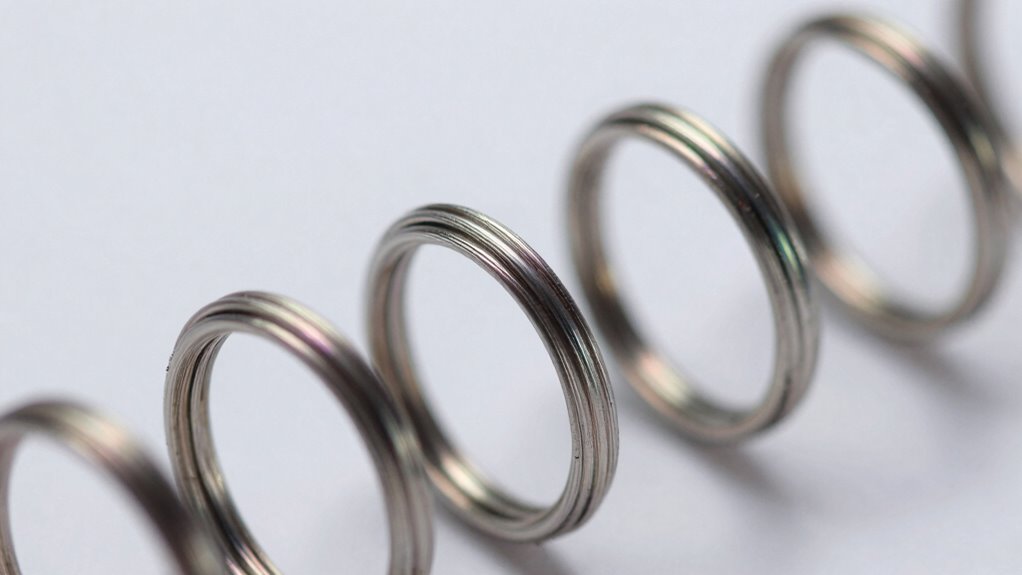
Have you ever wondered how shape-memory alloys are produced? The manufacturing techniques and processing methods involve precise control to achieve their unique properties. First, you start with the melting process, where raw materials like nickel and titanium are fused. Second, casting shapes the alloy into ingots or billets. Third, hot or cold working processes, such as rolling or forging, refine the structure and improve shape-memory characteristics. Fourth, heat treatment is vital; it sets the alloy’s microstructure and stabilizes its shape-memory behavior. These steps guarantee the alloy’s ability to remember its shape. Additionally, understanding the manufacturing processes involved helps in optimizing the alloy’s performance and durability. By carefully managing each phase, manufacturers create high-quality shape-memory alloys suited for various applications, from medical devices to aerospace components. Proper material processing ensures the alloy’s properties are consistently reliable and tailored for specific uses. Moreover, controlling the microstructure during production is essential for achieving desired shape-memory effects. Advances in manufacturing techniques continue to enhance the functionality and application scope of these remarkable alloys. For example, innovations in processing methods can lead to improved performance stability and longer lifespan of the final products.
How Are Shape-Memory Alloys Used in Medicine and Industry?
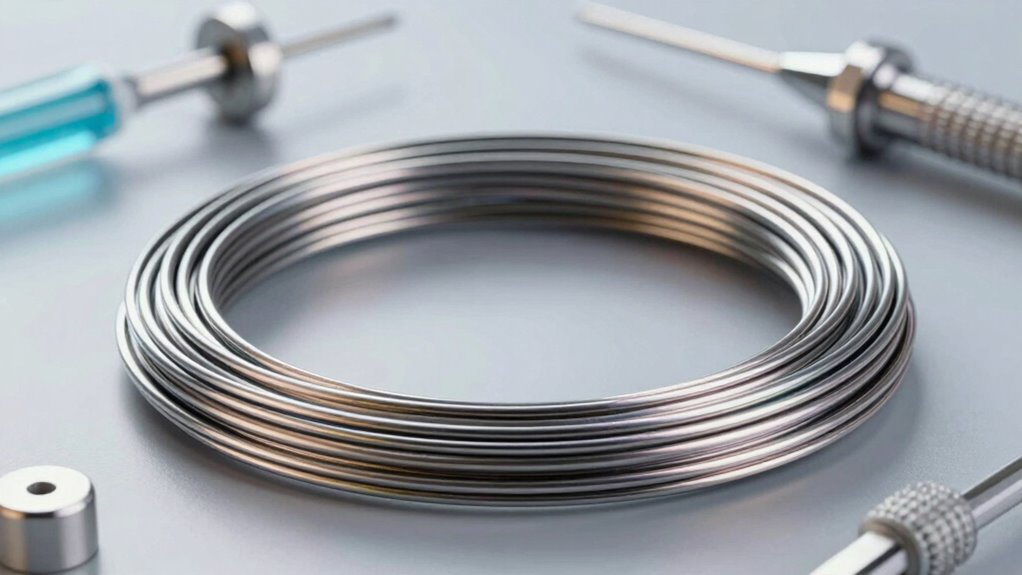
Shape-memory alloys play a vital role in medicine by creating devices like stents and surgical tools that adapt to your body’s needs. In industry, they enable efficient shape recovery in applications such as actuators and fasteners. Understanding these uses highlights their versatility and impact across fields. They are also known for their unique ability to return to a predefined shape after deformation, which is essential in many technical applications. These materials are valued for their superelasticity and biocompatibility, making them especially useful in medical implants and minimally invasive procedures. Their reversible shape change property is driven by a phase transformation at the atomic level, which is a key aspect of their functionality. This phase transformation, which involves a change between different crystal structures, allows for reliable and repeatable shape recovery, essential for many applications. Additionally, their phase transformation mechanism is sensitive to temperature and stress, enabling precise control over their shape-changing behavior.
Medical Device Applications
Shape-memory alloys play an essential role in medical devices by offering unique properties that enable minimally invasive procedures and dynamic functionalities. These alloys are used in stents, guidewires, orthodontic wires, and surgical tools, improving patient outcomes. When developing these devices, you must prioritize biocompatibility testing to guarantee safety within the human body. Securing regulatory approvals is indispensable for market access, requiring thorough documentation and testing. Here are four key aspects to contemplate:
- Material selection for compatibility
- Mechanical performance under physiological conditions
- Long-term stability and corrosion resistance
- Compliance with health and safety standards
Ensuring proper piercing care and hygiene is also crucial in preventing infections and maintaining device integrity over time. Additionally, understanding the Gold IRA markets can provide insight into secure investment options for healthcare providers and industry stakeholders seeking stability amidst market fluctuations.
Industrial Shape Recovery
Shape-memory alloys are essential in both medicine and industry because of their ability to recover their original shape after deformation when exposed to specific stimuli. In industrial applications, they are used in actuators, sensors, and connectors that rely on precise shape recovery. Their low thermal expansion helps maintain stability across temperature changes, making them ideal for environments with fluctuating conditions. Additionally, their excellent corrosion resistance ensures durability, especially in harsh or corrosive environments like chemical processing or marine settings. This resistance extends the lifespan of components, reducing maintenance costs. By harnessing these properties, industries create reliable, long-lasting devices that activate or reshape when needed, streamlining processes and enhancing safety. Furthermore, understanding material properties is crucial for optimizing their performance in complex applications. The ability of these alloys to remember their shape is largely due to their unique crystal structures and phase transformations. Overall, shape-memory alloys provide a smart, durable solution for demanding industrial applications. Moreover, their integration with digital resources, such as specialized software and testing tools, enhances their application and performance monitoring.
What Are the Benefits and Limitations of Shape-Memory Alloys?
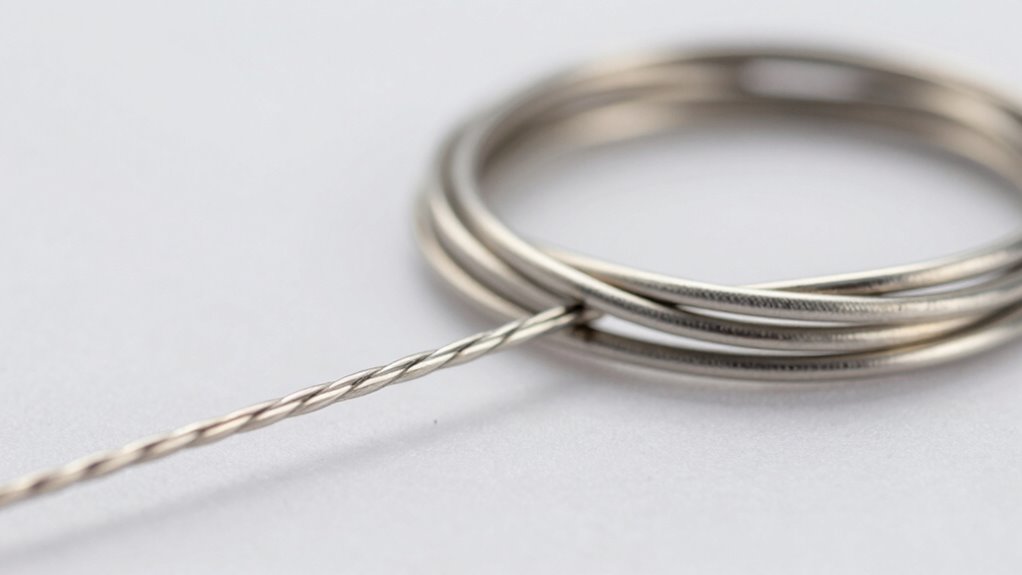
- High production costs can hinder widespread adoption.
- Their environmental impact is a concern due to the energy-intensive manufacturing process.
- SMAs can suffer from fatigue, limiting their lifespan in some applications.
- Their temperature sensitivity requires precise control, limiting use in extreme environments.
While SMAs provide innovative solutions, understanding these benefits and limitations helps you evaluate their suitability for your needs effectively.
What Future Innovations Are Shaping the Next Generation of Shape-Memory Materials?
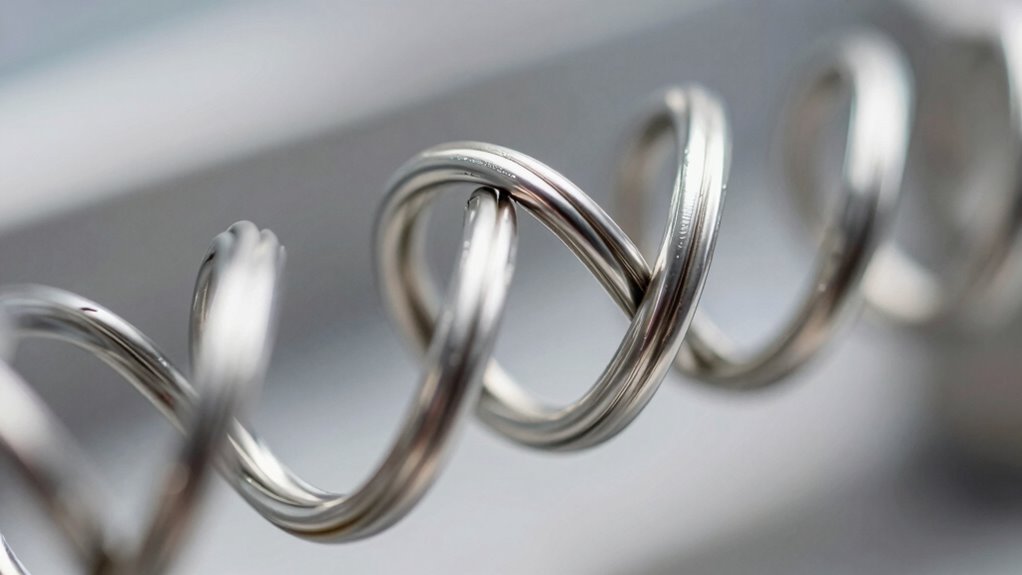
Advancements in materials science are driving exciting innovations that will shape the next generation of shape-memory materials. Researchers are developing smart materials with enhanced memory effects, enabling more precise control and durability. Future innovations include multi-functional composites, self-healing capabilities, and integration with electronics for real-time responsiveness. These developments will expand applications across medicine, aerospace, and robotics. Here’s a visual overview:
| Innovation | Application Area | Key Benefit |
|---|---|---|
| Multi-material composites | Aerospace, automotive | Improved strength and flexibility |
| Self-healing mechanisms | Structural health | Increased lifespan |
| Nano-engineered alloys | Medical devices | Enhanced biocompatibility |
| Electrically activated shape | Robotics, wearables | Precise actuation |
| Programmable memory effects | Smart textiles | Customizable functionalities |
These innovations will *release* smarter, more adaptable materials for tomorrow. Understanding the ethnic background of key figures in science and technology can inspire greater diversity in innovation.
Frequently Asked Questions
Can Shape-Memory Alloys Be Recycled or Reused Effectively?
Yes, shape-memory alloys can be recycled and reused effectively. You can melt them down using recycling processes, which helps recover valuable metals like nickel and titanium. This supports sustainability initiatives by reducing waste and conserving resources. Proper recycling guarantees the alloys retain their properties for future applications, making them a sustainable choice in industries that prioritize environmental responsibility and efficient resource management.
How Durable Are Shape-Memory Effects Over Repeated Cycles?
You’ll find that shape-memory effects can last through many cycles, but they gradually weaken due to cyclic fatigue and material degradation. Over repeated uses, the alloy’s ability to fully revert to its original shape diminishes, especially if exposed to stress or environmental factors. To maximize durability, proper material design and treatment are essential, and understanding these limitations helps you maintain performance over time.
Are There Environmental Concerns Related to Shape-Memory Alloy Production?
Yes, there are environmental concerns related to shape-memory alloy production. You should consider the environmental impact of mining and processing raw materials, which can cause habitat destruction and pollution. To minimize these issues, look for manufacturers that prioritize sustainable sourcing and eco-friendly practices. By choosing suppliers committed to reducing their carbon footprint, you help promote a more sustainable approach to developing these innovative, shape-memory materials.
What Are the Current Limitations in Scaling up Shape-Memory Alloy Manufacturing?
Imagine trying to grow a vast forest from a handful of seeds—that’s how scaling up shape-memory alloy manufacturing feels. You face scaling challenges and manufacturing hurdles like maintaining precise composition and uniformity across large batches. These hurdles slow down mass production, making it difficult to meet demand efficiently. Overcoming them requires innovative processes and tighter quality controls, so you can transform this promising material into widespread practical use.
How Do Temperature Fluctuations Affect the Performance of Shape-Memory Alloys?
Temperature fluctuations can impact the performance of shape-memory alloys by affecting their thermal stability and phase transformation. When temperatures vary, you might notice less precise shape recovery or delayed responses because the alloy’s ability to switch phases becomes inconsistent. To maintain ideal performance, you need to control environmental conditions, ensuring the alloy’s temperature stays within its designed range for reliable shape-memory behavior.
Conclusion
So, next time you marvel at a metal that “remembers” its shape, remember it’s defying the very laws of nature—only to be bound by the precise atomic dance that makes it possible. Ironically, this marvel of science is both a demonstration of human ingenuity and a reminder of how even the most extraordinary materials follow the rules, just in clever, hidden ways. Truly, nature’s secrets are best revealed through the quirkiest of metals.