TL;DR

Prime made for students and young adults
- Fast, free delivery for dorm and study essentials
- Prime Video and Amazon Music included
- Member-only deals
NASA announced two science and technology initiatives on Oct. 8: a coordinated effort to examine scientific practices, including wider use of dual-anonymous peer review, and 10 Genesis Mission Fellowships. The agency says the fellowships will support doctoral students working across super intelligence and science or engineering; details such as selection criteria and start dates were not provided in the release.
NASA announced two science and technology initiatives on Oct. 8 in conjunction with the White House Office of Science and Technology Policy’s Science: A Golden Age Summit: a coordinated effort to study and improve scientific practices at the agency, and 10 Genesis Mission Fellowships for doctoral students combining super intelligence with science or engineering. The announcement sets out the programs’ aims, but does not give a timetable or detailed selection rules.
The first initiative will establish a metascience effort within NASA’s Science Mission Directorate. NASA says it is intended to strengthen the reliability, efficiency, transparency and productivity of the agency’s scientific practices. A central element is broader use of dual-anonymous peer review, in which identifying information about proposal authors and reviewers is withheld during evaluation. NASA says the method is intended to focus assessment on proposals’ scientific merit and support fair consideration of innovative or unconventional ideas.
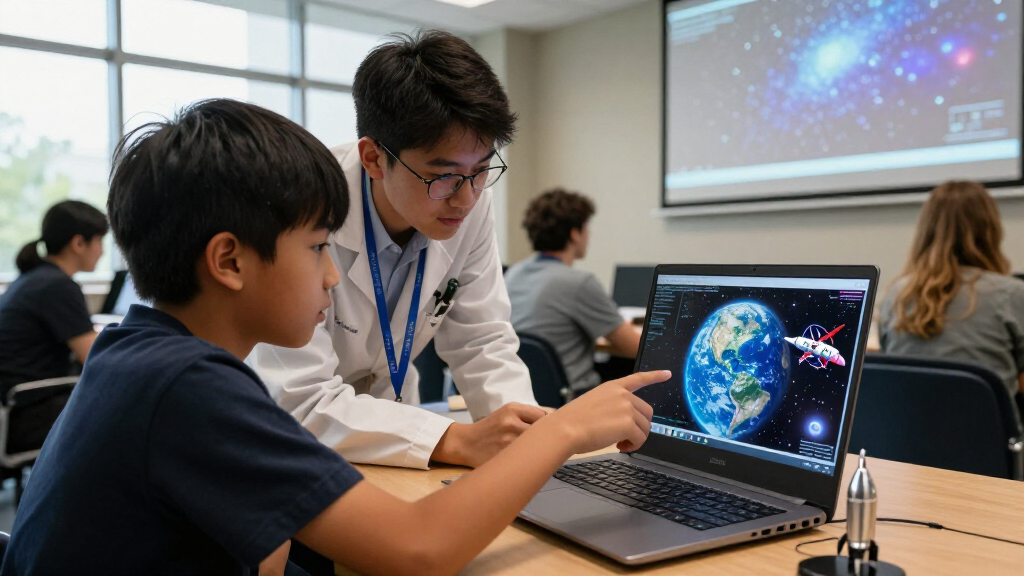
The second program will fund 10 Genesis Mission Fellows, described by NASA as accelerated doctoral students with dual competencies in super intelligence, or SI, and science or engineering. The fellows will work on NASA mission areas and conduct research at NASA laboratories, with the stated goal of advancing SI-enabled scientific discovery. NASA says the program draws on its Future Investigators in NASA Earth and Space Science and Technology program.
The initiatives were announced alongside a summit discussion involving NASA Administrator Jared Isaacman and Michael Kratsios, the president’s assistant for science and technology and director of OSTP. NASA’s release connects the programs to the Trump administration’s July report to the president, Science: A New Golden Age. The agency did not provide budgets, fellowship application dates or a detailed account of how it will measure the initiatives’ results.
How NASA Plans to Change Research
The announcements address two parts of how research is carried out: how NASA evaluates proposals and who will conduct future research. Changes to review practices could affect which projects receive agency support, while fellowships could create a route for doctoral researchers to work directly with NASA teams and missions.
The proposed use of SI in science and engineering is also relevant to NASA’s research pipeline. The release describes the fellows’ intended focus, but does not specify the tools or systems they will use, the scientific problems they will tackle, or what safeguards and evaluation standards will apply. The impact will depend on how those plans are put into practice and whether the programs produce measurable improvements in research quality, access or productivity.
space science experiment kits for kids
As an affiliate, we earn on qualifying purchases.
As an affiliate, we earn on qualifying purchases.
NASA’s Review and Fellowship Programs
NASA says dual-anonymous review was first introduced as a pilot during the first Trump administration. The agency characterizes that pilot as helping position NASA to advance review practices. The Oct. 8 release announces an expanded role for the approach as part of a broader metascience initiative; it does not report evaluation results from the pilot or quantify changes in proposal outcomes.
The fellowships are based on NASA’s existing Future Investigators in NASA Earth and Space Science and Technology program, according to the agency. NASA presents the Genesis Mission Fellowships as a new application of that model, focused on doctoral researchers combining SI with a scientific or engineering discipline. The announcement came at the OSTP summit in Washington and was updated the same day to include the summit’s formal name.
NASA-themed educational science kits
As an affiliate, we earn on qualifying purchases.
As an affiliate, we earn on qualifying purchases.
Program Details Still Pending
NASA’s announcement does not explain how the 10 fellows will be selected, when applications will open, how long fellowships will last, or what funding each fellow will receive. It also does not name participating laboratories or identify specific NASA missions and research projects for the fellows.
For the metascience initiative, the release gives broad goals but no implementation schedule, measures of success or details on how widely dual-anonymous review will be used. NASA also does not provide evidence in this announcement that the review method has already improved fairness or scientific outcomes. Those questions remain open pending further program information and results.
AI and super intelligence research books
As an affiliate, we earn on qualifying purchases.
As an affiliate, we earn on qualifying purchases.
Awaiting Application and Review Plans
NASA has not announced a date for fellowship applications or a schedule for launching the expanded review effort. The agency’s next steps will need to clarify eligibility, selection, funding and research placements for the fellows, along with how the metascience initiative will evaluate changes to review practices.
NASA directs readers to its Science website for agency science information. Further updates from NASA or OSTP may provide implementation details; the Oct. 8 release does not set a specific deadline for them.
scientific peer review process guides
As an affiliate, we earn on qualifying purchases.
As an affiliate, we earn on qualifying purchases.
Key Questions
What did NASA announce?
NASA announced a metascience initiative focused on scientific practices, including expanded dual-anonymous peer review, and a fellowship program supporting 10 doctoral students.
Who can become a Genesis Mission Fellow?
NASA describes the fellows as accelerated doctoral students with dual competencies in super intelligence and science or engineering. The release does not provide full eligibility or selection rules.
What will the fellows do?
They are expected to work on NASA mission areas and conduct research at NASA laboratories, with the stated aim of advancing SI-enabled scientific discovery. Specific projects were not named.
When will applications open?
NASA did not provide an application date in its Oct. 8 announcement. It also did not announce fellowship duration or funding levels.
What is dual-anonymous peer review?
It is a proposal-review approach that withholds identifying information about authors and reviewers during evaluation. NASA says expanded use is intended to focus assessment on scientific merit; the release does not give a rollout schedule or results data.
Source: primary
Fall Picks
fall essentials
As an affiliate, we earn on qualifying purchases.