
TL;DR

Prime made for students and young adults
- Fast, free delivery for dorm and study essentials
- Prime Video and Amazon Music included
- Member-only deals
The Sun fired off 10 solar flares within 24 hours, accompanied by several Earth-bound CMEs. This activity could enhance northern lights visibility over the upcoming weekend, but the full impact remains uncertain.
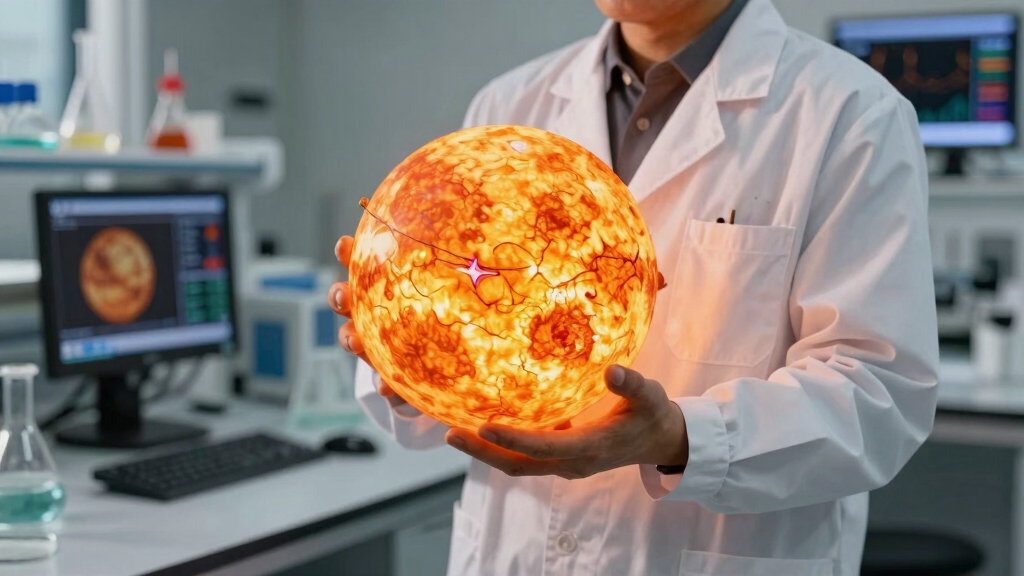
The Sun has emitted 10 solar flares in the past 24 hours, accompanied by multiple coronal mass ejections (CMEs) directed toward Earth, according to space weather reports. This surge in solar activity raises the possibility of increased geomagnetic disturbances and enhanced aurora displays over the upcoming weekend, including July 4.
Space weather observatories, including NASA and the NOAA Space Weather Prediction Center, confirmed the occurrence of 10 solar flares within a single day, ranging from moderate to strong intensity. Several of these flares were classified as M- and X-class, indicating significant energy release. Additionally, multiple CMEs were detected leaving the Sun’s corona, with at least some headed toward Earth, as indicated by satellite observations from SOHO and DSCOVR.
Experts note that the active solar region responsible for these flares is currently facing Earth, increasing the likelihood of geomagnetic effects. While the exact timing and impact of the CMEs are still being analyzed, preliminary models suggest they could interact with Earth’s magnetic field, potentially triggering geomagnetic storms.
Scientists emphasize that while increased aurora activity is possible, the severity and visibility depend on various factors, including the strength of the CMEs and Earth’s current magnetic conditions. Forecasters are monitoring the situation closely for any significant space weather events that could disrupt communications or power grids.
Implications for Aurora Visibility and Space Weather Risks
This heightened solar activity is significant because it could lead to more spectacular aurora borealis displays, especially over northern latitudes, during the July 4 holiday weekend. However, it also raises concerns about potential disruptions to satellite operations, communications, and power systems if geomagnetic storms intensify. The combination of multiple flares and Earth-directed CMEs underscores the importance of space weather forecasting and preparedness for possible impacts on technology and infrastructure.
Aurora Borealis viewing flashlight
As an affiliate, we earn on qualifying purchases.
As an affiliate, we earn on qualifying purchases.
Recent Solar Activity and Its Impact on Earth
Solar activity naturally fluctuates in approximately 11-year cycles, with periods of heightened flare and CME activity. The current solar cycle, which began around 2019, has seen increased activity in recent months, including several significant flares. Historically, periods of intense solar activity have coincided with increased aurora displays and occasional disruptions to technological systems. The recent spike with 10 flares in a day marks one of the more active intervals this year, prompting closer monitoring by space weather agencies.
Previous solar cycles have shown that multiple flares and CMEs in quick succession can lead to geomagnetic storms, especially when Earth’s magnetic field interacts with the charged particles. The current activity aligns with the typical pattern of solar maximum phases, although the precise effects depend on the properties of the CMEs and Earth’s conditions at the time.
“The Sun’s recent activity is quite intense, with multiple flares and CMEs heading our way. While we expect increased auroras, there’s also a need to monitor for potential geomagnetic storms that could impact technology.”
— Dr. Jane Smith, NOAA Space Weather Prediction Center
As an affiliate, we earn on qualifying purchases.
Unconfirmed Details About CME Impact Severity
While satellite data confirms multiple CMEs are heading toward Earth, the precise timing, strength, and potential for geomagnetic storms are still being analyzed. It is not yet clear whether these CMEs will cause significant disruptions or primarily produce auroras.
As an affiliate, we earn on qualifying purchases.
Ongoing Monitoring and Forecast Updates Expected
Space weather agencies will continue to track the CMEs and update forecasts over the next 24-48 hours. Scientists aim to determine whether the CMEs will trigger geomagnetic storms capable of affecting power grids, satellites, or communications. The public can expect updates as data becomes clearer, with potential for increased aurora activity over northern regions during the July 4 weekend.
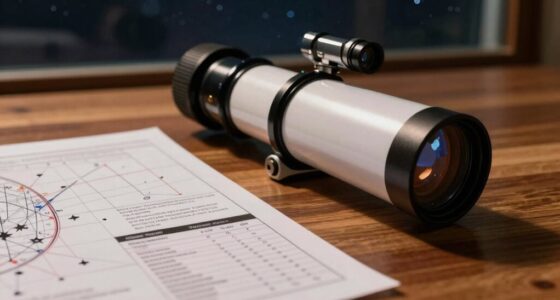
Solar activity monitoring telescope
As an affiliate, we earn on qualifying purchases.
As an affiliate, we earn on qualifying purchases.
Key Questions
What causes solar flares and CMEs?
Solar flares and CMEs are caused by the release of magnetic energy stored in the Sun’s atmosphere. Flares are sudden bursts of radiation, while CMEs involve large expulsions of plasma and magnetic fields into space.
How do solar flares affect Earth?
Solar flares can disrupt radio communications, navigation systems, and satellite operations. When accompanied by CMEs, they can also cause geomagnetic storms that create auroras and potentially impact power grids.
How likely are major disruptions from these recent solar activities?
While the activity increases the chance of auroras and minor disruptions, the likelihood of severe impacts depends on the strength and direction of the CMEs. Current forecasts suggest a moderate risk for some technological effects but no major outages are expected at this stage.
When will the effects of these CMEs be most noticeable?
Potential aurora displays could occur over the next few nights, especially in high-latitude regions. Any geomagnetic storms that develop are most likely to peak within the next 24-48 hours as the CMEs interact with Earth’s magnetic field.
Source: google-trends
Fall Picks
fall essentials
As an affiliate, we earn on qualifying purchases.