
Passkeys replace passwords with cryptographic pairs that make authentication more secure and phishing-resistant. They prevent credential theft by keeping private keys on your device and using biometric verification, reducing scams and hacking risks. However, they can’t stop social engineering, device theft, or server breaches, so you still need to stay cautious. If you want to understand how passkeys can safeguard your digital life and their limitations, keep exploring.

Prime made for students and young adults
- Fast, free delivery for dorm and study essentials
- Prime Video and Amazon Music included
- Member-only deals
Key Takeaways
- Passkeys use cryptographic key pairs to authenticate users, significantly reducing phishing risks and eliminating manual password entry.
- While they enhance security, passkeys cannot prevent server breaches, social engineering, or device theft vulnerabilities.
- Passkeys protect against credential theft but do not encrypt server data or shield infrastructure-level vulnerabilities.
- Adoption challenges include device compatibility, user unfamiliarity, and platform fragmentation, which may slow widespread use.
- They improve security but still require user awareness, device security, and layered protections to address sophisticated threats.
As an affiliate, we earn on qualifying purchases.
What Are Passkeys and How Do They Work?
Have you ever wondered how passkeys are changing the way we protect our online accounts? At their core, passkeys rely on cryptography fundamentals to securely verify your identity. Unlike traditional passwords, they use a pair of cryptographic keys—one public and one private—that work together as an authentication mechanism. When you set up a passkey, your device creates these keys locally, keeping the private key safe on your device, while the public key gets stored with the service. During login, the server challenges your device to prove possession of the private key, confirming your identity without revealing sensitive information. This process makes passkeys a more secure alternative, reducing the risk of phishing and credential theft. Secure cryptography techniques are essential to ensuring the integrity and privacy of this authentication method. Additionally, the use of local key generation helps prevent credential reuse and other common hacking tactics.
As an affiliate, we earn on qualifying purchases.
Do Passkeys Keep Me Safe From Online Threats?
Passkeys are designed to resist phishing attempts, making it harder for attackers to steal your login credentials. However, they aren’t foolproof against highly targeted attacks, which can still exploit other vulnerabilities. So, while passkeys improve your safety, staying vigilant remains essential. Additionally, implementing comprehensive cybersecurity measures can further protect your digital identity from emerging threats. For example, multi-factor authentication adds an extra layer of security beyond passkeys. Being aware of security vulnerabilities helps users understand the limits of passkey protection and encourages proactive defense strategies. Recognizing that no security system is entirely invulnerable underscores the importance of continuous monitoring for potential breaches.
Phishing Resistance Capabilities
Since phishing attacks often rely on tricking you into revealing your passwords, passkeys markedly enhance your security by eliminating the need to enter sensitive information manually. They use biometric verification, like fingerprint or facial recognition, to authenticate you securely. This means even if a malicious site tricks you into clicking a link, it can’t steal your passkey because it’s stored securely on your device. Plus, passkeys are device-independent, so you can use them across multiple devices without compromising security. This reduces the risk of phishing scams succeeding, as there’s no password to phish or steal. They provide a direct, cryptographic handshake between you and the service, making it much harder for attackers to impersonate you. Overall, passkeys considerably improve phishing resistance.
- Biometric verification ensures only you can authenticate
- No passwords to reveal or steal
- Device independence allows secure access across gadgets
- Eliminates common phishing attack vectors
Limitations Against Targeted Attacks
While passkeys substantially reduce many common online threats, they are not a foolproof shield against targeted attacks. Skilled attackers can still find ways to compromise your accounts through sophisticated methods like social engineering or exploiting insider threats. Targeted attacks often involve personalized tactics, making passkeys less effective if an attacker gains access to your device or accounts through other means. For example, if an insider threat or malicious actor tricks you into revealing sensitive information or installing malicious software, passkeys alone won’t prevent these breaches. Additionally, vulnerabilities in device security or cloud synchronization can be exploited. Ultimately, passkeys considerably improve security, but they don’t eliminate all risks from highly targeted attempts. Staying vigilant remains essential to protect against these sophisticated threats.
passwordless authentication device
As an affiliate, we earn on qualifying purchases.
As an affiliate, we earn on qualifying purchases.
What Limitations Do Passkeys Have? What They Can’t Protect Against?
While passkeys improve security, they aren’t foolproof. You can still fall victim to phishing scams, and if your device gets lost or stolen, your accounts could be at risk. Plus, server breaches can expose data even if passkeys are in use, so vulnerabilities remain. Additionally, understanding credit card terms is essential for financial literacy and managing your personal finances effectively. Moreover, device security plays a crucial role in protecting your passkeys from unauthorized access. Being aware of common cyber threats can help you stay vigilant and protect your digital identity. Implementing multi-factor authentication adds an extra layer of protection even when passkeys are compromised. Understanding authentication methods can further bolster your defenses against digital threats.
Phishing Attacks Still Possible
Despite the increased security that passkeys offer, phishing attacks can still trick you into revealing sensitive information or granting access. No system is completely foolproof without proper phishing awareness and user education. Attackers often use convincing fake websites or messages to lure you into revealing credentials or granting permissions. Passkeys protect your login credentials, but they don’t prevent you from falling for social engineering tricks.
To stay safe, you should:
- Recognize suspicious links or emails
- Verify website URLs before entering data
- Be cautious about sharing personal info
- Stay informed about common phishing tactics
While passkeys strengthen security, your awareness and education are essential to avoid falling victim to phishing scams.
Device Loss Risks Remain
Even though passkeys remarkably enhance security, they don’t protect your accounts if your device is lost or stolen. If someone steals your device, they could access your passkeys unless you’ve secured your device with strong encryption and a lock screen. Device theft remains a significant risk because passkeys are stored locally or in the cloud, making them vulnerable if your device falls into the wrong hands. Additionally, biometric limitations can hinder security. If your device relies on fingerprint or facial recognition, a thief might bypass these methods or trick the system. Without additional safeguards, losing your device can expose your accounts, regardless of passkey security measures. Protecting yourself requires not just passkeys but also robust device security and cautious handling of your hardware. Device security is essential to prevent unauthorized access if your hardware is compromised. Furthermore, understanding the cloud storage of passkeys can help you implement better security practices to mitigate risks, especially considering how herbal traditions highlight the importance of layered protection.
Server Breach Vulnerabilities
Passkeys substantially improve your account security, but they aren’t foolproof against server breaches. If a company’s server configuration is weak or poorly maintained, hackers might still access sensitive data despite robust passkeys. In such cases, breach detection systems can identify suspicious activity, but they can’t always prevent the initial breach. Once attackers penetrate the server, they could potentially obtain stored credential hashes or other sensitive information. Passkeys don’t encrypt server data or protect against vulnerabilities at the infrastructure level. Additionally, if the server isn’t properly secured, even the strongest authentication methods won’t prevent data leaks. To truly safeguard your information, organizations need to prioritize secure server configuration and effective breach detection alongside passkey implementation.
As an affiliate, we earn on qualifying purchases.
What Are the Challenges of Using Passkeys in Real Life?
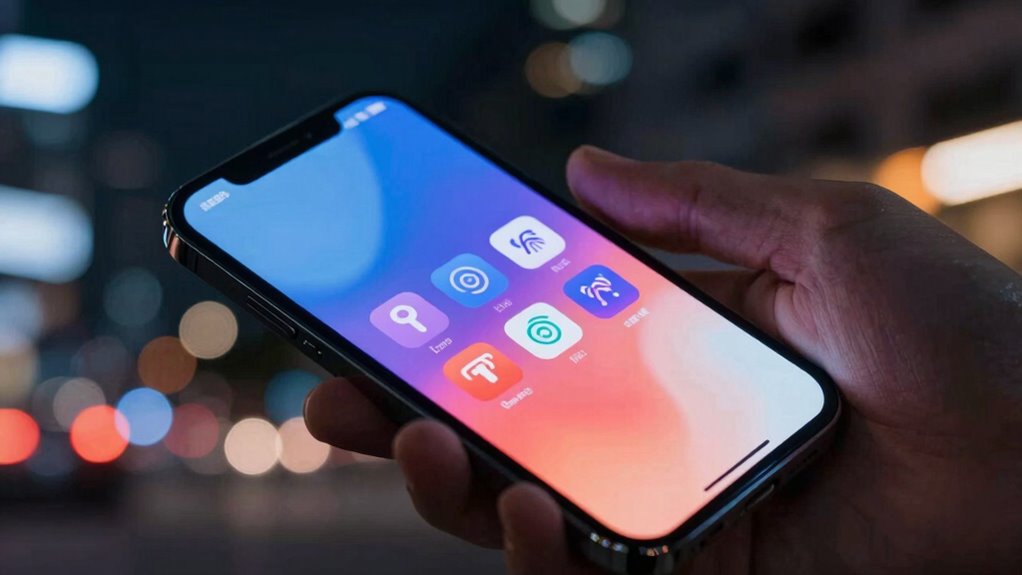
Implementing passkeys in everyday life can present several challenges, especially since users are often unfamiliar with the new technology. One major hurdle is ensuring smooth user authentication without sacrificing security. Many users might find the process confusing or intimidating at first, which can hinder adoption. Additionally, maintaining user convenience is vital; if passkeys complicate access or require extra steps, users may resist switching from familiar passwords. Devices and platforms also need to support passkeys consistently, which isn’t always the case. This fragmentation can create difficulties in syncing credentials across devices. Connected home fitness technologies demonstrate the importance of seamless integration for user acceptance; similarly, ensuring consistent support across platforms is crucial for passkeys. Moreover, cross-platform compatibility remains a significant barrier, often requiring extensive technical updates and cooperation among device manufacturers. Achieving standardized protocols could help mitigate some of these issues, but it remains an ongoing challenge. Ensuring user education about the benefits and functionality of passkeys is essential to overcoming resistance and fostering trust. Additionally, the lack of widespread awareness about security benefits may cause users to underestimate the importance of adopting passkeys. Overall, while passkeys aim to simplify security, overcoming these practical obstacles is essential for widespread acceptance and effective integration into daily routines.
Should You Switch to Passkeys Now? Pros and Cons
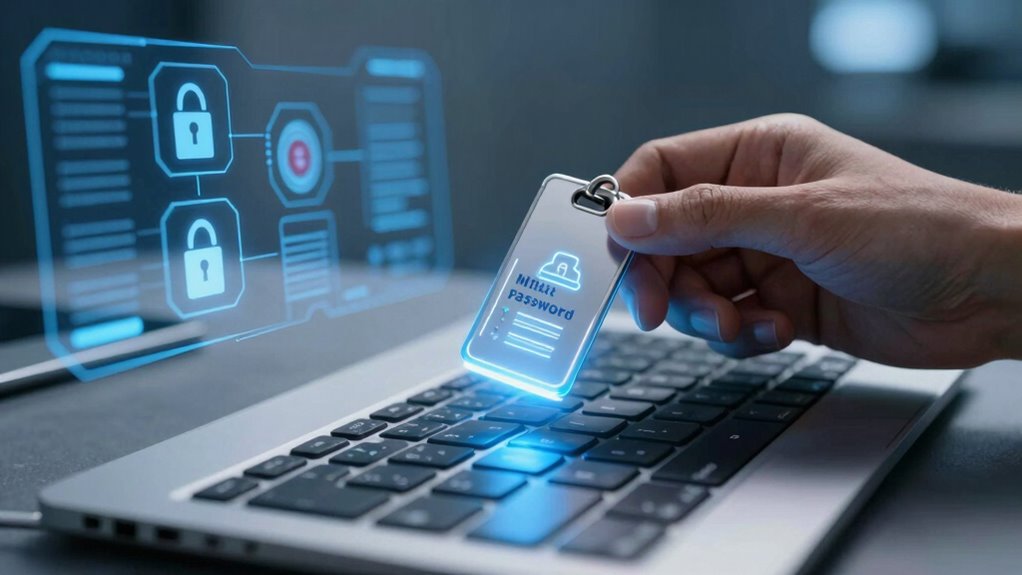
Deciding whether to switch to passkeys now depends on weighing their benefits against potential drawbacks. Passkeys simplify user authentication and serve as a strong password replacement, reducing phishing risks. However, they may require new device setups and can face compatibility issues.
Switching to passkeys enhances security and simplifies login, but may involve setup challenges and compatibility concerns.
Consider these pros and cons:
- Enhanced security through phishing resistance
- Easier, faster login experience
- Limited support on older devices or platforms
- Potential initial setup hurdles
If you prioritize security and want a seamless user authentication experience, transitioning now makes sense. But if you rely on legacy systems or need widespread compatibility, waiting might be wiser. Ultimately, adopting passkeys can future-proof your digital security, but weigh the changeover carefully.
How Will Passkeys Shape the Future of Digital Security?
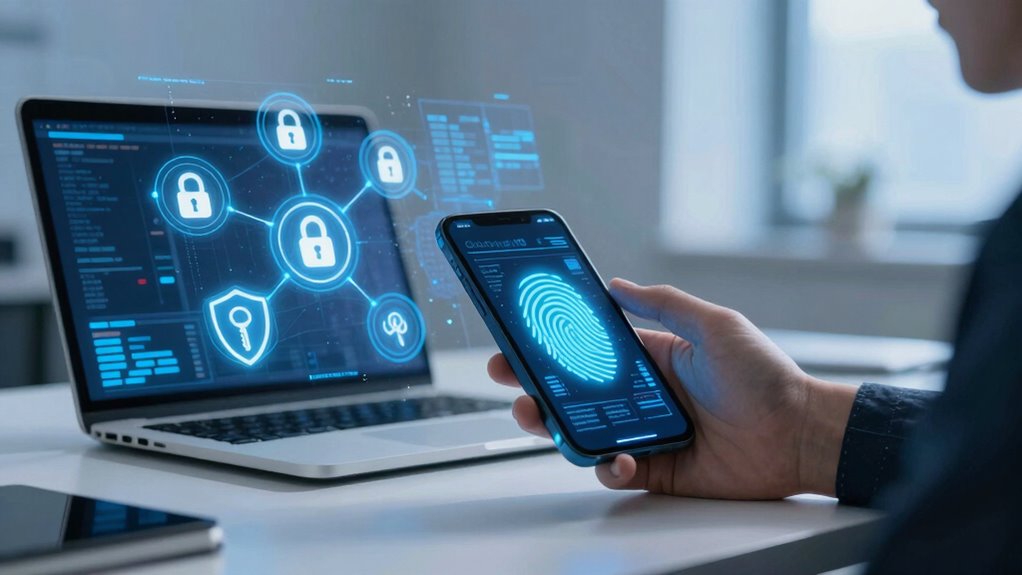
As passkeys become more widely adopted, they are poised to transform how you approach digital security. Biometric integration will play a key role, making authentication faster and more seamless by using fingerprints or facial recognition. This integration will also align with the increasing use of smart home technology to enhance security and convenience across your devices. Additionally, the move towards public key cryptography will strengthen defenses against common cyber threats. This shift will improve user adoption by reducing friction, as you won’t need to remember complex passwords or deal with multi-step logins. Passkeys are built on public key cryptography, offering stronger protection against phishing and hacking. Their adoption will encourage organizations to move away from traditional passwords, enhancing overall security. As technology advances, expect smoother integration across devices and platforms, making secure access more intuitive. Continued innovations in user experience optimization will further facilitate widespread adoption of passkeys. The implementation of multi-device synchronization will also make it easier to access passkeys securely from your various devices, promoting convenience and consistency. Ultimately, passkeys will reshape digital security by making strong authentication effortless, prioritizing your convenience without sacrificing safety.
Frequently Asked Questions
Can Passkeys Be Hacked or Stolen Like Passwords?
Passkeys are much harder to hack or steal than passwords because they don’t rely on stored secrets. However, you should still be cautious about phishing vulnerabilities and device theft risks. If someone tricks you into revealing your device or authentication info, or if your device gets stolen, they could potentially access your passkeys. Always use strong device security and be wary of phishing attempts to keep your passkeys safe.
Are Passkeys Compatible With All Devices and Platforms?
Passkeys aim for broad cross-platform compatibility and device integration, but they’re not yet universally supported on all devices and platforms. You might find that some systems or apps still rely on traditional passwords or older authentication methods. However, tech companies are working to improve compatibility, making it easier for you to use passkeys seamlessly across various devices and platforms in the near future.
What Happens if I Lose Access to My Passkey Device?
If you lose access to your passkey device, don’t worry—your recovery options and device backup make it manageable. You can use a backup method, like a recovery key or linked account, to regain access. It’s essential to set up device backup and alternative recovery options beforehand. This way, you guarantee you won’t be locked out permanently and can restore your passkeys on a new device easily.
Do Passkeys Work for Verifying Identities Beyond Login?
Passkeys mainly verify your identity during login, but they aren’t designed for broader verification tasks. Biometric limitations, like false positives or hardware compatibility, can hinder their effectiveness beyond initial login. Additionally, passkey adoption challenges mean not all services support them yet, limiting their use for other identity verification processes. You’ll still need other methods for verifying your identity in scenarios like secure transactions or access controls.
Will Passkeys Completely Replace Traditional Passwords Soon?
Passkeys likely won’t replace traditional passwords completely anytime soon due to biometric limitations and passkey adoption challenges. You might find passkeys more secure and convenient, but not all devices support biometric authentication perfectly, and widespread adoption takes time. While they’re a big step forward, some situations will still rely on passwords or other methods until technology and standards evolve further.
Conclusion
While passkeys are a shining beacon in digital security’s stormy seas, they aren’t a magic shield. They can streamline your online life, but beware their limitations—like fragile glass that shatters under certain threats. Embrace them wisely, like tending a delicate garden, knowing they’re part of a larger ecosystem. As technology evolves, passkeys will guide you through the maze, but always stay vigilant—security’s journey is an endless voyage, not a final destination.
Halloween Picks
halloween
As an affiliate, we earn on qualifying purchases.