
📊 Full opportunity report: The Memory Squeeze: Why Your RAM Bill Doubled on ThorstenMeyerAI.com — validation score, market gap, and execution plan.

Prime made for students and young adults
- Fast, free delivery for dorm and study essentials
- Prime Video and Amazon Music included
- Member-only deals
TL;DR
RAM prices have doubled or more since 2024, with some kits now costing several times their previous prices. The surge is due to a deliberate shift by manufacturers toward high-margin AI memory, not a temporary supply shortage. This change threatens to reshape PC building costs and supply availability.
DRAM prices have surged dramatically in 2026, with consumer 32GB DDR5 kits now costing nearly four times their prices from a year ago, and 64GB kits exceeding $600. This sharp increase is driven by a fundamental industry shift, making memory more expensive and scarce for PC builders and consumers.
The cost of consumer DRAM has roughly doubled or tripled since 2024, with prices increasing by approximately 90% in the first quarter of 2026 alone. A 32GB DDR5 kit, once priced at $80–$120, now averages around $375, while 64GB kits have risen from $150–$200 to over $600, according to market trackers like Tom’s Hardware.
This price escalation is primarily due to a shift in manufacturing capacity from consumer RAM to high-margin AI memory modules, specifically High Bandwidth Memory (HBM). The three dominant DRAM producers—Samsung, SK Hynix, and Micron—are reallocating their wafer output toward HBM, which is used in AI accelerators and GPUs, rather than traditional DDR5 modules.
Industry analysts confirm that HBM modules sell for three to five times more per unit than standard DDR5, incentivizing manufacturers to prioritize HBM production despite its inefficiency and higher wafer area consumption. As a result, around 23% of DRAM wafers are now dedicated to HBM, up from 19% last year, with AI demand absorbing about 20% of total DRAM capacity in 2026.
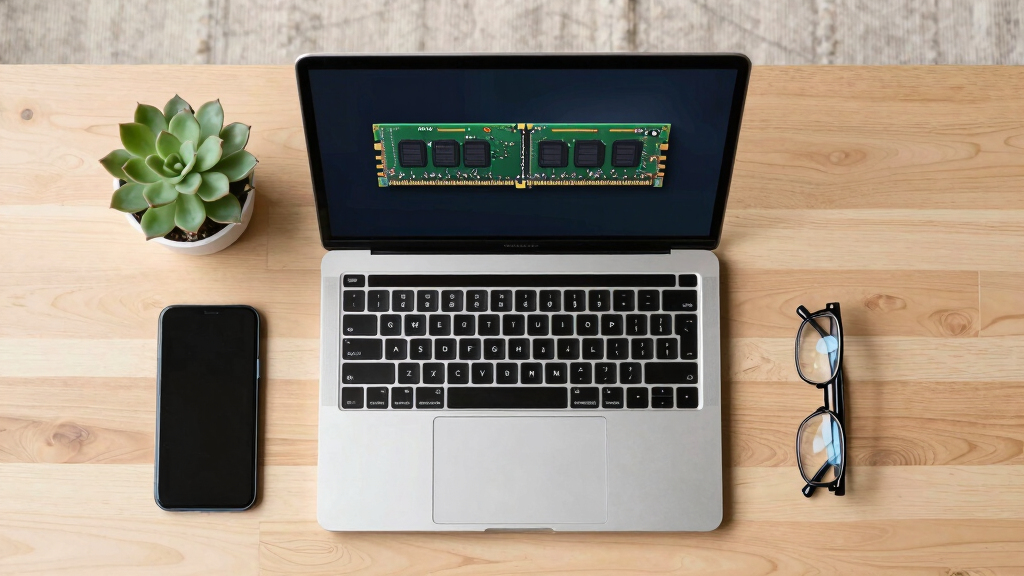
Why your RAM bill doubled
“Doubled” is the polite version — consumer DRAM is running 3–6× its 2024 lows. The boom-bust cycle that always brought cheap RAM back isn’t coming this time, because the factories that make your RAM now make something far more profitable instead.
HBM
This is the quiet tax on the whole AI era. Relief isn’t forecast before 2028, and even then prices may settle 30–50% above pre-crisis levels. Buy what you genuinely need now; don’t panic-buy capacity you won’t use. You can’t out-wait the fab math — but, as this series will show, you can shrink what you need. Next: HBM Ate the Fab.
Impacts of the Memory Reallocation on Consumers and Industry
This shift means consumer RAM shortages and price hikes are unlikely to resolve quickly, as the industry intentionally maintains scarcity to maximize margins. The move toward AI-focused memory production reduces the availability of standard DRAM for PCs and servers, leading to higher costs and limited supply for end users.
Furthermore, this change signals a permanent reorientation in the semiconductor industry, with fewer incentives to increase capacity for consumer markets. The scarcity and high prices could persist into the next several years, affecting everything from gaming PCs to enterprise servers.
As an affiliate, we earn on qualifying purchases.
Industry Shift Toward AI Memory and Its Origins
Historically, DRAM shortages have been temporary, easing when new fabs expanded supply. However, the current crisis stems from a deliberate industry choice to prioritize high-margin AI memory modules like HBM. The three main producers—Samsung, SK Hynix, and Micron—control about 95% of the DRAM market and have shifted wafer output toward HBM, which is less efficient but far more profitable.
This reallocation is driven by the explosive growth of AI applications requiring high-bandwidth memory, making HBM more lucrative despite its inefficiency. The industry’s capacity expansion is years away, with new fabs not expected to reach significant volume until 2027–2028, and current capacity management favors maintaining high margins over increasing supply.
Past shortages were alleviated by flooding the market with new capacity; this time, the industry is managing scarcity intentionally, with little incentive to produce more consumer-grade DRAM quickly.
“Suppliers are managing scarcity intentionally, prioritizing high-margin products and record profits over increasing supply for consumer memory.”
— A supply-chain expert
As an affiliate, we earn on qualifying purchases.
Extent of Collusion or Market Manipulation Remains Unclear
While there is no current evidence of collusion similar to past price-fixing cases, the high market concentration and strategic capacity management raise questions about the potential influence of dominant players on prices. It is not yet clear whether supply management is purely strategic or if there are other factors involved.
As an affiliate, we earn on qualifying purchases.
Industry Capacity Expansion and Market Outlook for 2027+
Manufacturers are expected to continue prioritizing high-margin AI memory modules, with new fabs coming online around 2027–2028. However, the supply for consumer DRAM is unlikely to improve significantly before then. Buyers should prepare for ongoing high prices and limited availability, and industry analysts will monitor capacity expansion and demand trends closely.
As an affiliate, we earn on qualifying purchases.
Key Questions
Will RAM prices ever return to previous levels?
It is uncertain. Industry shifts toward AI memory are likely to keep consumer RAM prices high until new capacity is built and AI demand stabilizes or saturates.
Why are manufacturers focusing on high-margin AI memory instead of consumer RAM?
HBM and similar modules are far more profitable per wafer, incentivizing manufacturers to reallocate wafer capacity despite inefficiencies.
How long will the current RAM shortage last?
Based on current capacity expansion timelines, shortages may persist until at least 2027–2028, with prices remaining elevated in the meantime.
Are there alternative ways to get cheaper RAM?
Options are limited. DDR4 is nearly phased out and costs as much as DDR5, and counterfeit modules are emerging. Waiting for supply to increase is uncertain given current industry priorities.
Source: ThorstenMeyerAI.com
Halloween Picks
halloween
As an affiliate, we earn on qualifying purchases.