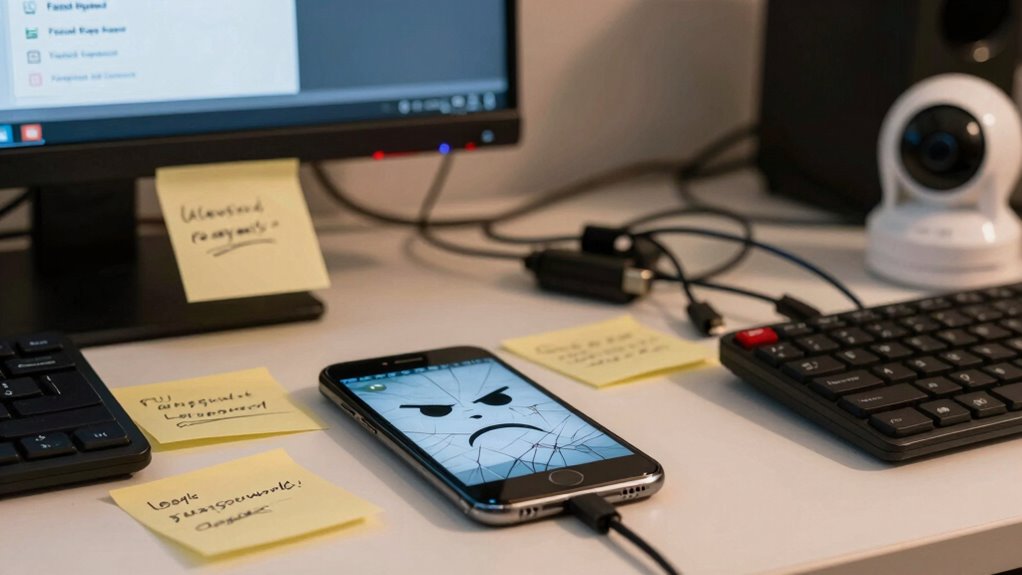

Passwords keep failing because they’re no longer enough to protect your digital life. Many people still use weak or reused passwords, making it easy for hackers to break into accounts. Cybercriminals get smarter with new tactics like social engineering and brute-force attacks. Relying on passwords alone leaves you vulnerable to evolving threats. To stay secure, you need stronger habits and modern security measures. If you want to understand how to better protect yourself, there’s more to discover.

Get school and study supplies delivered free — and shop member deals
- Fast, free delivery on millions of items
- Access to Prime Big Deal Days deals on October 6–7
- Prime Video, Amazon Music and more included
Key Takeaways
- Users often choose weak, predictable passwords or reuse them across multiple accounts, increasing vulnerability.
- Automated hacking tools can quickly crack simple or common passwords, rendering them ineffective.
- Cybercriminals adapt with new tactics like social engineering and brute-force attacks, bypassing traditional password defenses.
- Relying solely on passwords is insufficient; modern threats require multi-factor authentication and advanced security measures.
- User behaviors, such as neglecting updates or insecurely storing passwords, significantly weaken overall account security.
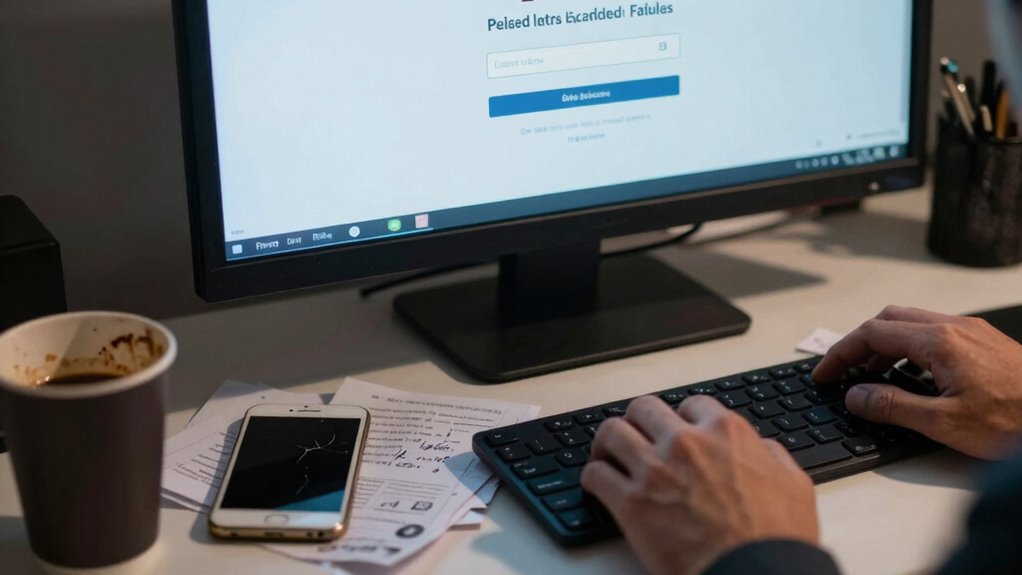
Passwords are no longer enough to protect your online accounts, as hackers constantly find new ways to break through them. Over time, the way passwords are created and used has evolved, but so have the tactics of cybercriminals. This ongoing process, known as password evolution, highlights how security measures must keep pace with increasingly sophisticated threats. Unfortunately, many users still rely on weak or reused passwords, which makes it easier for hackers to access their accounts. Your user behavior—such as choosing simple passwords, reusing the same ones across multiple sites, or neglecting updates—significantly impacts your security posture. It’s not just about having a password; it’s about having a strong, unique one for each account and understanding how your habits can expose vulnerabilities.
Strong, unique passwords and good habits are essential as cyber threats evolve.
As technology advances, so do hacking techniques. From brute-force attacks to social engineering, cybercriminals exploit human tendencies and technological loopholes. Despite the availability of password managers and multi-factor authentication, many users continue to underestimate the importance of good password hygiene. You might think a simple password is enough, but hackers often automate attacks that can crack common or predictable passwords within seconds. Reusing passwords across various services compounds this risk, because once one account is compromised, all others with the same password become vulnerable. Your behavior—such as saving passwords in insecure locations or skipping updates—further exposes you to potential breaches. Recognizing the evolving tactics used by cybercriminals can help you take proactive steps to defend your digital life. Additionally, awareness of password complexity and how it impacts security can motivate better password creation practices. Staying informed about cybersecurity developments is essential for adapting your defenses as threats evolve.
The concept of password evolution reflects how the standards for creating secure passwords have changed over time. Early passwords were often short and simple, but as hacking methods advanced, so did the recommendations for stronger passwords. Now, security experts advise using complex combinations of letters, numbers, and symbols, and avoiding easily guessable information like birthdays or pet names. Yet, many users still stick to habits that make their passwords weak or predictable. Your user behavior plays a pivotal role here; opting for memorable but insecure passwords puts your personal data at risk. The shift toward two-factor authentication and biometric logins is a response to this, but adoption remains inconsistent. Recognizing how password standards have evolved can help you better understand the importance of adopting newer, more secure practices. Embracing these changes is crucial for maintaining a resilient security posture in an ever-changing digital landscape.
In the end, passwords alone can’t keep your digital life safe. The evolution of passwords is a reminder that security depends on both technological advancements and your habits. To truly protect yourself, you need to embrace better practices—use password managers, enable multi-factor authentication, and stay informed about the latest security trends. Recognizing how your behavior influences security is the first step toward reducing your risk. Passwords will continue to evolve, but your awareness and habits are just as crucial in defending your online world.
password manager for secure passwords
As an affiliate, we earn on qualifying purchases.
As an affiliate, we earn on qualifying purchases.
Frequently Asked Questions
How Often Should I Change My Passwords?
You should change your passwords every three to six months, especially if your organization enforces password expiration policies. Regular updates help minimize password reuse risks and keep your accounts secure. Avoid reusing old passwords, which can be vulnerable if compromised. If you suspect a breach or notice suspicious activity, change your passwords immediately. Staying vigilant and updating passwords regularly considerably reduces the chances of unauthorized access and keeps your online information safe.
Are Password Managers Completely Secure?
Think of a password manager as a vault, but no vault is completely impenetrable. While they greatly enhance security, vulnerabilities can exist, and master password risks could expose your entire collection if compromised. Be aware of password manager vulnerabilities and always choose strong, unique master passwords. Regular updates and multi-factor authentication help guard against threats, but remember—no system guarantees 100% security, so stay vigilant and cautious with your digital keys.
What Are the Best Practices for Creating Strong Passwords?
To create strong passwords, focus on password complexity by mixing uppercase, lowercase, numbers, and symbols. Avoid common words or patterns, and aim for at least 12 characters. User education is key—learn about phishing and avoid reusing passwords across sites. Regularly update your passwords and consider a password manager. These practices help guarantee your passwords are resilient against hacking attempts and improve your overall security.
How Do Hackers Crack Complex Passwords?
Hackers crack complex passwords through methods like brute force attacks, where they systematically try every possible combination until they find the right one. They exploit password complexity weaknesses, such as predictable patterns or reused passwords, making even strong passwords vulnerable. To protect yourself, use unique, lengthy passwords with a mix of characters, and enable multi-factor authentication. Stay vigilant to minimize your risk of falling victim to these hacking techniques.
Is Two-Factor Authentication Enough to Protect Accounts?
Two-factor authentication (2FA) greatly boosts your account security, but it isn’t foolproof. While it adds an extra layer like biometric authentication, hackers can still exploit social engineering tactics to bypass it. You should combine 2FA with strong, unique passwords and stay vigilant against phishing attempts. This layered approach makes it much harder for attackers to access your accounts, but always remain cautious and aware of emerging threats.
multi-factor authentication devices
As an affiliate, we earn on qualifying purchases.
As an affiliate, we earn on qualifying purchases.
Conclusion
So, you’ve seen how swiftly security can slip when passwords falter. Don’t despair—diligence and discretion can make a difference. By adopting stronger, smarter security solutions, you’ll stay one step ahead of hackers. Remember, simple slips can sabotage your safety, so stay savvy, stay secure. Strengthen your stance, switch to safer strategies, and safeguard your digital domain. Because in this digital dance, diligent defense makes all the difference. Stay sharp, stay secure!
As an affiliate, we earn on qualifying purchases.
As an affiliate, we earn on qualifying purchases.
Halloween Picks
halloween
As an affiliate, we earn on qualifying purchases.