Finding the right interactive science kit for a student comes down to three tradeoffs: brand-name polish versus raw experiment count, broad variety versus single-subject depth, and age fit versus room to grow. After comparing the ten most popular options, the National Geographic Earth Science Kit earns my best overall pick because its 100+ activities span geology, chemistry, and physics with instructions a student can follow independently. Buyers on a tighter budget get more experiments per dollar from the Doctor Jupiter Ultimate Science Experiments Kit, while the National Geographic Microscope is the strongest premium choice for a student ready for real observation work. Younger kids are better served by junior-focused sets, and one book on this list proves you do not need a boxed kit at all. Read on for the full breakdown of who each kit serves best — and who should skip it.

Prime made for students and young adults
- Fast, free delivery for dorm and study essentials
- Prime Video and Amazon Music included
- Member-only deals
Key Takeaways
- The National Geographic Earth Science Kit takes best overall because it is the only kit here that credibly spans multiple science disciplines in one box, which matters for students whose interests are not fixed yet.
- Five of the ten products are National Geographic branded, and the comparison shows the premium buys you clearer instructions and better-sourced materials — not more experiments. Doctor Jupiter and Melican both beat the branded kits on experiments per dollar.
- Age targeting separated the field more than any other factor: junior sets (National Geographic Junior Chemistry, the 80-experiment kit for ages 6-9) assume an adult nearby, while kits rated 8+ are built for independent work.
- Single-subject products — the microscope and the human body anatomy figure — outperformed variety kits for students with an established interest, but they are the wrong buy for a first kit.
- The Everything Kids’ Science Experiments Book is the cheapest entry point in the lineup, yet it shifts the cost and prep burden onto household supplies and adult setup time.
| Be Amazing! Toys Interactive Human Body Anatomy Figure |  | Best for Future Doctors | Height: 14 inches | Pieces: 60 | Recommended Age: 8+ | VIEW LATEST PRICE | See Our Full Breakdown |
| National Geographic Science Magic Kit |  | Best for Reluctant Scientists | Experiments: 100+ | Bonus Experiments: 85+ (use household items) | Science Areas: Physics and chemistry | VIEW LATEST PRICE | See Our Full Breakdown |
| Doctor Jupiter Ultimate Science Experiments Kit |  | Best Overall | Experiments: 135+ | Age Range: 8 years and up | Key Components: Measuring cylinder, conical flask, spatula, stirring sticks, test tube stand, funnel, tray | VIEW LATEST PRICE | See Our Full Breakdown |
| National Geographic Junior Chemistry Set |  | Best for Younger Kids | Experiments: 50 | Age Range: 4+ | Lab Tools: 20+ child-safe pieces | VIEW LATEST PRICE | See Our Full Breakdown |
| Melican 60+ Science Experiment Kit |  | Best Value Pick | Experiments: 60+ | Recommended Age: 8+ years | Includes: Materials, tools, manual | VIEW LATEST PRICE | See Our Full Breakdown |
| National Geographic Amazing Chemistry Set with 100+ Experiments for Kids Ages 8-12 |  | Best Overall | Number of Experiments: 100+ (plus 85 bonus) | Age Range: 8-12 years | Brand: National Geographic | VIEW LATEST PRICE | See Our Full Breakdown |
| National Geographic Microscope for Kids with Up to 400x Magnification, STEM Science Kit with Slides and Specimens, Ages 6+ |  | Best for Curious Observers | Magnification: Up to 400x | Age Range: 6+ years | Brand: National Geographic | VIEW LATEST PRICE | See Our Full Breakdown |
| Science Kit for Kids, 80 Experiments, STEM Educational Toy for Ages 6-9 |  | Best for Beginners | Number of Experiments: 80 | Age Range: 6-9 years | Brand: Kuovei | VIEW LATEST PRICE | See Our Full Breakdown |
| The Everything Kids’ Science Experiments Book: Boil Ice, Float Water, Measure Gravity – Challenge the World Around You! | 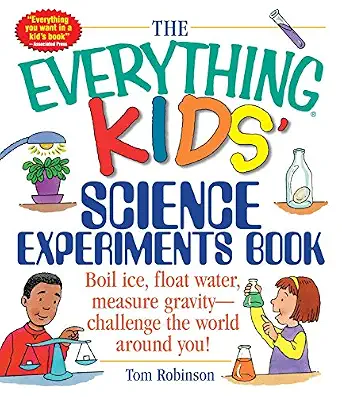 | Best Budget Pick | Format: Paperback book | Sample Experiments: Boil ice, float water, measure gravity | Subjects Covered: Physics and chemistry basics | VIEW LATEST PRICE | See Our Full Breakdown |
| National Geographic Earth Science Kit with 100+ Activities for Kids 8-12 | 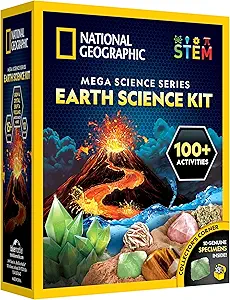 | Best for Geology Fans | Total Activities: 100+ | Core Experiments: 15+ (volcano eruptions, crystal growing, geologic digs) | Age Range: 8-12 years | VIEW LATEST PRICE | See Our Full Breakdown |
| interactive science kits for student | Brand | Age Range | Supervision |
|---|---|---|---|
| Be Amazing! Toys Interactive H | — | — | — |
| National Geographic Science Ma | National Geographic | — | Adult help needed for some experiments |
| Doctor Jupiter Ultimate Scienc | — | 8 years and up | — |
| National Geographic Junior Che | National Geographic | 4+ | — |
| Melican 60+ Science Experiment | — | — | Adult supervision advised for younger children |
| National Geographic Amazing Ch | National Geographic | 8-12 years | Adult supervision recommended |
| National Geographic Microscope | National Geographic | 6+ years | — |
| Science Kit for Kids | Kuovei | 6-9 years | Adult supervision required |
| The Everything Kids’ Science E | — | — | — |
| National Geographic Earth Scie | National Geographic | 8-12 years | Some experiments require adult help |
More Details on Our Top Picks
Be Amazing! Toys Interactive Human Body Anatomy Figure
Most kits in this roundup chase breadth; this one goes deep on a single subject. The Be Amazing! Interactive Human Body packs 60 removable muscles, organs, and bones into a 14-inch poseable figure, so kids handle anatomy physically instead of memorizing diagrams. Compared with the Doctor Jupiter kit’s 135+ short experiments, the payoff here is depth: a child who assembles this model a few times will genuinely know where the heart sits relative to the lungs. I’d point out the tradeoff, though — assembly takes patience, and the piece count that makes it rewarding for an eight-year-old can frustrate younger siblings. There’s also less replay variety than a chemistry set; once the body is mapped, the novelty fades faster than with the National Geographic Science Magic Kit.
Pros:- 60 removable pieces turn abstract anatomy into hands-on learning
- Fully poseable figure holds realistic positions for demonstrations
- Illustrated instruction cards explain body functions, not just part names
- Doubles as a display model with the included stand
Cons:- Assembly is time-consuming and demands real patience
- Too complex for children under 8 despite the interactive design
- Less long-term replay value than multi-experiment chemistry kits
Best for: Kids ages 8+ who are fascinated by biology or medicine and enjoy model-building more than messy experiments
Not ideal for: Families wanting lots of experiment variety — this teaches one subject deeply, and under-8s will find 60 small pieces overwhelming
- Height:14 inches
- Pieces:60
- Recommended Age:8+
- Subject:Human anatomy
- Articulation:Fully poseable
- Includes:Removable muscles, organs, bones, stand
- Learning Material:Illustrated instruction cards
Our verdict“The right pick for a kid who lights up in biology class and wants to build the human body piece by piece.”
National Geographic Science Magic Kit
The National Geographic Science Magic Kit solves a different problem than the rest of this list: getting a skeptical kid to care about science at all. Its 100+ experiments double as magic tricks, so physics and chemistry become a performance — wand and white gloves included — rather than a worksheet. Where the Doctor Jupiter kit wins on sheer experiment volume, this one wins on motivation; a child who’d groan at a “science kit” will happily put on a show for grandparents. The catch is depth. Tricks skew toward spectacle, so the learning can stay surface-level unless an adult talks through the science behind each effect, and the 85+ bonus experiments lean on household items you supply yourself. I’d call it a gateway kit, not a complete curriculum.
Pros:- 100+ experiments disguised as magic tricks hook kids who’d otherwise avoid science
- Magic wand and white gloves included for a full performance experience
- Presenting tricks to an audience reinforces what kids learned
- All core experiment materials come in the box
Cons:- 85+ bonus experiments require household items that aren’t included
- Age guidance is vague compared with other National Geographic kits
- Some tricks need adult supervision
Best for: Kids who resist traditional science activities but love performing tricks for family and friends
Not ideal for: Serious young chemists who want rigorous experiments — the magic framing favors showmanship over scientific depth
- Experiments:100+
- Bonus Experiments:85+ (use household items)
- Science Areas:Physics and chemistry
- Includes:Magic wand, white gloves
- Brand:National Geographic
- Age Guidance:Not specified by manufacturer
- Supervision:Adult help needed for some experiments
Our verdict“Buy this for the kid who yawns at science but never misses a chance to put on a show.”
Doctor Jupiter Ultimate Science Experiments Kit
The Doctor Jupiter Ultimate Science Kit earns the top spot because it balances what rivals trade off. Its 135+ experiments outnumber the Melican kit’s 60+ and the National Geographic Junior set’s 50, yet the materials are designed to be mess-free — a rare combination of volume and parent-friendliness. Compared with the National Geographic Science Magic Kit, there’s no theatrical hook, but the manual and bonus booklet explain the science more directly, and the included lab-style tools — flask, measuring cylinder, test tube stand — make kids feel like real scientists. Small parts rule out younger siblings, and a handful of experiments still need an adult nearby, but for breadth per dollar, nothing else here matches it.
Pros:- 135+ experiments — the largest count in this roundup
- Mess-free materials keep cleanup minimal for parents
- Real lab tools like a conical flask and test tube stand included
Cons:- Small parts make it unsafe around children under 8
- Some experiments still require adult supervision
- Less brand recognition than the National Geographic alternatives
Best for: Families with kids 8+ who want months of varied experiments without constant cleanup
Not ideal for: Households with toddlers — small parts are a choking hazard, and under-8s will need heavy adult involvement
- Experiments:135+
- Age Range:8 years and up
- Key Components:Measuring cylinder, conical flask, spatula, stirring sticks, test tube stand, funnel, tray
- Extras:Instruction manual plus bonus experiment booklet
- Model Number:DJ
- Manufacturer:Metis Learning Solutions
Our verdict“The strongest all-rounder here — the kit I’d hand to any science-curious kid age 8 or up.”
National Geographic Junior Chemistry Set
Age targeting is where this kit wins. The National Geographic Junior Chemistry Set is built for children as young as four, a group every other kit on this list excludes — Doctor Jupiter and Melican both start at 8. Its 50 experiments use household items, and the 20+ lab tools are sized and safety-tested for small hands, with illustrated instructions a pre-reader can follow alongside a parent. That accessibility cuts both ways: an eight-year-old will outgrow it quickly, and families who already own baking soda and food coloring may feel they’re paying mostly for the tools. Versus the Be Amazing anatomy figure, which also suits younger interests, this kit offers far more repeat activities. My take: it’s the obvious first science kit, and an equally obvious one to skip once a child hits third grade.
Pros:- The only kit here rated for ages 4 and up
- 20+ durable, child-safe lab tools sized for small hands
- Illustrated instructions work for pre-readers with a parent’s help
- Toy of the Year Award winner
Cons:- Experiments rely on basic household items you supply yourself
- Too simple to hold an older child’s interest for long
- Fewer experiments (50) than the kits aimed at ages 8+
Best for: Parents of 4- to 7-year-olds buying a first science kit to explore together
Not ideal for: Kids 8 and up — the simple household-item experiments will feel babyish next to kits built for their age group
- Experiments:50
- Age Range:4+
- Lab Tools:20+ child-safe pieces
- Award:Toy of the Year
- Brand:National Geographic
- Instructions:Illustrated, kid-friendly
- Experiment Basis:Common household items
Our verdict“The best first science kit for a preschooler or early-elementary kid learning alongside a parent.”
Melican 60+ Science Experiment Kit
The Melican 60+ Science Experiment Kit is the budget-friendly entry in this lineup, and it makes sensible cuts to get there. You still get safety goggles in the box — something the pricier Doctor Jupiter kit skips despite its larger 135-experiment count — plus the classic crowd-pleasers like volcanic eruptions and chemical reactions. What you give up is scale and polish: roughly half of Doctor Jupiter’s experiment volume, a lesser-known brand, and instructions that may need a parent to interpret. It’s also messier than the mess-free Doctor Jupiter, so plan on a table covering. Compared with the National Geographic Junior set, it targets the same 8+ crowd as the bigger kits at a gentler price. I’d call it the smart choice when the goal is gauging a child’s interest before spending more.
Pros:- Safety goggles included, which pricier rivals omit
- 60+ experiments cover favorites like volcanoes and chemical reactions
- All materials, tools, and a manual come in one box
- Lower price than the big-name kits for the same 8+ age group
Cons:- Some experiments get messy, so prep a workspace
- Younger kids in the age range will need adult supervision
- Instructions and brand support are thinner than National Geographic’s
Best for: Budget-conscious parents who want a full starter lab — safety gear included — for an 8- to 10-year-old
Not ideal for: Kids who burn through activities fast — 60 experiments runs dry sooner than the Doctor Jupiter kit’s 135+
- Experiments:60+
- Recommended Age:8+ years
- Includes:Materials, tools, manual
- Safety Gear:Safety goggles included
- Experiment Types:Volcanic eruptions, chemical reactions, and more
- Supervision:Adult supervision advised for younger children
- Mess Level:Some experiments are messy
Our verdict“A solid low-cost way to give an 8+ kid a real lab experience before committing to a bigger kit.”
National Geographic Amazing Chemistry Set with 100+ Experiments for Kids Ages 8-12
This option stands out for the sheer breadth of its 100+ experiments, and I’d call it the most complete single-box chemistry experience in this lineup. Compared with the National Geographic Junior Chemistry Set, which stops at 50 experiments for younger kids, this set gives 8-to-12-year-olds far more room to grow, and the bonus guide with 85 additional experiments keeps it relevant long after the first weekend. The included test tubes, beakers, and pipettes feel like genuine lab equipment, which matters because kids treat the work more seriously when the tools do. The tradeoffs are real, though: several experiments need household items not in the box, and the safety guidance is thinner than I’d like, so adult supervision isn’t optional. It costs more than the Kuovei 80-experiment kit, but the wider age range makes it the smarter long-term buy.
Pros:- Over 100 experiments plus an 85-experiment bonus guide for exceptional variety
- Includes real lab tools — test tubes, beakers, pipettes — not just disposables
- Grows with kids across the full 8-12 age band
- Strong STEM framing that connects play to actual chemistry concepts
Cons:- Safety documentation is thin, so adult supervision is a must
- Some experiments require household items not included in the box
Best for: Families with 8-to-12-year-olds who want one big chemistry kit that lasts months rather than a weekend
Not ideal for: Parents of kids under 8, and anyone unwilling to supervise closely or supply a few household staples the experiments call for
- Number of Experiments:100+ (plus 85 bonus)
- Age Range:8-12 years
- Brand:National Geographic
- Key Activities:Crystal growing, color-changing solutions, glowing test tubes
- Included Tools:Test tubes, beakers, pipettes, crystals, chemicals
- Bonus Content:Guide with 85 additional experiments
- Supervision:Adult supervision recommended
- ASIN:B093CPZYR8
Our verdict“The best single chemistry kit here for grade-schoolers — buy it if one box has to carry a kid through years of experiments.”
National Geographic Microscope for Kids with Up to 400x Magnification, STEM Science Kit with Slides and Specimens, Ages 6+
Every other pick in this roundup is a consumable kit — once the chemicals are gone, the fun is over. This one stands out to me because it’s a real instrument: a working microscope with up to 400x magnification, built-in lighting, and focus knobs sized for small hands. Compared with the National Geographic Amazing Chemistry Set, it trades experiment variety for repeatable observation; kids can examine the prepared slides, then move on to leaves, fabric, or pond water they collect themselves. That open-endedness is the point — it turns science into a habit rather than a one-afternoon event. The downsides: 400x won’t impress a serious hobbyist, and some reviewers flag fragile small parts, so rough handling is a genuine risk. For ages 6 and up, it’s the gentlest on-ramp to real scientific tools in this lineup.
Pros:- A reusable instrument rather than a consumable kit — keeps working long after other kits run dry
- Prepared slides plus rocks and minerals deliver instant results out of the box
- Focus knobs and adjustable platform sized for young hands
- Lab guide and stickers keep younger kids motivated between sessions
Cons:- 400x magnification ceiling won’t satisfy an older or more advanced hobbyist
- Small parts are fragile and can break under rough handling
- Younger children still need an adult nearby during use
Best for: Curious 6-to-10-year-olds who love collecting bugs, rocks, and leaves and want a real tool rather than one-off experiments
Not ideal for: Older kids or teens chasing serious magnification — 400x tops out fast — and rough-handed toddlers likely to snap the small parts
- Magnification:Up to 400x
- Age Range:6+ years
- Brand:National Geographic
- Included Specimens:Prepared slides, rocks, minerals
- Included Tools:Blank slides, pipette, specimen dish, tweezers
- Lighting:Built-in
- Extras:Educational lab guide and stickers
- ASIN:B09ZDRP5DM
Our verdict“The right pick for a young collector who’d rather examine the world up close than mix chemicals in a tube.”
Science Kit for Kids, 80 Experiments, STEM Educational Toy for Ages 6-9
This pick makes the most sense for first-time young scientists. The 80 experiments target ages 6 to 9, a band the bigger National Geographic sets mostly skip, and the box includes real safety gear — goggles and gloves — which the Amazing Chemistry Set pointedly lacks. That matters for a six-year-old mixing things for the first time: the safety habit gets built from day one. Guidance cards keep each activity structured, so parents aren’t left improvising instructions. The tradeoff here is ceiling, not quality. Kids near the top of the age range will outgrow it, and anyone shopping for a ten-year-old should look at the National Geographic Amazing Chemistry Set instead. Some parts are small enough to be a choking hazard for siblings under three, and adult supervision is assumed throughout. For the right age, though, this is the easiest entry point in the roundup.
Pros:- Includes goggles and gloves — the only kit in this lineup with real safety gear in the box
- 80 experiments sized for ages 6-9, a band most bigger kits skip
- Guidance cards keep activities structured without parent prep
- Lower price than the large National Geographic sets
Cons:- Narrow 6-9 age window means kids outgrow it quickly
- Small parts pose a choking risk for children under three
- Every experiment assumes an adult is supervising
Best for: Parents of 6-to-9-year-olds buying a first science kit, especially those who want safety gear included from day one
Not ideal for: Kids 10 and up — the experiments will feel too simple — and households where unsupervised toddlers can reach the small parts
- Number of Experiments:80
- Age Range:6-9 years
- Brand:Kuovei
- Safety Gear:Goggles and gloves included
- Included Tools:Petri dishes, balloons, measuring cups, test tubes, droppers, chemical materials
- Guidance:Instructional guidance cards
- Supervision:Adult supervision required
- ASIN:B09XB4QGM3
Our verdict“The easiest first science kit for a 6-to-9-year-old, as long as an adult stays in the room.”
The Everything Kids’ Science Experiments Book: Boil Ice, Float Water, Measure Gravity – Challenge the World Around You!
This is the only option in the roundup that isn’t a kit at all — it’s a book of experiments built around household items, and that shapes both its appeal and its limits. Compared with the Kuovei kit, where everything arrives in one box, this asks you to gather your own supplies before each activity; the upside is a much lower price and experiments like boiling ice and measuring gravity that genuinely surprise kids. The downside is prep work falling on the adult. I’d position it as a companion to a kit rather than a replacement: pair it with the National Geographic Earth Science Kit and the book explains the ‘why’ behind the eruptions and crystals. No age guidance or safety equipment is included, and the content skews basic, so kids past about 10 may find it thin on challenge.
Pros:- Cheapest option in the lineup by a wide margin
- Experiments run on everyday household items, so there’s nothing to refill
- Explains the science behind surprises like boiling ice and floating water
- Works as a companion that adds depth to any physical kit
Cons:- No materials, tools, or safety gear included — prep falls on the adult
- No stated age range or technical detail, and content skews basic for kids over 10
Best for: Budget-minded families and homeschoolers happy to gather their own household supplies in exchange for a very low price
Not ideal for: Anyone wanting an all-in-one gift box — nothing physical is included — and kids over 10 who need more advanced material
- Format:Paperback book
- Sample Experiments:Boil ice, float water, measure gravity
- Subjects Covered:Physics and chemistry basics
- Materials:Everyday household items (not included)
- Age Guidance:Not specified by publisher
- Best Paired With:A physical science kit
- ISBN:1580625576
Our verdict“A smart, inexpensive add-on for families willing to do their own supply runs before the fun starts.”
National Geographic Earth Science Kit with 100+ Activities for Kids 8-12
Within this lineup, this kit owns one lane: earth science. Where the National Geographic Amazing Chemistry Set spreads its attention across reactions and color changes, this one goes deep on volcanoes, crystals, rock collections, and geologic digs, with 15+ core experiments and enough extras to top 100 activities. If a kid already loves rocks, this is a better buy than a general kit — the rock collection alone gives it lasting display value after the experiments finish. The tradeoff versus its chemistry sibling is focus: a child who wants variety across subjects will get bored faster here. The listing is also vague about how many crystals and rocks actually come in the box, which makes it harder to judge on paper, and some steps need adult help. For families splitting the difference, pairing it with the Amazing Chemistry Set covers both interests at the same 8-12 age band.
Pros:- Deep focus on earth science — volcanoes, crystals, digs, and a real rock collection
- 15+ guided experiments with extras that total over 100 activities
- Easy-to-follow learning guide built for 8-to-12-year-olds
- Rock collection keeps its display value after the experiments end
Cons:- Single-subject scope won’t hold a kid who wants variety
- Listing is vague about how many crystals and rocks are in the box
- Several experiments need adult involvement
Best for: Rock-obsessed 8-to-12-year-olds and families who want a kit with a keepsake rock collection, not just consumable reactions
Not ideal for: Kids who get bored sticking to one subject — the chemistry and magic kits in this roundup cover more varied ground
- Total Activities:100+
- Core Experiments:15+ (volcano eruptions, crystal growing, geologic digs)
- Age Range:8-12 years
- Brand:National Geographic
- Included:Rock collection, geologic dig kits, crystal growing materials
- Learning Guide:Detailed, step-by-step instructions
- Supervision:Some experiments require adult help
- ASIN:B082ZLM39R
Our verdict“The kit to buy when a kid already loves rocks, volcanoes, and digging things out of the ground.”
How We Picked
I ranked these kits the way a buyer actually should: by how well each one serves a student, not by how impressive the box looks. The first filter was instruction quality — a kit a student can run alone at age eight or nine outranks one with twice the experiments and a confusing manual. Next came age honesty: I checked whether the stated age range matched the reading level, the mess involved, and how much adult supervision the activities realistically require. From there I weighed value per experiment (total usable activities divided by typical street price), replay value (reusable tools versus one-shot consumables), and educational substance, meaning whether an activity teaches a concept or just produces a colorful reaction.
The ranking logic is deliberately simple. Broad, well-documented kits that grow with a student sit at the top, because most buyers are choosing a first or second kit. High-count budget kits rank next — they deliver real value but with thinner instructions and cheaper components. Single-subject and niche picks round out the list, ranked by how decisively they beat the generalists inside their specialty. A product that is excellent for the wrong buyer still ranks below one that is very good for most buyers.
| interactive science kits for student | Brand | Supervision |
|---|---|---|
| Be Amazing! Toys Interactive H | — | — |
| National Geographic Science Ma | National Geographic | Adult help needed for some experiments |
| Doctor Jupiter Ultimate Scienc | — | — |
| National Geographic Junior Che | National Geographic | — |
| Melican 60+ Science Experiment | — | Adult supervision advised for younger children |
| National Geographic Amazing Ch | National Geographic | Adult supervision recommended |
| National Geographic Microscope | National Geographic | — |
| Science Kit for Kids | Kuovei | Adult supervision required |
| The Everything Kids’ Science E | — | — |
| National Geographic Earth Scie | National Geographic | Some experiments require adult help |
Factors to Consider When Choosing Interactive Science Kits For Students
The reviews above tell you what each kit does well. This section covers the decisions that come before you pick a specific box — the mistakes buyers commonly make, where extra money actually helps, and how to match a kit to the student you are shopping for.
Match the Kit to the Student’s Real Age, Not the Box’s Marketing Age
Every kit in this roundup claims a wide age range, and most of those claims are optimistic. A kit rated 8+ usually means an eight-year-old can participate with an adult reading steps aloud, while true independence tends to arrive closer to ten. Junior sets rated 4-8 assume the adult runs the show and the child assists. Buying above a student’s reading level is the single most common mistake, because a kit that frustrates a child gets abandoned after two experiments. Buying slightly below level is the safer error — the experiments still work, and the student gains confidence running them solo. Check the instruction manual preview when a listing offers one; reading level is a better age signal than the number on the box. If the student is between ranges, favor the younger kit with a high experiment count so there is more to do.
Variety Kits vs. Single-Subject Kits: Pick Based on Existing Interest
Variety kits like the Earth Science and Amazing Chemistry sets sample many topics — crystals one day, volcanoes the next, slime after that. That breadth is exactly right for a first kit or a gift, because you are still discovering what holds the student’s attention. Single-subject products like a microscope or an anatomy figure go deep on one topic, and depth only pays off when the interest already exists. The mistake to avoid is buying a specialized tool as a first kit: a microscope given to a child with no stated interest in biology often becomes shelf decor within a month. A practical sequence works well here — start with a variety kit, watch which activities the student repeats, then buy the specialized tool that matches. Interest first, specialization second is the ordering that wastes the least money.
Count Real Experiments, Not the Number on the Front of the Box
Advertised experiment counts are inflated across this entire category, and the inflation follows a pattern. Brands count each variation separately — red slime and blue slime are two experiments — and some count setup steps or observation prompts as activities. The useful number is distinct procedures with genuinely different outcomes, which typically runs 60 to 75 percent of the advertised figure. Also check what is consumable versus reusable: a kit with 100 one-shot experiments dies when the chemicals run out, while a microscope with 25 prepared slides works indefinitely. Refill availability matters for the same reason; National Geographic sells refills for several of its kits, while most budget brands do not. When comparing two boxes at similar prices, weight the reusable hardware — beakers, goggles, slides, tools — more heavily than the headline count.
Be Honest About Supervision, Mess, and Setup Time
Interactive means messy, and the level of mess varies more than product pages admit. Chemistry-heavy kits involve powders, liquids, and staining risk on countertops; earth science kits add plaster dust and rock fragments to the mix. Kits aimed at younger students often require hot water, stove access, or careful measuring that an adult must handle. Before buying, estimate the real time cost: most experiments need 10 to 20 minutes of adult setup and cleanup even when the activity itself takes five. Families short on that time do better with low-prep formats — the anatomy figure, the microscope, or the experiment book paired with a planned supply run. A kit that matches your household’s actual bandwidth gets used; a more impressive kit that demands time you do not have gets returned or forgotten.
When a Book Beats a Boxed Kit
The Everything Kids’ Science Experiments Book sitting in this lineup is not a consolation prize — for some buyers it is the right answer. Books trade convenience for volume: you get far more experiments per dollar, explanations that go deeper than any kit manual, and activities built from pantry staples. The catch is that the supplies are on you, which means a shopping trip and some prep before the first experiment happens. This format suits families who already cook and keep common household chemicals, homeschool settings where an adult plans lessons anyway, and students who read well and like understanding the why behind each result. It suits them badly if the appeal of a kit is handing a child a self-contained box on a rainy afternoon. Convenience is what the boxed kit premium actually buys, and it is a legitimate thing to pay for when your schedule needs it.
Where Extra Money Actually Helps — and Where It Does Not
Price differences in this category map to three things: instruction quality, material sourcing, and durable hardware. National Geographic’s premium over Doctor Jupiter or Melican buys clearer, better-illustrated manuals and components that meet stricter safety documentation — real benefits for independent learners and cautious parents. What the premium does not buy is more experiments; the budget kits win that contest outright. Durable hardware is the one place spending more almost always pays: a decent microscope outlasts several variety kits and anchors years of science interest. The spending pattern that makes sense is a mid-priced variety kit early, then investment in one quality instrument once the student’s interests settle. Spending big on a first kit is the weakest use of money in this whole category, because you are paying for polish before you know what the student actually likes.
Frequently Asked Questions
What age should a student be before getting an interactive science kit?
Most kits in this roundup cluster around ages 6 to 12, but the workable starting age depends on the format more than the child. Junior sets like the National Geographic Junior Chemistry Set work from about age 4 or 5 because an adult performs each step and the child observes and assists. Kits rated 8+ assume the student can read multi-step instructions and measure ingredients, which realistically means ages 9 or 10 for independent use. Tool-based options like the microscope can start around age 6 since looking through an eyepiece has no reading barrier. When in doubt, buy for the age the student is now, not the age you hope the kit will grow into — an age-appropriate kit that gets finished beats an ambitious one that gets shelved.
Are National Geographic kits worth the extra cost over Doctor Jupiter or Melican?
It depends on who will be running the experiments. National Geographic’s premium pays for instruction manuals that a student can genuinely follow alone, better-sourced materials with clearer safety documentation, and refill packs that extend the kit’s life. If your student will work independently or you want minimal adult translation of the instructions, that premium is money well spent. Doctor Jupiter and Melican deliver more experiments per dollar, but their instructions assume more adult interpretation and their components feel cheaper in hand. For a supervised younger student where the adult is already involved in every step, the budget kits are the smarter buy — the instruction gap stops mattering when a grown-up is reading anyway. Independent learners justify the brand premium; supervised students do not.
Do these kits include everything needed, or will I need to buy extra supplies?
Every boxed kit on this list requires some household items, and the difference is only how many. Chemistry-style kits typically need water, measuring cups, paper towels, and occasionally items like vinegar or baking soda that most kitchens already have — expect to supply five to ten common items per kit. The experiment book sits at the far end of the spectrum: nothing is included, so every activity starts with a supply check, though nearly everything it calls for is a pantry staple. The anatomy figure and microscope are the most self-contained options here, working out of the box with no consumables at all. Before buying, scan the required-items list in the product details and do one consolidated supply run — nothing kills momentum like stopping mid-experiment to find dish soap.
Which interactive science kit works best for a classroom or group setting?
Group use changes the math in three ways: consumables run out faster, instructions must work without one-on-one adult help, and experiments need to entertain observers, not just the person mixing. The National Geographic Earth Science Kit and Amazing Chemistry Set handle groups best because their 100+ activity counts tolerate heavy consumption and their instructions are clear enough for peer-led work stations. The Science Magic Kit is a strong dark-horse pick for groups, since trick-style experiments are built to be watched and performed for an audience. Avoid the microscope and anatomy figure for groups — both are single-user tools that leave most of the class waiting. For classroom buying, also weigh cost per student per session: a $40 kit consumed by 25 kids in a month often beats a $20 kit that only engages four of them.
Can these science kits be reused, or are they one-and-done purchases?
They split into two camps, and knowing which camp you are buying prevents disappointment. Consumable kits — all the chemistry and earth science boxes here — are spent once their powders and compounds run out, which takes most students two to four months of weekend use; National Geographic sells refills for some kits, but most budget brands treat the kit as disposable. Durable kits keep working indefinitely: the microscope’s slides and optics do not wear out, and the anatomy figure can be disassembled and rebuilt hundreds of times. The book never runs out at all, since its consumables come from your kitchen. If long-term value drives your decision, pair one consumable kit with one durable tool — the student gets the excitement of fresh reactions plus an instrument that survives the year.
Conclusion
Most buyers should start with the National Geographic Earth Science Kit — its 100+ activities across multiple disciplines, clear instructions, and refill support make it the safest first choice for students ages 8 to 12. If budget drives the decision, the Doctor Jupiter Ultimate Science Experiments Kit delivers the most experiments per dollar, with the Melican 60+ kit as the cheapest respectable entry point; both assume an adult will help interpret instructions. For younger students ages 4 to 8, the National Geographic Junior Chemistry Set is the right-sized starting point, while the 80-experiment kit for ages 6-9 bridges the gap to independent work. Buyers shopping for a student with an established interest should skip the variety boxes entirely: the National Geographic Microscope is the premium pick with years of usable life, and the Be Amazing! Toys anatomy figure serves the biology-obsessed. Families who want the lowest-cost, screen-free route — or homeschoolers planning lessons anyway — should grab The Everything Kids’ Science Experiments Book and a supply list. Match the kit to the student’s age, interest, and your household’s available time, and any pick on this list will earn its place.