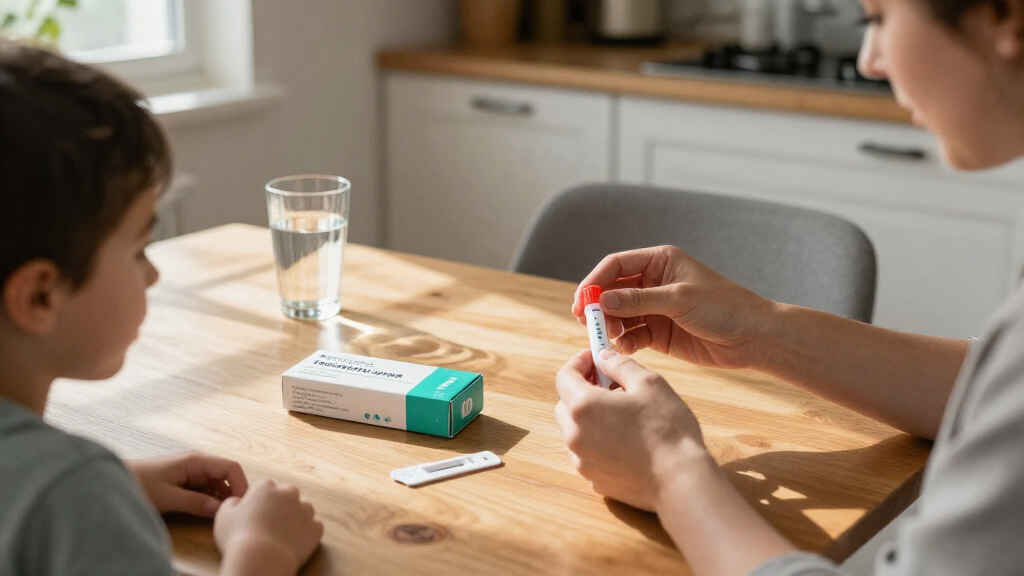
The best DNA test kit for genealogy overall is AncestryDNA, thanks to its emphasis on relative matching and its connection to family-history research tools. MyHeritage DNA is a strong alternative for people researching family connections across countries, while Family Finder suits those who want a genealogy-focused test without health reports. The main tradeoff is between a larger, more useful matching network and extras such as traits, health information, or a bundled research membership. A specialized maternal-line test can answer a narrower ancestry question, but it is not a substitute for an autosomal test when you want matches across your family tree. Read on for how all 11 options compare and which one fits your research goal.

Prime made for students and young adults
- Fast, free delivery for dorm and study essentials
- Prime Video and Amazon Music included
- Member-only deals
Key Takeaways
- AncestryDNA is the strongest all-around genealogy choice in this group because its relative-matching focus and family-history ecosystem directly support building and extending a family tree.
- MyHeritage DNA stands out for cross-border family research, while its value depends on whether its matching tools and geographic reach fit the regions you are investigating.
- Bundled memberships add research access, not a different kind of DNA evidence; compare the included term and the tools you will use before choosing an AncestryDNA or 23andMe bundle.
- Traits and health features are secondary to genealogy performance for most family historians, so the 23andMe Health + Ancestry and AncestryDNA + Traits kits make the most sense when those extras matter to you.
- Maternal-line testing answers a narrower question than autosomal testing; it can add detail about one direct maternal line but will not provide the broad range of cousin matches expected from general genealogy kits.
| 23andMe Health + Ancestry DNA Test Kit |  | Best for Ancestry Plus Health Reports | Test type: At-home saliva DNA test | Ancestry coverage: 5,000+ regions | Total reports: 100+ health, wellness, and ancestry reports | VIEW LATEST PRICE | See Our Full Breakdown |
| AncestryDNA Genetic Test Kit with Ethnicity Estimates and Relative Matching |  | Best for Finding DNA Relatives | Test type: Consumer DNA ancestry test | Sample type: Saliva | Activation: Online | VIEW LATEST PRICE | See Our Full Breakdown |
| AncestryDNA + Traits Genetic Test Kit |  | Best for Ancestry with Trait Reports | Test type: DNA ancestry and traits test | Genetic traits: 75+ | Ancestry coverage: 3,600+ places | VIEW LATEST PRICE | See Our Full Breakdown |
| AncestryDNA Genetic Test Kit with 3-Month World Explorer Membership |  | Best for Records-Based Family Research | Test type: DNA ancestry and relative-matching test | Regions covered: More than 4,800 | Included membership: 3-month World Explorer membership | VIEW LATEST PRICE | See Our Full Breakdown |
| 23andMe Premium Ancestry DNA Test Kit with 1-Year Membership |  | Best Premium Ancestry Toolkit | Ancestry coverage: 5,000+ geographic regions | Trait reports: 30+ | DNA relatives: Up to 5,000 | VIEW LATEST PRICE | See Our Full Breakdown |
| Family Finder Ancestry DNA Test Kit |  | Best for Comparing Shared DNA | Sample collection: Non-invasive cheek swab | Relative matching: Family Matching | DNA comparison tool: Chromosome Browser | VIEW LATEST PRICE | See Our Full Breakdown |
| MyHeritage DNA Test Kit for Ancestry, Ethnicity, and DNA Matching |  | Best for Worldwide Relative Matching | Test method: Cheek swab | Sample collection time: About 2 minutes | Ethnicity regions: 42, including 7 East Asian regions | VIEW LATEST PRICE | See Our Full Breakdown |
| At-Home DNA Ancestry Test Kit with Ethnicity Reports |  | Best for Interactive Regional Maps | Analysis coverage: Over 6,000 geographic regions | Sample collection: At-home cheek swab | Included swabs: 2 individually wrapped cheek swabs | VIEW LATEST PRICE | See Our Full Breakdown |
| At-Home Ancestry DNA Test Kit with Starter or Advanced Analysis |  | Best for Choosing Your Analysis Depth | Test type: Autosomal DNA ancestry analysis | Sample method: Cheek swabs | Test options: Starter or Advanced | VIEW LATEST PRICE | See Our Full Breakdown |
| Maternal Lineage Ancestry DNA Testing Kit |  | Best for Direct Maternal-Line Research | Test type: Mitochondrial DNA ancestry test | Ancestry traced: Direct maternal lineage | Sample method: Mouth swab | VIEW LATEST PRICE | See Our Full Breakdown |
| 23andMe Ancestry Service Personal DNA Test Kit |  | Best for Regional Ancestry Detail | Brand: 23andMe | Test type: At-home saliva DNA test | Ancestry coverage: More than 5,000 geographic regions | VIEW LATEST PRICE | See Our Full Breakdown |
| DNA test kits for genealogy | Test type |
|---|---|
| 23andMe Health + Ancestry DNA | At-home saliva DNA test |
| AncestryDNA Genetic Test Kit w | Consumer DNA ancestry test |
| AncestryDNA + Traits Genetic T | DNA ancestry and traits test |
| AncestryDNA Genetic Test Kit w | DNA ancestry and relative-matching test |
| 23andMe Premium Ancestry DNA T | — |
| Family Finder Ancestry DNA Tes | — |
| MyHeritage DNA Test Kit for An | — |
| At-Home DNA Ancestry Test Kit | — |
| At-Home Ancestry DNA Test Kit | Autosomal DNA ancestry analysis |
| Maternal Lineage Ancestry DNA | Mitochondrial DNA ancestry test |
| 23andMe Ancestry Service Perso | At-home saliva DNA test |
More Details on Our Top Picks
23andMe Health + Ancestry DNA Test Kit
23andMe Health + Ancestry is the broadest choice here for buyers who want genealogy results alongside health information. Its ancestry reports cover 5,000+ regions, and opt-in DNA-relative matching can help connect genetic results to living relatives. Compared with the ancestry-focused AncestryDNA Genetic Test Kit, this kit adds genetic health risk, carrier-status, and wellness reports, but it is less centered on family-history records and tree building. The at-home saliva collection and prepaid return box keep the process straightforward; results typically take 4 to 6 weeks. Buyers should be comfortable deciding whether to view potentially sensitive reports, and paternal haplogroup tracing requires a Y chromosome. Data sharing is opt-in, but this kit makes most sense when health reporting is a real part of the purchase.
Pros:- Combines ancestry, wellness, genetic health risk, and 45+ carrier-status reports.
- Ancestry coverage spans more than 5,000 regions.
- At-home saliva collection includes prepaid sample return.
- Data sharing features are opt-in.
Cons:- Health reports may include sensitive findings that users must choose whether to view.
- Paternal haplogroup tracing requires a Y chromosome.
- Results typically take 4 to 6 weeks.
Best for: Genealogy buyers who also want health-risk and carrier-status reports from the same saliva sample.
Not ideal for: People focused solely on building a documented family tree, or anyone who does not want health-related genetic information.
- Test type:At-home saliva DNA test
- Ancestry coverage:5,000+ regions
- Total reports:100+ health, wellness, and ancestry reports
- Genetic health risk reports:10+
- Carrier status reports:45+
- DNA relatives:Up to 1,500, opt-in
- Laboratory:CLIA-certified
- Estimated results time:4 to 6 weeks
- Subscription:Not required
Our verdict“Choose this kit if you want broad ancestry results plus health and carrier reports, rather than a genealogy-first toolkit.”
AncestryDNA Genetic Test Kit with Ethnicity Estimates and Relative Matching
For genealogy, AncestryDNA puts living-relative matching and family-side insights ahead of extra lifestyle or health reports. Its estimates span more than 4,800 places, and DNA matches can provide leads for extending a family tree. Compared with the 23andMe Health + Ancestry DNA Test Kit, it skips health reporting but keeps the emphasis on origins and relatives. Results arrive online in roughly six weeks after a saliva sample is returned in the prepaid package. Privacy controls let users manage genetic-data sharing. The key limitation is that a DNA match is a lead, not a documented relationship, and family-tree and historical-record access requires an Ancestry subscription. This is the more direct pick for people who want to start with matches, while the included membership in the World Explorer version suits buyers who also want records access right away.
Pros:- Reports ancestry across more than 4,800 places.
- Includes DNA matches and family-side results without requiring parents to test.
- Prepaid sample return and online results simplify the process.
- Customizable privacy controls manage genetic-information sharing.
Cons:- Results take roughly six weeks.
- Family-tree and historical-record access requires an Ancestry subscription.
Best for: Genealogy beginners who want regional origin estimates and a pool of potential DNA relatives to investigate.
Not ideal for: Buyers who want health reports included or expect family-tree and historical-record tools without a separate subscription.
- Test type:Consumer DNA ancestry test
- Sample type:Saliva
- Activation:Online
- Return shipping:Prepaid package
- Geographic coverage:Over 4,800 places
- Results:Origins, DNA matches, and available traits by family side
- Results delivery:Online in roughly six weeks
- Privacy features:Data encryption, secure databases, and customizable privacy settings
Our verdict“Pick this version for ancestry estimates and relative matching, but choose the World Explorer bundle if records access is part of your plan.”
AncestryDNA + Traits Genetic Test Kit
The AncestryDNA + Traits kit adds more than 75 genetic trait reports to ancestry origins and DNA matching. Those traits cover topics such as appearance, senses, performance, and nutrition, offering extra genetic context for curious households. Its geographic coverage reaches 3,600+ places, less than the 4,800+ places listed for the standard AncestryDNA Genetic Test Kit; buyers prioritizing the widest stated regional coverage may prefer that version. Both use saliva, prepaid return packaging, and online results in roughly six weeks. Family-side results do not require parents to test, which can help users sort inherited matches. The tradeoff is that the added trait content is not a substitute for historical records or family-tree research, and the kit still requires online activation. Choose it for a mix of genealogy and genetic curiosities, not as a records-focused upgrade.
Pros:- Includes more than 75 reports on genetic traits.
- Combines ancestry origins with DNA matches.
- Shows family-side results without requiring parents to test.
- Includes prepaid packaging for saliva sample return.
Cons:- Coverage is listed at 3,600+ places, below the 4,800+ places listed for the standard AncestryDNA kit.
- Results take roughly six weeks.
- Requires online kit activation and a saliva sample.
Best for: Ancestry researchers who want DNA matches and family-side origin results alongside reports about inherited traits.
Not ideal for: Buyers chiefly seeking the broadest listed regional coverage or a family-history records membership.
- Test type:DNA ancestry and traits test
- Genetic traits:75+
- Ancestry coverage:3,600+ places
- Sample type:Saliva
- Sample return:Prepaid package
- Estimated result time:Roughly six weeks
- Family-side results:Origins, DNA matches, and traits by each side of the family
Our verdict“Choose this AncestryDNA version if trait reports add appeal, but favor the standard kit for broader listed regional coverage.”
AncestryDNA Genetic Test Kit with 3-Month World Explorer Membership
This bundle makes a stronger case for genealogy researchers who want to move from DNA clues to documentary evidence. The test covers 4,800+ regions and can identify DNA relatives; the included 3-month World Explorer membership adds family-history records and tree-building tools, with database coverage across more than 80 countries and records extending back 500 years. Compared with the standard AncestryDNA Genetic Test Kit, the membership gives a defined window for exploring records rather than requiring buyers to add access separately. It is less focused on traits and health than the AncestryDNA + Traits and 23andMe options. Read the membership terms carefully: it must be redeemed during activation by the person activating the kit, and providing billing information may lead to an auto-renewing plan. Some inheritance and trait features also require upgrades or membership access.
Pros:- Covers more than 4,800 regions and can identify potential DNA relatives.
- Includes three months of World Explorer records and tree-building tools.
- Membership database covers more than 80 countries, with records extending back 500 years.
- Provides family-side inheritance information without requiring parents to test.
Cons:- The membership must be redeemed during activation by the person activating the kit.
- Providing valid billing information may lead to an auto-renewing membership plan.
- Some inheritance and trait features require membership, a DNA Traits kit, or a Traits upgrade.
Best for: Family historians ready to combine DNA matches with records searches and online family-tree building.
Not ideal for: Buyers who want a simple one-time ancestry test without a membership, billing details, or activation conditions to manage.
- Test type:DNA ancestry and relative-matching test
- Regions covered:More than 4,800
- Included membership:3-month World Explorer membership
- Membership database coverage:More than 80 countries; records extending back 500 years
- Family inheritance features:Origins, DNA matches, and traits by each side of the family without testing parents
- Privacy and security:Data encryption, secure databases, and sharing controls
- Membership activation:Redeemable during test activation by the person activating the kit
Our verdict“Choose this bundle if you will actively use the included records membership to turn DNA matches into family-history research.”
23andMe Premium Ancestry DNA Test Kit with 1-Year Membership
23andMe Premium Ancestry is the most feature-packed ancestry option in this group for buyers who want more than ethnicity estimates and a match list. It covers 5,000+ geographic regions and adds haplogroups, Neanderthal ancestry, genetic groups, parental inheritance insights, historical matches, and an automatically generated family tree. The service lists up to 5,000 DNA relatives, compared with up to 1,500 for the 23andMe Health + Ancestry kit, and includes a one-year membership. Against the AncestryDNA World Explorer bundle, this package leans more on genetic match and inheritance tools than on a stated records database. Saliva collection and prepaid return are convenient, but results take 4 to 6 weeks, and a valid payment method is required to register. Buyers should confirm membership terms before activating.
Pros:- Reports ancestry across more than 5,000 geographic regions.
- Includes parental inheritance insights, historical matches, and an automatically generated family tree.
- Lists DNA-relative matching for up to 5,000 people.
- At-home saliva collection uses no blood or needles and includes prepaid return shipping.
Cons:- A valid payment method is required to register the kit.
- Results take about 4 to 6 weeks.
- The one-year membership adds a service commitment that may not suit buyers seeking a standalone test.
Best for: Genealogy enthusiasts who want a large relative-matching pool, inheritance tools, and an included year of membership.
Not ideal for: Budget-conscious or privacy-cautious buyers who want a basic ancestry test without a membership or payment method requirement.
- Ancestry coverage:5,000+ geographic regions
- Trait reports:30+
- DNA relatives:Up to 5,000
- Membership:1 year
- Sample type:Saliva
- Collection method:At-home; no blood or needles
- Estimated results time:4 to 6 weeks
- Return shipping:Prepaid package
Our verdict“Choose this premium kit if you will use its larger relative pool and family tools, rather than wanting ancestry estimates alone.”
Family Finder Ancestry DNA Test Kit
Family matching and chromosome-level comparison give this kit a genealogy focus beyond a broad ethnicity estimate. Its Chromosome Browser helps you inspect DNA segments shared with genetic relatives, while the myOrigins Chromosome Painter displays ancestry estimates across genome segments. Compared with the MyHeritage DNA Test Kit, which emphasizes worldwide relative matching and a 42-region breakdown, Family Finder offers more specified tools for examining shared DNA and visualizing results at chromosome level. The kit also reports connections to several ancient European groups, including early farmers and Bronze-age metal invaders. That ancient component is limited to the named groups, so it is not a broad survey of ancient ancestry worldwide. A cheek swab and in-house laboratory make the process straightforward, though the prepaid return label is specified only for US residents.
Pros:- Family Matching and Chromosome Browser support relative discovery and shared-segment comparison.
- myOrigins Chromosome Painter visualizes ancestry estimates across genome segments.
- Includes estimates for several specified ancient European groups.
- Non-invasive cheek-swab collection is suitable for at-home sampling.
Cons:- Ancient ancestry reporting focuses on a limited set of European groups.
- Prepaid return shipping is specified for US residents only.
Best for: Genealogy researchers who want to compare shared DNA segments with genetic relatives and explore chromosome-based ancestry visuals.
Not ideal for: Buyers seeking wide-ranging ancient ancestry coverage or a confirmed prepaid return label outside the United States.
- Sample collection:Non-invasive cheek swab
- Relative matching:Family Matching
- DNA comparison tool:Chromosome Browser
- Ancestry visualization:myOrigins Chromosome Painter
- Ancient ancestry tool:ancientOrigins
- Ancient ancestry groups:Neolithic Hunter-Gatherers, Early Farmers, and Bronze-age Metal Invaders
- Sample return:Return envelope or prepaid label for US residents
- Processing:In-house laboratory
Our verdict“Choose Family Finder if comparing DNA segments with relatives matters more to your research than a broad regional ethnicity breakdown.”
MyHeritage DNA Test Kit for Ancestry, Ethnicity, and DNA Matching
Worldwide DNA matching is the main reason to choose this kit: it can help genealogy researchers look for relatives beyond a single country, while its ethnicity report covers 42 regions, including seven East Asian regions. The cheek-swab collection takes about two minutes, making the sample step simpler than a more specialized workflow such as the Maternal Lineage Ancestry DNA Testing Kit, which focuses only on one direct line. MyHeritage covers both maternal and paternal sides, so it suits people who want a broader starting point for family research. Its tradeoff is that the supplied details do not state how long results take, and, like other mail-in options such as Family Finder, it requires sending a sample to a lab. Choose it for its combination of global matching and regional coverage rather than chromosome-browser tools.
Pros:- Provides DNA matching to relatives worldwide.
- Ethnicity breakdown covers 42 regions, including seven East Asian regions.
- Reports ancestry across both maternal and paternal sides.
- Cheek-swab collection takes about two minutes.
Cons:- The product details do not specify a result delivery time.
- A sample must be mailed for laboratory testing.
- The listed features do not include a chromosome browser for shared-segment analysis.
Best for: Family historians seeking worldwide relative matches and an ethnicity estimate that includes multiple East Asian regions.
Not ideal for: Researchers who need a stated result timeline or want chromosome-segment comparison tools.
- Test method:Cheek swab
- Sample collection time:About 2 minutes
- Ethnicity regions:42, including 7 East Asian regions
- DNA matching:Worldwide matches to relatives
- Sides covered:Maternal and paternal
- Quantity:1 kit
Our verdict“Pick MyHeritage if international relative matching and its stated 42-region breakdown fit your genealogy goals.”
At-Home DNA Ancestry Test Kit with Ethnicity Reports
Interactive maps and regional lineage details make this kit a visually oriented choice for exploring ancestry online. Its stated coverage spans over 6,000 geographic regions, a figure that may appeal to buyers who want detailed regional context; by comparison, the MyHeritage DNA Test Kit specifies a 42-region ethnicity breakdown and worldwide relative matching. The kit includes two individually wrapped cheek swabs and two barcoded collection tubes, giving households a clearly organized sampling set. Results are digital and accessible on a smartphone, tablet, or desktop after lab testing is complete. That focus on maps and reports does not, in the provided details, include a relative-matching feature or chromosome comparison tool. Like Family Finder, it requires mailing samples, and the wait depends on lab processing rather than immediate access.
Pros:- Reports are described as covering over 6,000 geographic regions.
- Digital results include interactive maps and regional lineage details.
- Includes two individually wrapped swabs and two barcoded collection tubes.
- Reports can be viewed on a smartphone, tablet, or desktop.
Cons:- Samples must be mailed to a laboratory.
- Results are available only after lab testing is complete.
- The provided product details do not specify relative matching or chromosome comparison.
Best for: Genealogy beginners who prefer digital maps and regional lineage reports and want a kit with two organized sample sets.
Not ideal for: Researchers whose priority is finding genetic relatives or comparing shared DNA segments, since those tools are not listed.
- Analysis coverage:Over 6,000 geographic regions
- Sample collection:At-home cheek swab
- Included swabs:2 individually wrapped cheek swabs
- Collection tubes:2 barcoded sample collection tubes
- Kit guide:Quick-start guide
- Results format:Digital reports and interactive maps
- Device access:Smartphone, tablet, or desktop
- Workflow:Mail samples to a lab; results follow completed testing
Our verdict“Choose this kit for map-led regional exploration, but favor MyHeritage or Family Finder if relative matching is your main goal.”
At-Home Ancestry DNA Test Kit with Starter or Advanced Analysis
Starter and Advanced analysis options let buyers choose between a basic ancestry report and added migration-route detail. Starter includes ancestry percentages, comparison with modern populations, a certificate, and a multi-page report; Advanced adds percentages based on 40-plus gene pools, migration routes with dates and events, and a dynamic map. That menu is more explicit than the single analysis path described for the At-Home DNA Ancestry Test Kit with Ethnicity Reports, whose emphasis is interactive maps and regional lineage. The main tradeoff is unusual for this roundup: the lab fee is separate from the kit, so the buyer must select an option and account for its additional charge. Samples are mailed, and results are stated to arrive within a few weeks. This is a fit for people who value selectable report depth over a relative-matching feature, which is not listed here.
Pros:- Offers a choice between Starter and Advanced ancestry analysis.
- Advanced reports include migration routes, dates, events, and a dynamic online map.
- Starter includes ancestry percentages and comparison with modern populations.
- Results and reports are accessed through a secure online account.
Cons:- A separate lab fee applies, with different fees for Starter and Advanced.
- Samples must be mailed to the lab.
- The listed features do not include DNA relative matching.
Best for: Buyers who want to choose between a basic ancestry report and a more detailed analysis with migration routes and an interactive map.
Not ideal for: People who want one clearly bundled test process or prioritize DNA relative matching, which is not listed among the features.
- Test type:Autosomal DNA ancestry analysis
- Sample method:Cheek swabs
- Test options:Starter or Advanced
- Starter features:Ancestry percentages, comparison with modern populations, online certificate, and multi-page report
- Advanced features:Ethnic percentages based on 40+ gene pools, migration routes with dates and events, dynamic online map, and shareable report
- Lab fee:$39 for Starter; $99 for Advanced
- Kit contents:DNA collection cheek swabs
- Result access:Secure online account; stated within a few weeks
Our verdict“Select this kit if you want to choose your report depth and are comfortable paying a separate lab fee after registration.”
Maternal Lineage Ancestry DNA Testing Kit
Mitochondrial DNA haplogroup reporting sets this kit apart from the broader autosomal options in this roundup. It traces only the direct maternal line, so it can add a focused clue about the origins of a mother’s maternal ancestors, but it will not provide a general ancestry profile like MyHeritage or the Starter/Advanced kit. That narrow scope makes it a complement to broader genealogy testing rather than a substitute for relative matching or a whole-family ethnicity estimate. The package includes four sterile mouth swabs, instructions, forms, and a return envelope, giving the collection process a defined set of materials. The stated 6–7 week turnaround is useful for setting expectations, though this is not the quickest path to results. Choose it when the maternal line itself is your research question.
Pros:- Identifies a mitochondrial DNA haplogroup for direct maternal-line research.
- Uses an at-home mouth-swab collection method.
- Includes four sterile swabs, instructions, registration and consent forms, and a return envelope.
- States a 6–7 week result turnaround.
Cons:- Covers only direct maternal ancestry rather than a broad ancestry profile.
- Does not list relative matching or chromosome comparison tools.
- The stated result time is 6–7 weeks.
Best for: Genealogy researchers specifically tracing the direct maternal line who want a mitochondrial haplogroup result.
Not ideal for: Buyers looking for ancestry across both parental sides, broad ethnicity estimates, or general DNA-relative matching.
- Test type:Mitochondrial DNA ancestry test
- Ancestry traced:Direct maternal lineage
- Sample method:Mouth swab
- Results:Maternal haplogroup and ancestral origin information
- Stated turnaround time:6–7 weeks
- Swabs included:4 sterile mouth swabs
- Forms and instructions:Welcome letter, sample collection instructions, client registration form, and consent form
- Sample return:Return envelope
Our verdict“Choose this specialized kit when tracing your direct maternal line matters more than a broad ancestry report or relative matching.”
23andMe Ancestry Service Personal DNA Test Kit
23andMe Ancestry is a strong fit for genealogy shoppers who want a detailed regional estimate alongside optional relative matching. Its breakdown spans more than 5,000 geographic regions, while an ancestry timeline can add context to how those results may relate to family history. Compared with the AncestryDNA Genetic Test Kit with Ethnicity Estimates and Relative Matching, this kit also includes trait reports, maternal and paternal haplogroups, and Neanderthal ancestry, making it the broader choice for people curious about more than family connections alone.
The tradeoff is that extra reports do not replace documentary research, and the paternal haplogroup report requires a Y chromosome. Registration must be completed online before mailing the saliva sample, and results typically take 4 to 6 weeks. Choose it for regional and personal context; skip it if your priority is a family-history service built around records and relative matches.
Pros:- Ancestry composition covers more than 5,000 geographic regions.
- Optional DNA relative matching can identify potential family connections.
- Includes an ancestry timeline, trait reports, maternal and paternal haplogroups, and Neanderthal ancestry.
- At-home saliva collection avoids blood draws and needles.
Cons:- Paternal haplogroup reporting requires a Y chromosome.
- Online registration is required before the sample can be processed.
- Results typically take about 4 to 6 weeks.
Best for: Genealogy shoppers who want regional ancestry estimates, optional DNA relative matching, and added haplogroup and trait reports in one test.
Not ideal for: People focused mainly on building a family tree from historical records, or buyers who do not want to register the kit online before mailing a sample.
- Brand:23andMe
- Test type:At-home saliva DNA test
- Ancestry coverage:More than 5,000 geographic regions
- Trait reports:More than 30
- DNA relatives:Up to 1,500 matches
- Sample collection:Saliva; no blood or needles
- Results timeframe:About 4 to 6 weeks
- Kit capacity:One person
- Registration requirement:Register online before mailing the sample
Our verdict“Choose 23andMe Ancestry for detailed regional estimates and extra DNA reports, but pick a records-focused service if family-tree research is your main goal.”
How We Picked
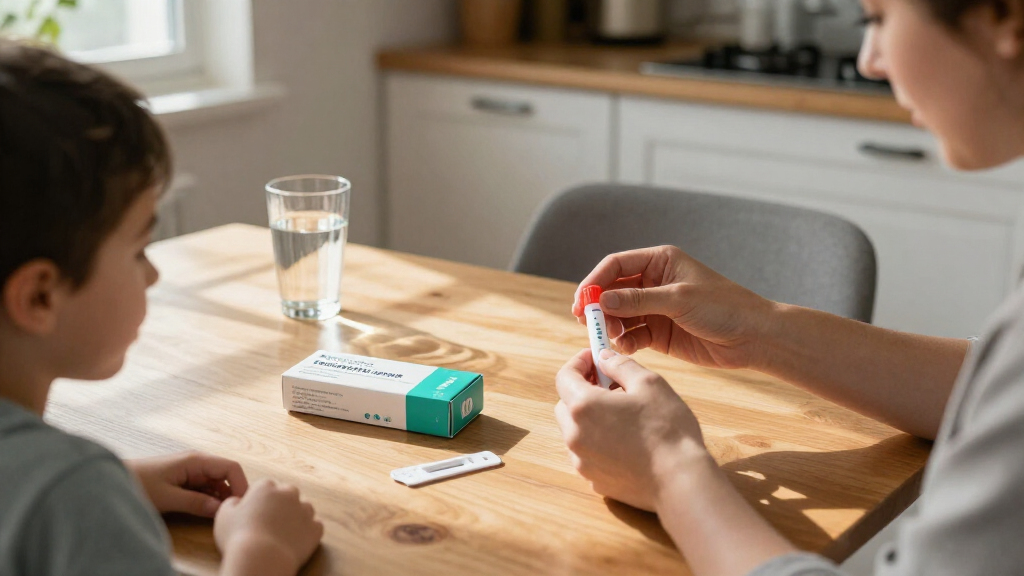
I ranked these DNA test kits for genealogy by how well their testing focus and available tools support family-history research: finding relatives, interpreting ancestry results, and using matches to investigate a tree. I also weighed usability, the clarity of the kit’s purpose, and whether bundled analysis or memberships add practical research value rather than just extra features.
Genealogy usefulness led the ranking, so broad relative matching and access to family-history tools count more than health or traits reports. That puts AncestryDNA’s standard kit first for most researchers, with MyHeritage and Family Finder serving distinct research needs. Premium bundles and multi-purpose kits rank lower when their extras do not improve family matching; single-lineage and less clearly differentiated kits suit narrower goals and should not be mistaken for broad autosomal testing. Availability and specific features can vary by region, so check the current kit details before ordering.
| DNA test kits for genealogy | Test type |
|---|---|
| 23andMe Health + Ancestry DNA | At-home saliva DNA test |
| AncestryDNA Genetic Test Kit w | Consumer DNA ancestry test |
| AncestryDNA + Traits Genetic T | DNA ancestry and traits test |
| AncestryDNA Genetic Test Kit w | DNA ancestry and relative-matching test |
| 23andMe Premium Ancestry DNA T | — |
| Family Finder Ancestry DNA Tes | — |
| MyHeritage DNA Test Kit for An | — |
| At-Home DNA Ancestry Test Kit | — |
| At-Home Ancestry DNA Test Kit | Autosomal DNA ancestry analysis |
| Maternal Lineage Ancestry DNA | Mitochondrial DNA ancestry test |
| 23andMe Ancestry Service Perso | At-home saliva DNA test |
Factors to Consider When Choosing DNA Test Kits For Genealogy
Before choosing a kit, decide what evidence you want it to add to your family research. A DNA result can point you toward relatives and ancestry patterns, but the useful outcome depends on the matches available, the records you can access, and how carefully you compare family trees.
Choose the kind of family question you want to answer
Start with a question, not a feature list: are you trying to identify an unknown parent, confirm a suspected relationship, find cousins, or learn about one ancestral line? Autosomal tests are the broad starting point for most family historians because they can produce matches from multiple branches of a family. A maternal-line test follows a narrower path and may help investigate a direct maternal lineage, but it will not replace broad cousin matching. A common mistake is buying a specialist test when the real goal is to find relatives across the whole tree. If your question concerns a specific branch, plan how you will connect a result to known relatives and records before ordering.
Treat the matching network as part of the test
A DNA match is useful only if it connects you with someone who has tested and shares enough information to support research. The size and geographic shape of a matching community can matter more than a polished ethnicity report, particularly for families whose recent history spans several countries. Ask which relatives are already using a service and where your family branches lived; testing with the same provider can make comparisons easier. Do not assume that a test with a broad reputation will have the strongest matches for every region or community. A second test can be helpful when one database has few relevant matches, but it is most worthwhile when you have a concrete research gap to address.
Separate ethnicity estimates from genealogical proof
Ethnicity estimates can suggest broad ancestral connections, but they are not a precise map of where every ancestor lived. Shared DNA and documented records are stronger tools for testing relationships; estimates may shift as companies update reference data and methods. Avoid treating a small regional percentage as proof of a particular ancestor or as a reason to rewrite a family tree. Compare results with known relatives when possible, since close family members can inherit different portions of their ancestors’ DNA. Use ethnicity reports as clues that guide research, then look for records and match evidence that support the story.
Check what a membership or analysis bundle actually adds
A bundled membership may provide access to records or research features, while a traits or health add-on changes the kind of reports you receive. Neither automatically makes the DNA match results more useful for genealogy. Before choosing a bundle, check how long access lasts, which features are included, and whether you can keep using your DNA results after the membership term ends. The common mistake is paying for extras without a plan to use records, health information, or trait reports. For a focused family-history project, a standard test plus selective access to records may be a better fit than a premium package.
Plan for privacy, consent, and family surprises
DNA testing can reveal unexpected relatives, mistaken family assumptions, or information about biological relationships. Read the provider’s current privacy and data controls before sending a sample, including settings for relative matching, research participation, and account deletion. If you are testing a parent or another relative, get their informed consent and explain that the results may affect more than one person. Consider whether you want matches to see your profile and how much identifying information to share. A kit is a long-term family decision as well as a research tool, so discuss boundaries before testing relatives.
Use a test strategy that fits your budget and family tree
For many projects, testing an older relative with strong knowledge of a particular branch can provide more useful clues than testing several younger relatives at once. Prioritize the person closest to the question, such as a parent or grandparent connected to the line you are investigating. If that person is unavailable, test yourself and document known relatives carefully so you can sort matches later. More than one provider may broaden your matching options, but different services can have separate databases and tools. Start with one test aligned to your main goal, then add another only when the first result leaves a specific unanswered question.
Frequently Asked Questions
Which DNA test kit is the best starting point for building a family tree?
For most people building a tree, I would start with an autosomal kit that emphasizes relative matching and offers tools or records that support follow-up research. In this roundup, AncestryDNA is the clearest general-purpose pick for that approach. Before ordering, check whether close relatives have already tested elsewhere, since their existing results may make another service more useful. Keep in mind that a test does not build a reliable tree by itself; you still need to compare matches with records and documented relationships.
Should I choose AncestryDNA or MyHeritage DNA for relatives in another country?
There is no single winner for every international family, because useful matches depend on who has tested and where your relatives live. MyHeritage DNA is a notable option for cross-border research, while AncestryDNA may be more helpful if its family-history tools and matching community already connect with your known relatives. Ask family members which services they use and identify the countries or regions you are researching. If your first test produces few relevant matches, another provider may add a separate pool of potential relatives, but it cannot guarantee a match.
Is a kit with health or traits reports better for genealogy?
Not by itself. Health and traits reports add information beyond family matching, but they do not necessarily improve your ability to identify cousins or document a family connection. If genealogy is your main aim, give more weight to matching features, the relevant user community, and research tools. Choose a multi-purpose kit when you also want its non-genealogy reports and are comfortable reviewing the privacy terms that apply to them. Otherwise, a genealogy-focused option may better match your goal.
Can a maternal-line test replace an ancestry DNA kit?
No, not if you want broad relative matching across your family tree. A maternal-line test follows a specific direct maternal path, so it can address a focused question about that lineage but leaves many other branches outside its scope. An autosomal kit is generally the more useful first purchase for finding relatives across multiple sides of your family. If you already have broad results and want to investigate one direct maternal line, a specialist test may add a different kind of evidence. Check the test’s stated scope so you do not expect it to answer questions it was not designed to address.
Should I test myself or an older relative first?
If an older relative is willing and their results relate directly to the branch you are researching, testing them first can make the evidence easier to interpret. They may carry DNA from ancestors that you did not inherit, which can help reveal matches tied to their side of the family. Your own test is still a sound starting point when relatives are unavailable or when you want to research your full family background. Get consent before testing someone else and talk through the possibility of unexpected findings. Keep a record of known relationships so you can sort matches responsibly.
Conclusion
For most family historians, AncestryDNA is my best overall recommendation because it centers the job of finding relatives and connecting results to family research. My best value pick is the standard AncestryDNA kit when you want a focused genealogy test without paying for extras you will not use; MyHeritage DNA is my pick for researchers whose family connections cross borders. For a premium, multi-purpose option, consider 23andMe Health + Ancestry or the 23andMe Premium kit only if its additional reports and membership suit your needs. Beginners should start with a straightforward autosomal test and a clear family question, while researchers following one direct maternal line should look at the Maternal Lineage kit as a supplement, not a replacement. Choose the kit whose matching community and tools fit your family’s geography and research plan.
Evergreen bestsellers Picks

Vitamix 5200 Blender with 64 oz. Container, Black

Ninja CREAMi 7-in-1 Ice Cream Maker, NC301

De'Longhi Classic Signature Espresso Machine with Adjustable Milk Frother
As an affiliate, we earn on qualifying purchases.