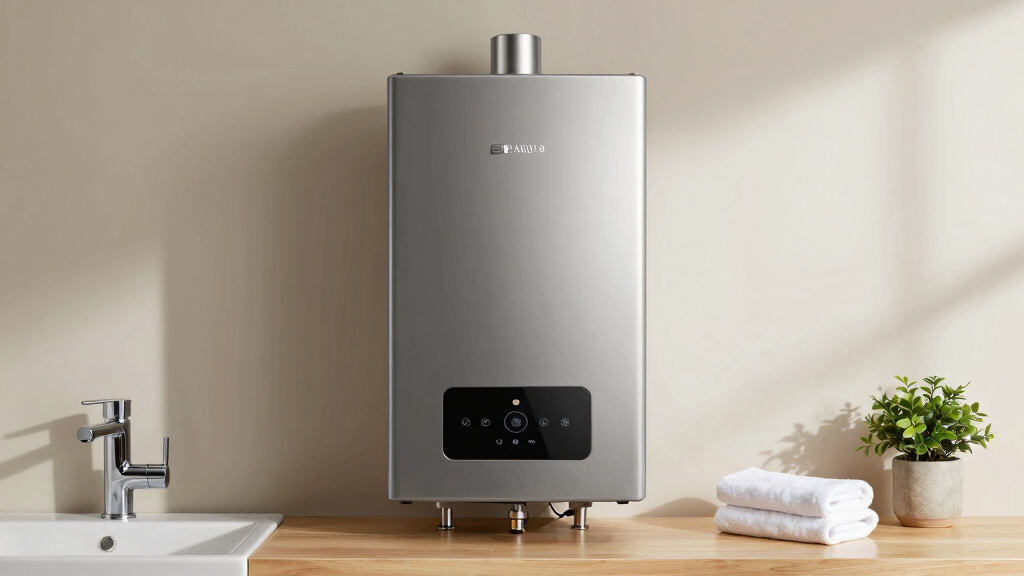

Searching for the best tankless electric water heaters in 2026? The top pick, the Stiebel Eltron Tempra 29 Plus, offers impressive power and reliability for larger households. The EcoSmart ECO 11 provides excellent value for small homes or apartments, while the Midea Wi-Fi Tankless Heater stands out for smart control features. Buyers often face tradeoffs between size, power, and price, making it crucial to choose based on your household’s hot water demands and budget. Keep reading for a detailed breakdown of these options and how they compare across key criteria.
Key Takeaways
- Top picks vary significantly in power, with larger households needing higher kW ratings for consistent hot water.
- Smart features like Wi-Fi are available but often come with a higher price and added complexity.
- Energy efficiency is a key factor; models with better power-to-output ratios tend to save more on electricity bills.
- Installation complexity and space requirements vary, so compact models are ideal for small spaces while higher-capacity units suit bigger homes.
- Price ranges are broad; understanding your actual hot water needs helps avoid overpaying for unnecessary capacity.


More Details on Our Top Picks
Rheem 18kW 240V Tankless Electric Water Heater, Gray
This Rheem model stands out for its combination of power and simplicity, providing a reliable supply of hot water ideal for small homes or point-of-use setups. Its 18kW heating capacity and self-modulating technology make it highly energy-efficient, especially compared to lower wattage options like the Westinghouse APOLO-2.0, which may struggle with higher demand. The unit’s compact design and easy installation appeal to those with limited space or DIY skills, but its flow rate of 4.4 GPM limits larger households or simultaneous outlets. It requires a 240V supply, which could be a hurdle in some settings.
Pros:- Provides continuous hot water on demand
- Space-saving, compact design
- Energy-efficient with self-modulating technology
Cons:- Flow rate may be insufficient for larger households
- Requires 240V power supply
Best for: Homeowners needing a compact, energy-efficient solution for single-point or small-scale hot water needs
Not ideal for: Large families or homes requiring multiple simultaneous outlets, due to its limited flow rate
- Power Source:AC Power
- Wattage:18,000 watts
- Voltage:240 Volts
- Flow Rate:4.4 GPM
- Maximum Temperature:140°F
- Efficiency:99.8%
- Maximum Pressure:150 psi
- Mount Type:Wall
- Material:Stainless Steel
Bottom line: This model fits well for small households or single fixtures where space and energy savings are priorities.
Rheem RTEX-13 240V Residential Tankless Electric Water Heater, Gray
The Rheem RTEX-13 offers a practical balance of performance and affordability, making it a strong choice for single-point or small household applications. With a 13KW heat output and a flow rate up to 3.17 GPM, it’s slightly less powerful than the Rheem 18kW model but still delivers excellent efficiency at 99.8%. Its adjustable digital thermostat and durable copper heating elements make it user-friendly and easy to maintain, especially compared to the more advanced Wi-Fi features found in the Midea unit. However, its flow rate limits its use in larger households, and electrical requirements mean professional installation is necessary.
Pros:- High energy efficiency at 99.8%
- Adjustable digital thermostat with LED display
- Durable, field-serviceable copper heating elements
Cons:- Flow rate may be limiting for larger households
- Requires professional electrical installation
Best for: Singles or couples with small hot water demands, especially in budget-conscious setups
Not ideal for: Households with multiple fixtures running simultaneously or larger families, due to flow constraints
- Power Source:Electric
- Wattage:13 KW
- Voltage:240 Volts
- Flow Rate:up to 3.17 GPM
- Maximum Temperature:140°F
- Efficiency:99.8%
Bottom line: This heater is ideal for small households seeking reliable hot water without overspending.
14kW Electric Tankless Water Heater, On Demand Instant Hot Water, 240V, Max 3.38 GPM, Indoor Use, ETL Certified, Upgraded 2.0
This 14kW heater delivers reliable hot water for 2-3 fixtures, making it suitable for small to medium households or specific indoor applications. Its advanced safety features—like leakage and over-temperature protections—set it apart from basic models, while its high efficiency can cut electricity costs significantly. Compared to the Westinghouse APOLO-2.0, it offers similar flow but with more comprehensive safety protections and a slightly higher maximum flow rate. Nonetheless, it demands a dedicated 240V/60AMP circuit, which might require professional wiring. Its compact design makes it suitable for indoor use, but it isn’t meant for larger households or high-demand scenarios.
Pros:- Provides instant and endless hot water for multiple fixtures
- High efficiency reduces electricity costs
- Advanced safety protections and stable temperature control
Cons:- Requires dedicated 240V/60AMP circuit
- Installation may need professional wiring
Best for: Small families or apartment dwellers needing safe, reliable hot water for limited fixtures
Not ideal for: Large households or multiple simultaneous outlets due to flow limitations and installation complexity
- Power:14 kW
- Voltage:240V
- Flow Rate:3.38 GPM
- Temperature Range:86°F – 140°F
- Material:Metal
- Efficiency:High Efficiency
Bottom line: This unit suits small indoor spaces where safety and efficiency are key priorities.
Midea 18kW Electric Tankless Water Heater with Wi-Fi & Touch Control
The Midea 18kW model combines robust power with smart features, making it a compelling choice for tech-savvy users. Its 18kW capacity and self-modulating technology ensure energy savings while providing instant hot water for small to medium households. Compared to the Rheem 18kW, the Midea’s smart app control and touch interface add convenience, especially for remote adjustments. However, its higher power demand means professional installation and a dedicated circuit are necessary, and its capacity may still be limited for larger households. Its sleek design makes it ideal for those seeking modern features in a compact package, but not for heavy simultaneous use.
Pros:- Instant and endless hot water supply
- Smart app control for remote management
- Energy-efficient with self-modulating technology
Cons:- Requires 240V power and professional installation
- Limited capacity for large households
Best for: Homeowners who value remote control and smart home integration for small to medium hot water needs
Not ideal for: Large households requiring high flow rates or multiple simultaneous outlets
- Power:18kW
- Voltage:240V
- Control:Touch & Wi-Fi
- Display:LED
- Modes:Child Mode
Bottom line: Ideal for small households or tech enthusiasts seeking convenience and remote control features.
Westinghouse 14kW 240V Smart WiFi Tankless Water Heater Electric, Compatible with Alexa & Google Home, ETL Certified, IPX4, Gray – Upgrade (APOLO-2.0)
The Westinghouse APOLO-2.0 is tailored for users seeking simple remote control with voice command compatibility, fitting well into smart home setups. Its 14kW power and flow rate up to 3.38 GPM are comparable to the other 14kW options but with added convenience through WiFi and voice integration. Its IPX4 waterproof rating and ETL certification add to its durability and safety profile, making it suitable for various indoor applications. While its flow rate is adequate for small households, larger homes or multiple simultaneous fixtures may find it limiting. The installation requires specific breaker and wiring, which may necessitate professional help.
Pros:- Provides hot water for multiple points with smart control
- Compatible with Alexa and Google Home
- ETL certified and waterproof for safety and durability
Cons:- Flow rate may be limiting for larger households
- Installation requires specific wiring and breaker setup
Best for: Smart home owners or renters needing remote control of hot water for small to medium spaces
Not ideal for: Large households or environments where high flow rates are essential, due to flow limitations
- Power:14kW
- Voltage:240V
- Flow Rate:up to 3.38 GPM
- Activation Flow:0.5 GPM
- Certifications:ETL
- Waterproof Rating:IPX4
Bottom line: This heater is well-suited for users wanting integrated smart controls in small to medium settings.
EcoSmart ECO 11 Electric Tankless Water Heater, 13KW at 240 Volts
The EcoSmart ECO 11 stands out as a highly efficient, space-saving option ideal for small-scale applications like individual sinks or bathrooms. Compared with larger models like the Stiebel Eltron Tempra 29 Plus, it offers lower power and flow rate, making it unsuitable for whole-house use but perfect for localized needs. Its 99% thermal efficiency means minimal energy waste, but the limited flow rate (up to 3.1 GPM) restricts it to small fixtures or low-demand scenarios. Proper sizing is critical, especially since inlet water temperature can significantly impact performance, and installation may require electrical work upgrades. Its compact size (11.5 x 8 x 3.75 inches) allows easy placement in tight spaces, but it’s not ideal if you need hot water for multiple outlets simultaneously.
Pros:- Space-saving compact design perfect for tight spaces
- High thermal efficiency reduces energy costs
- Provides continuous on-demand hot water without storage
Cons:- Limited flow rate restricts use to small fixtures or low demand
- Installation may require electrical upgrades due to high amperage
Best for: Single-sink or small bathroom applications where space and efficiency matter most
Not ideal for: Whole-house heating or high-demand scenarios, as flow rate and power are limited
- Power:13 kW
- Voltage:240 V
- Amperage:54 A
- Dimensions:11.5 x 8 x 3.75 inches
- Flow Rate:1.3 to 3.1 GPM
- Efficiency:99%
Bottom line: This pick is ideal for individuals seeking a highly efficient, space-efficient heater for single fixtures or small-scale use.
Stiebel Eltron Tempra 29 Plus Tankless Electric Water Heater – 28.8kW, On Demand Hot Water, White
The Stiebel Eltron Tempra 29 Plus offers a significant upgrade in power and capacity, making it suitable for larger households or multiple fixtures running simultaneously. Its 28,800-watt power and 3 GPM flow rate provide reliable hot water for several outlets, standing out against smaller models like the EcoSmart ECO 11. Self-modulating technology maintains consistent temperatures, reducing energy waste and enhancing comfort. Its modern, wall-mounted design simplifies installation, and the absence of venting requirements saves space. However, its higher initial cost and the need for dedicated electrical circuits mean it’s a bigger investment upfront. This model is most effective where high demand exists, but in colder climates, the flow rate might decrease due to inlet water temperature, limiting its effectiveness for large households in such regions.
Pros:- Provides consistent hot water for multiple fixtures
- Space-saving, ventless wall-mounted design
- Energy-efficient with self-modulating technology
- Features modern controls like LED display and presets
Cons:- Requires dedicated electrical wiring and circuit breakers
- Higher upfront cost and electrical upgrade expenses
- Less suitable for very cold climates where inlet water is colder
Best for: Families or small businesses needing multiple hot water outlets simultaneously
Not ideal for: Rental units or small apartments with limited electrical capacity, due to higher power requirements
- Power Source:Hard-wired 240V or 208V
- Wattage:28,800 Watts
- Voltage:240 Volts
- Flow Rate:3 GPM
- Maximum Pressure:150 PSI
- Efficiency:High Efficiency
- Special Features:LED display, two temperature memory presets
Bottom line: This model is perfect for households or small commercial settings that need reliable, simultaneous hot water without taking up much space.

How We Picked
These products were selected based on a combination of power output, energy efficiency, build quality, smart features, and user ratings. Priority was given to models that balanced performance with ease of installation and maintenance. The ranking reflects how well each heater meets typical household demands, considering both initial cost and long-term value. We also evaluated customer feedback and reliability reports to identify models with proven durability and consistent performance in real-world conditions.Factors to Consider When Choosing Best Tankless Electric Water Heaters
Choosing the right tankless electric water heater depends on several key factors. Understanding your household’s hot water demand, energy efficiency, and available space will help you select a model that balances performance and cost. It’s also important to consider installation complexity and compatibility with your existing electrical system to avoid surprises down the line. Here are the main elements to keep in mind:Capacity and Power Output
Matching the heater’s capacity with your household’s hot water needs is essential. Higher kW ratings generally mean higher flow rates, suitable for larger families or homes with multiple bathrooms. However, more powerful units often cost more upfront and require a robust electrical connection. Smaller households or apartments can often get by with lower wattage models, which are more affordable and easier to install.
Energy Efficiency and Operating Costs
Energy efficiency impacts your ongoing electricity bills and environmental footprint. Look for models with features like advanced flow sensors or modulating power that adjust output based on demand, reducing unnecessary energy use. Sometimes, paying a bit more initially for a high-efficiency model results in significant savings over time, especially if your hot water needs are consistent.
Installation and Space Requirements
Some units are compact and designed for easy wall mounting in small spaces, while others require dedicated electrical circuits or even professional wiring upgrades. Before purchasing, verify your electrical system’s capacity and whether a dedicated circuit is needed. A model that’s too large for your space can be cumbersome, but undersized units won’t meet your household’s demand.
Smart Features and Connectivity
Smart controls, like Wi-Fi connectivity, add convenience and allow remote operation or monitoring. They can be helpful for scheduling or troubleshooting but often come at a premium price. If you prefer simple, reliable operation without added complexity, a basic model might be more suitable. Consider whether the smart features are worth the extra cost for your lifestyle.
Price and Long-Term Value
Initial cost varies widely among models, but it’s important to weigh this against long-term savings and durability. Cheaper units may save money upfront but could require more maintenance or have shorter lifespans. Conversely, investing in a higher-quality unit can pay off through better performance, lower operating costs, and fewer repairs over years of use.
Frequently Asked Questions
Will a tankless electric water heater be able to supply hot water for a large household?
For larger households, selecting a unit with a higher kW rating—typically above 18kW—is advisable to ensure sufficient flow rates. It’s essential to match the heater’s capacity with your household’s peak demand. Multiple high-capacity units can also be installed if a single unit can’t meet your needs, but this increases installation complexity and cost. Always calculate your total hot water requirement before choosing a model to avoid shortfalls during peak usage.
Are smart features worth paying extra for in a tankless electric water heater?
Smart features add convenience, allowing remote control, scheduling, and monitoring through apps. They can be especially useful if you want to optimize energy use or troubleshoot issues without professional help. However, these features often come with a higher price and may introduce complexity that some users find unnecessary. If you prefer straightforward operation and lower upfront costs, a basic model without smart capabilities might be the better choice.
How difficult is installation for these models, and can I do it myself?
Installation complexity varies based on the model’s size, wattage, and your home’s electrical setup. Many units require a dedicated circuit and proper wiring, which can be challenging for DIYers without electrical expertise. In most cases, professional installation is recommended to ensure safety and compliance with local codes. Carefully review the installation requirements before purchasing to avoid surprises or potential hazards.
What should I do if my household has fluctuating hot water needs?
For households with variable demand, a unit with modulating power or multiple smaller units may provide more consistent hot water. These models adjust output based on flow, preventing sudden drops in temperature. Alternatively, combining a tankless heater with a small storage tank can help manage peak demands more effectively. Always consider your maximum usage scenarios when selecting your heater.
Is it worth investing in a higher-wattage model if I have limited electrical capacity?
Higher wattage models deliver more hot water but often require significant electrical upgrades, which can be costly and disruptive. If your electrical system can’t handle the load, opting for a lower-wattage unit designed for smaller systems is smarter. In some cases, a professional assessment can reveal whether an upgrade is feasible or if a different type of water heater better suits your electrical constraints.
Conclusion
For most households, the Stiebel Eltron Tempra 29 Plus offers the best overall performance, combining power, reliability, and advanced features. The EcoSmart ECO 11 provides excellent value for smaller homes or budget-conscious buyers. Those seeking a premium experience with smart controls might prefer the Midea Wi-Fi Tankless Heater. Beginners or those with limited electrical capacity should look for models with lower wattage and simpler installation. Ultimately, choosing the right heater depends on your household size, budget, and whether you prioritize smart features or straightforward reliability.