
TL;DR
The FAO has confirmed that the upcoming El Niño will cause significant drought in certain regions, risking food security. Authorities are preparing for these impacts based on current forecasts.
The Food and Agriculture Organization (FAO) has confirmed that the upcoming El Niño event will lead to significant drought conditions in several vulnerable regions worldwide, posing risks to food security and water availability. This forecast is based on current climate models and monitoring data, making it a critical alert for governments and aid agencies.
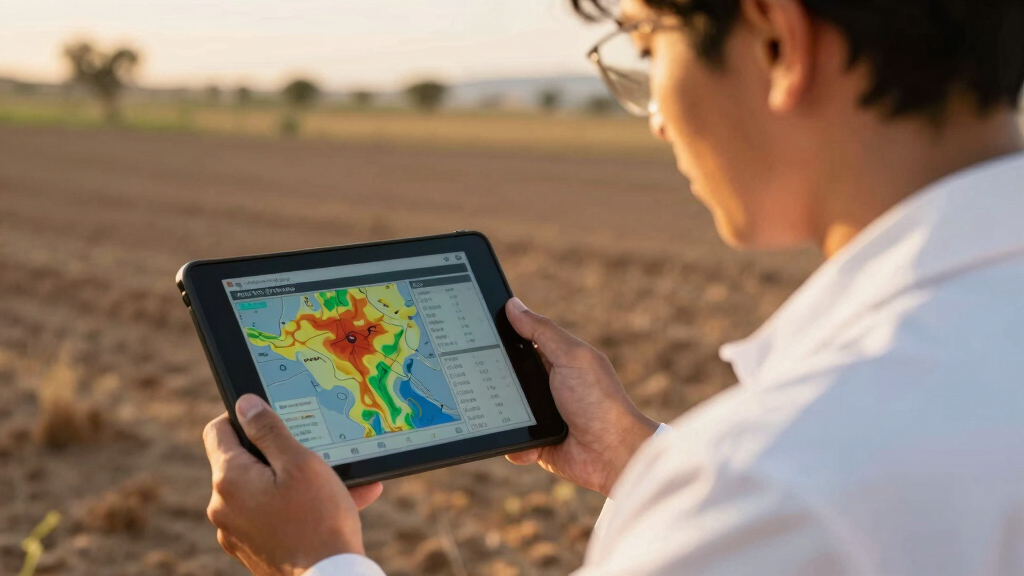
The FAO’s latest climate assessment indicates that El Niño is likely to intensify over the coming months, with the strongest impacts expected in parts of Africa, South America, and Asia. The organization has identified specific areas, including eastern Africa, the southern Amazon basin, and Southeast Asia, as being most susceptible to drought conditions. These regions already face challenges related to water scarcity and agricultural productivity, which could be exacerbated by the forecasted dry spells.
According to the FAO, the drought risks are linked to El Niño’s typical influence on weather patterns, including reduced rainfall and higher temperatures. The organization emphasizes that these conditions could lead to crop failures, water shortages, and increased food insecurity, especially in regions heavily dependent on rain-fed agriculture. The FAO is working with national governments and international partners to monitor evolving conditions and prepare response strategies.
Impacts on Global Food Security and Water Resources
The forecasted droughts driven by El Niño could significantly threaten global and regional food security, especially in countries with limited water resources and agricultural resilience. Reduced crop yields may lead to higher food prices and increased hunger, particularly in vulnerable populations. The drought could also strain water supplies, affecting both rural communities and urban centers, and complicate efforts to manage water resources during the upcoming dry season.
Experts warn that these impacts could have ripple effects on economies, nutrition, and social stability in affected regions. The FAO’s identification of high-risk areas underscores the need for proactive measures to mitigate the adverse effects and bolster resilience against climate variability.
water storage containers for drought preparedness
As an affiliate, we earn on qualifying purchases.
As an affiliate, we earn on qualifying purchases.
El Niño’s Historical Impact on Drought and Agriculture
El Niño, a climate phenomenon characterized by warming ocean temperatures in the Pacific, has historically been associated with droughts, floods, and extreme weather events worldwide. Its impacts on rainfall patterns often lead to prolonged dry seasons in some regions and excessive rainfall in others. Past El Niño events, such as those in 2015-2016, have caused widespread droughts in parts of Africa and South America, resulting in crop failures and food crises.
The FAO has closely monitored recent climate models predicting the development of El Niño, which is expected to peak over the next few months. The organization’s previous forecasts have successfully identified vulnerable regions, enabling early preparedness efforts. This current forecast aligns with historical patterns but emphasizes the severity and specific areas at risk this time.
“The regions identified by the FAO as most at risk are consistent with historical impacts of El Niño, but each event varies in severity and reach.”
— Climate Scientist Dr. Luis Garcia
solar-powered water pumps for rural areas
As an affiliate, we earn on qualifying purchases.
As an affiliate, we earn on qualifying purchases.
Forecast Precision and Regional Variability of Drought Impact
While the FAO’s forecasts are based on current climate models, the precise severity and geographic extent of drought impacts remain uncertain. Variability in local weather patterns, climate change effects, and the timing of El Niño’s peak introduce elements of unpredictability. It is not yet clear how individual countries will be affected or how effective their preparedness measures will be in mitigating the impacts.
rainwater harvesting systems for drought zones
As an affiliate, we earn on qualifying purchases.
As an affiliate, we earn on qualifying purchases.
Monitoring, Preparedness, and International Response Planning
The FAO and partner agencies will continue to monitor climate developments closely over the coming weeks. Governments in vulnerable regions are advised to activate drought preparedness plans, strengthen water management, and support farmers in adapting to changing conditions. International aid organizations are also expected to mobilize resources to assist regions most at risk. Further updates and detailed regional assessments are anticipated as El Niño progresses.
As an affiliate, we earn on qualifying purchases.
Key Questions
How will El Niño specifically affect agriculture in vulnerable regions?
El Niño is expected to reduce rainfall and increase temperatures, leading to drought conditions that can cause crop failures and reduce water availability for irrigation and livestock.
Which regions are most at risk from the upcoming droughts?
The FAO has identified eastern Africa, the southern Amazon basin, and Southeast Asia as the most vulnerable regions to drought caused by El Niño.
What can governments do to prepare for these droughts?
Authorities are advised to activate drought response plans, improve water conservation measures, support farmers with drought-resistant crops, and coordinate with international agencies for aid and resources.
When is the peak of the El Niño event expected?
Climate models suggest El Niño will peak over the next few months, with impacts potentially extending into late 2024.
How reliable are the current forecasts?
The FAO’s forecasts are based on the latest climate models, but regional impacts can vary, and some uncertainty remains regarding the severity and specific locations affected.
Source: google-trends