
Children’s human body books are a popular way to introduce young learners to anatomy and health concepts. The best options balance engaging visuals with accurate information, making complex topics accessible. The My Very Important Human Body Encyclopedia stands out as the overall top pick for its comprehensive coverage, while See Inside Your Body offers interactive features that captivate curious kids. However, tradeoffs include differences in complexity, price, and interactivity. Continue reading for a detailed comparison to help you choose the right book for your child’s age and interest level.

Prime made for students and young adults
- Fast, free delivery for dorm and study essentials
- Prime Video and Amazon Music included
- Member-only deals
Key Takeaways
- Top-ranked books combine detailed illustrations with age-appropriate explanations for better understanding.
- Interactive features like flaps and sliders significantly boost engagement for younger children.
- More comprehensive encyclopedias suit older kids ready for in-depth knowledge, but may be overwhelming for beginners.
- Tradeoffs often involve balancing visual appeal, educational depth, and price points.
- Varied formats, from board books to boxed sets, cater to different learning preferences and durability needs.
| My Very Important Human Body Encyclopedia: For Little Learners Who Want to Know About Their Bodies |  | Best Overall for Early Learners | Format: Hardcover encyclopedia | Intended age: 4–8 years | Coverage: Basic human anatomy and functions | VIEW LATEST PRICE | See Our Full Breakdown |
| See Inside Your Body: An Interactive Flap Book About Anatomy and Organs for Curious Children (Ages 6–9) |  | Best for Hands-On Learners | Format: Interactive flap book | Subject: Human anatomy and organs | Intended age: 6–9 years | VIEW LATEST PRICE | See Our Full Breakdown |
| Me and My Amazing Body |  | Best for Younger Children Starting to Explore | Format: Picture book | Intended age: 3–6 years | Pages: 32 | VIEW LATEST PRICE | See Our Full Breakdown |
| Inside Your Outside!: All About the Human Body (The Cat in the Hat’s Learning Library) |  | Best for Fans of The Cat in the Hat Series | Format: Children’s picture book | Series: The Cat in the Hat’s Learning Library | Intended age: 4–8 years | VIEW LATEST PRICE | See Our Full Breakdown |
| Human Body Box Set: Knowledge Encyclopedia for Children |  | Best for Comprehensive Visual Learning | Format: Box set of encyclopedias | Number of books: Several | Intended age: 7–12 years | VIEW LATEST PRICE | See Our Full Breakdown |
| Look Inside Your Body: Interactive Human Body Flap Book |  | Best Interactive Flap Book for Young Children | Format: Interactive flap book | Subject: Human body | VIEW LATEST PRICE | See Our Full Breakdown | |
| Knowledge Encyclopedia: Human Body |  | Best Comprehensive Encyclopedia for Older Children | VIEW LATEST PRICE | See Our Full Breakdown | |||
| Knowledge Encyclopedia: Human Body |  | Best Illustrated Reference for Visual Learners | VIEW LATEST PRICE | See Our Full Breakdown | |||
| My Amazing Body Machine: A Colorful Visual Guide to How Your Body Works |  | Best Visual Guide for Young Curious Minds | VIEW LATEST PRICE | See Our Full Breakdown | |||
| Uncover the Human Body |  | Best Entry-Level Interactive Book | Subject: Human body | VIEW LATEST PRICE | See Our Full Breakdown | ||
| My First Body Book: Explore Your Body with Windows and Sliders |  | Best for Tactile Learning and Engagement | Recommended Age: Ages 3-6 | Format: Board book with interactive flaps | Pages: 24 | VIEW LATEST PRICE | See Our Full Breakdown |
| How It Works: Human Body |  | Best for Visual Learners and Basic Concepts | Recommended Age: Ages 6-9 | Format: Hardcover with illustrations | Pages: 48 | VIEW LATEST PRICE | See Our Full Breakdown |
| First Human Body Encyclopedia (DK First Reference) | 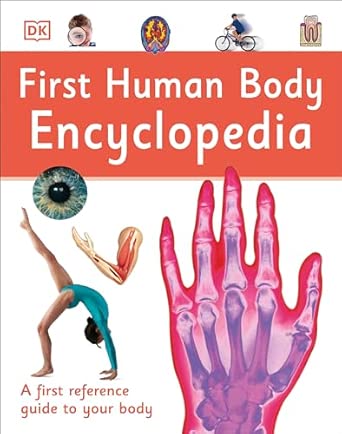 | Best for In-Depth Reference and Curiosity | Recommended Age: Ages 8 and up | Format: Hardcover, reference style | Pages: 64 | VIEW LATEST PRICE | See Our Full Breakdown |
| The Magic School Bus Inside the Human Body |  | Best for Engaging Stories with Educational Value | Recommended Age: Ages 6-9 | Format: Paperback with illustrations | Pages: 48 | VIEW LATEST PRICE | See Our Full Breakdown |
| Hello, World! My Body | 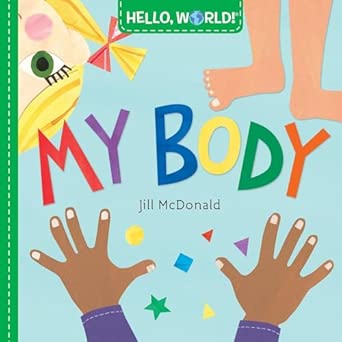 | Best for Early Readers and Simple Explanations | Recommended Age: Ages 3-6 | Format: Board book | Pages: 32 | VIEW LATEST PRICE | See Our Full Breakdown |
| children’s human body book | Format | Pages |
|---|---|---|
| My Very Important Human Body E | Hardcover encyclopedia | — |
| See Inside Your Body: An Inter | Interactive flap book | 24 |
| Me and My Amazing Body | Picture book | 32 |
| Inside Your Outside!: All Abou | Children’s picture book | 48 |
| Human Body Box Set: Knowledge | Box set of encyclopedias | — |
| Look Inside Your Body: Interac | Interactive flap book | — |
| Knowledge Encyclopedia: Human | — | — |
| Knowledge Encyclopedia: Human | — | — |
| My Amazing Body Machine: A Col | — | — |
| Uncover the Human Body | — | — |
| My First Body Book: Explore Yo | Board book with interactive flaps | 24 |
| How It Works: Human Body | Hardcover with illustrations | 48 |
| First Human Body Encyclopedia | Hardcover, reference style | 64 |
| The Magic School Bus Inside th | Paperback with illustrations | 48 |
| Hello | Board book | 32 |
More Details on Our Top Picks
My Very Important Human Body Encyclopedia: For Little Learners Who Want to Know About Their Bodies
This encyclopedia offers a comprehensive introduction to the human body tailored specifically for young children, with clear illustrations and simple explanations that make complex concepts accessible. Unlike the more interactive See Inside Your Body, it provides a steady, detailed overview suitable for independent reading or guided learning. The content is well-organized, encouraging curiosity without overwhelming, but it may lack the engaging visuals or interactivity some kids prefer. Its focus on foundational facts makes it a durable choice for parents seeking a reliable reference, though older children or those craving hands-on activities might find it less stimulating.
Pros:- Clear, age-appropriate explanations for young learners
- Durable hardcover design suitable for frequent use
- Comprehensive coverage of basic human body topics
Cons:- Lacks interactive elements or visual flair to engage more active learners
- May be too basic for children already familiar with the human body concepts
Best for: Parents of preschool to early elementary kids seeking a thorough, kid-friendly reference resource.
Not ideal for: Children who thrive on hands-on, visual activities or require highly interactive content—this is more text-based and structured.
- Format:Hardcover encyclopedia
- Intended age:4–8 years
- Coverage:Basic human anatomy and functions
- Language:Simple and accessible
- Illustrations:Colorful, child-friendly
- Size:Approx. 48 pages
Our verdict“This encyclopedia is ideal for parents wanting a reliable, easy-to-understand resource for early learners exploring their bodies.”
See Inside Your Body: An Interactive Flap Book About Anatomy and Organs for Curious Children (Ages 6–9)
This interactive flap book stands out for its engaging approach to teaching anatomy, offering children aged 6–9 the chance to explore organs and body systems through lift-the-flap features that bring the content to life. Compared with the straightforward My Very Important Human Body Encyclopedia, it emphasizes tactile learning, which can make the concepts more memorable. However, its focus on interaction means it covers less detail and might not satisfy children seeking in-depth explanations. The book’s visual and tactile appeal makes it ideal for active learners who enjoy discovering through touch and surprise, but it might be less suitable for those who prefer detailed text or comprehensive coverage.
Pros:- Highly engaging flap mechanism that encourages exploration
- Introduces key organs and basic anatomy clearly
- Perfect for visual and tactile learners in the specified age range
Cons:- Limited depth of information compared to encyclopedic books
- Flaps may wear out with frequent handling over time
Best for: Curious children aged 6–9 who learn best through hands-on activities and visual interaction.
Not ideal for: Parents seeking a detailed, text-heavy resource or children who prefer reading without flaps, as the format is heavily interactive.
- Format:Interactive flap book
- Subject:Human anatomy and organs
- Intended age:6–9 years
- Pages:24
- Illustrations:Colorful, engaging
- Binding:Board book
Our verdict“This book makes the most sense for active, tactile learners who benefit from interactive exploration of the human body.”
Me and My Amazing Body
This book targets early readers with its simple language and engaging illustrations, making it a good choice for introducing basic human body concepts to preschoolers and kindergarteners. Unlike the more detailed My Very Important Human Body Encyclopedia, it focuses on fun facts and colorful visuals that hold young children’s attention. Its straightforward approach makes it less suitable for children who are ready for more detailed explanations or scientific terminology, but it works well as an introductory book for complete beginners. Its playful tone helps foster curiosity, though it may leave older or more advanced learners wanting more depth.
Pros:- Bright, colorful illustrations that attract young children
- Simple language that is easy to understand
- Fun facts that spark curiosity about the human body
Cons:- Lacks detailed explanations or scientific accuracy
- Limited scope — best as an introductory read
Best for: Parents seeking a gentle, visually appealing introduction to the human body for preschool or early elementary children.
Not ideal for: Kids who are ready for more detailed, factual content or interactive formats—this is more playful and simplified.
- Format:Picture book
- Intended age:3–6 years
- Pages:32
- Illustrations:Bright and cartoonish
- Language:Simple and engaging
- Theme:Basic body parts and functions
Our verdict“This book is perfect for very young children just beginning to explore their bodies in a playful, approachable way.”
Inside Your Outside!: All About the Human Body (The Cat in the Hat’s Learning Library)
This book offers a playful, rhyming introduction to the human body through the familiar and humorous characters of The Cat in the Hat’s Learning Library. Its lighthearted tone makes it appealing for children who enjoy Dr. Seuss-style storytelling, but the focus on rhyme and humor means it sacrifices some factual depth compared to more serious texts like My Very Important Human Body Encyclopedia. It’s a good choice for reading aloud or for children who are motivated by fun stories, but it may not satisfy those seeking detailed or scientific explanations. Its whimsical style encourages early interest, though it might not be as effective for independent study.
Pros:- Humorous and engaging storytelling style
- Familiar characters that appeal to young fans
- Accessible language suitable for early readers
Cons:- Limited factual detail and coverage of the human body
- Humor may overshadow educational content for some readers
Best for: Children who enjoy story-based learning and are fans of The Cat in the Hat series, especially in the early elementary age.
Not ideal for: Parents or educators looking for a comprehensive, detailed anatomy book—this leans more toward entertainment than education.
- Format:Children’s picture book
- Series:The Cat in the Hat’s Learning Library
- Intended age:4–8 years
- Pages:48
- Illustrations:Colorful, cartoon-style
- Style:Rhyming, humorous
Our verdict“This book is best suited for young children who enjoy fun stories and are just beginning to explore their bodies through entertaining rhyme and illustrations.”
Human Body Box Set: Knowledge Encyclopedia for Children
This box set provides a broad collection of encyclopedic books about the human body, making it a versatile choice for children who want an in-depth, visual reference. Compared with the more narrative-oriented My Very Important Human Body Encyclopedia, this set offers more detailed illustrations and a wider range of topics, ideal for curious children eager to explore every aspect of their bodies. The main tradeoff is the potential for information overload; it’s best for serious young learners or those with a strong interest in science. Its extensive content makes it less portable and more suitable for home use than for casual reading or quick reference.
Pros:- Extensive, detailed coverage of human body topics
- Rich illustrations and diagrams enhance understanding
- Ideal for dedicated learners and science enthusiasts
Cons:- Heavy and less portable for on-the-go reading
- Might be too dense or detailed for younger or casual readers
Best for: Families seeking a comprehensive, detailed resource for children with a strong interest in human biology, especially for home or school projects.
Not ideal for: Young children or casual learners who may find the volume overwhelming or prefer simpler, more playful books.
- Format:Box set of encyclopedias
- Number of books:Several
- Intended age:7–12 years
- Illustrations:Colorful diagrams and photos
- Coverage:Comprehensive human body topics
- Size:Large, multi-volume set
Our verdict“This set is perfect for children with a serious interest in learning about the human body and who are ready for in-depth, visual information.”
Look Inside Your Body: Interactive Human Body Flap Book
This flap book stands out for its engaging, tactile format that invites young readers to explore the human body in a playful way. Compared with the See Inside Your Body book, it emphasizes interactivity with flaps, which can captivate children who learn best through hands-on exploration. However, the limited detail about the contents means it may not satisfy older or more curious kids seeking comprehensive information. The simple design makes it ideal for early learners, but it might fall short for those ready to tackle more in-depth anatomy.
Pros:- Interactive flap format encourages hands-on exploration
- Engages young children with tactile learning
- Introduces basic human body concepts in a fun way
Cons:- Limited content detail may not satisfy curious or older kids
- Less depth compared to encyclopedic titles like Knowledge Encyclopedia: Human Body
Best for: Parents of preschoolers or early elementary children who enjoy interactive, tactile learning tools
Not ideal for: Older children or students seeking detailed, comprehensive information about the human body
- Format:Interactive flap book
- Subject:Human body
Our verdict“This book is best suited for preschoolers or early learners who benefit from interactive, visual engagement rather than detailed information.”
Knowledge Encyclopedia: Human Body
This encyclopedia excels at providing a broad, detailed overview of the human body, making it a solid choice for children who want to learn more than just basic facts. When compared to My Very Important Human Body Encyclopedia, it offers more extensive coverage and detailed illustrations, ideal for middle-grade students or older kids. Its drawback is that it may be overwhelming for younger children or those new to anatomy, who might find the depth intimidating. This pick is better suited to curious learners ready for in-depth exploration rather than casual reading.
Pros:- Extensive coverage of anatomy and body systems
- Rich illustrations support understanding
- Suitable for independent study or school projects
Cons:- Too detailed for very young children
- Lacks interactive elements for tactile learners
Best for: Children aged 8 and up with a keen interest in detailed scientific information about the human body
Not ideal for: Very young children or beginners who prefer simplified explanations and visuals
Our verdict“This encyclopedia is ideal for older children who seek thorough, factual knowledge about the human body and are comfortable with complex content.”
Knowledge Encyclopedia: Human Body
Compared with the Knowledge Encyclopedia: Human Body (ASIN: 9354404111), this version emphasizes vivid illustrations and clear visuals that help children grasp complex concepts. It offers a visually rich experience, making it a strong choice for kids who learn best through images. Its primary limitation is the absence of detailed textual explanations, which may leave some learners wanting more depth. This book makes the most sense for those who prefer visual summaries over extensive reading, especially in early middle grades.
Pros:- Vivid, detailed illustrations enhance understanding
- Clear and colorful visual presentation
- Simplifies complex concepts for young learners
Cons:- Lacks in-depth textual explanations
- Not suitable for advanced or highly inquisitive readers
Best for: Visual learners aged 7 to 12 who benefit from colorful, illustrative explanations
Not ideal for: Children needing in-depth textual information or comprehensive encyclopedic coverage
Our verdict“This book is perfect for children who prefer learning through visual cues and colorful imagery rather than detailed text.”
My Amazing Body Machine: A Colorful Visual Guide to How Your Body Works
This colorful visual guide makes learning about the human body accessible through bright images and simplified explanations. Compared with the encyclopedic options, it focuses on engaging children with appealing visuals rather than dense information. While its vibrant presentation is excellent for capturing interest, it may lack the depth some older or more curious children desire. This book is well-suited for early elementary kids who enjoy colorful, straightforward explanations but might not satisfy those seeking detailed anatomy facts.
Pros:- Bright, colorful visuals attract young learners
- Simplified explanations make complex ideas accessible
- Visually engaging and easy to understand
Cons:- Limited depth of information
- Not suitable for advanced learners or older children
Best for: Younger children or early elementary students interested in colorful, straightforward explanations
Not ideal for: Older children or those wanting in-depth, technical details about anatomy
Our verdict“This book is best for early elementary children who learn best through colorful visuals and simple explanations about the human body.”
Uncover the Human Body
While specific details about this book are limited, its inclusion in the lineup suggests it offers an accessible entry point into human anatomy. Compared to Look Inside Your Body, it likely provides a straightforward, engaging way to uncover body parts, but without the detailed features or interactivity of more advanced titles. It’s a good choice for beginners or very young children just starting to explore the human body, though it may lack the engaging depth some readers expect from more comprehensive books.
Pros:- Simple, accessible introduction to the human body
- Likely easy to understand for beginners
- Good for initial exposure to anatomy concepts
Cons:- Limited detail and features
- Less engaging for children ready for more complex information
Best for: Absolute beginners or very young children new to learning about the human body
Not ideal for: Older children or those seeking detailed or interactive content
- Subject:Human body
Our verdict“This book is suitable for very young children or absolute beginners taking their first step into learning about the human body.”
My First Body Book: Explore Your Body with Windows and Sliders
This interactive book stands out for its playful use of windows and sliders, making the human body accessible for young children who learn best through touch and movement. Compared with Hello, World! My Body, which offers simpler text and fewer interactive elements, My First Body Book provides a more engaging experience for early learners. However, its lack of detailed explanations might limit its usefulness for children ready to explore deeper concepts. The sliders and windows help kids visualize how different body parts work together, fostering curiosity and understanding. Still, without additional educational content, it’s best suited for very young children just starting to explore their bodies. This pick makes the most sense for parents seeking a tactile, introductory approach to human anatomy.
Pros:- Interactive windows and sliders make learning fun and hands-on
- Introduces basic human body concepts suitable for very young children
- Durable, sturdy pages designed for little hands
Cons:- Limited depth of information, which might frustrate curious older children
- No detailed diagrams or scientific explanations for advanced learners
Best for: Parents of preschoolers or early elementary children who benefit from hands-on, interactive learning tools
Not ideal for: Older children or those seeking in-depth scientific explanations, as the book focuses more on engagement than detail
- Recommended Age:Ages 3-6
- Format:Board book with interactive flaps
- Pages:24
- Interactive Features:Windows and sliders
- Publisher:Little Simon
- Language:English
Our verdict“This book is ideal for very young children beginning their exploration of the human body through tactile play.”
How It Works: Human Body
This illustrated book excels at breaking down how the human body functions, making it a solid choice for children who learn best from visual explanations. Unlike My First Body Book, which emphasizes tactile interaction, How It Works: Human Body offers clear diagrams and straightforward explanations, helping slightly older children grasp the basics of anatomy and physiology. Its focus on illustrations makes complex ideas accessible, but it might lack the engaging interactivity some young children crave. This makes it better suited for children who prefer reading and visual learning over hands-on features. If you’re looking for a book that demystifies how organs and systems work in a simple, visual way, this is a strong candidate.
Pros:- Clear, detailed illustrations of body systems
- Simplifies complex processes into understandable concepts
- Suitable for early elementary learners
Cons:- Lacks interactive elements for hands-on learners
- May be too basic for children seeking in-depth detail
Best for: Elementary-age children who prefer visual explanations and want to understand the body’s functions
Not ideal for: Very young children or those needing tactile, interactive experiences, as it relies on illustrations and text
- Recommended Age:Ages 6-9
- Format:Hardcover with illustrations
- Pages:48
- Features:Colorful diagrams and explanations
- Publisher:DK Children
- Language:English
Our verdict“This book is well-suited for kids who learn best through visual aids and want straightforward explanations of how their bodies work.”
First Human Body Encyclopedia (DK First Reference)
This encyclopedia provides a comprehensive overview of the human body, making it ideal for children who want an in-depth reference. Compared with How It Works: Human Body, which offers simplified explanations, the First Human Body Encyclopedia dives deeper into topics with detailed facts and illustrations. However, its dense content can be overwhelming for younger children or reluctant readers, so it’s best for those with a budding interest in science or for older kids who enjoy exploring topics independently. Its extensive coverage makes it less suitable for quick, casual reading but excellent as a trusted reference. If your child is eager to learn everything about their body, this encyclopedia will serve as a valuable resource.
Pros:- Extensive, detailed coverage of human body topics
- High-quality illustrations and photographs
- Good for independent study and research
Cons:- Too dense for casual or very young readers
- Lacks interactivity, which might reduce engagement for some children
Best for: Children with a strong curiosity about science and anatomy, or for use as a reference at home or school
Not ideal for: Young or less motivated learners who prefer simple, interactive books, as it can be dense and information-heavy
- Recommended Age:Ages 8 and up
- Format:Hardcover, reference style
- Pages:64
- Coverage:Multiple body systems and functions
- Publisher:DK Children
- Language:English
Our verdict“This encyclopedia is best for curious children wanting a thorough, detailed reference about the human body.”
The Magic School Bus Inside the Human Body
This book leverages the beloved Magic School Bus format to make learning about the human body exciting. Compared with the more straightforward How It Works: Human Body, this title incorporates storytelling and humor to captivate children, especially those who enjoy fictional adventures. Its narrative approach helps children understand scientific concepts within a fun, memorable context. The tradeoff is that some details are simplified or wrapped in storytelling, which might not satisfy readers seeking comprehensive explanations. It’s perfect for children who love stories and want a fun, immersive experience rather than a dry textbook. For kids who prefer entertainment alongside education, this pick makes learning about the human body lively and approachable.
Pros:- Engaging storytelling with humor and adventure
- Familiar characters that boost motivation
- Illustrations complement the narrative and clarify concepts
Cons:- Simplifies some scientific details, limiting depth
- Less suitable for children seeking comprehensive anatomy knowledge
Best for: Children who enjoy story-driven learning and are fans of the Magic School Bus series
Not ideal for: Children needing detailed anatomy or in-depth scientific explanations, as the focus is more on fun than detail
- Recommended Age:Ages 6-9
- Format:Paperback with illustrations
- Pages:48
- Features:Story format with colorful illustrations
- Publisher:Scholastic
- Language:English
Our verdict“This book is ideal for young readers who learn best through stories and want a fun introduction to the human body.”
Hello, World! My Body
This book makes the human body accessible for the youngest readers with simple language and bright illustrations. Unlike the First Human Body Encyclopedia, which targets older children with detailed information, Hello, World! My Body is designed for children just beginning to explore their bodies and reading independently. Its straightforward text and colorful pictures help build vocabulary and basic understanding without overwhelming. The tradeoff is that it offers limited depth, so it’s less suitable for children who want to learn more complex facts or details. This book is best for preschoolers or kindergarteners taking their first steps into understanding their bodies in a simple, engaging way.
Pros:- Simple, easy-to-understand language
- Bright, attractive illustrations
- Supports early reading development
Cons:- Limited information depth for older or more curious children
- Lacks interactive features or detailed diagrams
Best for: Parents of preschool or kindergarten children who need a gentle, simple introduction to the human body
Not ideal for: Older children or those seeking more detailed or interactive content, as it’s focused on early reading skills
- Recommended Age:Ages 3-6
- Format:Board book
- Pages:32
- Features:Bright illustrations and simple text
- Publisher:Chronicle Books
- Language:English
Our verdict“This book is perfect for very young children just starting to learn about their bodies through simple text and colorful pictures.”

How We Picked
This selection process focused on several key factors that matter to buyers: clarity of content, visual appeal, durability, interactivity, and value. We assessed how well each book simplifies complex concepts for children and how engaging the format is for different age groups. Durability was especially important for books aimed at younger kids; sturdy construction ensures they withstand handling. We also considered whether the books offer unique features or supplemental content that enhances learning, and balanced these against price and overall value. The ranking reflects a mix of educational quality, engagement, and suitability for various age ranges and learning styles.Factors to Consider When Choosing Children’s Human Body Books
Choosing the right children’s human body book involves considering several key factors that influence learning and engagement. Beyond basic content, the format, interactivity, and durability play crucial roles in how well your child will connect with the material. Understanding these factors can help you avoid common pitfalls such as selecting overly complex books for beginners or opting for less durable options for active young readers. Here are some essential considerations to keep in mind:Age Appropriateness
Matching the book’s complexity to your child’s age and developmental level is vital. Younger children benefit from books with large pictures, simple language, and interactive elements like flaps or sliders. Older kids can handle more detailed explanations and comprehensive encyclopedias. Overshooting or undershooting can lead to frustration or disinterest, so choose a book that aligns with your child’s current curiosity and reading skills.
Interactivity and Engagement
Interactive features such as flaps, sliders, or pop-ups greatly enhance engagement, especially for tactile learners. These elements make learning active rather than passive, helping children retain information. However, highly interactive books may be less durable and more expensive. Consider how much your child values hands-on features versus straightforward reading when selecting the right book.
Content Depth and Accuracy
Ensure the book provides accurate and age-appropriate information. Simpler books might omit complex topics, while more detailed encyclopedias offer comprehensive insights but risk overwhelming younger kids. Look for reputable publishers and authors who prioritize factual correctness. Balancing depth with clarity is key—too much detail can be confusing, but too little can leave questions unanswered.
Durability and Material Quality
Books for young children should be sturdy, with reinforced pages or board covers to withstand rough handling. Flap books and interactive formats often need to be well-made to prevent tearing. Investing in durable materials can prolong the lifespan of the book, especially if you plan to pass it down or use it in classroom settings.
Format and Price
The format varies from compact board books to large encyclopedias or boxed sets. Consider your budget and storage space, as well as how frequently the book will be used. While comprehensive encyclopedias may cost more upfront, they can provide long-term value. Conversely, smaller, more affordable books are ideal for casual exploration but might lack depth or durability for frequent use.
Frequently Asked Questions
At what age should I introduce a children’s human body book?
Introducing a children’s human body book depends on your child’s reading level and curiosity. Generally, simple, illustrated books are suitable for children as young as three to five years old, especially if they are interactive. More detailed encyclopedias are better suited for ages six and up, when children can handle more complex information and have the patience to explore in-depth topics. Watching your child’s interest and readiness will help determine the best timing.
Are interactive books better than traditional ones for teaching anatomy?
Interactive books often engage children more effectively because they incorporate tactile and visual elements that make learning fun. Flaps, sliders, and pop-ups turn passive reading into active exploration, which can improve retention. However, they can be less durable and more expensive. Traditional books with clear illustrations and straightforward text are reliable choices for consistent, long-term use, especially if durability is a concern or if your child prefers reading without distractions.
Should I choose a comprehensive encyclopedia or a simple picture book?
The decision hinges on your child’s age, interest level, and learning goals. Encyclopedias provide detailed, extensive information suitable for curious older children who want to understand the human body thoroughly. Simpler picture books are better for younger kids who need visual cues and brief explanations to spark interest. Balancing depth with engagement is key—start with the simpler options and graduate to encyclopedias as your child’s curiosity deepens.
How durable should a children’s human body book be?
Durability is a significant factor, especially for books intended for young children who might handle them roughly. Look for board books or books with reinforced pages and sturdy covers. Interactive formats with flaps and sliders should be made of thick, tear-resistant materials. Investing in durable books can save money over time, as they last longer and resist damage from frequent use.
Premium books often offer higher-quality materials, detailed illustrations, and comprehensive content. If your child has a strong interest in anatomy or you want a book that can be used over several years, a higher-end option can provide better value. However, for casual or introductory use, more affordable books with good illustrations and basic information may suffice. Consider your child’s engagement level and your long-term expectations before investing in a premium book.
Conclusion
For parents seeking a comprehensive resource for curious kids, the My Very Important Human Body Encyclopedia offers a well-rounded and detailed overview, making it the best overall choice. Those prioritizing affordability without sacrificing quality should consider the See Inside Your Body flap book for its engaging format. If you’re looking for a premium, highly durable option with extensive content, the Knowledge Encyclopedia: Human Body is a solid pick. Beginners or younger children will benefit from simple, sturdy books like My First Body Book, while educators might lean toward boxed sets or encyclopedias for classroom use. Your choice depends on your child’s age, curiosity level, and how they prefer to learn—use this guide to find the perfect fit.
Fall Picks
fall essentials
As an affiliate, we earn on qualifying purchases.