
Community-led conservation transforms local residents into active protectors of endangered rhinos, shifting them from bystanders to guardians. You can see how involving communities harnesses their knowledge, creates economic incentives like eco tourism, and fosters ownership over wildlife protection. Empowered communities implement anti-poaching efforts, support habitat restoration, and become passionate advocates. This holistic approach leads to thriving rhino populations and stronger communities. Discover how this powerful strategy continues to bring rhinos back from the brink.

Prime made for students and young adults
- Fast, free delivery for dorm and study essentials
- Prime Video and Amazon Music included
- Member-only deals
Key Takeaways
- Community involvement transforms locals into active protectors, utilizing their knowledge to combat poaching effectively.
- Eco tourism provides economic incentives, motivating communities to prioritize rhino conservation over illegal activities.
- Training residents as rangers and deploying technology enhances anti-poaching efforts and monitoring.
- Education and awareness campaigns foster long-term community commitment and environmentally responsible behaviors.
- Empowered communities become dedicated guardians, ensuring sustainable rhino populations and ecosystem health.
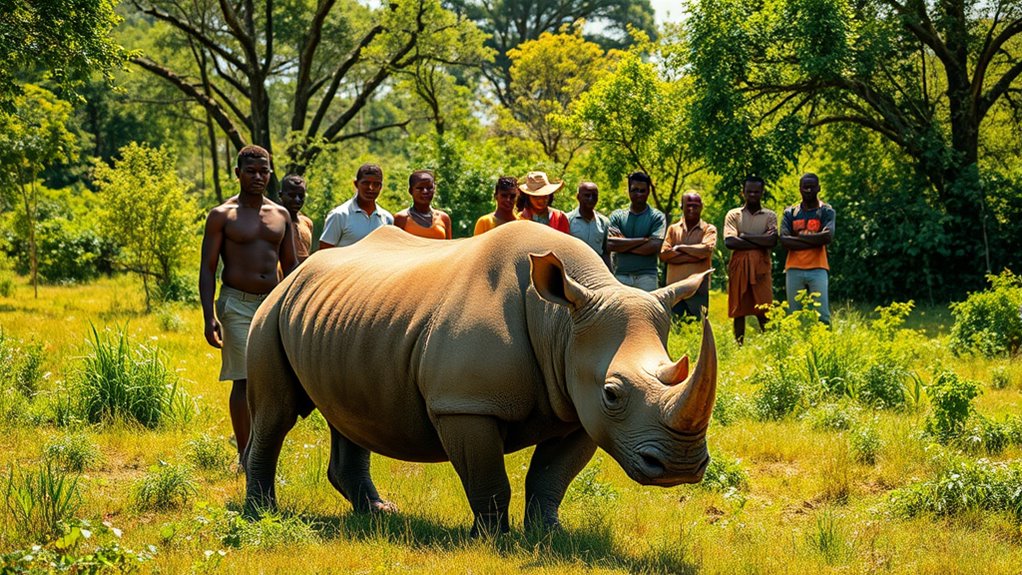
Have you ever wondered how local communities can play a pivotal role in saving rhinos? When communities become actively involved in conservation efforts, they transform from mere bystanders to powerful protectors. This shift is essential because community-led initiatives harness local knowledge, foster a sense of ownership, and create sustainable solutions that benefit both people and wildlife. One of the most effective ways communities contribute is through eco tourism benefits. By promoting eco tourism, communities generate income from visitors who come to see rhinos in their natural habitat. This economic incentive encourages locals to protect these animals rather than view them as threats or sources of conflict. When communities see tangible benefits from eco tourism, they’re more likely to support conservation efforts, patrol against poaching, and maintain the health of their ecosystems. Additionally, empowering communities with community engagement initiatives ensures that conservation strategies are culturally appropriate and locally supported. Supporting anti poaching strategies is another critical aspect of community-led conservation. Local residents often serve as the first line of defense against poachers. When communities are involved, they develop a vested interest in safeguarding their wildlife, which leads to more effective anti poaching measures. These strategies can include training community members as rangers, establishing surveillance teams, or using technology like camera traps and drones to monitor rhino populations. Since poaching is often driven by economic desperation, providing alternative livelihoods through eco tourism and community projects reduces the temptation for locals to engage in illegal activities. This approach not only bolsters anti poaching efforts but also builds trust between conservationists and local residents, creating a collaborative environment where everyone works toward the same goal: saving the rhinos. Furthermore, community-led conservation fosters education and awareness, which are essential to changing attitudes and behaviors toward wildlife. When community members understand the importance of rhinos and their role in the ecosystem, they become passionate advocates for their preservation. Education programs often include training in anti poaching strategies and sustainable resource management, empowering locals to take charge of conservation initiatives. This sense of responsibility helps guarantee that conservation efforts are sustained long-term, even when external funding or support wanes. In essence, empowering local communities through eco tourism benefits and anti poaching strategies creates a ripple effect. As communities become guardians of their natural heritage, the chances of rhinos thriving increase exponentially. This approach isn’t just about saving a species; it’s about transforming communities into stewards of their environment. When people see the direct benefits of conservation, they’re more committed, more active, and more effective in protecting these majestic creatures from the brink of extinction.
camera traps for wildlife monitoring
As an affiliate, we earn on qualifying purchases.
As an affiliate, we earn on qualifying purchases.
Frequently Asked Questions
How Do Community Members Benefit Financially From Rhino Conservation?
You benefit financially from rhino conservation through eco-tourism benefits, as visitors pay for guided safaris and stays, boosting local income. Additionally, traditional craft preservation creates opportunities for you to sell handmade goods to tourists, generating extra income. These efforts support sustainable livelihoods, ensuring your community thrives while protecting rhinos. By participating actively, you help maintain healthy ecosystems and secure long-term economic benefits for your family and neighbors.
What Training Do Locals Receive to Protect Rhinos Effectively?
You receive training in wildlife tracking and conflict resolution to protect rhinos effectively. This involves learning how to identify rhino tracks and signs, enabling you to monitor their movements and detect poaching threats early. Additionally, conflict resolution skills help you mediate disputes between community members and address issues that could harm rhino populations. These skills empower you to act confidently, ensuring the safety of rhinos and supporting conservation efforts.
How Is Poaching Deterred in Community-Led Conservation Areas?
You might think poaching is unstoppable, but community patrols play a vital role in deterrence. By actively monitoring rhino habitats, they catch poachers early, and strict poaching penalties serve as a strong deterrent. When locals see the benefits of protecting rhinos, they’re motivated to enforce laws and report illegal activities. This community-driven approach creates a safer environment for rhinos and reduces poaching effectively.
Are There Any Challenges Faced by Local Communities in Conservation Efforts?
You might face challenges like community conflict, where differing interests cause disagreements over conservation priorities. Resource limitations also pose a problem, making it hard to fund effective patrols, habitat management, and education programs. These issues can hinder your efforts, requiring you to find ways to build trust within the community and secure sustainable resources. Overcoming these challenges is essential to ensuring the long-term success of your conservation initiatives.
How Does Community Involvement Impact Rhino Genetic Diversity?
Think of community involvement as the beating heart of conservation; it directly boosts rhino genetic diversity, which is essential for their genetic resilience. When locals actively participate, they help preserve biodiversity by protecting different rhino populations and preventing inbreeding. Your engagement ensures that conservation efforts are sustainable, thriving like a vibrant ecosystem. This collective action strengthens rhino populations, making them more adaptable and resilient against threats.
eco tourism equipment for safaris
As an affiliate, we earn on qualifying purchases.
As an affiliate, we earn on qualifying purchases.
Conclusion
By supporting community-led conservation efforts, you’re helping bring endangered rhinos back from the brink—success stories like a 60% population increase in some regions demonstrate it’s working. When local communities take charge, they protect these majestic creatures more effectively, ensuring future generations can witness their beauty. Your awareness and involvement make a real difference, turning the tide against poaching and habitat loss. Together, we can ensure rhinos thrive once again, thanks to communities leading the way.
As an affiliate, we earn on qualifying purchases.
As an affiliate, we earn on qualifying purchases.
Evergreen bestsellers Picks
bestsellers
As an affiliate, we earn on qualifying purchases.