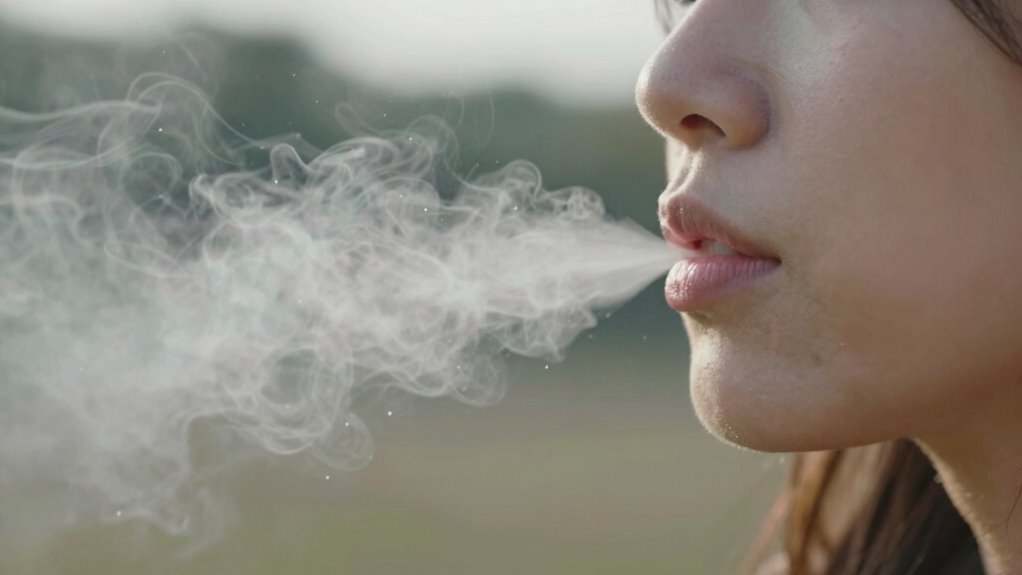

Every time you breathe, tiny particles and gases enter your lungs, where invisible chemical reactions happen. Pollutants like vehicle emissions and smoke interact with your delicate respiratory tissues, causing inflammation and producing free radicals that can damage your lung cells. Your body fights back with antioxidants, but over time, exposure wears down these defenses. This ongoing chemical activity impacts your lung health, aging your tissues and increasing illness risk. If you’re curious to explore how these processes unfold, keep going.
Key Takeaways
- Inhaled air contains gases and tiny particles that react chemically with delicate lung tissues.
- Pollutants generate free radicals, causing oxidative stress and damaging respiratory cells.
- Chemical reactions from pollutants lead to inflammation, irritation, and long-term lung tissue deterioration.
- The body’s antioxidants work to neutralize harmful molecules but can be overwhelmed by pollution.
- Monitoring air quality helps detect invisible chemical interactions impacting respiratory health.

Every time you breathe, an invisible world of chemistry unfolds around and within you. Tiny particles and gases drift into your lungs, carrying with them a complex mix of substances. Some are natural, like oxygen and nitrogen, essential for your survival. Others, however, are environmental pollutants—tiny molecules from vehicle exhaust, industrial emissions, or cigarette smoke—that can impact your respiratory health. These airborne contaminants are often invisible to the naked eye, but their effects on your body can be profound. When you inhale polluted air, these pollutants interact with the delicate tissues lining your respiratory system, triggering chemical reactions that can cause inflammation, irritation, and even long-term damage.
Your respiratory health depends heavily on the balance of these chemical interactions. Exposure to environmental pollutants doesn’t just irritate your airways temporarily; it can lead to chronic conditions like asthma, bronchitis, or even decrease your lung function over time. The chemistry at play involves a host of reactive compounds that can generate oxidative stress inside your lungs. For instance, particulate matter and certain gases can produce free radicals—unstable molecules that attack healthy cells. This ongoing assault damages your respiratory tissues, making you more vulnerable to infections or worsening existing health issues. It’s like a silent chemical war happening every time you take a breath in polluted environments. Additionally, oxidative stress can accelerate the aging process of lung tissue, further compromising respiratory health. Recognizing how airborne pollutants interact at a molecular level can help you better understand the importance of reducing exposure.
Understanding this invisible chemistry helps you realize why clean air is so crucial for your overall health. When pollutants settle in your lungs, your body’s natural defenses, including antioxidants, work to neutralize these harmful molecules. But if the exposure is too frequent or intense, your body’s defenses become overwhelmed. That’s when damage accumulates, impairing your respiratory health. The chemistry of your lungs is finely tuned, designed to handle natural particles and gases, but it struggles against human-made pollutants. Even low levels of exposure, over time, can interfere with the normal chemical processes that keep your respiratory system healthy. Environmental pollutants can disrupt the delicate chemical balance necessary for optimal lung function, emphasizing the importance of clean air standards. Recognizing the impact of air pollution on your respiratory health can motivate you to take proactive steps in improving indoor air quality. Moreover, advancements in air quality monitoring technology help identify pollution sources and protect public health by providing real-time data on airborne contaminants.

MOOKA Air Purifier for Home Bedroom Large Room 2200 Ft², True HEPA Filter
- Enhanced Pet Hair & Odor Capture: Larger air inlets for better pet hair removal
- Large Coverage Area: Cleans up to 2200 sq ft per hour
- Real-Time Air Quality Monitoring: Digital PM2.5 display with auto mode
As an affiliate, we earn on qualifying purchases.
As an affiliate, we earn on qualifying purchases.
Frequently Asked Questions
How Does Atmospheric Pollution Affect the Invisible Chemistry in Each Breath?
Atmospheric pollution impacts the invisible chemistry in your breath by altering chemical interactions in the air you inhale. Pollutants like nitrogen oxides and particulate matter react with natural gases, creating harmful compounds that enter your lungs. These pollution impacts can cause inflammation and damage, affecting your respiratory health. You might not see it, but pollution changes the chemical makeup of every breath, increasing health risks over time and disrupting your body’s delicate chemical balance.
Can Indoor Air Quality Influence the Chemical Processes in Our Lungs?
Yes, indoor air quality can influence the chemical processes in your lungs. Indoor pollutants like volatile organic compounds, dust, and mold can interact with your respiratory system, potentially causing inflammation or other reactions. Using air filtration systems helps reduce these pollutants, minimizing their impact on your lungs. By improving indoor air quality, you support healthier chemical interactions in your respiratory system and reduce the risk of irritation or illness.
What Role Do Microbes Play in the Chemistry of Breathing?
Think of microbes as tiny, rebellious chemists in your lungs, secretly stirring up reactions. Microbial interactions shape your respiratory microbiome, influencing how your body processes oxygen and fights off invaders. These microscopic partners can help break down pollutants or, if misbehaving, cause inflammation. So, your breathing isn’t just air—it’s a lively cocktail of microbial chemistry, with these tiny agents quietly dictating your respiratory health every single inhale.
How Do Different Environments Change the Invisible Chemical Reactions During Respiration?
Different environments influence your respiratory chemical pathways and oxygen exchange considerably. In polluted air, harmful chemicals can interfere with your body’s ability to efficiently exchange oxygen, slowing down essential reactions. Conversely, in clean, oxygen-rich environments, your respiratory system optimizes these chemical pathways, enhancing oxygen exchange. Humidity, temperature, and airborne particles also affect the reactions, making your breathing more or less efficient depending on the surroundings.
Are There Long-Term Health Effects From the Invisible Chemicals We Inhale Daily?
Yes, you can experience long-term health effects from daily chemical exposure and respiratory toxins. Inhaled pollutants, such as pollutants and airborne chemicals, can damage your lungs and increase risks of respiratory diseases like asthma or COPD. Over time, these invisible chemicals build up, affecting your overall health. To protect yourself, reduce exposure by improving air quality indoors and avoiding polluted environments whenever possible.
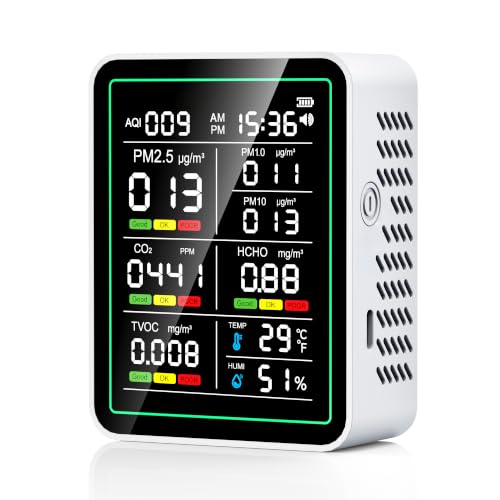
ZEMEOLLO Air Quality Monitor Indoor, 10-in 1 Smart Air Quality Tester
- 10-in-1 Multi-Gas Detection: Monitors CO₂, HCHO, TVOC, benzene, PM2.5, PM10
- HD Color Display with Visual Data: Real-time data with color-coded alerts
- Intelligent Environmental Assessment: Automatic safety threshold alerts and reports
As an affiliate, we earn on qualifying purchases.
As an affiliate, we earn on qualifying purchases.
Conclusion
So, next time you take a breath, remember the invisible chemistry happening around you—an intricate dance of molecules that keeps you alive. Ironically, while these tiny reactions are crucial, they often go unnoticed and unappreciated. It’s almost amusing how something so essential remains invisible, yet without it, you wouldn’t even exist. So, breathe deep and marvel at this silent, unseen miracle—life’s most underrated chemistry lesson.

Mullein Lung Detox – Mullein Leaf 10:1 Extract Supplement – 60 Vegan Caps
- Concentrated Mullein Leaf Extract: 10:1 potency for respiratory support
- 15-in-1 Lung Cleanse Formula: Includes herbs and nutrients for lung health
- Supports Clear Airways: Promotes healthy bronchial function and comfort
As an affiliate, we earn on qualifying purchases.
As an affiliate, we earn on qualifying purchases.

GIKO N95 Face Mask – 20Pcs Cup Dust Safety Masks, N95 Protective Mask, Protection Against PM2.5 Dust, Fire Smoke, Filter Efficiency≥95%, White
- NIOSH Approved N95 Mask: Blocks at least 95% of airborne particles
- Skin-friendly and Comfortable: Made with non-woven fabric for skin comfort
- Adjustable Nose Clip: Ensures a secure, comfortable fit
As an affiliate, we earn on qualifying purchases.
As an affiliate, we earn on qualifying purchases.